In This Article
Let's be honest. The idea of a snake sinking its teeth into your hand is probably the number one thing stopping most people from even considering a pet snake. I get it. I was there too. The mental image isn't pleasant. But here's the thing most people don't realize: the vast, vast majority of pet snake bites are completely preventable, and some snakes are so laid-back they've practically made it their life's mission not to bite.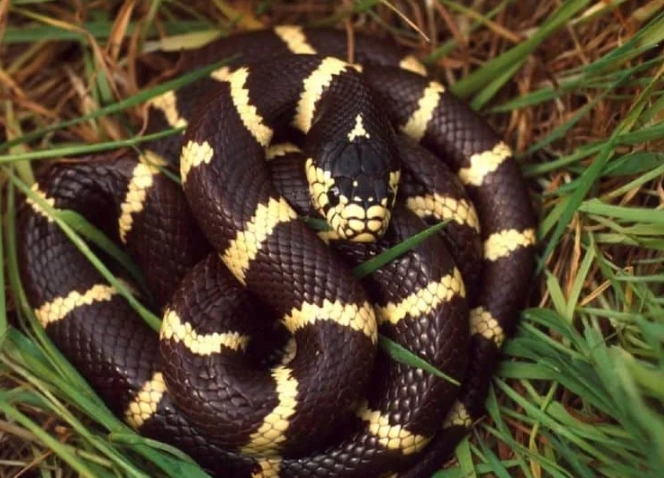
When we talk about pet snakes that don't bite, we're really talking about species with a naturally docile temperament. It's not that they're physically incapable—any snake with a mouth can bite—it's that their default setting is "chill" rather than "defensive." Their personality makes them incredibly forgiving of the minor mistakes a beginner might make.
So, are there truly bite-proof snakes?
No. And anyone who tells you otherwise is selling you a fantasy. But what we can find are snakes where a bite is such a rare, freak occurrence that for all practical purposes, you can confidently consider them safe, gentle companions. That's the real goal here.
Key Takeaway First
Finding a pet snake that doesn't bite is less about magic and more about choosing the right species and then treating it with respect. The snake's temperament is half the equation; your behavior as an owner is the other crucial half. A naturally calm snake can still get snippy if it's scared, hungry, or handled incorrectly.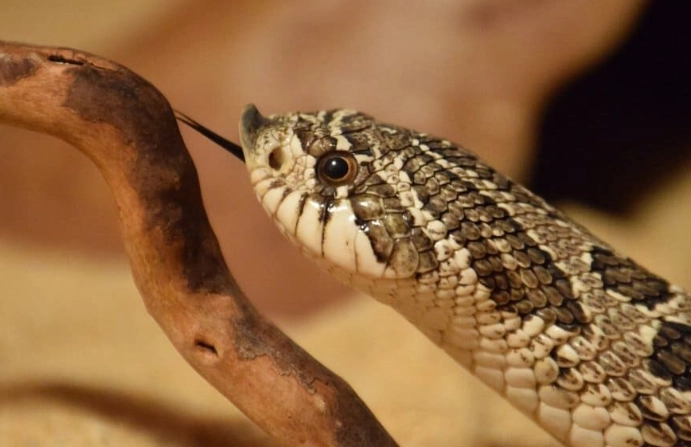
Why Do Snakes Bite, Anyway? (It's Almost Never "Because They're Mean")
This is the most important concept to grasp. Snakes don't bite out of malice. They don't hold grudges. They bite for three main reasons, and understanding these turns you from a nervous new owner into a confident snake keeper.
- Defensive Bites: This is the most common reason for a pet snake bite. The snake feels threatened. Maybe you moved too fast, maybe it's shedding and feels vulnerable (their vision gets cloudy), or maybe it's just having a bad day. This bite is a "go away!" message. It's often a quick, startling strike followed by an immediate retreat. The force is usually minimal.
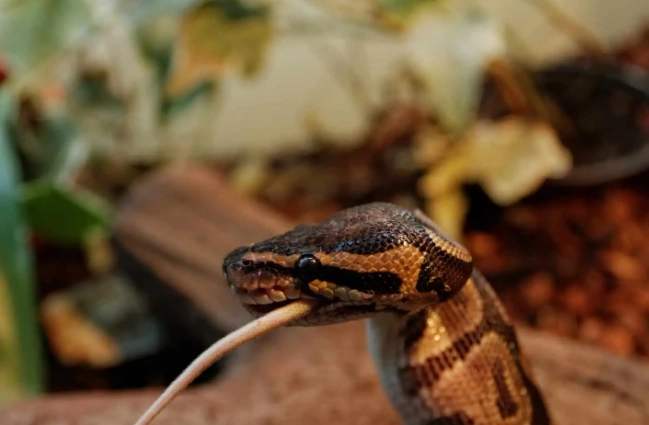
- Food Response Bites: This happens when the snake mistakes your warm, wiggling hand for its dinner (usually a rat or mouse). This is a feeding mistake, not an attack. The snake will often latch on and may try to constrict. This is why you never handle your snake when it's in "feeding mode" or for 24-48 hours after it eats.
- Stress/Pain-Induced Bites: If a snake is sick, injured, or under extreme prolonged stress, its tolerance plummets. A normally docile snake might bite if it's suffering. This is a sign you need to check your husbandry and possibly visit a vet.
See? Once you know the "why," avoiding bites becomes a straightforward game of reading your snake's mood and respecting its space. Choosing one of the famously gentle species below stacks the odds overwhelmingly in your favor.
Top Contenders: The Most Docile Pet Snakes You Can Actually Own
Alright, let's get to the good stuff. Based on decades of collective reptile keeper experience (and my own time at reptile expos talking to breeders), these species consistently top the list for their placid nature. They're the gold standard for beginners and anyone prioritizing a calm, handleable pet.
Remember, individual personality varies. But with these, you're starting on the easiest setting.
1. The Ball Python (Python regius)
If there was a mascot for pet snakes that don't bite, it would be the ball python. Their name comes from their primary defense mechanism: when scared, they curl into a tight ball, hiding their head in the center. They'd rather play dead (or play ball) than fight.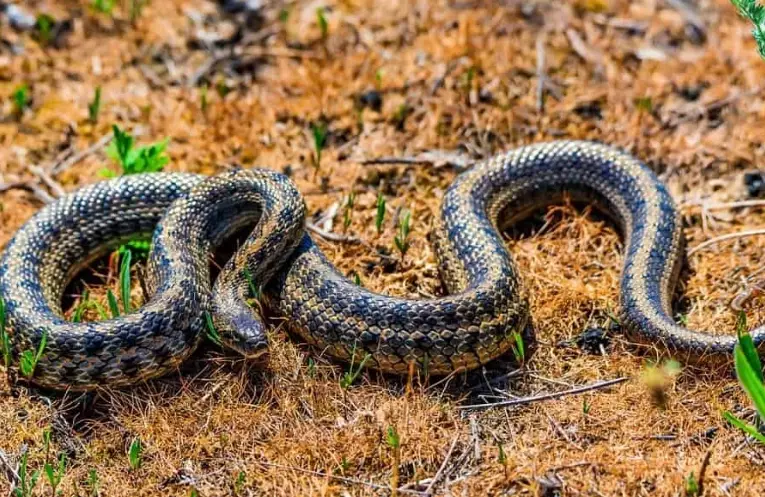
I've handled dozens of ball pythons, from hatchlings to hefty adults. The vast majority are slow-moving, curious, and incredibly tolerant. A bite is so uncommon that when it does happen in the community, it's news. They come in a staggering array of beautiful colors and patterns (morphs), which is part of their appeal. They do have specific humidity and heat requirements, which can trip up beginners, but their temperament is nearly unbeatable.
My Take: My first snake was a normal ball python. In ten years, he never once struck at me, even when I was a clumsy new owner. His idea of a big protest was to sigh heavily and tuck his head away. They can be picky eaters, though, which is their main downside.
2. The Corn Snake (Pantherophis guttatus)
The corn snake is often called the "perfect beginner snake," and for good reason. They are hardy, have simple care requirements, are typically excellent feeders, and possess a wonderfully inquisitive and gentle demeanor. They are more active and exploratory when handled than a ball python, but rarely in a frantic or nervous way.
A corn snake's first instinct when startled is almost always to flee, not fight. They're fast, so you have to be mindful they don't slither off the couch, but their speed isn't aggression. Their bites are infrequent and, when they do occur (usually from a hungry baby mistaking a finger for a pinkie mouse), it feels like a quick pinch from Velcro. Seriously, it's nothing.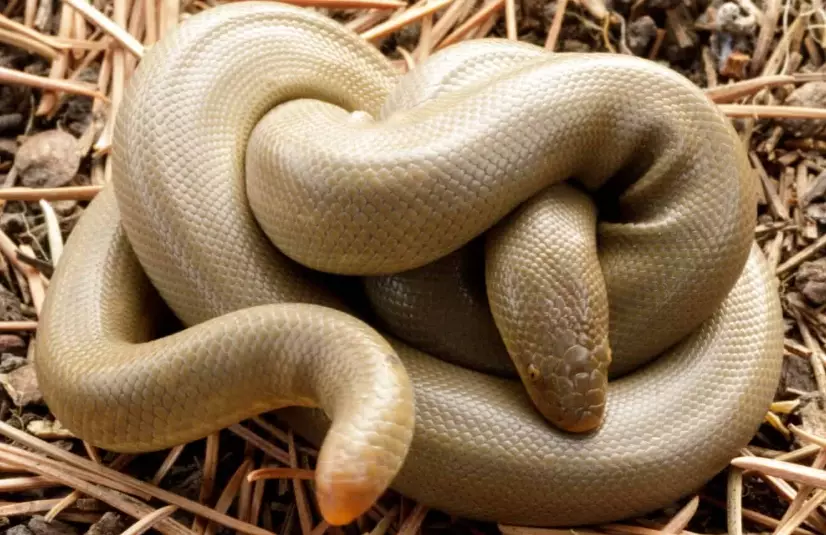
3. The Rosy Boa (Lichanura trivirgata) & Kenyan Sand Boa (Eryx colubrinus)
I'm grouping these two smaller boas together because they share a similar reputation: incredibly docile, slow-moving, and easy to care for. Rosy boas are like living jewelry—slow, deliberate, and beautiful. Kenyan sand boas are often described as "goofy" due to their tendency to burrow and pop their derpy faces out of the substrate. Both species are thick-bodied, stay a manageable size, and are known for their calm dispositions.
They are less common than balls or corns, so you might have to seek out a breeder. But if you want a snake that moves in slow motion and seems perpetually unbothered, these are fantastic choices.
| Snake Species | Temperament | Adult Size | Care Difficulty | Why It's a "Don't Bite" Candidate |
|---|---|---|---|---|
| Ball Python | Extremely Docile, Shy | 3-5 feet | Intermediate (due to humidity/feeding needs) | Defensive strategy is to ball up, not strike. Exceptionally tolerant of handling. |
| Corn Snake | Active & Curious, Very Gentle | 4-5.5 feet | Beginner | Flight-over-fight instinct. Bites are rare and insignificant when they happen. |
| Rosy Boa | Calm, Slow-Moving, Docile | 2-3.5 feet | Beginner | Naturally placid and slow. Very low-stress animals when cared for properly. |
| Kenyan Sand Boa | Docile, Sometimes "Goofy" | 1.5-2.5 feet (females larger) | Beginner | Spends most time buried. Handles well and is not prone to defensive behavior. |
| California Kingsnake | Active & Bold, Generally Docile | 3-4 feet | Beginner | Confident snake that settles well with regular handling. Can be food-driven, so hook-training is advised. |
Notice a pattern? The best pet snakes that don't bite tend to be constrictors from North America or Africa that are not overly large. Their evolutionary history didn't require extreme aggression.
Snakes That Might Not Be the Best Fit (If Biting is Your #1 Fear)
Transparency is key. While any snake can be tame with work, some species have reputations for being more high-strung, defensive, or food-obsessed. For a first-time owner solely focused on minimal bite risk, you might want to approach these with caution or gain experience first.
- Tree Boas/Pythons (e.g., Amazon Tree Boas, Green Tree Pythons): Gorgeous, but often defensive. They can be nippy, especially when young. Their striking accuracy is also legendary.
- Water Snakes (Nerodia species): Often feisty and known for musking (releasing a foul smell) and biting when first acquired. They can calm down, but it's not their default.
- Large Reticulated Pythons/Burmese Pythons: While many are puppy-dog tame, their immense size and strength mean that even a defensive or feeding-error bite is a serious medical event. Not recommended for beginners for many reasons, bite risk being one.
- Some Colubrids like Garter Snakes: Fast, wriggly, and can be nervous. They rarely deliver a meaningful bite, but their constant motion can be stressful for someone wanting a calm, handleable snake.
A Quick Reality Check
Please, for the snake's sake and yours, avoid wild-caught snakes. A wild-caught corn snake will be infinitely more stressed and likely to bite than a captive-bred one. Captive-bred snakes are born in captivity, used to humans, and free of parasites. They are the only ethical choice for a pet and your best bet for a calm animal. Always buy from a reputable breeder.
Your Action Plan: How to Minimize Bite Risk to Almost Zero
Choosing a docile species is step one. Here’s your step-by-step guide to being the kind of owner that a pet snake that doesn't bite wants to live with.
Reading Snake Body Language 101
Snakes talk with their bodies. Learn the signs.
- Relaxed/Curious: Slow, deliberate tongue flicks. Loose, flowing movement. No tension in the body.
- Stressed/Defensive: Tight, tense S-coil in the neck/head area (the "strike pose"). Rapid, jerky tongue flicks or no tongue flicks at all. Hissing (though not all snakes hiss). Attempting to hide its head.
- Hungry/In Food Mode: Periscoping (raising the front third of its body), tracking movement intently, hanging out near the enclosure door at feeding time.
If you see defensive signs, just leave the snake alone. Try again later or tomorrow.
The Golden Rules of Handling
- Be Confident, Not Hesitant: Slow, gentle, but deliberate movements are less threatening than quick, shaky ones.
- Support the Body: Let the snake move through your hands. Don't grab or restrain it tightly. Provide multiple points of support, especially for longer snakes.
- Start Short and Sweet: Begin with 5-10 minute handling sessions a few times a week for a new snake. Gradually increase as it gets comfortable.
- Wash Your Hands! Before handling, wash your hands with unscented soap. You don't want to smell like a rat.
- Use a Snake Hook (Optional but Smart): A gentle nudge with a hook before picking up a snake, especially one that might be in food mode, breaks its feeding response and tells it "it's handling time, not dinner time." This is a pro-tip that eliminates most feeding-error bites.
Pro Tip from a Breeder I Know
"Don't handle the snake like it's a bomb about to go off. It senses your nervous energy. Sit on the floor in a secure room, let it explore you. Most bites happen when people flinch or pull away suddenly, which the snake interprets as a threat or prey movement. Just stay calm."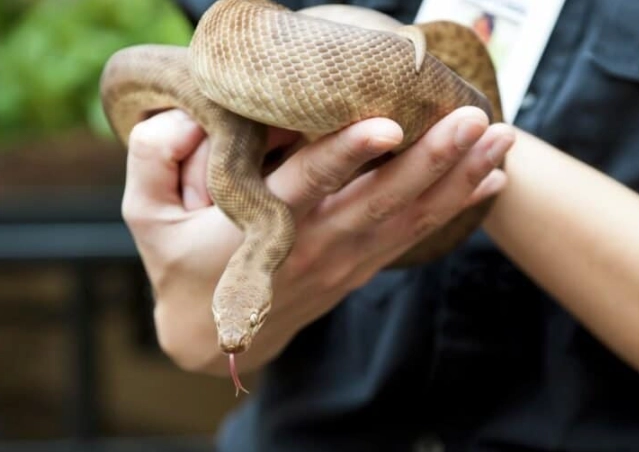
Husbandry is Everything
A stressed snake is more likely to be a defensive snake. Stress comes from poor living conditions.
- Correct Enclosure Size: Not too small (cramped and stressed), not too large (exposed and insecure). Provide plenty of hides (at least one on the warm side, one on the cool side).
- Proper Heat & Humidity: This is non-negotiable. Use a thermostat to control heat sources. Research your species' specific needs. The Reptiles Magazine care guides are a fantastic, trusted resource to get you started on the right foot.
- Respect the Shed Cycle: When a snake's eyes turn blue (in "blue"), it can't see well and feels vulnerable. Leave it completely alone until it has finished shedding. This is a prime time for defensive bites from otherwise gentle snakes.
What If It Actually Bites? (Spoiler: It's Not a Big Deal)
Let's say the stars align, you miss all the cues, and your normally placid corn snake gives you a defensive tap. What now?
First, don't panic. Don't jerk your hand away. That can hurt you and the snake (damaging its teeth). If it's a defensive strike-and-release, just calmly put the snake back in its enclosure. Wash the tiny pinpricks with soap and warm water, apply an antiseptic, and put a band-aid on it. It will likely stop bleeding in seconds.
If it's a feeding response and it's latched on (very rare with the species listed), the worst thing you can do is pull. Instead, pour a small amount of rubbing alcohol or Listerine near its mouth. Not in its mouth, just near the lips. The smell usually makes them let go immediately. Then, review your handling protocol—were your hands smelly? Did you handle too soon after feeding?
The bite from a small-to-medium constrictor is less painful and less injury-prone than a hamster or parrot bite. It's the surprise that gets you, not the damage.
Answering Your Burning Questions
Final Thoughts: Making Your Decision
So, you want a pet snake that doesn't bite. Your best path is clear.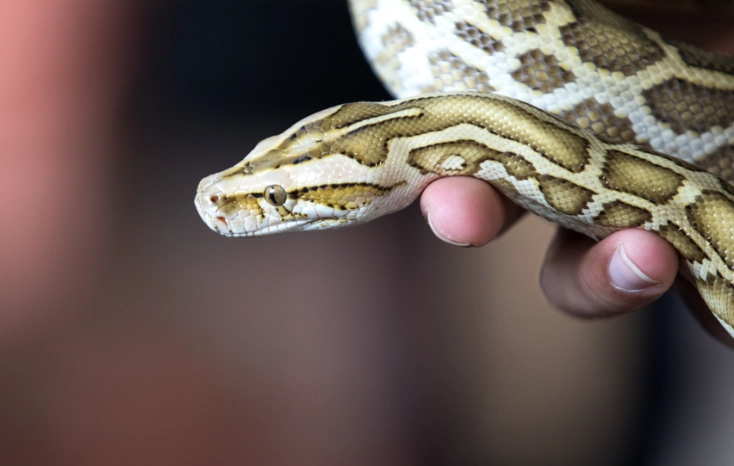
Start with a captive-bred specimen of a proven docile species: a Ball Python, Corn Snake, or Rosy Boa. Get it from a reputable breeder who can vouch for its temperament and health. You can often find good breeders through reptile expos or forums like FaunaClassifieds (always check the Board of Inquiry for feedback).
Set up its home perfectly before it arrives. Do your homework on Reptiles Magazine or the Anapsid resource pages. Let it settle in for a week without handling. Then, begin slow, confident handling sessions.
Respect its body language and its needs. Wash your hands. Maybe use a hook.
If you do that, you will have a beautiful, fascinating, and incredibly low-risk pet. The fear of the bite will fade within weeks, replaced by the simple joy of watching a perfect animal go about its life. You'll stop thinking "pet snakes that don't bite" and start thinking "my snake, Steve."
It's a journey worth taking. Just start with the right companion.
And remember, the bite is almost always our fault, not the snake's. They're just being snakes.



Join the Conversation