Guide Highlights
- Why Owning a Snake in California is Different
- Choosing Your First Snake: The Top Contenders
- The Complete Setup: Building a Snake Home in Your CA Home
- The Real Cost of Being a First Time Snake Owner in California
- Feeding and Basic Care Routines
- Health and Wellness: Spotting Trouble in Paradise
- Common Mistakes New California Owners Make (And How to Avoid Them)
- California-Specific Resources for Snake Owners
- Frequently Asked Questions for the CA Newbie
So you're thinking about getting a snake. In California. That's a fantastic idea, but let's be real—it's not like getting a hamster. There's a lot to unpack, especially with our state's unique mix of perfect reptile weather and some of the strictest pet laws in the country. I've seen too many excited first-timers dive in without a clue about the legal stuff or the long-term commitment, only to get overwhelmed. This guide is here to make sure that's not you. We're going to walk through everything, from picking a legal, beginner-friendly species to setting up a proper home and finding a vet who actually knows reptiles. Consider this your one-stop shop for starting right.
Why Owning a Snake in California is Different
You might think a snake is a snake, no matter where you live. Not quite. California throws a few curveballs that make the journey for a first time snake owner in California distinct from other states. On one hand, our generally mild, dry climate in many areas means maintaining proper humidity and temperature in an enclosure can be slightly less of a constant battle compared to, say, a very humid or frigid state. That's a plus.
On the other hand, California has a hyper-vigilant approach to non-native species. The state's ecosystem is incredibly diverse and fragile, and the Department of Fish and Wildlife (CDFW) is dead serious about preventing invasive species from taking hold. Remember the Burmese python problem in Florida? California wants to avoid that at all costs. This means the list of snakes you can legally own without a permit is surprisingly short and very specific. It's not about being difficult; it's about protection. But for you, the new owner, it means your choices are predetermined. You can't just fall in love with any beautiful snake you see online. You have to fall in love with one that's also legal here.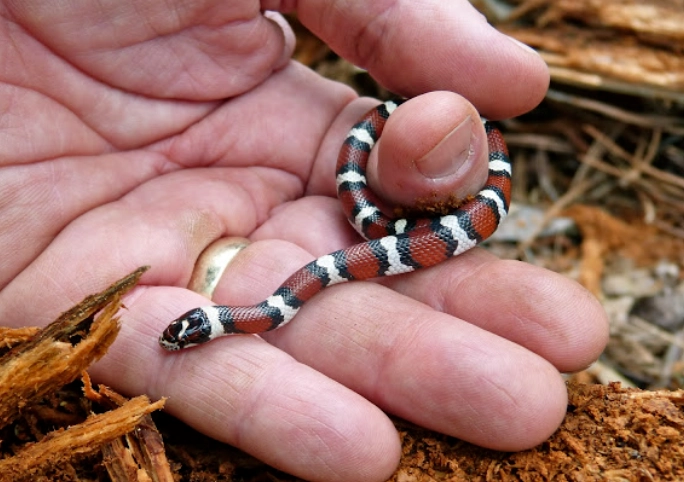
There's also a thriving reptile community in California, from dedicated expos to specialized vets. That's a huge resource. But navigating it requires knowing the rules first.
The Legal Landscape: What You Can and Cannot Own
This is the most important section. Ignorance isn't an excuse, and the fines (or worse, having your pet confiscated) are no joke. California law generally prohibits the possession of "wild animals" as pets. Snakes fall under this, but there is a Positive List—a list of species that are explicitly allowed.
For a first time snake owner california resident, you'll be looking at the non-venomous, constrictor species on this list. The big no-nos are obvious: all venomous species are strictly forbidden for private ownership. But the tricky part is the constrictors. Large constrictors like Burmese pythons, African rock pythons, green anacondas, and yellow anacondas are completely banned. This ban even includes hybrids or crossbreeds of these species.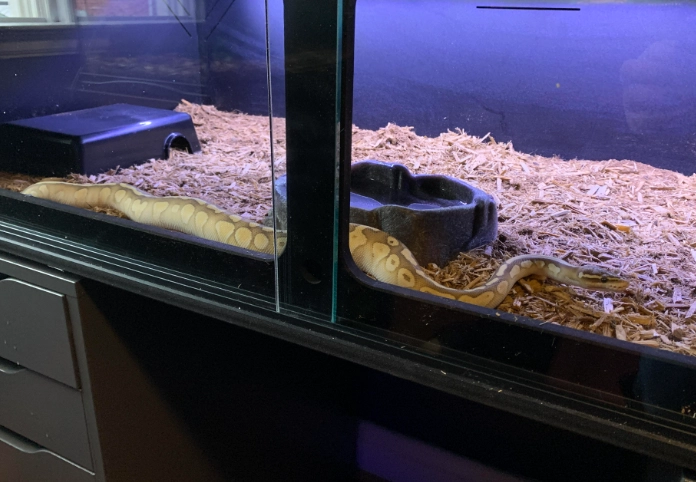
So, what's left? The good news is that all the classic, highly recommended beginner snakes are perfectly legal. We'll get to those in a second. The key takeaway is to always, always verify the scientific name of the snake you want. Common names can be misleading. "King snake" is fine; "King cobra" is absolutely not. When in doubt, ask the breeder for the scientific name and cross-reference it with the CDFW list.
Choosing Your First Snake: The Top Contenders
With the legal framework in mind, let's talk about the best candidates. A good beginner snake is typically docile, stays a manageable size, has straightforward feeding habits, and is readily available from captive breeding (never take a wild snake!). For a first time snake owner in California, these three species are the gold standard. I've kept all of them at different points, and each has its own personality.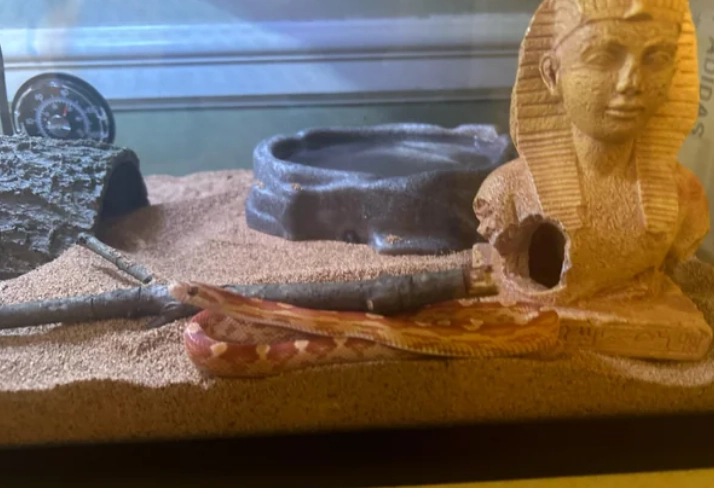
| Snake Species | Temperament | Adult Size | Lifespan | Care Difficulty |
|---|---|---|---|---|
| Corn Snake (Pantherophis guttatus) | Exceptionally docile, curious, rarely defensive. | 3 to 5 feet | 15-20 years | Very Easy |
| Ball Python (Python regius) | Very gentle, but can be shy and prone to fasting. | 3 to 5 feet | 20-30 years | Easy (but watch humidity) |
| California Kingsnake (Lampropeltis californiae) | Active and inquisitive, but can be feisty as juveniles. | 2.5 to 4 feet | 15-20 years | Easy |
Let me break down my personal experience with each. Corn snakes are like the golden retrievers of the snake world. They almost never refuse a meal, they're tough, and they come in a mind-boggling array of colors and patterns (morphs). My first was a classic amelanistic (orange and white) corn, and he was unflappable. Perfect for learning how to handle a snake without stress—for you or the animal.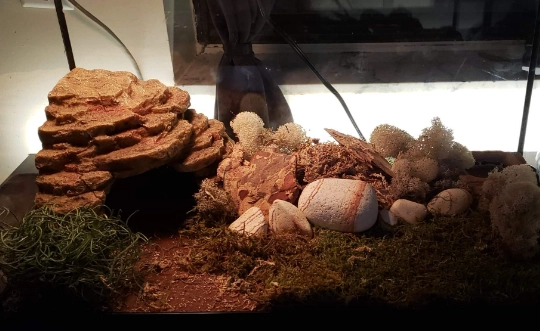
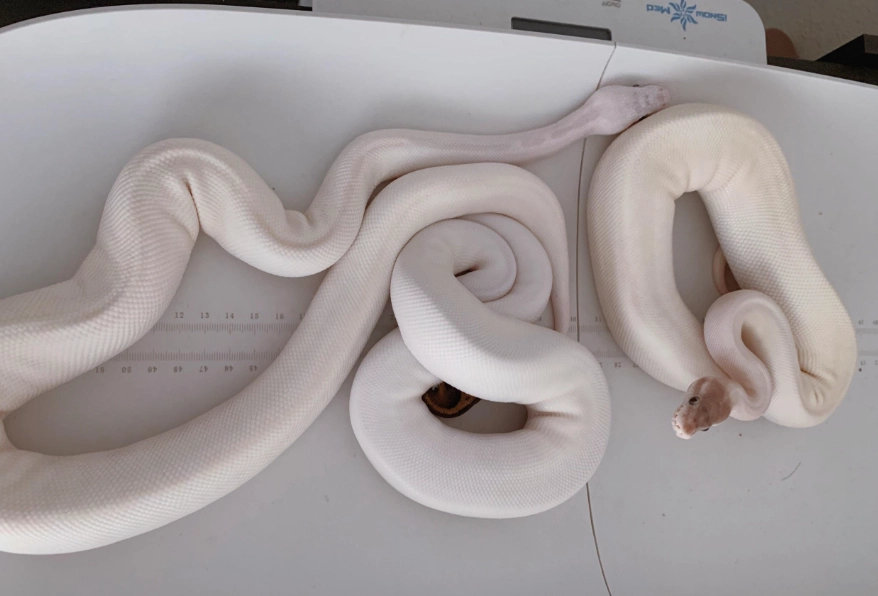
Ball pythons are incredibly sweet. Their tendency to curl into a ball when scared is where the name comes from. They're slower moving and feel more substantial in your hands. However, they have a reputation for being picky eaters, especially during winter months. You need to be prepared for a hunger strike that might last weeks, which can panic a new owner. Their humidity requirements (60-70%) are also higher than a corn snake's, so you'll need to monitor that more closely in our dry climate.
The California kingsnake is a local celebrity, and for good reason. They're hardy, great feeders, and beautiful. But I'll be honest—baby kingsnakes can be a bit defensive. They might musk (release a stinky liquid) or even strike when young. This almost always goes away with calm, regular handling as they grow. If you start with a slightly older, well-handled juvenile, you can avoid this phase. They're fantastic snakes, but maybe not the absolute #1 pick for someone who is very nervous about being bitten (even though a baby bite feels like a pinch from Velcro).
The Complete Setup: Building a Snake Home in Your CA Home
You've picked your species. Now, don't bring it home until its home is ready. This is the biggest upfront cost and the most critical factor for your snake's health. A stressed snake in a poor enclosure is a sick snake.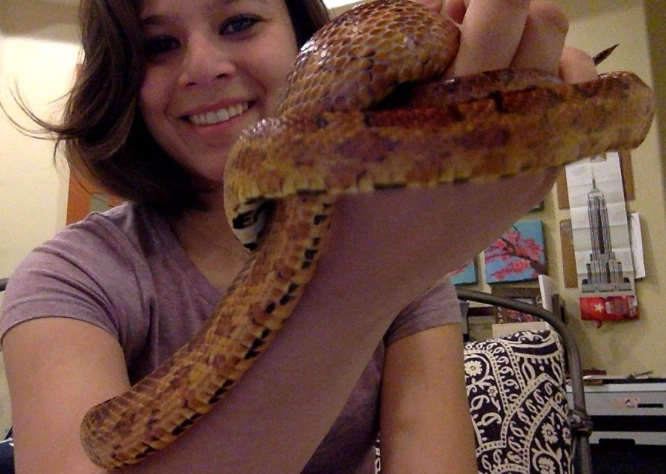
The Enclosure (Tank/Vivarium/Terrarium)
For a baby snake, a 10 or 20-gallon tank can work to start. But you must plan for the adult size. A single adult corn or king snake will be happy in a 40-gallon breeder tank (36"x18"). An adult ball python does best in something even larger, like a 48"x24" PVC enclosure. PVC or plastic front-opening cages are superior to glass aquariums for most species because they hold heat and humidity much better. Glass tanks are fine for corn snakes but are a constant battle for ball python humidity in a dry room.
Security is non-negotiable. Snakes are escape artists. If there's a gap, they will find it. A tightly fitting, locking screen lid for a tank or secure front-opening doors are a must.
Heating and Lighting
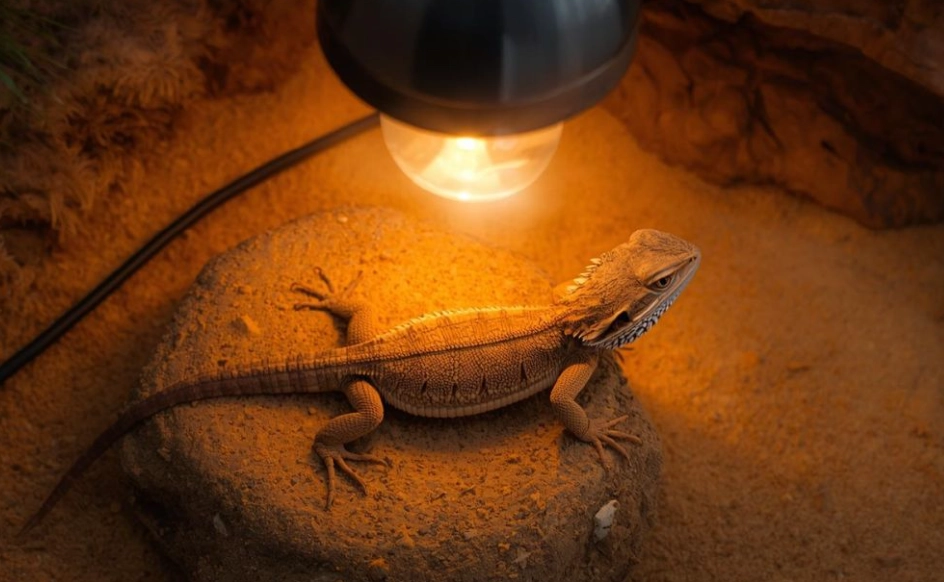
Snakes are ectothermic. They rely on you to create a temperature gradient so they can thermoregulate. One end of the enclosure needs to be warm (the "basking" or warm side), and the other end needs to be cooler (the "cool" side).
- Warm Side: 85-88°F for corn/king snakes; 88-92°F for ball pythons.
- Cool Side: 75-80°F for all.
- Nighttime Drop: It can dip to the low 70s, but don't let it get colder.
You create this with overhead heat sources. Under-tank heating pads (UTH) are commonly used, but they must be connected to a thermostat—this is the most important piece of equipment you will buy. An unregulated heat pad can and will burn your snake. I prefer ceramic heat emitters or deep heat projectors paired with a dimming thermostat, as they provide more penetrating heat without light. Avoid hot rocks sold in pet stores; they are notorious for causing burns.
Lighting is simpler. Most snakes don't require special UVB lighting, but providing a natural day/night cycle with ambient room light or a low-output LED light on a timer is beneficial for their circadian rhythm. Some recent research, like studies referenced by the American Veterinary Medical Association (AVMA), suggests some benefits to UVB for certain species, but for our beginner list, it's not a strict requirement.
Substrate, Hides, and Decor
Substrate is the bedding. For beginners, simple is best. Paper towels are the ultimate easy-clean option for quarantine or monitoring health. For a permanent setup, aspen shavings are excellent for corn and king snakes as they allow for burrowing and don't hold too much moisture. For ball pythons, you need something that holds humidity: coconut husk fiber (like Eco Earth) or cypress mulch are top choices. Avoid cedar and pine shavings—the aromatic oils are toxic to reptiles.
Hides are critical. You need at least two: one on the warm side, one on the cool side. They should be snug, with just enough room for the snake to curl up inside and touch the sides. A stressed snake with nowhere to hide is a miserable snake. You can use commercial reptile hides, upside-down plastic containers with an entrance hole cut, or even cardboard boxes (though they will need replacing).
Add a sturdy water bowl large enough for the snake to soak in if it wants to, placed on the cool side. Some branches or fake plants for climbing (corn snakes love to climb) and cover complete the picture.
The Real Cost of Being a First Time Snake Owner in California
Let's talk money, because pet store prices lie. The snake itself is often the smallest expense.
Initial Setup (One-Time Costs):
- Proper-sized enclosure (PVC or glass): $150 - $400+
- High-quality thermostat: $60 - $150
- Heat source (lamp, fixture, bulb/emitter): $40 - $80
- Hides, water bowl, decor: $50 - $100
- Substrate, initial supply: $20 - $40
- Snake (from a reputable breeder): $50 - $200+ (depending on morph)
- Estimated Total Startup: $370 - $970+
Ongoing Monthly Costs:
- Frozen rodents (food): $20 - $40 (depending on snake size)
- Electricity for heating/lighting: $5 - $15
- Substrate replacement: $10 - $20
- Vet Fund: This is crucial. Put aside $20-30 a month. Exotic vet visits are expensive. A simple check-up can be $80, and treating a respiratory infection can run into the hundreds.
Feeding and Basic Care Routines
Feeding is simple in theory, tricky in practice until you get the rhythm. All our beginner snakes eat frozen-thawed rodents. Never feed live prey if you can avoid it; it's dangerous for the snake. Buy frozen mice/rats from a pet store or online supplier, thaw them in warm water, and offer them with long feeding tongs.
A general rule: Feed a prey item that is about as wide as the snake's body at its widest point. A young snake might eat every 5-7 days; an adult might eat every 10-14 days. Ball pythons are famous for going off food for months, especially during breeding season (fall/winter). As long as the snake isn't losing significant weight, this is usually normal. Don't panic and don't handle it excessively during a fast.
Water should be fresh and changed daily. Spot clean the enclosure for waste as soon as you see it. A full substrate change and enclosure deep-clean should happen every 4-8 weeks.
Handling should wait until 48 hours after a successful meal to avoid regurgitation. Start with short, calm sessions a few times a week. Support the snake's body fully and move confidently. If it seems stressed (hissing, striking, tightly balling up), put it back and try another day.
Health and Wellness: Spotting Trouble in Paradise
A healthy snake is alert, has clear eyes (unless in blue, pre-shed phase), a rounded body, and breathes quietly. Here are red flags:
- Mites: Tiny black or red dots moving on the snake or in the water bowl. A serious pest.
- Respiratory Infection (RI): Wheezing, clicking sounds when breathing, mucus or bubbles in the mouth/nose, holding head up oddly. Often caused by low temperatures or high humidity (for corn/king snakes).
- Stuck Shed: Incomplete sheds, especially retained eye caps (spectacles). Caused by low humidity.
- Scale Rot: Blister-like lesions or discolored, crusty scales on the belly. Caused by chronically wet, dirty substrate.
Finding a vet before you have an emergency is a non-negotiable step for any first time snake owner california-based. Search for an "exotic" or "avian and exotic" veterinarian. The Association of Exotic Mammal Veterinarians (AEMV) has a vet locator tool that can help. Call and ask if they see reptiles and specifically have experience with snakes.
Common Mistakes New California Owners Make (And How to Avoid Them)
I've made some of these. My friends have made others. Let's learn from them.
1. Skimping on the Thermostat. This is the #1 error. You think a simple on/off switch for the heat pad is fine. It's not. Get a good proportional or dimming thermostat. It's the best insurance policy you can buy.
2. Choosing the Enclosure for Looks, Not Function. That beautiful, all-screen "reptile mansion" will suck all the heat and humidity out in our dry air. Function first. A bland plastic tub set up correctly is better than a gorgeous glass coffin.
3. Overhandling a New Snake. Give it at least a full week, maybe two, to settle in and eat its first meal before you start handling sessions. Let it acclimate.
4. Misreading Hunger Strikes. Especially with ball pythons. You offer food, they refuse. You panic and try again the next day. And the next. This just stresses them more. Wait a full week before offering again if they refuse.
5. Not Having a "Snake-Sitter" Plan. You will go on vacation. Who will check temps, change water, and feed if needed? Find a knowledgeable friend or a professional pet sitter who knows reptiles. Boarding at a vet or a specialty reptile store is an option.
California-Specific Resources for Snake Owners
You're not alone. Tap into these local resources.
- Reptile Expos: The Reptile Super Show in Pomona and Anaheim is massive. It's a great place to see hundreds of breeders, buy supplies, and talk to experts face-to-face. Do your research before you go, as the excitement can lead to impulse buys.
- Local Herpetological Societies: Groups like the California Herpetological Society are filled with experienced keepers who love to share knowledge. They often have meetings and online forums.
- Specialist Reptile & Exotic Vets: Do your homework. Ask for recommendations in local reptile Facebook groups or from breeders.
- Rescue Organizations: Consider adoption! Reptile rescues in CA often have healthy, sweet snakes that need homes. It's a rewarding way to become a first time snake owner.
Frequently Asked Questions for the CA Newbie
For brief, supervised handling in a secure, enclosed area (like a patio with high walls), it's possible. But be ultra-cautious. The sun can overheat them in minutes. Birds of prey are a real threat. And never, ever let it crawl into tall grass or out of your sight—you will lose it. Personally, I think the risk outweighs the benefit for a pet snake.
Yes. Some municipalities have additional restrictions. Always check your local city and county ordinances on top of state law. A call to your local animal control department can clarify this.
No. A snake is not a starter pet. It is a long-term commitment that requires consistent, knowledgeable care. However, a snake can be an excellent family pet if the adult is the primary caregiver, fully committed, and teaches the child proper respect and handling under supervision. The adult must be prepared to take over all care permanently.
Attend a reptile expo and talk to them. Look for breeders who are eager to answer questions, ask about your setup, and provide detailed information about the snake's feeding history and genetics. Avoid sellers who seem evasive or who have multiple species crammed into poor conditions. Online marketplaces like MorphMarket allow you to filter by state and read reviews.
Stay calm. They often travel along walls, seeking warmth and tight spaces. Check behind and under appliances (fridge, oven, dishwasher—unplug and check the warm motor areas), inside couch cushions, in closets, and in shoes. Lay down plastic grocery bags along walls—you might hear the rustle. Put a heat pad and a hide in the middle of a room with a pinky mouse in it overnight. They usually turn up within the same room or an adjacent one.
It can be a challenge. Many standard lease agreements have a blanket "no pets" or "no exotic pets" clause. Your best bet is to be upfront, provide information about the species (emphasizing its small size, non-venomous nature, and that it is contained in a secure enclosure), and even offer to get a rider on your renter's insurance for liability. Smaller, private landlords may be more flexible than large corporate property managers.
Bringing a snake into your life here is a unique commitment. It asks you to understand not just animal care, but also the specific ecological and legal ethos of our state. It's a fascinating intersection. If you do the homework upfront—respect the laws, invest in the right setup, and connect with the local community—you're setting yourself up for decades of rewarding companionship. There's nothing quite like the quiet trust of a snake calmly exploring your hands, knowing you've built a slice of the world that keeps it healthy and content. Start slow, get it right, and welcome to the world of reptile keeping.

Join the Conversation