You've got your corn snake settled in its new home, the temperature gradient is perfect, and the hide is cozy. Now comes the most hands-on part of care: feeding. Getting the feeding schedule right is arguably the single most important factor for your snake's long-term health and growth. A proper corn snake feeding chart isn't just about throwing a mouse in once a week—it's a dynamic plan that changes as your snake grows from a tiny hatchling to a majestic adult. I've seen too many well-meaning owners make simple mistakes that lead to obesity or stunted growth. Let's break it down so you can feed with confidence.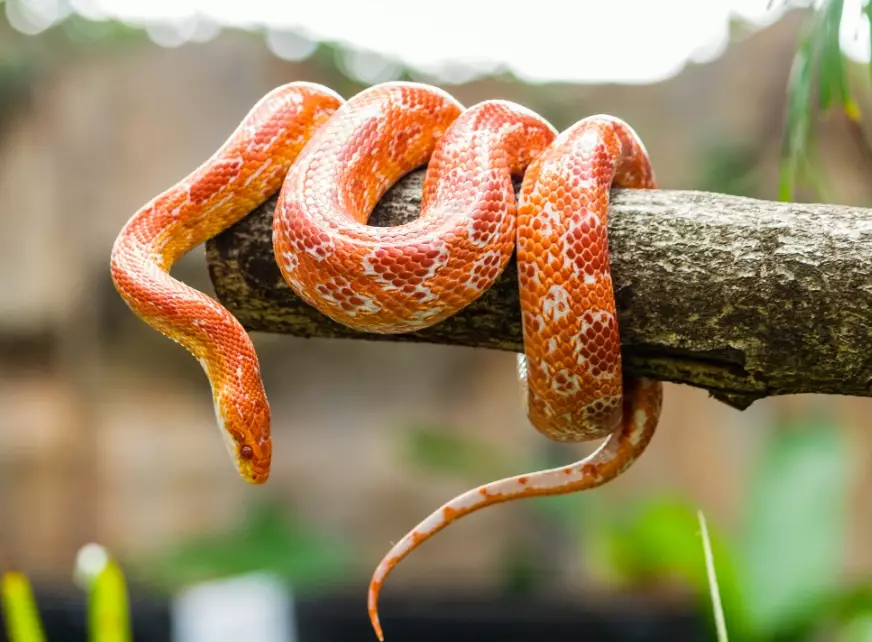
What's in this guide?
The Core Corn Snake Feeding Chart by Age and Size
Forget vague advice. This chart gives you specific, actionable guidelines. Remember, the snake's weight is the ultimate decider, not its age. A skinny yearling might need more frequent meals than a plump one. I always recommend a small digital kitchen scale—it's the best $15 you'll spend on your pet.
>| Life Stage & Snake Weight | Prey Type & Size | Feeding Frequency | Key Notes |
|---|---|---|---|
| Hatchling (8-20 grams) |
Newborn pinky mouse (1-2g) | Every 5-6 days | Critical growth phase. Don't skip meals. |
| Juvenile (20-150 grams) |
Fuzzy mouse → Small hopper mouse (3-10g) | Every 7 days | Increase prey size as the snake grows. The prey should leave a slight, but not extreme, bulge. |
| Sub-Adult (150-300 grams) |
Large hopper → Weaned mouse (10-20g) | Every 7-10 days | You can start to stretch the interval slightly. Monitor body condition. |
| Adult (300+ grams) |
Adult mouse (20-30g). Small rats for very large females. | Every 10-14 days | Overfeeding is the biggest risk here. A lean snake is a healthy snake. |
Here's a nuance most guides miss: the "slight bulge" rule. After feeding, you should see a noticeable lump in your snake's belly. If the bulge disappears within 24-36 hours, the prey size was perfect. If the bulge is massive and still there after two days, the meal was too large. If there's barely any bulge at all, you can probably size up.
Choosing the Right Prey: Frozen-Thawed is Non-Negotiable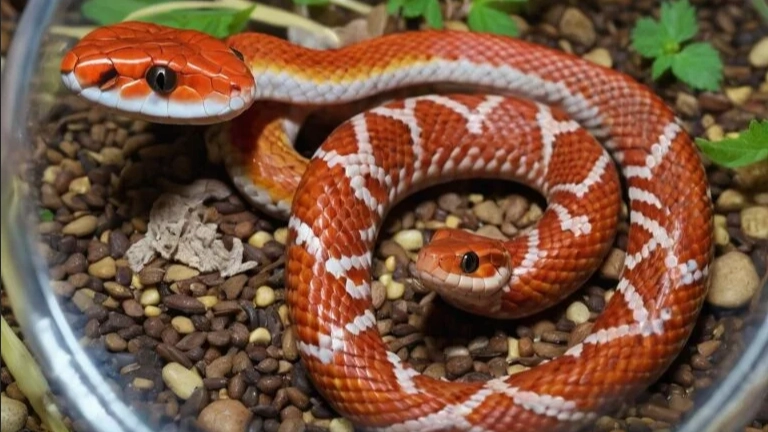
Let's be clear: feeding live rodents to a captive corn snake is irresponsible and dangerous. A live mouse or rat can inflict serious, even fatal, wounds on your snake. Frozen-thawed (F/T) prey is safer, more humane, and convenient. You can buy in bulk online from reputable suppliers like Layne Labs or Perfect Prey.
How to Properly Thaw and Offer Prey
I thaw frozen mice overnight in the refrigerator inside a sealed bag. An hour before feeding, I place the bag in warm (not hot) water to bring it to roughly mouse body temperature—about 98°F (37°C). Use a temperature gun if you have one. A warm prey item triggers a stronger feeding response.
Use long feeding tongs to dangle and wiggle the mouse. Mimicking live movement is key for picky eaters. Always feed in the enclosure. The old advice of moving to a separate "feeding tub" is outdated and stresses the snake, potentially leading to regurgitation.
Pro Tip: If your snake refuses F/T, try "braining" the prey (puncturing the skull to expose brain matter). The scent often works wonders. Also, ensure the prey is truly warm—lukewarm isn't good enough.
Common Feeding Mistakes & How to Avoid Them
Watching your snake eat is fascinating, but our enthusiasm can lead to errors. Here are the big ones I've corrected for countless new owners.
Mistake 1: Feeding by Calendar, Not by Condition. Sticking rigidly to "every 7 days" for an adult can cause obesity. An adult corn snake with a healthy, loaf-of-bread body shape might only need a meal every 12-14 days. Look at your snake, not the calendar.
Mistake 2: Oversizing Prey. The desire to see a big meal is tempting. A prey item wider than 1.5 times the snake's widest body part is too large. This can cause regurgitation or, in the long term, spinal issues from stretching.
Mistake 3: Handling Too Soon After Eating. This is a major cause of regurgitation. You must leave your snake completely alone for a minimum of 48 hours after a meal. For larger meals, wait 72 hours. I mark it on my calendar.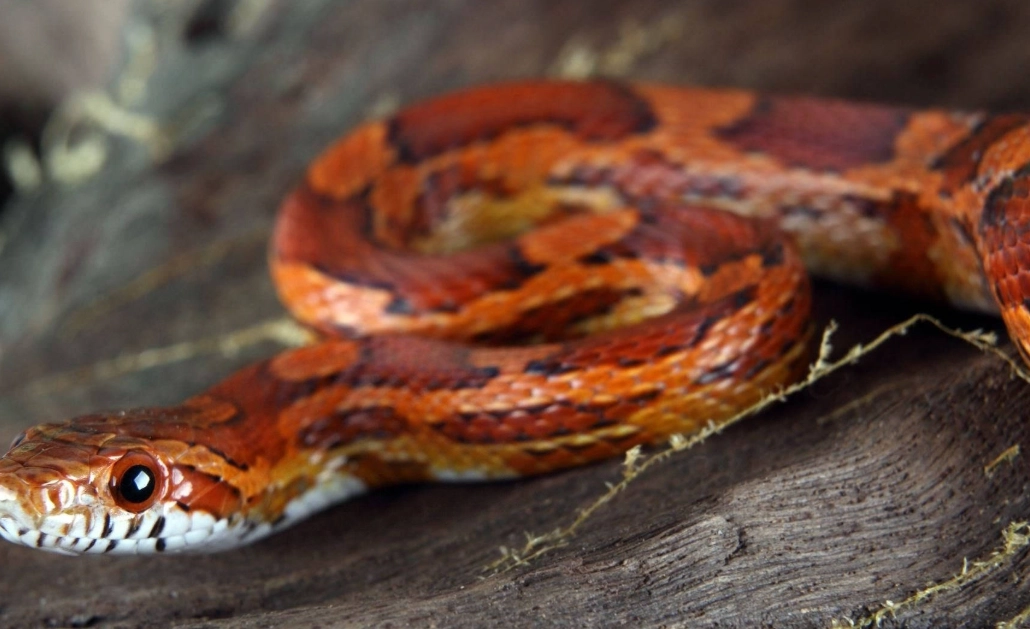
Critical Warning: Never, ever feed your corn snake when it is in the "blue" phase (eyes cloudy, skin dull) prior to shedding. Their vision is impaired, and they are stressed. A refused meal will rot and a successful one may lead to regurgitation. Wait until the shed is complete.
Troubleshooting Feeding Problems
What if your snake says "no thanks"? Don't panic immediately. A healthy adult corn snake can go weeks without food. For hatchlings, it's more urgent.
Refusal to Eat: First, check husbandry. Is the temperature on the warm side 85-88°F? Is the cool side around 75°F? Is the enclosure too open? Stress is the #1 cause of food refusal. Next, try a different prey type. Some snakes prefer rats over mice, or vice versa. Try a different color mouse (black vs. white). Offer the prey at dusk or night when they are naturally more active.
Regurgitation: This is serious. The snake has lost vital gut flora and is dehydrated. Do not re-feed for at least two weeks. After a regurgitation, offer a meal that is 50% smaller than usual next time. Ensure temperatures are spot-on, as low temps prevent digestion. If it happens twice, consult a reptile vet.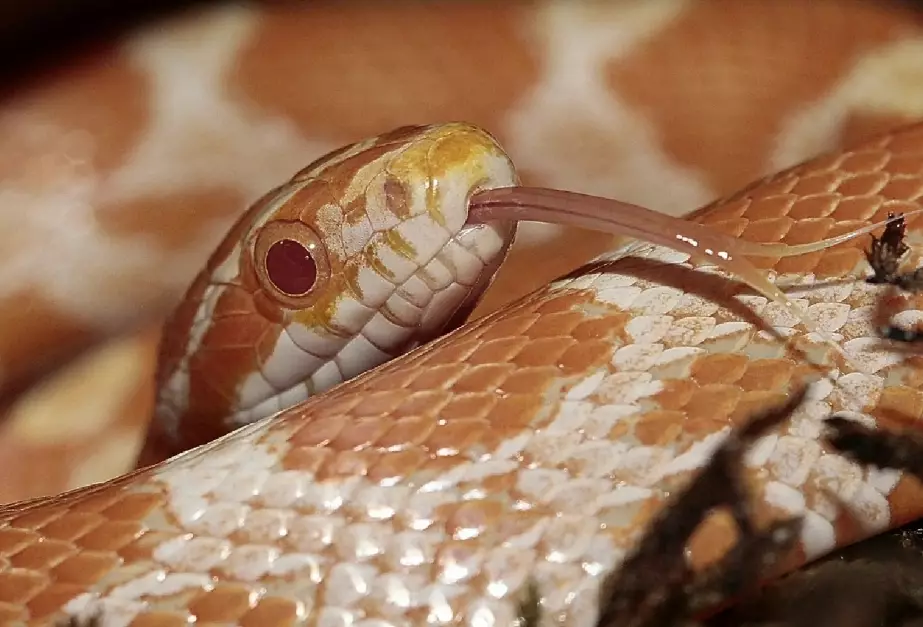
Your Corn Snake Feeding Questions Answered
My corn snake seems hungry all the time, prowling its cage. Should I feed it more often?
Corn snakes are opportunistic feeders and will often act hungry even when they are at a perfect weight. Prowling can also indicate stress, boredom, or seeking a mate. Stick to the feeding chart based on weight and body condition. Overfeeding to satisfy this behavior is a fast track to an obese, unhealthy snake with a shortened lifespan.
Can I feed my corn snake chicken pieces or other meat?
No. Corn snakes need whole prey. The bones provide calcium, the fur/feathers provide roughage, and the organs offer a complete nutritional profile. Feeding just muscle meat (like chicken breast) leads to severe calcium deficiency and metabolic bone disease. It's a slow, painful death. Stick to appropriately sized rodents.
 How do I transition a juvenile from pinkies to fuzzies without causing a refusal?
The jump can be intimidating. Try scenting the fuzzy by rubbing it with a used pinky mouse bedding. You can also offer a "double pinky" meal (two pinkies in one feeding) for a week or two to build up the snake's capacity and confidence before offering the single, larger fuzzy. This bridging technique works most of the time.
My snake strikes and constricts the mouse but then doesn't eat it. What's going on?
This is usually a temperature issue. The prey isn't warm enough to trigger the final feeding sequence. Make sure you're warming the thawed mouse in hot water, not just letting it sit at room temperature. The head and body should feel warm to your touch (test on your wrist). A snake won't eat what it thinks is a cold, dead carcass.
 Are there any supplements I need to add to my corn snake's diet?
If you are feeding high-quality, frozen-thawed rodents from a good supplier, no additional supplements are typically needed. The whole prey is nutritionally complete. Some owners dust prey with calcium powder once a month for breeding females, but for most pet snakes, it's unnecessary and can even be harmful in excess. Focus on prey variety (mice vs. an occasional quail chick for large adults) rather than powders.
Feeding your corn snake correctly is a skill that develops with observation. Start with the chart as your foundation, but always let your individual snake's body condition and behavior be your final guide. When in doubt, err on the side of slightly underfeeding rather than overfeeding. A lean, active, and curious corn snake is a sign you're getting it right. Now go enjoy watching that feeding response—it never gets old.

Join the Conversation