Your Quick Guide to Litter Box Success
- The Instinct vs. The Reality: It's Not Always Automatic
- Why Your Cat Might Say "No Thanks" to the Litter Box
- Your Action Plan: How to Train a Cat (Kitten or Adult) to Use the Litter Box
- Special Cases: Kittens, Seniors, and Strays
- Answering Your Burning Questions
- The Bottom Line: Instinct Needs a Good Manager (That's You)
So you're bringing a new feline friend home, or maybe you're dealing with a cat who's decided the laundry basket is a better toilet than the plastic box you bought. The big question hanging in the air is this: will a cat automatically use a litter box? It's the first thing every new cat owner worries about, and honestly, it's a valid concern. Nobody wants accidents on their new rug.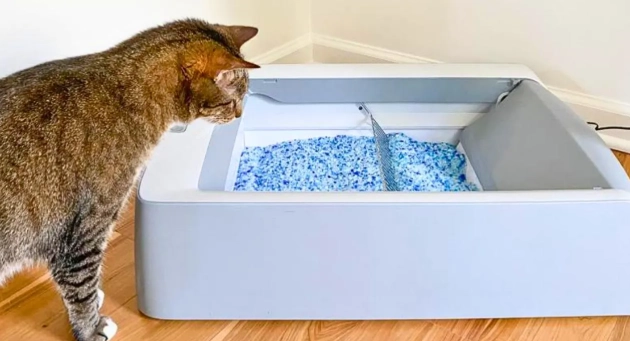
I remember when I brought my first cat, Mochi, home as a kitten. I had this naive assumption, fed by movies and vague anecdotes, that she'd just know. I plopped the litter box in the corner, showed it to her once, and hoped for the best. The first night, she used it perfectly. I felt like a genius. The second night, she used my slipper. Reality check.
The Short Answer? Most cats have a strong natural instinct to bury their waste, which gives them a huge head start. But "automatic" is a stretch. Think of it more like a powerful pre-installed software that needs the right hardware (the litter box setup) and a quick initial setup (guidance from you) to run smoothly. A cat won't automatically use a litter box if the box itself is a turn-off.
The Instinct vs. The Reality: It's Not Always Automatic
Let's break down why we even have this expectation. Cats in the wild bury their waste to hide their scent from predators and rivals. It's hardwired. This is the core reason the litter box concept works at all. A mother cat will also teach her kittens where to go. So a kitten who stayed with its mom for 12+ weeks often has a basic understanding.
But here's where the "automatically" part falls apart. Your home isn't the wild. The litter box is a specific, man-made object. The type of litter (clay, silica, pine) is a foreign substance. The location (a dark basement, a noisy laundry room) might be terrifying. The box might have a hood that feels like a cave trap. So while the desire to bury is automatic, the act of using that specific litter box is a learned behavior shaped by their environment and your guidance.
Why Your Cat Might Say "No Thanks" to the Litter Box
If a cat isn't using the litter box, it's a message. They're not being spiteful (despite how it feels). It's a problem you need to decode. Asking "will a cat automatically use a litter box" misses the point when the box itself is the problem.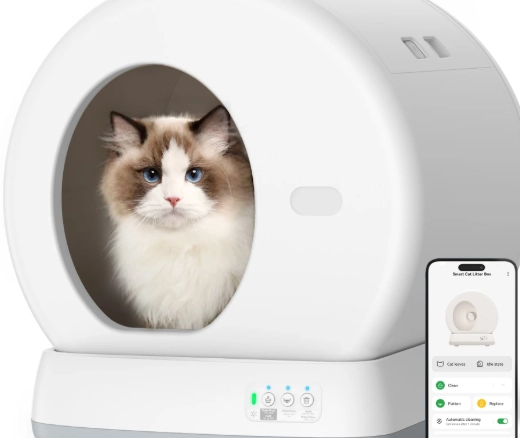
Medical Issues Come First. This is non-negotiable. A sudden change in litter box habits is often the first sign of a urinary tract infection (UTI), bladder stones, arthritis, or other pain. If your cat is straining, crying, or going outside the box, call your vet before you try anything else. Ruling out health problems is step one. Organizations like the Cornell Feline Health Center stress this as the critical first step in solving elimination issues.
Once health is cleared, it's usually about the litter box environment. Cats are fastidiously clean and surprisingly opinionated. Here’s what might be wrong:
- The Box is Dirty: Would you use a filthy toilet? Cats have a much stronger sense of smell. One or two clumps missed can be enough.
- Wrong Litter Type: Some hate the feel of crystals under their paws. Others despise dusty clay or strong perfumes. That cheap, heavily scented litter might be the culprit.
- Wrong Box Type: High sides are hard for kittens or older cats with arthritis. Hooded boxes can trap odors and make a cat feel vulnerable.
- Wrong Location: A box next to a loud washing machine, in a high-traffic hallway, or right next to their food bowl is a no-go. Privacy and peace matter.
- Not Enough Boxes: The golden rule is one box per cat, plus one extra. So two cats need three boxes. This prevents resource guarding and gives options.
- Past Trauma or Stress: A bad experience (like being ambushed by another pet while in the box) can create a lasting aversion. New people, furniture, or animals can also cause stress-related accidents.
See? The question isn't just "will a cat automatically use a litter box." It's "will my cat automatically use this litter box, in this spot, with this litter?" That's a much more complex equation.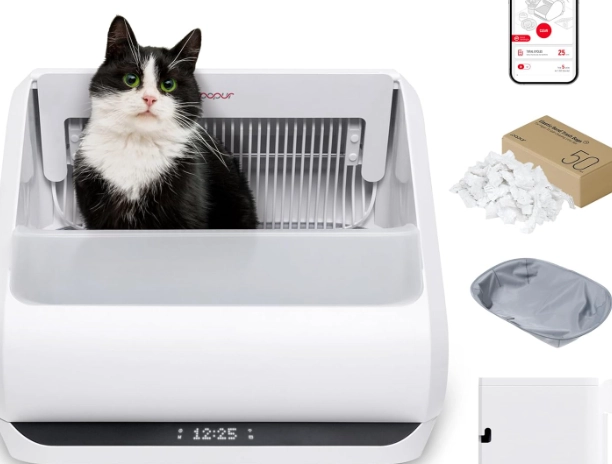
Your Action Plan: How to Train a Cat (Kitten or Adult) to Use the Litter Box
Okay, so it's not fully automatic. What do you do? You set them up for success. This works for an 8-week-old kitten or a newly adopted adult cat.
Step 1: The Initial Introduction – Don't Skip This
When you first bring them home, confine them to a small, quiet room (like a bathroom or spare bedroom) with their litter box, food, water, and bed. This reduces overwhelm. Gently place them in the litter box. Let them sniff and explore. You might even simulate digging with your fingers. Do this after they wake up, after they eat, and if you see them sniffing or crouching like they need to go.
Repetition is key here.
For kittens, their bladder control isn't great, so frequent trips are needed. Praise them softly when they use it. Never punish for accidents—it just creates fear. Clean accidents with an enzymatic cleaner to completely remove the smell, or they'll be drawn back to that spot.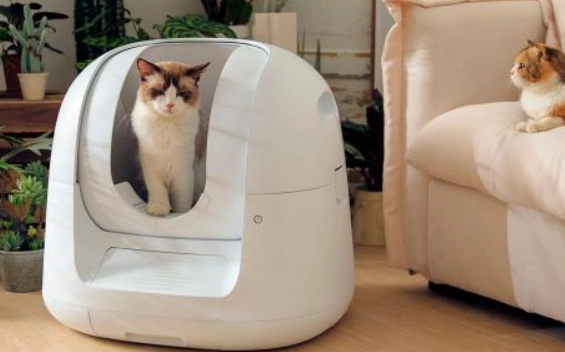
Step 2: Optimizing the Litter Box Setup
This is where you win or lose. Follow this checklist to make the box irresistible.
| Factor | What to Do | Why It Matters |
|---|---|---|
| Number of Boxes | # of cats + 1. Spread them out. | Prevents competition and gives choice. A cat won't automatically use a litter box that "belongs" to another cat. |
| Size & Type | Bigger is better. At least 1.5x the cat's length. Start with simple, large, open trays. | Cats need room to turn and dig. Hoods can trap odor and scare some cats. |
| Litter | Use unscented, clumping litter. 2-3 inches deep. Avoid liners. | Scented litters are for humans, not cats. Clumping makes cleaning easy. Liners can get caught in claws. |
| Cleanliness | Scoop at least once daily. Full wash with mild soap weekly. | A dirty box is the #1 reason for avoidance. It's non-negotiable. |
| Location | Quiet, low-traffic, easily accessible. Not near appliances or food. | Cats need to feel safe and undisturbed. A scary location will be avoided. |
Pro Tip: If you're changing litter types, do it gradually over a week. Mix 25% new with 75% old, then 50/50, and so on. A sudden switch can cause a strike, making you wonder why your cat won't automatically use the litter box anymore.
Step 3: Troubleshooting Persistent Problems
What if you've done all this and there are still accidents? Time to play detective.
First, where are the accidents? If it's always by the door, they might be stressed by an outdoor cat they see. If it's on soft surfaces (beds, clothes), it could be a texture preference or a sign of a UTI. If it's right next to the box, the box is likely dirty, wrong litter, or painful to use (think arthritis).
Try offering different litter types in separate boxes side-by-side. It's like a litter buffet. See which one they prefer. The ASPCA's guide to litter box problems is a fantastic resource for deep-diving into behavioral causes.
Special Cases: Kittens, Seniors, and Strays
Not all cats start from the same point.
Orphaned Kittens: These little ones have no mom to teach them. They truly will not automatically use a litter box. You must stimulate them to go (with a warm cloth) until about 3-4 weeks, then consistently place them in a very shallow litter tray after feeding. Patience is everything.
Senior Cats: Older cats may have used a box flawlessly for 15 years and then stop. This is almost always medical (arthritis, kidney disease, cognitive decline) or an accessibility issue. Provide low-sided boxes on every floor of the house. Pain management from your vet can work wonders.
Former Strays or Ferals: An outdoor cat has only known dirt or sand. They might not recognize clumping clay litter as a toilet substrate. Start with a large box filled with plain, sterilized topsoil or sand, and very slowly mix in unscented clumping litter over weeks. Location is also critical—place the box in a quiet, secluded spot that mimics where they'd go outside.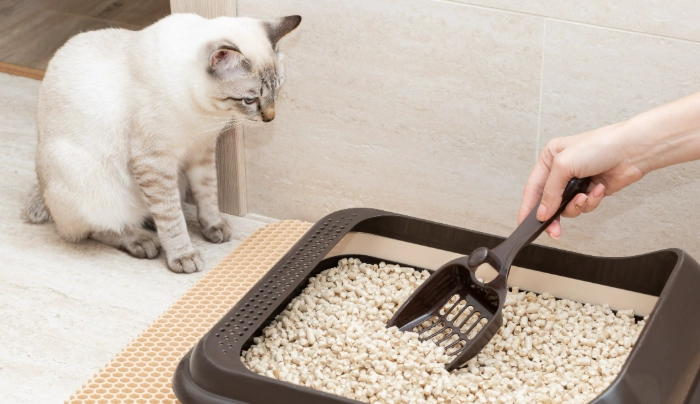
Answering Your Burning Questions
Look, the idea that a cat will automatically use a litter box sets up unrealistic expectations. It leads to frustration when the inevitable hiccup occurs. The truth is messier but more manageable.
The Bottom Line: Instinct Needs a Good Manager (That's You)
So, will a cat automatically use a litter box? The buried instinct is a powerful starting point, a gift from nature that makes cats relatively easy to house-train compared to many animals. But it's not a magic trick. It's a cooperative venture.
Your job is to be the facilitator. You provide the clean, appealing, well-placed bathroom. You do the gentle introductions. You watch for their cues and preferences. You keep it so clean that it's the best option in the house. When you do that, you work with their instinct, and success is almost guaranteed.
When you fail—and you might, I certainly have—it's a data point. The cat is communicating. The box is wrong, the location is wrong, they're sick, or they're stressed. Solving litter box issues is less about training the cat and more about listening to them and optimizing their environment. Resources from places like the International Cat Care organization reinforce this cat-centric approach.
Forget "automatic."
Aim for "obvious." Set up a litter box situation so obviously perfect that using it is the only logical choice your cat's brilliant, finicky little brain can make. That's the real secret.





Join the Conversation