So you're thinking about getting a corn snake, or maybe you just brought one home. Good choice. They're often called the "perfect beginner snake," and for the most part, that's true. But here's the thing I've learned after keeping them for over a decade: that label makes people complacent. It leads to a setup that's just "good enough" instead of "great," and that's where subtle problems start. This guide isn't about the bare minimum. It's about creating an environment where your corn snake doesn't just survive, but genuinely thrives. We'll skip the fluff and get straight to the actionable details—from picking the right tank size (most people get this wrong) to spotting the early signs of health issues everyone misses.
What's in this guide?
Setting Up the Perfect Corn Snake Enclosure
Let's start with the house. The biggest mistake I see? Using a tank that's too small, thinking a baby snake only needs a small space. It creates stress. A better approach is to start with an enclosure your snake can grow into. For a single adult corn snake, a 40-gallon breeder tank (36"x18"x16") is the absolute minimum I recommend. Larger, like a 4x2x2 foot PVC cage, is even better. PVC is fantastic because it holds heat and humidity much better than glass, which tends to leak both.
Inside that space, you're creating a temperature gradient. One end warm, one end cool. This is non-negotiable.
Heating and Lighting: The Critical Details
You have options for heat: under-tank heating pads (UTH) or overhead ceramic heat emitters (CHE) or deep heat projectors (DHP). I lean towards overhead heating for a more natural, penetrating warmth. But the real secret isn't the device—it's the thermostat. Every single heat source MUST be plugged into a reliable thermostat. Not a dimmer, a thermostat. It's the most important purchase for your snake's safety, preventing serious burns.
Lighting is simpler. Corn snakes don't require special UVB lighting to survive, but studies, including those referenced by resources like Reptiles Magazine, suggest it can benefit their overall well-being and activity levels. A low-output UVB tube (like a 5.0 or 2% strength) running on a 12-hour cycle won't hurt and might help. At the very least, provide a consistent day/night light cycle with room lighting.
Substrate, Hides, and Humidity
For substrate, avoid cedar and pine shavings—their oils are toxic. Aspen shutters are popular, cheap, and allow for burrowing. I also like a mix of topsoil and play sand for a more natural look. Provide at least two identical hides—one on the warm end, one on the cool end. They should be snug, with the snake touching three sides when curled up. A snake that feels exposed won't use its hide.
Humidity is where many slip up. Ambient humidity should be 40-50%. Stick a digital hygrometer on the cool side to monitor. During shedding, you'll need to bump it to 60-70%. Don't just mist the whole tank; it leads to wet substrate and scale rot. Instead, provide a humid hide: a small container (like a plastic food tub) with a hole cut in the lid, filled with damp (not dripping) sphagnum moss. Place it in the middle of the gradient. Your snake will use it when it needs to.
| Enclosure Item | Specific Recommendation | Why It Matters |
|---|---|---|
| Tank Size | 40-gallon breeder minimum for adult | Provides essential space for exercise and thermal gradient. |
| Heat Source | Overhead Ceramic Emitter or Deep Heat Projector | Provides more natural, radiant heat than a pad alone. |
| Must-Have Gear | Digital Thermostat + Infrared Temp Gun | Prevents burns and lets you measure surface temps accurately. |
| Cool Side Hide | Identical to Warm Side Hide | Prevents the snake from choosing security over thermoregulation. |
| Water Bowl | Heavy, ceramic, large enough for soaking | Provides hydration and a humidity microclimate; prevents tipping. |
Corn Snake Feeding Schedule and Diet
Feeding is straightforward, but the devil's in the details. The rule of thumb: feed a prey item that is about 1 to 1.5 times the widest part of your snake's body. A mouse that's slightly too small is always safer than one that's too large, which can cause regurgitation.
Here's a realistic schedule based on age and size:
- Hatchlings (under 1 year): One pinky or fuzzy mouse every 5-7 days.
- Juveniles (1-2 years): One hopper or small adult mouse every 7-10 days.
- Adults (2+ years): One adult mouse every 10-14 days. A large adult might take a jumbo mouse or even a small rat pup, but mice are usually sufficient.
Always feed pre-killed frozen-thawed (F/T) rodents. It's safer and more convenient. Thaw the mouse in the fridge overnight, then warm it up in a plastic bag placed in warm water. Never use a microwave. Use feeding tongs to present it, wiggling it slightly to trigger a feeding response.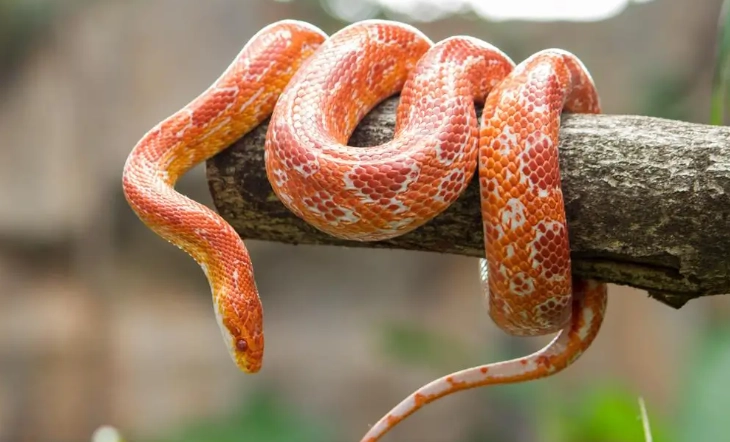
What if your snake refuses to eat? Don't panic immediately. Double-check your temperatures and humidity. Ensure the prey is warm enough (about 100°F). For picky hatchlings, try "braining" the pinky (puncturing the skull) to release more scent. Sometimes, skipping a week and trying again does the trick. Consistent refusal over a month with a weight loss in an adult warrants a vet visit.
How to Handle Your Corn Snake Safely?
Wait at least a week after bringing your snake home before attempting to handle it. Let it settle in and take its first meal successfully. When you do start, keep sessions short—5 to 10 minutes, a couple of times a week. Never handle for 48 hours after feeding or during shed (when their eyes look milky blue).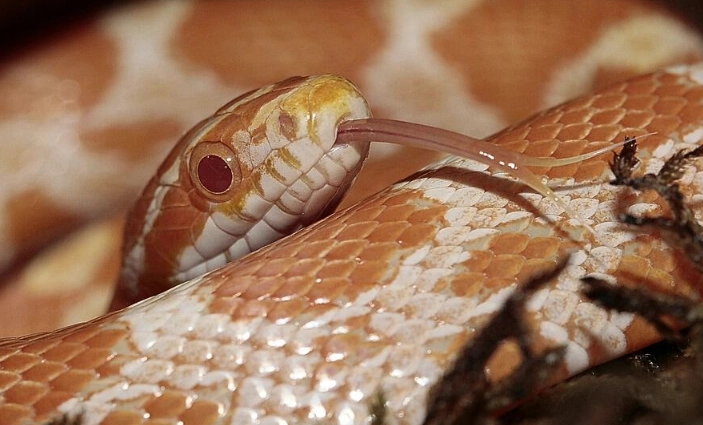
Approach calmly from the side, not from above like a predator. Slide your hands under its midsection, supporting its body evenly. Let it move through your hands. Avoid gripping or restraining it. If it seems stressed (hissing, rapid tail vibration, striking), put it back gently and try another day. The goal is building trust through brief, positive interactions.
How Do I Know if My Corn Snake is Healthy?
Prevention is key. A healthy corn snake is alert, has clear, bright eyes (except when in blue for shed), a rounded body shape (not bony or obese), and sheds its skin in one complete piece. It should breathe quietly with its mouth closed.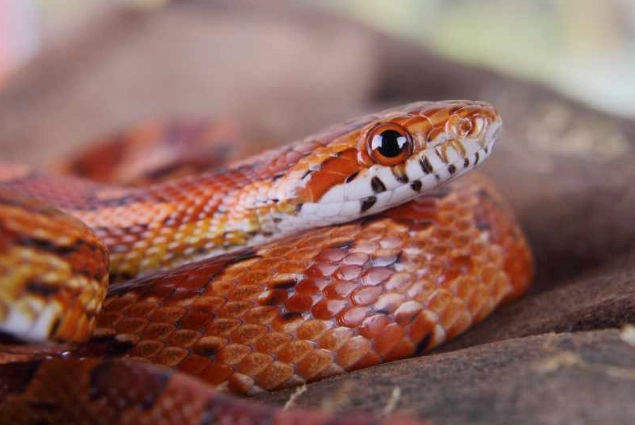
Watch for these red flags:
- Mites: Tiny black or red dots moving on the snake or in the water bowl. Isolate and treat the enclosure aggressively.
- Respiratory Infection (RI): Wheezing, clicking sounds, mucus bubbles in the mouth or nostrils, holding its head up. Often caused by low temperatures or high humidity. Requires a reptile vet for antibiotics.
- Stuck Shed: Patches of old skin, especially around the eyes (retained eye caps) or tail tip. Address low humidity and provide a humid hide.
- Scale Rot: Blister-like lesions or red, inflamed scales on the belly. Caused by prolonged contact with wet, dirty substrate.
Find a reptile-savvy vet before you have an emergency. The Association of Reptilian and Amphibian Veterinarians (ARAV) website has a locator tool.
Your Corn Snake Care Questions Answered
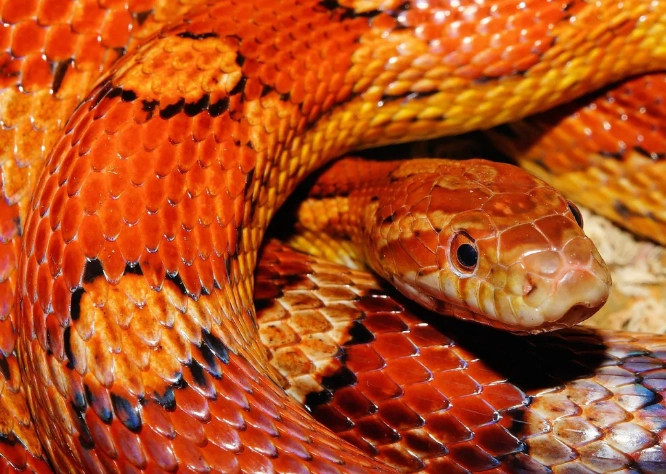
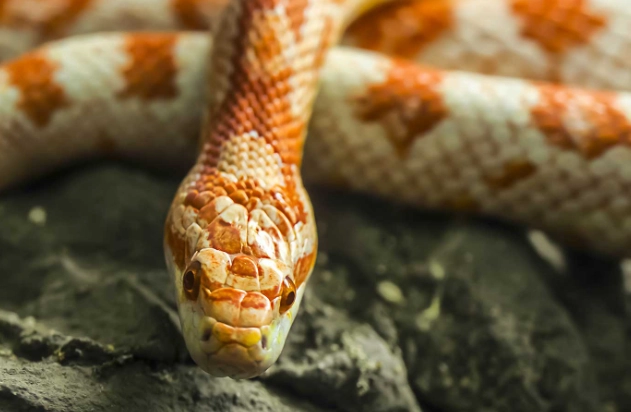
Corn snake care, when done right, is incredibly rewarding. It's less about complex gadgets and more about consistency—maintaining those temperatures, offering the right-sized meal on schedule, and providing security. Pay attention to your snake. It will tell you, through its behavior and appearance, if something's off. Start with a great setup, stick to the fundamentals, and you'll have a fascinating, low-maintenance pet for well over 15 years.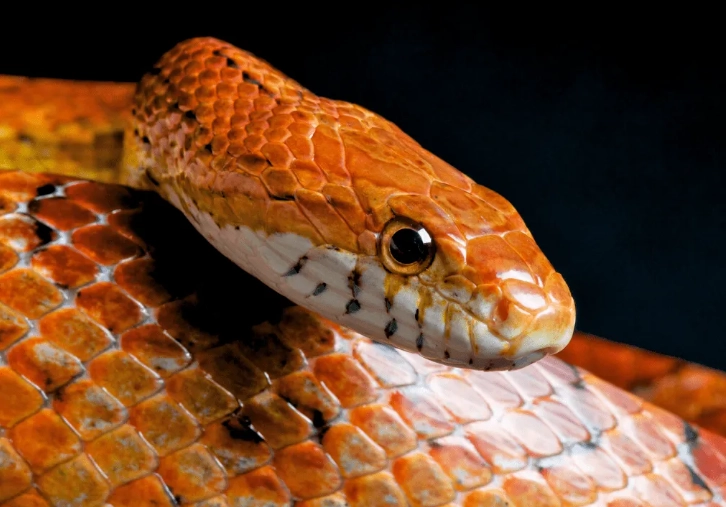

Join the Conversation