Your dog can't tell you where it hurts. That's the single most frustrating part of being a pet owner. You're left playing detective, piecing together clues from their behavior, appetite, and those subtle changes in their eyes. Spotting the early signs of canine health problems isn't about memorizing a textbook—it's about knowing your dog's normal and recognizing the deviations. This guide cuts through the noise. We'll move beyond vague worries and focus on the specific, actionable symptoms that signal it's time to pay closer attention or pick up the phone.
What's Inside This Guide
The Big Five: Most Common Symptom Categories
Think of symptoms in groups. A single change might be a bad day; a combination from multiple categories often tells a clearer story.
Appetite and Thirst Changes
This is your first and most reliable dashboard light. A decreased appetite is obvious, but increased thirst is a massive red flag that owners often miss. If you're filling the water bowl twice as often, note it. It's a classic sign for conditions like kidney disease or diabetes. Conversely, a dog that's hungry but struggles to eat or chew might have dental pain—a problem we often underestimate until it's severe.
Energy and Behavior Shifts
Lethargy isn't just sleeping more. It's a lack of interest in walks, toys, or greeting you at the door. The opposite—restlessness, pacing, or inability to settle—can be just as significant, pointing to pain or anxiety. Watch for cognitive changes in older dogs: staring at walls, getting "stuck" in corners, or disrupted sleep cycles.
Physical Appearance and Output
Get hands-on. Run your hands over their body weekly. Lumps, bumps, or areas they flinch from are clues. Check their coat for dullness or bald patches. Don't be shy about their output. Diarrhea or constipation for more than a day warrants attention. Blood in urine or stool is an automatic vet call. Vomiting once may be nothing; vomiting repeatedly or vomiting anything that looks like coffee grounds is serious.
Breathing and Coughing
A persistent cough, especially a dry, hacking one, is not just "kennel cough." It can indicate heart disease, especially in smaller breeds. Noisy breathing, panting at rest, or blue-tinged gums are emergencies.
Mobility and Stance
Stiffness after rest, reluctance to jump into the car, or a subtle change in gait (like a head bob when walking) are early signs of arthritis or joint pain. Holding a paw up, shifting weight constantly, or a hunched back are clearer signals of discomfort.
A note from experience: The biggest mistake I see is owners dismissing subtle changes as "just aging." While slowing down is normal, suffering is not. A 12-year-old dog being less playful is age. A 12-year-old dog crying when getting up is pain. Learn the difference.
The Red Flag Checklist: Symptoms That Need a Vet Now
Don't second-guess these. If you see any item on this list, contact your veterinarian or an emergency animal hospital immediately. Time is often critical.
| Symptom | What It Might Mean | Action |
|---|---|---|
| Collapse or inability to stand | Shock, internal bleeding, severe neurological issue. | Emergency vet immediately. Keep dog warm and still. |
| Difficulty breathing, choking, blue gums/tongue | Airway obstruction, heart failure, poisoning. | Extreme emergency. Go to vet NOW. |
| Seizures | Epilepsy, toxin exposure, brain tumor. | Clear area, time the seizure, call vet as soon as it ends. |
| Bloated, distended, hard abdomen (especially in large breeds) | Gastric Dilatation-Volvulus (GDV or "bloat"). | Life-threatening surgical emergency. Do not wait. |
| Sudden paralysis in hind legs (especially in long-backed dogs) | Intervertebral disc disease (IVDD). | Requires immediate veterinary assessment for possible surgery. |
| Excessive vomiting/diarrhea (especially with blood or lethargy) | Parvovirus, obstruction, poisoning, severe infection. | Risk of rapid dehydration. Call vet for next steps. |
| Suspected trauma (hit by car, fall, fight) | Internal injuries, fractures. | Even if the dog seems okay, internal bleeding can be hidden. Vet visit. |
| Straining to urinate with little/no output (more common in males) | Urinary blockage. | Can be fatal within days. Emergency vet. |
When in doubt, call. Most vet clinics would rather you call with a false alarm than wait until it's too late. According to the American Veterinary Medical Association, early intervention drastically improves outcomes for almost every serious canine condition.
How to Perform a Basic At-Home Health Check on Your Dog
Do this weekly. Turn it into a gentle, treat-filled ritual. You're building a baseline of "normal" for your dog.
Start at the nose. It doesn't need to be cold and wet to be healthy. But it should be free of thick, colored discharge. Check the eyes for redness, cloudiness, or excessive goop. Look at the gums—they should be pink and moist, not pale, white, blue, or bright red. Press a finger gently on the gum; the color should return within two seconds (this tests capillary refill time).
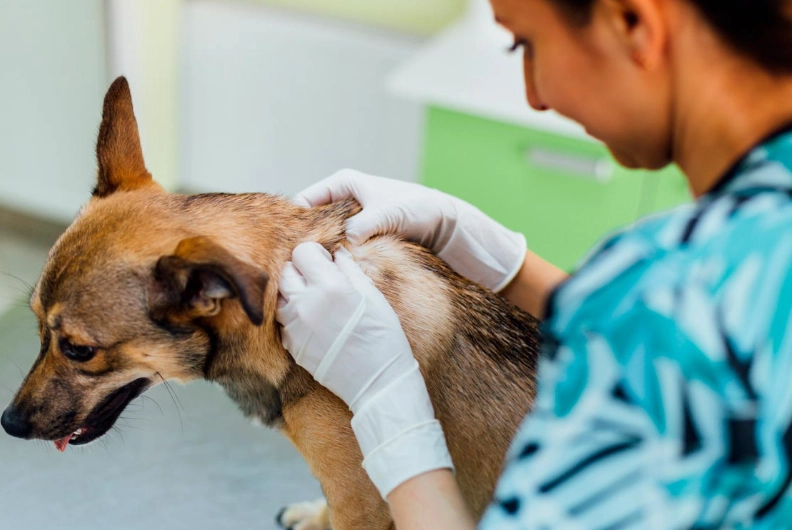
Move to the body. With flat hands, massage from head to tail, applying light pressure. Feel for any lumps, bumps, swellings, or hot spots. Pay attention to their reaction—do they tense up or pull away when you touch a specific area? Check between toes for cuts or embedded objects.
Lift the ears. They should smell mild, not yeasty or foul. There should be minimal waxy debris, and the skin inside should be light pink, not red or inflamed.
Monitor weight. Sudden weight loss or gain is a major symptom. Use a baby scale or weigh yourself holding the dog, then subtract your own weight. A change of more than 10% of their body weight without a diet change is a vet visit.
This five-minute checkup can catch problems like early mast cell tumors, ear infections, dental disease, and dehydration long before they become critical.
What Are the Most Overlooked Symptoms of Dog Illness?
These are the subtle ones that fly under the radar. They're easy to attribute to "just a phase" or "getting older."
- Changes in sleep patterns: Sleeping much more, or waking up confused and pacing at night.
- Altered social behavior: A normally clingy dog hiding, or a independent dog suddenly becoming velcro. Irritability or snapping can indicate pain.
- "Accidents" in a house-trained dog: This isn't always behavioral. It can signal a urinary tract infection, incontinence, or cognitive decline.
- Excessive licking of one area (especially a paw or joint): This is a classic sign of localized pain or allergy.
- Subtle changes in bark or vocalization: A hoarse bark or new, unexplained whining.
- Pacing or inability to find a comfortable position to lie down: A huge indicator of abdominal pain or overall discomfort.
I remember a case with a Labrador who just started sighing more. His owner thought he was being dramatic. Turns out, the sighs were a sign of labored breathing from early heart failure. We caught it in time because she mentioned that tiny, seemingly insignificant detail during a routine checkup. Trust your gut. If something feels "off," it probably is.





Join the Conversation