Your cat's dental health is more than just fresh breath—it's a window into their overall well-being. I've seen too many cats suffer silently from gum disease because owners missed the early signs. In this guide, I'll walk you through practical, vet-approved steps to keep your cat's teeth clean and healthy, based on years of trial and error with my own feline friends.
Jump to What Matters Most
Why Dental Health is Non-Negotiable for Cats
Over 70% of cats develop dental disease by age three, according to the American Veterinary Medical Association. It starts with plaque buildup, which hardens into tartar, leading to gingivitis and eventually periodontal disease. Left unchecked, this can cause pain, tooth loss, and even systemic issues like heart or kidney problems. I once adopted a senior cat with severe dental neglect—she wouldn't eat dry food and hid constantly. After a vet cleaning, her personality completely changed. That's why proactive care is crucial.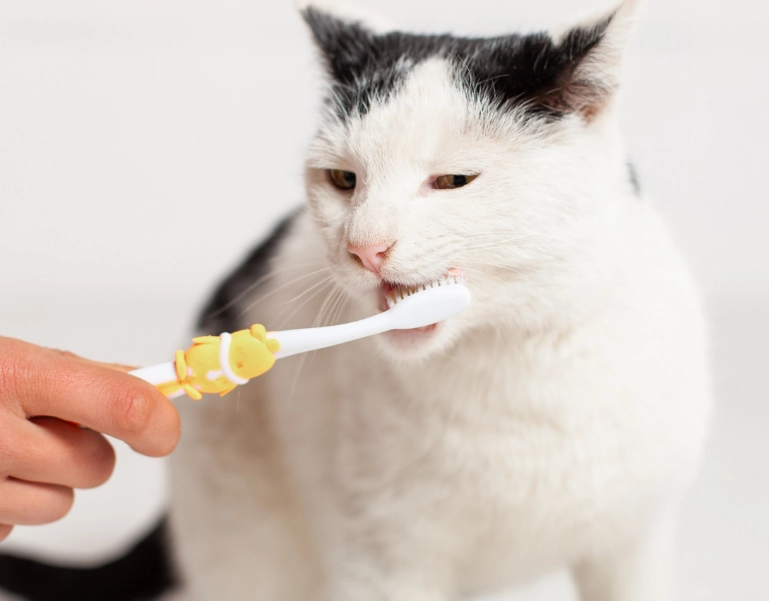
Key takeaway: Regular dental checkups can prevent costly vet bills down the line. Aim for at least an annual exam, especially if your cat is over five years old.
How to Brush Your Cat's Teeth Without a Fight
Brushing is the gold standard for cat dental health, but most owners give up too soon. Here's a step-by-step method that actually works, based on my experience with three stubborn cats.
Gather the Right Tools First
You'll need a cat-specific toothbrush (small and soft) or a finger brush, plus veterinary toothpaste—never use human toothpaste, as it contains fluoride toxic to cats. Brands like Virbac or CET are popular. Start by letting your cat sniff the tools to reduce fear.
The Gradual Introduction Process
Day 1-3: Just rub your finger along your cat's gums for 30 seconds, followed by a treat. Day 4-7: Add a dab of toothpaste to your finger—most cats love the poultry or seafood flavors. Day 8 onward: Introduce the brush, focusing on the outer surfaces of the teeth. Aim for 2-3 times a week; daily is ideal but not always realistic. If your cat resists, try wrapping them in a towel or brushing after a meal when they're relaxed.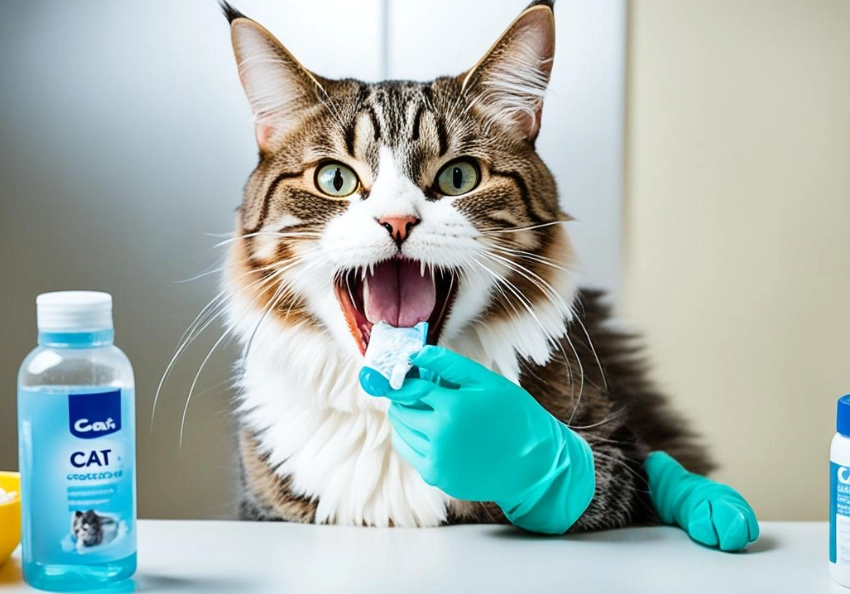
I made the mistake of rushing this with my first cat, and she'd bolt under the couch. Patience is key—it took a month for her to tolerate it.
The Best Diet to Support Cat Dental Health
Diet plays a huge role, but there's a lot of misinformation. Many think dry kibble cleans teeth mechanically, but studies from the Cornell Feline Health Center show it's minimal. Here's what works better.
| Diet Type | Pros for Dental Health | Cons to Watch | Recommended Products |
|---|---|---|---|
| Dental-specific kibble | Larger pieces encourage chewing; some have enzymes to reduce plaque | Not a substitute for brushing; may be high in carbs | Hill's Prescription Diet t/d, Royal Canin Dental |
| Raw or whole prey diets | Natural abrasion from bones and cartilage | Risk of bacterial contamination; not vet-approved for all cats | Commercial raw diets with dental benefits |
| Wet food with additives | Hydrates gums; some include dental care supplements | Less mechanical cleaning; can stick to teeth | Purina Pro Plan Dental Crunch |
In my view, a mix of dental kibble and wet food works best—supplement with dental treats like Greenies. Avoid free-feeding, as constant snacking increases plaque buildup.
Spotting and Solving Common Cat Dental Issues
Cats are masters at hiding pain, so you need to know the subtle signs. Here are the top problems I've encountered in my years as a cat owner.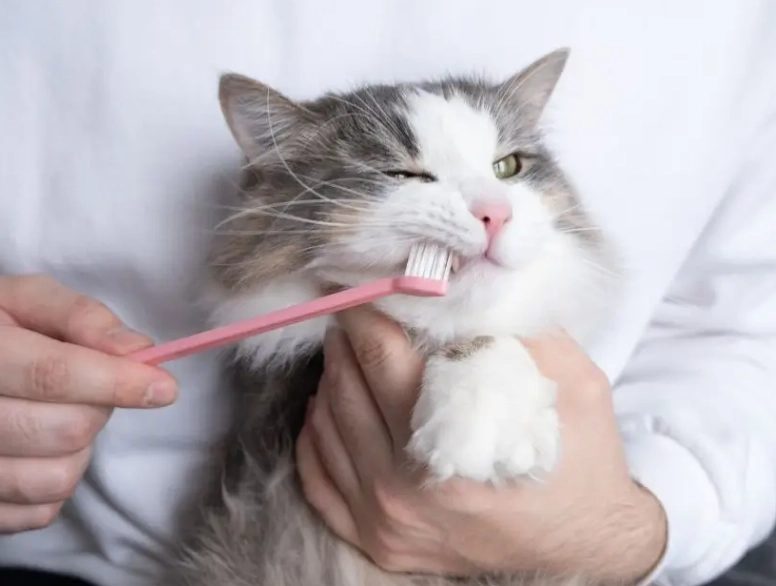
Gingivitis: Red, swollen gums—often the first stage. You might notice blood on toys or food bowls. Solution: Increase brushing frequency and consider a vet-prescribed antiseptic gel.
Tooth resorption: A painful condition where teeth break down internally. Signs include drooling or favoring one side when eating. It's underdiagnosed; many vets miss it without X-rays. Treatment usually involves extraction.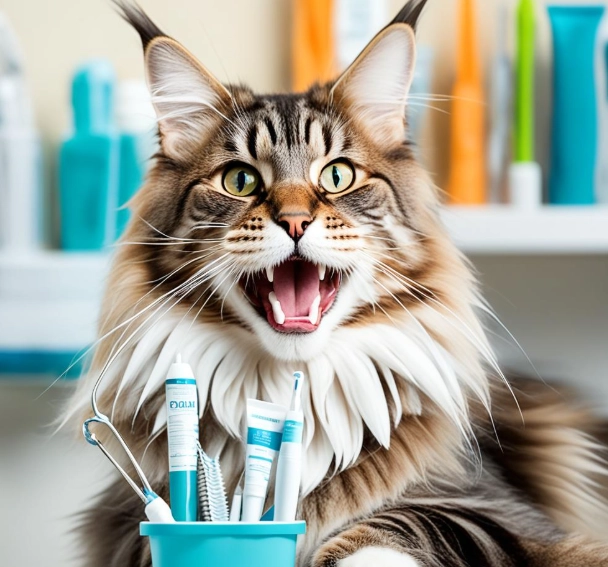
Periodontal disease: Advanced tartar leads to loose teeth and bad breath. My cat had this—her breath smelled like rotten fish. A professional cleaning under anesthesia was necessary, costing around $300-$700.
Regular home checks: Lift your cat's lips monthly. Look for yellow-brown tartar, red gums, or broken teeth. If you see anything off, schedule a vet visit pronto.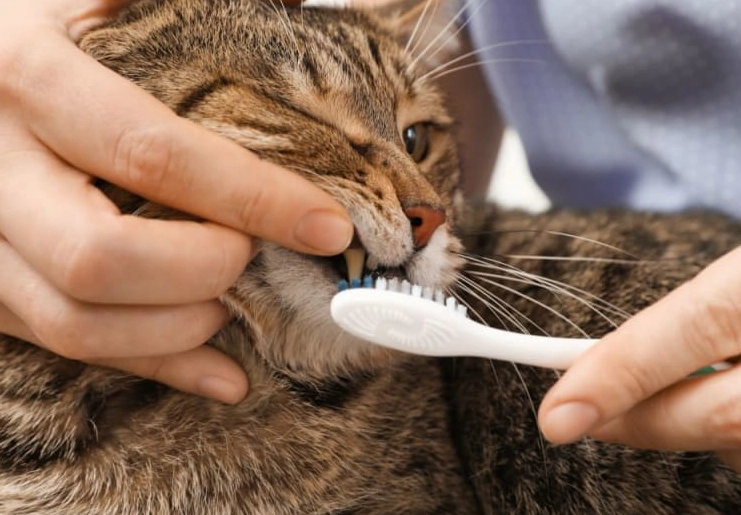
Your Top Cat Dental Health Questions, Answered
Wrapping up, cat dental health isn't optional—it's a commitment that pays off in fewer vet visits and a happier pet. Start small, be consistent, and don't hesitate to consult your vet for personalized advice. Your cat's smile is worth it.




Join the Conversation