In This Guide
- Before You Start: Setting the Stage for Success
- The Core Four: Essential Areas of Your Puppy Training Guide
- Basic Obedience: The Fun Part of Your Puppy Training Guide
- Navigating Common Puppy Problems
- Your Puppy's Training Timeline: What to Expect
- Answers to Your Burning Questions
- Final Thoughts: The Heart of This Puppy Training Guide
Let's be real, it's messy. It's exhausting. It's also one of the most rewarding things you'll ever do. Bringing home a puppy is like signing up for a crash course in patience, but the payoff is a loyal, well-behaved friend for life. I remember when I brought my first puppy, Max, home. I was armed with a bag of kibble and a whole lot of love, but zero clue about where to actually start. The internet was a mess of conflicting advice. That's why I've put together this comprehensive puppy training guide – the one I wish I had.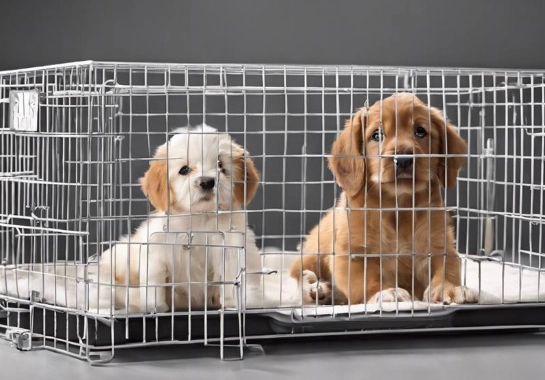
This isn't about rigid rules or military discipline. It's about building a relationship. A good puppy training guide should feel like a roadmap, not a rulebook. We'll walk through everything, from those first chaotic days to mastering basic commands and navigating the dreaded teenage phase. Forget the fluff and generic advice. We're getting into the nitty-gritty.
Before You Start: Setting the Stage for Success
Jumping straight into "sit" and "stay" is tempting, but the foundation matters more. Your home and your mindset need to be ready. Puppies explore the world with their mouths and have bladders the size of peas. Setting up for success from day one prevents a lot of headaches later.
First, puppy-proof your home like you would for a toddler. Electrical cords, toxic plants (like lilies or sago palms), and small objects are all hazards. Get the essentials: a crate (more on that later), high-value training treats (tiny, soft, and smelly), a variety of chew toys, a leash, a collar or harness, and enzymatic cleaner for accidents. The cleaner is non-negotiable – regular cleaners don't remove the scent markers that tell your pup "bathroom here." The American Kennel Club has a great room-by-room checklist that's worth a look.
Your Training Toolkit: What You Really Need
You don't need a garage full of gear. Honestly, some of the fanciest gadgets are distractions. Here’s what actually works:
- Treats, Treats, Treats: Not just any treats. For training new skills, you need the "good stuff" – boiled chicken, cheese bits, commercial training treats. Kibble is for meals; high-value rewards are for learning.
- A Properly Sized Crate: It should be big enough for your pup to stand, turn around, and lie down, but not so big they can use one end as a bathroom. Many come with dividers for growing puppies.
- A Standard Leash (6-foot): Retractable leashes are terrible for training. They teach constant tension and offer zero control.
- A Comfortable Harness: For walks, a front-clip harness can be a lifesaver for pullers, saving their trachea and your shoulder.
- Patience and Realistic Expectations: This is the most important tool. Your puppy is a baby. They will have accidents. They will bite. They will forget what "come" means the moment a squirrel appears.
The Core Four: Essential Areas of Your Puppy Training Guide
Every solid puppy training guide must tackle these four pillars. Master these, and you've won 90% of the battle.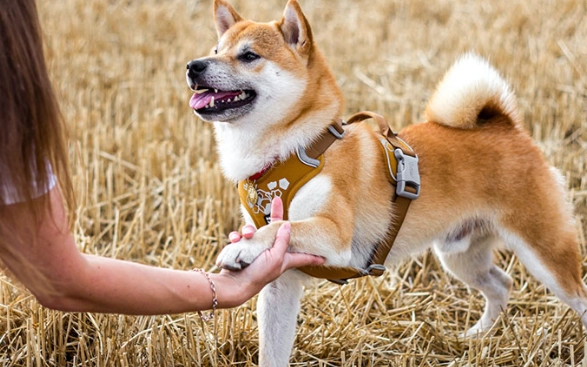
1. Potty Training: The Number One Priority
This is the big one. The key is management and prevention, not punishment. Never, ever rub your puppy's nose in an accident. It doesn't work and just creates fear. Here's the simple, boring, effective schedule:
- First thing in the morning.
- Immediately after every nap.
- Within 20 minutes of every meal.
- After every play session.
- Last thing at night.
That's a lot of trips outside. For a young pup (8-10 weeks), that could be every 30-60 minutes when they're awake. It's brutal, but it's temporary. When they go in the right spot, throw a party! Treats, praise, the whole deal. If you catch them in the act inside, interrupt with a gentle "oops!" or clap, then immediately rush them outside to finish. Clean indoor accidents thoroughly with an enzymatic cleaner.
2. Crate Training: It's Not a Cage, It's a Bedroom
I know, some people hate the idea. But done right, a crate becomes your puppy's safe den. It aids potty training (dogs hate to soil their sleeping area), prevents destructive chewing when unsupervised, and gives them a place to relax. The biggest mistake is using it as punishment. Make it awesome. Feed meals in it. Toss treats inside. Let them discover it on their own. Start with short durations while you're home before leaving them crated alone.
3. Socialization: More Than Just Meeting Other Dogs
This is the most critical period in your puppy's life (roughly 3 to 16 weeks). Socialization isn't about dog parks; it's about positive exposure to the world. Think surfaces (grass, tile, gravel), sounds (vacuum, traffic, kids yelling), people (men with hats, children, people using canes), and experiences (car rides, vet visits, gentle handling of paws and mouth). The goal is to build confidence, not overwhelm. Let your puppy observe from a distance at first. Pair new experiences with treats. The American Veterinary Society of Animal Behavior stresses the importance of this window before vaccinations are fully complete, recommending safe ways to socialize (like puppy classes).
4. Bite Inhibition: Teaching a Soft Mouth
Puppies bite. It's how they play and explore. Your job isn't to stop all mouthing instantly, but to teach them to use a soft mouth. When those needle teeth clamp down on your hand, let out a high-pitched "Yelp!" (like a littermate would) and immediately stop play. Turn away for 30 seconds. This teaches that biting makes the fun end. Redirect hard bites onto a chew toy. Consistency from every family member is key. This phase passes, but the lesson in gentle jaws lasts a lifetime.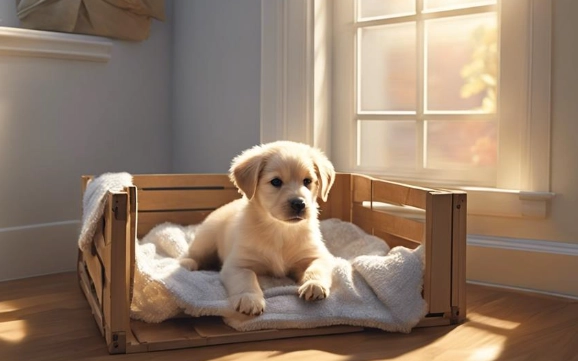
Basic Obedience: The Fun Part of Your Puppy Training Guide
Now for the commands that make life easier. Keep sessions short (5 minutes, max), fun, and end on a success. Use those high-value treats!
| Command | How to Teach It | Common Mistake | Real-World Use |
|---|---|---|---|
| Sit | Hold a treat at your pup's nose, then slowly move it up and back over their head. Their butt will naturally go down. Say "sit" as it does, then treat. | Repeating the word "sit, sit, sit" without the action. Say it once, then lure. | Before meals, before going outside, to calm excitement when guests arrive. |
| Down | From a 'sit,' lure a treat from their nose straight down to the floor between their paws, then slowly out along the ground. Mark and reward when their elbows touch. | Pushing on their shoulders. This can cause resistance. Let the lure do the work. | A great settle command for restaurants, vet waiting rooms, or when you need them out from underfoot. |
| Come (Recall) | Start indoors with no distractions. Say "come!" in a happy voice, take a few steps back, and reward lavishly when they move toward you. Never call them for something negative (like a bath). | Only calling for negative things or scolding them when they finally come. Make coming to you the best thing ever. | Safety first. Getting them back off-leash, away from danger, or just checking in. |
| Leave It | Place a treat in your closed fist. Let your puppy sniff and paw. The moment they stop and pull away, say "leave it" and reward from your OTHER hand with a better treat. | Using the same hand for the "leave it" item and the reward. They need to learn disengagement. | Preventing them from picking up garbage, approaching unsafe items, or bothering the cat. |
See? It's not magic. It's just clear communication. This puppy training guide focuses on these basics because they're the building blocks for everything else.
Navigating Common Puppy Problems
Even with the best puppy training guide, you'll hit snags. Here's how to troubleshoot.
Chewing Everything in Sight
Puppies teethe until about 6 months. Provide a variety of approved chew toys (frozen washcloths, rubber Kongs stuffed with food, long-lasting chews like yak milk). Supervise closely. If they chew the sofa leg, calmly redirect to a toy and praise heavily for chewing *that*. Management is key – if you can't watch them, they should be in a puppy-proofed area or crate.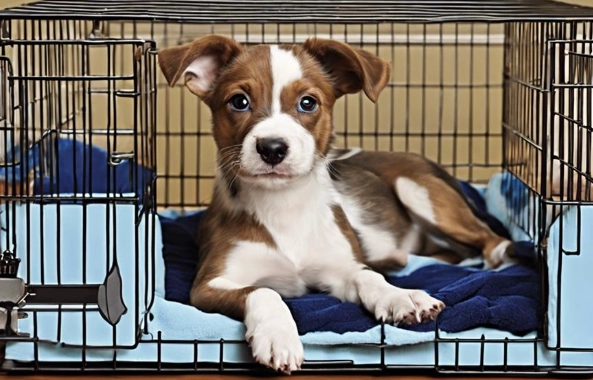
Jumping Up
They jump for attention. The solution is to make jumping unrewarding. As they jump, turn your body sideways, cross your arms, and look away. No touch, no talk, no eye contact. The second all four paws are on the floor, that's when you reward with attention and treats. Teach "sit" as an alternative greeting behavior. It takes everyone in the house being on the same page.
Leash Pulling
Don't walk into the tension. The second the leash goes tight, stop walking. Be a tree. Wait for your pup to loosen the leash (even if it's just a glance back at you), then mark and reward, and continue. It makes for a painfully slow walk at first, but they learn that pulling gets them nowhere, while walking politely gets them forward motion and treats. A front-clip harness is a huge mechanical help here.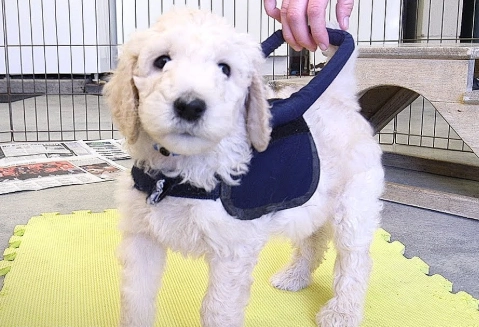
Your Puppy's Training Timeline: What to Expect
It helps to have a rough map of the journey. This isn't set in stone—every dog is different—but it sets realistic expectations.
8-12 Weeks: Focus on survival! Potty training foundation, introduction to the crate, handling, and starting name recognition. Socialization is the top priority. Begin very short, fun sessions on "sit" and "come." This puppy training guide stresses management over perfection here.
3-6 Months: The prime learning window. Expand obedience commands. Work on leash skills in low-distraction areas. Bite inhibition should be improving. You can start expecting more reliability with potty training if you've been consistent.
6-12 Months: Welcome to adolescence. It's like they forget everything. Suddenly, the perfect pup ignores you. This is normal! It's not a failure of your training; it's hormones and independence. Double down on the basics, use higher-value rewards, and keep training sessions engaging. Patience is your best friend.
12+ Months: The foundation you've built starts to solidify. You can refine commands, add distance and duration, and start more advanced activities if you wish (like agility or scent work).
Answers to Your Burning Questions
Final Thoughts: The Heart of This Puppy Training Guide
Look, some days will be frustrating. You'll step in a puddle at 2 AM or find a beloved shoe in pieces. That's part of the deal. But the goal of this entire puppy training guide isn't to create a robot. It's to build a shared language with a living creature who wants to understand you.
Focus on the connection. Celebrate the small wins. That first time they voluntarily sit when you grab the leash. The first accident-free day. The moment they choose to bring a toy to you instead of shredding the rug.
The methods here—positive reinforcement, patience, consistency—they build trust. A puppy trained with fear or punishment may comply, but one trained with guidance and kindness becomes a confident partner. It's more work upfront, but the bond it creates is unshakable.
So take a deep breath. Grab some treats. You've got this. Refer back to this guide when you hit a wall, and remember that every puppy owner has been right where you are. The journey is the whole point.
Join the Conversation