Let's cut to the chase. The single biggest mistake new snake owners make is overfeeding, thinking a chubby snake is a happy snake. It's not. Obesity in reptiles is a silent killer, leading to fatty liver disease and a shortened lifespan. The correct answer to "how much should I feed my snake?" isn't a universal weight or count—it's a combination of prey size, feeding frequency, and, most importantly, your individual snake's body condition. After keeping various species for over a decade, I've seen the consequences of both under and overfeeding. This guide will give you the clear, actionable rules, but will also teach you how to see what your snake is telling you, which is far more valuable than any rigid schedule.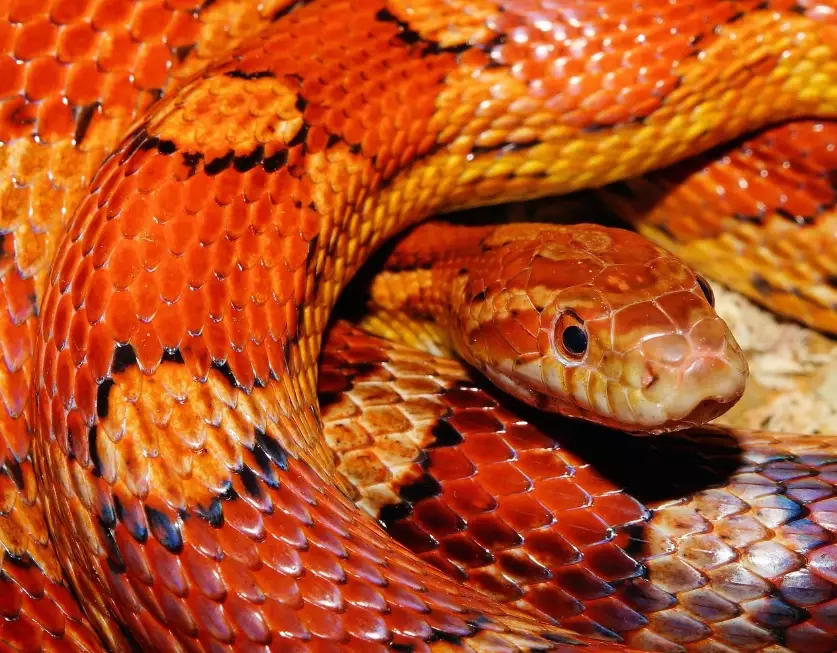
What's Inside This Guide
- The Golden Rule: Getting Prey Size Right
- How Often to Feed: A Schedule by Age & Species
- Species-Specific Feeding Guide (Corn Snake, Ball Python, Boa & More)
- Is My Snake Hungry? Signs You're Feeding Correctly (or Not)
- Top 3 Feeding Mistakes Even Experienced Keepers Make
- Your Snake Feeding Questions, Answered
The Golden Rule: Getting Prey Size Right
Forget grams and ounces for a second. The most reliable, visual method is this: the widest part of the prey item (frozen-thawed mouse or rat) should be roughly 1 to 1.5 times the widest part of your snake's body. Not the head, not the neck—the midsection.
Why this range? A meal at 1 times the girth is a light, easy meal. At 1.5 times, it's a substantial feast. You can alternate based on your schedule. A slightly larger meal means you can wait a bit longer before feeding again. This method works for 90% of common pet snakes.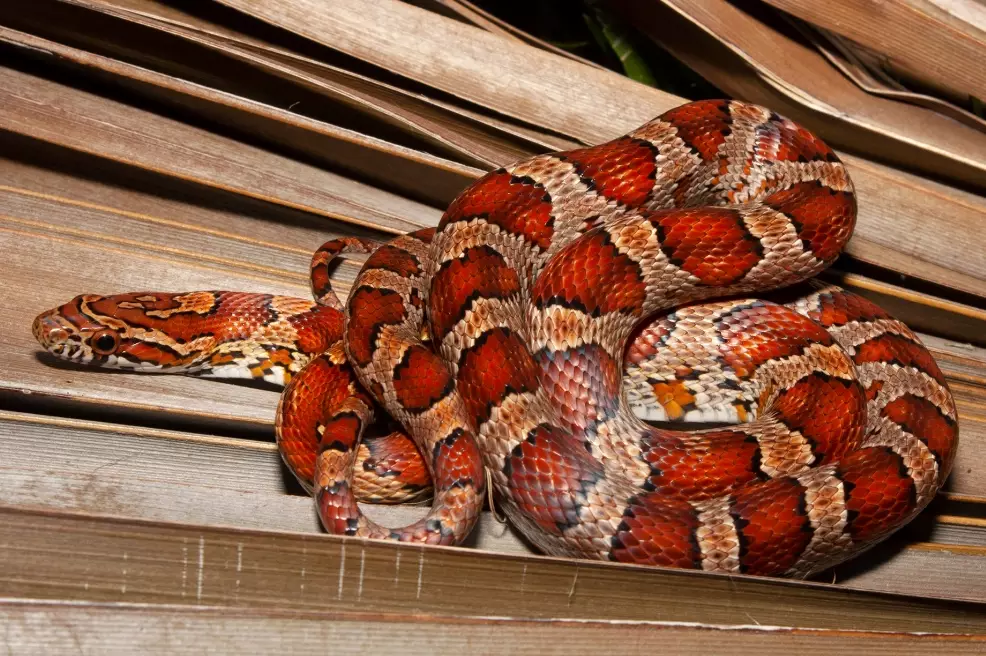
How Often to Feed: A Schedule by Age & Species
Frequency is where people get tangled. A hatchling corn snake and a sub-adult ball python have wildly different metabolisms. Here’s the framework I've used successfully for years.
| Life Stage | General Feeding Frequency | Notes & Adjustments |
|---|---|---|
| Hatchling/Juvenile (Up to ~1 year) | Every 5-7 days | They're growing machines. Consistent, appropriately-sized meals are crucial. Don't skip. |
| Sub-Adult (~1-3 years) | Every 7-10 days | Growth slows. This is where overfeeding often starts. Monitor body condition closely. |
| Adult (3+ years) | Every 10-14 days (or longer) | Maintenance phase. Many large species (like adult boas) thrive on a meal every 3-4 weeks. |
| Breeding Females (Gravid) | May refuse food or eat more frequently | Never force-feed. Offer food normally; she'll eat if she needs it. Post-laying, she'll be ravenous. |
See that "or longer" for adults? This is a non-consensus point. The pet trade often pushes weekly feeding for adults because it sells more frozen rodents. A healthy, adult ball python is perfectly fine eating a good-sized rat every 14-21 days. I've maintained optimal weight and activity levels on this schedule. It mimics natural feast-or-famine cycles and reduces metabolic stress.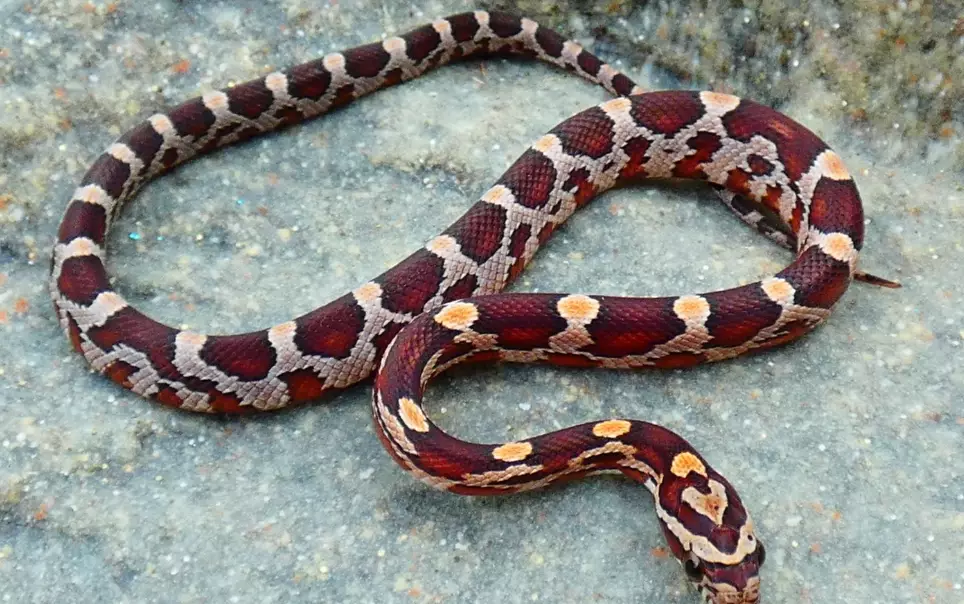
Species-Specific Feeding Guide (Corn Snake, Ball Python, Boa & More)
While the rules above apply broadly, nuances matter. A one-size-fits-all approach fails here.
Corn Snakes and Kingsnakes
These are the easy-keepers. They typically have great feeding responses. Follow the standard prey size and frequency chart closely. They metabolize meals quickly and are active foragers. A common error is underfeeding adults because they're so eager—they'll often take food even when they don't "need" it. Stick to the 10-14 day schedule for adults.
Ball Pythons
The poster child for feeding anxiety. They are famous for hunger strikes. For juveniles, stick to the 7-day schedule. For adults, I strongly advocate for the 14-21 day schedule with a rat that's a solid 1.5 times their girth. This reduces handling frequency (which can stress them) and often leads to more consistent feeding. If your adult ball python refuses a meal, wait a full two weeks before offering again. Offering every few days just creates more stress and reinforces refusal.
Boa Constrictors (Common Boa Constrictor, etc.)
These snakes are prone to obesity and have slower metabolisms. The biggest mistake is feeding them like a corn snake. A juvenile boa can eat every 10-14 days. An adult boa (over 3 years) should be fed only every 3-4 weeks, or even every 5-6 weeks for very large females. A study on boa constrictor metabolism published in the Journal of Experimental Biology showed their metabolic rate increases dramatically after a meal and takes weeks to return to baseline. Frequent feeding wears their system out.
Other Species (Hognose, Garter, etc.)
Research is key. Hognose snakes eat amphibians in the wild and may prefer scenting with frog/toad juice. Garter snakes often do better on fish or worm pieces. The core principles remain—correct prey type and size, with frequency adjusted for their faster (garter) or more specialized (hognose) metabolisms.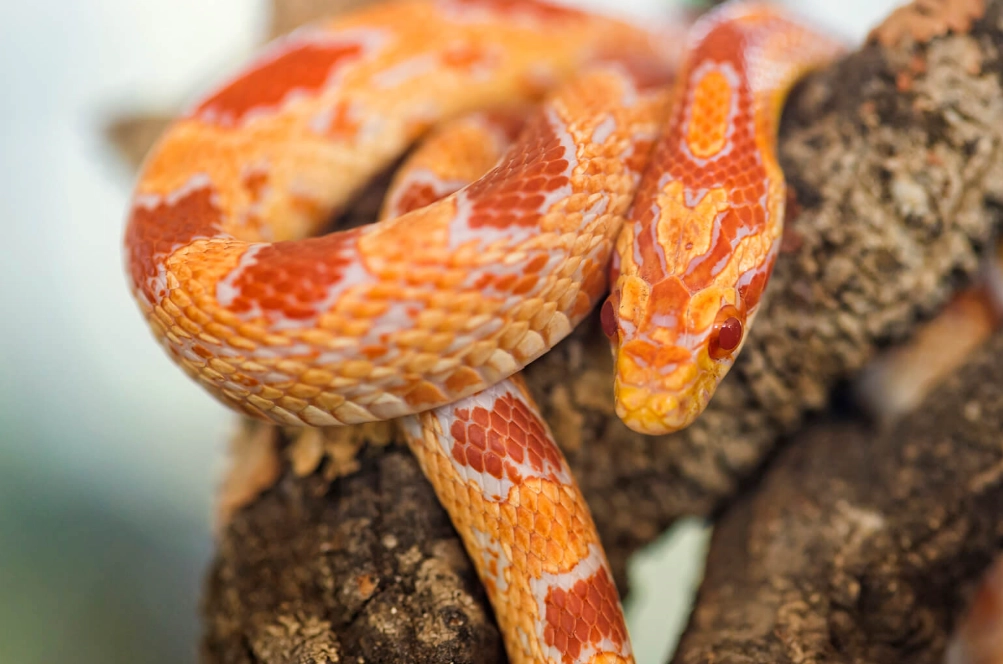
Is My Snake Hungry? Signs You're Feeding Correctly (or Not)
Your snake's body and behavior are the best gauges. Throw the calendar out the window sometimes.
Signs you're on track: Your snake has a gently rounded, loaf-of-bread body shape. You can feel the spine as a raised ridge without it being sharp or prominent. The snake is alert, explores its enclosure regularly, and sheds in complete pieces.
Signs of underfeeding: The body is triangular, with a prominent, sharp spine and sunken sides. The skin may look loose or wrinkled. The snake is overly active, constantly cruising the glass (though this can also indicate stress).
Top 3 Feeding Mistakes Even Experienced Keepers Make
These aren't the basic "don't use live prey" tips. These are the subtle errors that creep in.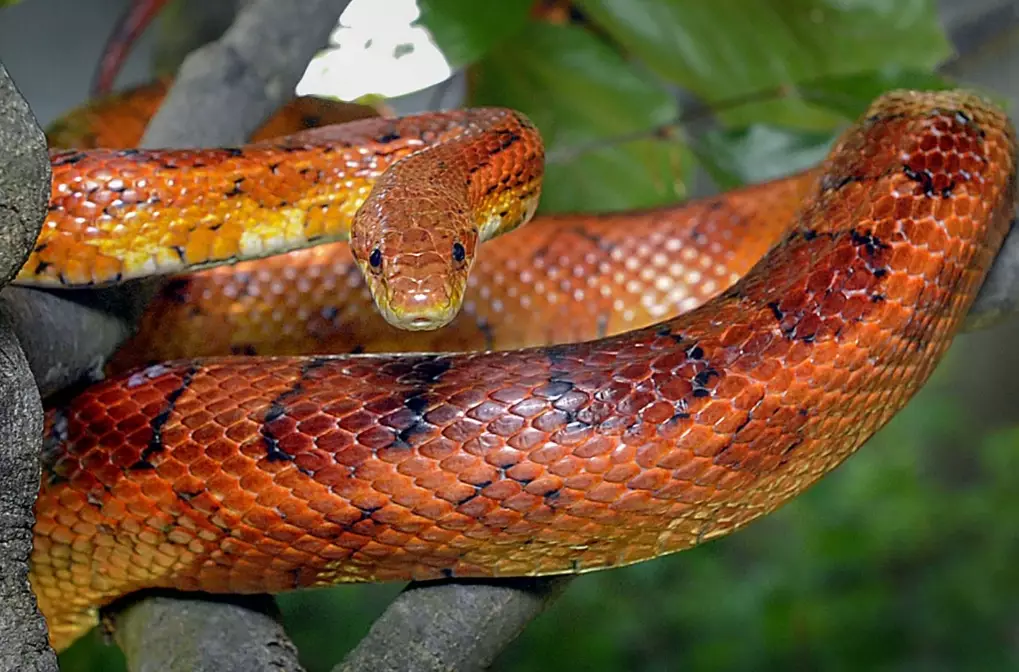
1. Feeding by the Clock, Not by the Snake. Life gets busy. You realize it's day 8 for your adult corn snake, so you feed it. But it just shed two days ago and hasn't pooped from the last meal. You're adding food on top of a system that's still processing. It's okay to delay a few days. Observe. Is the snake in a hide, digesting? Wait.
2. Misjudging Prey Size Transition. You've been feeding "large fuzzies." The bag is empty, and you have "small hoppers." They look a bit bigger, but it should be fine, right? Sometimes that 2-gram difference is the meal that causes a regurge, especially in younger snakes. When moving up a size, offer the new size once, then go back to the old size for the next meal, then try the new size again. This gradual step-up is rarely discussed but prevents issues.
3. Ignoring Seasonal Shifts. Even in a climate-controlled home, many snakes sense seasonal light cycle changes. It's normal for a healthy adult snake to go off food for a few months in the winter (brumation-like behavior). Panicking and trying to force-feed or constantly offer food is worse than just letting them be. As long as weight loss is minimal (under 10% of body weight), let them fast. They'll start eating again when ready.
Your Snake Feeding Questions, Answered
My snake struck the prey but then didn't coil and eat it. What happened?
How do I know if I should move my juvenile snake up to the next prey size?
 My ball python hasn't eaten in 2 months, but isn't losing weight. Should I be worried?
Can I feed my snake more than one prey item in a sitting?
 What's the single most important piece of feeding advice you'd give a new owner?


Join the Conversation