You brought home a beautiful adult cat, maybe a rescue with a mysterious past, dreaming of cozy cuddles. Then you find a "present" behind the couch. Frustration sets in. You might think, "This cat is stubborn" or "It's too old to learn." I've been there. After fostering dozens of adult cats over the years, I can tell you that's almost never the case. Litter box training an adult cat isn't about teaching a basic instinct—cats are born with that. It's about solving a puzzle. The puzzle of fear, past trauma, preference, or plain old discomfort.
Success hinges on ditching the kitten-training playbook and thinking like a feline behaviorist. This guide cuts through the generic advice. We'll talk about the setup mistakes 90% of people make, the one reinforcement technique that actually works with skeptical adults, and how to decode accidents as messages, not failures.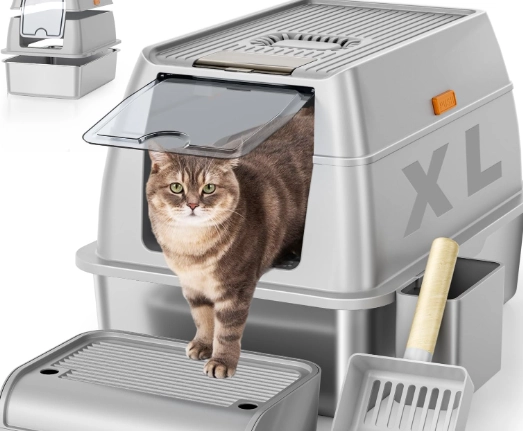
What's Inside This Guide
Understanding Your Adult Cat's Mindset
This is the most overlooked step. A kitten explores with curiosity. An adult cat assesses with caution. Every new home element—especially a litter box—is evaluated for safety and comfort based on a lifetime of experience (good or bad).
I once fostered a majestic seven-year-old Maine Coon named Gus who would only pee on bath mats. Turns out, his previous owner kept his box in a loud, damp basement next to a furnace. The soft, absorbent texture of a bath mat in a quiet bathroom felt safer. He wasn't being bad; he was choosing the best option he could find.
Your cat's history matters. A cat who lived outdoors might prefer fine, sandy litter. A cat from a hoarding situation might associate a dirty box with normalcy. Shelter cats might have used communal boxes and need time to claim a private one. You're not starting from scratch; you're editing an existing document.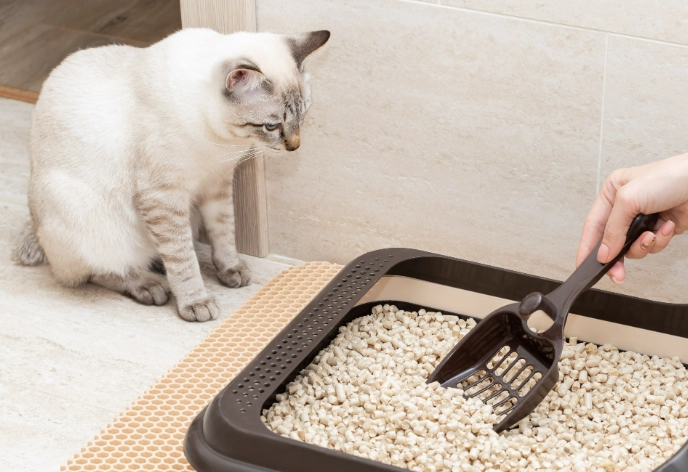
The Non-Negotiable Litter Box Setup
Get this wrong, and no amount of training will stick. The goal is to make the litter box the most attractive bathroom in the house. Here’s the breakdown, informed by behaviorists like those at the ASPCA and my own trial-and-error.
1. The Box Itself: Size, Style, and Number
Forget those cute, enclosed igloos unless your cat has already proven they love them. Most cats, especially anxious adults, prefer a clear line of sight while in a vulnerable position. The golden rule: the box should be at least 1.5 times the length of your cat from nose to tail base.
Number of boxes: The old "one per cat plus one" rule is a good minimum. For a single adult cat in training, start with two. Place them in different, quiet zones. This gives them choice and a backup option, reducing the risk of a location-based aversion.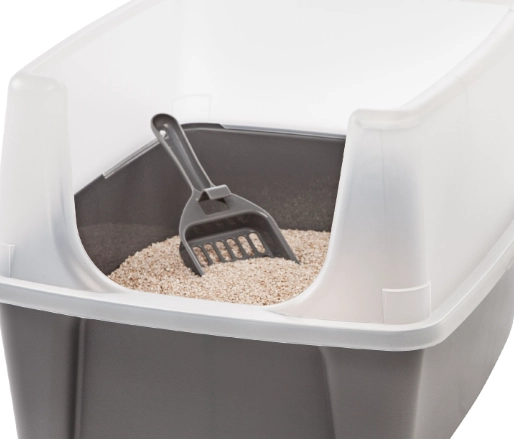
2. Litter Choice: The Great Substrate Debate
This is where people get fancy and cats get fussy. Unscented, clumping, fine-grained litter is the safest bet for most. But consider this table for common adult cat backgrounds:
| Cat's Background | Recommended Litter Type | Reasoning |
|---|---|---|
| Former Outdoor Cat | Fine-grain, sand-like clumping litter | Mimics the dirt/sand they're used to. |
| Senior Cat with Arthritis | Non-clumping, soft pellet litter (like paper or pine) | Softer on tender joints, less tracking. |
| Cat with Unknown History | Unscented, standard clumping clay litter | The neutral, most widely accepted option. |
| Cat Resistant to All Litters | Dr. Elsey's Cat Attract Litter | Contains herbal attractants; a useful last resort. |
My personal rule: Buy the smallest bag of a new litter type first. Do a side-by-side test by offering two boxes with different litter for a week. Let the cat vote with its paws.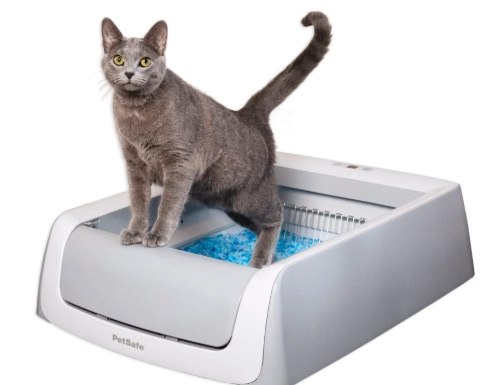
3. Location, Location, Location
A quiet, low-traffic corner is essential. Not next to the blaring washing machine. Not in the hallway where kids and dogs charge through. Not in a dark, scary basement.
Think: accessible, private, and peaceful. A spare bathroom, a calm corner of a home office, a section of a laundry room (if the machines aren't running constantly). Avoid placing food and water bowls right next to the box—would you want to eat in your bathroom?
The Step-by-Step Training Protocol
With the stage set, here's the action plan. Patience is your primary tool.
Phase 1: Introduction & Confinement (First 2-7 Days)
Start your new cat in a single, comfortable room (like a bedroom or office) with all their resources: bed, food, water, toys, and a pristine litter box. This isn't punishment. It's creating a safe base camp where the box is an easy, obvious choice. It builds a positive habit in a controlled environment.
Show them the box. Gently place them in it after meals and naps. Don't force them. Just let them feel the litter under their feet. Keep it immaculate—scoop at least twice a day.
Phase 2: The Great Expansion
Once they're reliably using the box in their base room for several days, open the door. Let them explore. Ensure a second box is already set up in another quiet zone of the house. The familiar box remains their security.
This is the critical phase where many fail. They give too much freedom too fast. Supervise initial explorations. If you see signs they need to go (sniffing, circling, crouching), calmly herd them toward the nearest box. Never yell or punish.
Phase 3: Positive Reinforcement That Actually Works
Throw away the notion of scolding for accidents. It only creates fear and secrecy. The only reinforcement you need: catch them in the act of using the box correctly.
When you see them using the box, wait until they're finished, then immediately offer a high-value treat (like a bit of pure meat paste or a special crunchy treat) and gentle praise. This creates a direct, positive association: "Box = good things happen."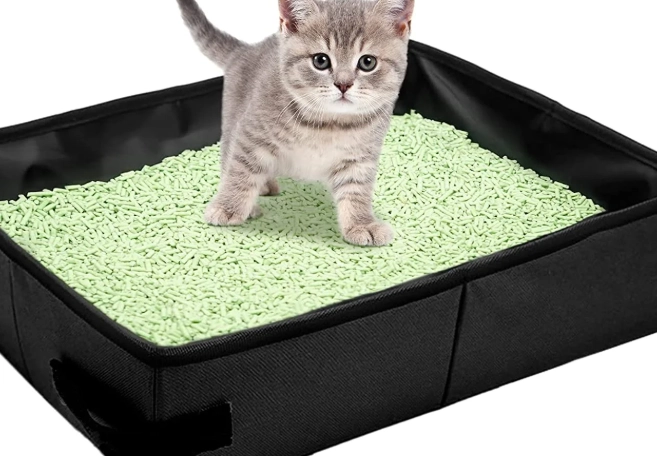
When Accidents Happen: The Detective Work
An accident is data. It's your cat's way of filing a complaint. Your job is to be the detective.
- Clean it properly: Use an enzymatic cleaner like Nature's Miracle. Standard cleaners leave behind scent markers that say "toilet here" to a cat's nose.
- Analyze the scene: Was the box dirty? Is the location too exposed? Did you just switch litters? Was there a loud noise that spooked them?
- The Medical Rule: Any sudden onset of inappropriate elimination warrants a vet visit. Conditions like UTIs, diabetes, or arthritis cause pain and urgency, making the box an aversive place. The American Association of Feline Practitioners emphasizes this as a first step.
If the accident is in a specific spot repeatedly, try placing a litter box directly on that spot. Once they use it reliably for a week, you can move it an inch a day toward a more desirable location.
Your Top Questions, Answered
How long does it take to litter train an adult cat?
My newly adopted adult cat suddenly stopped using the litter box. What now?
Is it harder to litter train an older cat versus a kitten?
Can I use the same training methods for an adult cat that I used for my previous kitten?
The journey of litter box training an adult cat is ultimately one of building trust. You're proving to them that their new home is safe, their needs are understood, and their preferences matter. It's less about commanding behavior and more about curating an environment where the right choice is the easiest one.
When you get it right, the reward isn't just a clean floor. It's the deep bond that comes from patiently speaking your cat's language and being understood in return. Start with the vet, master the setup, listen to the accidents, and celebrate the small victories. Your adult cat is fully capable of learning; they just need you to set them up for success.



Join the Conversation