Let's cut straight to it. If you've landed here with that heavy question in your heart, you're not alone. The number one cause of death in dogs, particularly as they reach their senior years, is cancer. It's a stark fact that hits home for far too many owners. Studies, including a major one published in the Journal of Veterinary Internal Medicine, consistently show that cancer accounts for nearly 50% of deaths in dogs over the age of 10. That's not a random statistic; it's a reality check.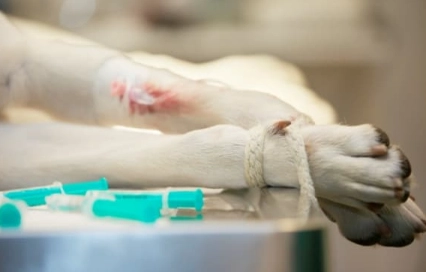
But here's the thing. Knowing the word "cancer" isn't enough. It feels like a dead end. What you really need to know is what that means for your dog today. What does it look like? Can you stop it? What happens if your vet says the word? This isn't about fear-mongering. It's about turning a scary statistic into actionable knowledge. I've seen the confusion and panic firsthand, and the gap between knowing the cause and knowing what to do next is where good information matters most.
Your Quick Guide to This Article
- Why Cancer Hits Dogs So Hard
- Spotting the Early Warning Signs (Beyond Lumps)
- The Usual Suspects: Common Cancers and What They Look Like
- From Suspicion to Diagnosis: What Happens Next
- Navigating the Maze of Treatment Options
- Realistic Prevention: What Actually Works
- When Treatment Isn't the Answer: Focusing on Comfort
- Your Toughest Questions, Answered
Why Cancer Hits Dogs So Hard
It's not just bad luck. Several factors conspire to make dogs particularly vulnerable. First, we're keeping them alive longer. Thanks to better nutrition, preventive care, and vaccines, dogs are living well into their teens. Cancer is largely a disease of aging cells that accumulate genetic damage over time. More years means more opportunity for something to go wrong at the cellular level.
Second, purebred genetics play a huge role. Selective breeding for specific traits sometimes inadvertently selects for genetic predispositions to cancer. Golden Retrievers and their heartbreakingly high rate of hemangiosarcoma and lymphoma is the classic example. Boxers are prone to mast cell tumors. Scottish Terriers have a high risk of bladder cancer. It's a tragic trade-off of purebred life.
Finally, our modern environment might be a factor. While harder to pin down, exposure to environmental toxins, pesticides on lawns, secondhand smoke, and even certain ingredients in older, lower-quality pet foods have been explored as potential contributors. The science is evolving, but it's clear it's a complex mix of genes, time, and environment.
Spotting the Early Warning Signs (Beyond Lumps)
Everyone knows to look for lumps. But the most insidious cancers don't present with a obvious mass you can feel. You have to become a detective of subtle changes in behavior and physiology.
The big mistake? Writing off subtle changes as "just getting old." Lethargy, slowing down, and stiffness are part of aging. But rapid decline, sudden loss of interest in favorite activities, or unexplained weight loss are not normal. They are clues.
Here’s a more nuanced checklist. Any of these, especially if they persist for more than a week or two, warrant a vet visit:
Unexplained Weight Loss: This is a massive red flag. If your dog is eating normally but the ribs are starting to show, the body is burning resources for a reason—often a tumor.
Persistent Sores or Odors: A sore that doesn't heal, a wound that keeps reopening, or a foul smell from the mouth, nose, or anal area that brushing doesn't fix.
Changes in Bathroom Habits: Straining to urinate or defecate, blood in urine or stool, or sudden accidents in a house-trained dog. Don't just assume it's a UTI.
Swollen Lymph Nodes: These are found under the jaw, in front of the shoulders, and behind the knees. They should feel like small, soft beans. If they become large, firm, or fixed in place, it's urgent.
Lethargy and Withdrawal: Not just an afternoon nap. We're talking about a dog who no longer greets you at the door, doesn't want to go for walks, or sleeps through meals.
The Usual Suspects: Common Cancers and What They Look Like
Not all cancers act the same. Knowing the common types helps you understand what your vet might be looking for.
| Cancer Type | Commonly Affected Breeds | Typical Early Signs | Primary Treatment Avenues |
|---|---|---|---|
| Mast Cell Tumor | Boxers, Boston Terriers, Bulldogs, Labradors | Skin lump that may change size, look like a bug bite, cause redness/itching. Can be deceptive. | Surgical removal (wide margins), possibly followed by chemotherapy or radiation. |
| Lymphoma | Golden Retrievers, Boxers, Bulldogs | Firm, enlarged lymph nodes (feel like hard marbles), lethargy, loss of appetite, possible increased thirst. | Chemotherapy (often very effective for inducing remission). |
| Osteosarcoma (Bone Cancer) | Large & giant breeds (Great Danes, Greyhounds, Rottweilers) | Sudden, severe lameness or leg pain, swelling at the pain site. Often mistaken for a sprain. | Pain management, limb amputation + chemotherapy, or palliative radiation. |
| Hemangiosarcoma | Golden Retrievers, German Shepherds, Labradors | Often no signs until sudden collapse due to internal bleeding from a ruptured tumor on the spleen or heart. | Emergency surgery to remove ruptured spleen, followed by aggressive chemotherapy. |
| Mammary Cancer | Unspayed female dogs, any breed | Lumps or nodules in the mammary chain (along the belly). | Surgical removal of the tumor(s) or full mastectomy. |
Seeing this list, the importance of early spaying (before the first heat) to virtually eliminate mammary cancer risk becomes crystal clear. It's one of the few cancer-prevention moves with overwhelming evidence.
From Suspicion to Diagnosis: What Happens Next
Your vet feels a suspicious lump or you report worrying symptoms. Now what? The process is stepwise, and rushing to the most expensive test isn't always the right first move.
Step 1: The Fine-Needle Aspirate (FNA). This is usually the first line. Using a small needle, the vet extracts cells from the lump to look at under a microscope. It's quick, relatively inexpensive, and often done during your appointment. It can tell you if the cells look cancerous and give a rough idea of the type. But it's not always definitive.
Step 2: The Biopsy. If the FNA is inconclusive or suggests a tumor that needs more information for treatment planning, a biopsy is next. A small piece of tissue is surgically removed and sent to a veterinary pathologist. This gives the grade (how aggressive it looks) and the exact type, which is crucial.
Step 3: Staging. If cancer is confirmed, the next question is: has it spread? This is staging. It typically involves chest X-rays to check the lungs, an abdominal ultrasound to look at internal organs and lymph nodes, and sometimes a CT scan. Blood work is also part of this to assess overall health.
A word of advice: Don't skip the biopsy to save money if it's recommended. I've seen owners opt for immediate removal of a lump without knowing what it is. If the surgical margins aren't wide enough for that specific cancer type, the tumor often grows back aggressively, and you're back at square one with fewer options.
Navigating the Maze of Treatment Options
This is where emotions run high. The goal of veterinary oncology is almost always quality of life first, quantity second. Cure is possible for some localized cancers, but for many, the aim is long-term remission or good management.
Surgery: The First Line for Solid Tumors
If the cancer is localized, surgery to remove it with clean margins is often the best chance. The key phrase is "clean margins"—the pathologist checks that the removed tissue has a border of healthy cells all around the tumor. No cancer cells at the edge means a much lower chance of recurrence.
Chemotherapy: It's Not What You Think
This is the biggest point of misunderstanding. We project our human chemo experience onto our dogs. In vet med, chemo is used at lower doses to manage cancer, not cure it, with minimal side effects. Severe nausea and hair loss (except in breeds like Poodles) are rare. Most dogs might be a little tired or have a slightly reduced appetite for a day or two after treatment, then bounce back. The protocol from the American College of Veterinary Internal Medicine focuses on maintaining a good life.
Radiation and New Frontiers
Radiation is great for tumors that can't be fully removed (like some in the mouth or on a leg) or for pain relief (like with bone cancer). Newer options like immunotherapy (e.g., the canine melanoma vaccine) and targeted therapies are emerging but are often costly and not yet first-line for most cancers.
The decision is deeply personal and depends on the cancer type, stage, your dog's age and temperament, and your financial and emotional capacity. It is always okay to choose palliative care. It is not giving up; it's choosing a different path focused solely on comfort.
Realistic Prevention: What Actually Works
You can't change genetics, but you're not powerless. Focus on modifiable risk factors with solid evidence.
1. Maintain a Lean Body Weight. This is probably the single most impactful thing you can do. Obesity causes chronic inflammation and alters hormone levels, which is a proven risk factor for several cancers. Measure your dog's food. No endless buffet.
2. Spay/Neuter at the Appropriate Time. Early spaying (before first heat) prevents mammary cancer. However, for some large breeds, there's emerging research suggesting waiting until after skeletal maturity (12-18 months) might reduce risks of certain orthopedic cancers and joint disorders. Discuss the timing with your vet based on your dog's breed and size. The blanket "spay at 6 months" rule is evolving.
3. Limit Environmental Toxins. Be mindful of lawn chemicals, herbicides, and pesticides. Wash your dog's paws after walks in treated areas. Avoid smoking around your pet.
4. Consider a Balanced, High-Quality Diet. While no single diet "prevents cancer," feeding a nutritionally complete diet from a reputable company (look for those following AAFCO guidelines and employing veterinary nutritionists) supports overall health. Be wary of extreme fad diets promoted as cancer cures.
5. The Annual Exam is Non-Negotiable. That yearly check-up isn't just for vaccines. It's when your vet feels your dog's entire body for lumps, checks lymph nodes, and listens to the heart and lungs. For senior dogs (7+), consider switching to bi-annual exams. Things change fast in an older body.
When Treatment Isn't the Answer: Focusing on Comfort
Sometimes, the cancer is too advanced, the treatment too invasive, or the prognosis too poor. This is where hospice or palliative care comes in. The goal shifts completely to managing pain and maximizing good days.
Modern veterinary pain management is excellent. Medications like NSAIDs, gabapentin for nerve pain, and strong opioids can keep a dog comfortable. Appetite stimulants, anti-nausea drugs, and even steroids can improve quality of life significantly for a time.
Create a "bucket list" of simple joys: car rides, favorite snacks, quiet time in the sun. Monitor for quality-of-life scales (like the HHHHHMM scale: Hurt, Hunger, Hydration, Hygiene, Happiness, Mobility, More good days than bad). When the bad days consistently outnumber the good, it's time to have the most difficult, kindest conversation about euthanasia. Letting go before suffering sets in is the final act of love.
Your Toughest Questions, Answered
Cancer is a formidable opponent, but knowledge strips away some of its power. By understanding it as the leading cause of death in dogs, you're not preparing for an inevitable end. You're empowering yourself to be the best advocate for your dog's health at every stage—catching problems earlier, making informed decisions, and ultimately, ensuring more good days together, however many those may be.


Join the Conversation