You know that look. Your dog seems off—maybe a little less energetic, turning up their nose at dinner, or scratching that one spot raw. As a pet owner for over a decade, I've been there countless times. The worry sets in immediately. Is it serious? What is it? Could I have prevented it? Understanding the most common canine health problems is your first line of defense. It’s not about becoming a vet, but about becoming a better advocate for your furry family member. Let’s cut through the clutter and talk about the ten health issues you’re most likely to face, what they really look like, and the practical steps you can take.
What's Inside: Your Guide to Canine Health
The Top 10 List: A Detailed Breakdown
This list isn't just a random ranking. It's based on what vets see day in and day out in clinics across the country. I've also included the subtle signs many owners miss—the ones that, if caught early, can save you a lot of money and your dog a lot of discomfort.
| Disease/Condition | Primary Symptoms Owners Notice | Key Cause & Risk Factors |
|---|---|---|
| 1. Periodontal (Dental) Disease | Bad breath, yellow/brown tartar on teeth, difficulty chewing, pawing at the mouth. | Plaque buildup. Small breeds are especially prone. Often starts by age 3. |
| 2. Otitis Externa (Ear Infections) | Head shaking, scratching ears, odor, redness, and dark discharge in the ear canal. | Allergies, moisture (from swimming), floppy ears (like in Cocker Spaniels). |
| 3. Skin Allergies (Atopic Dermatitis) | Excessive licking/chewing (especially paws), recurrent hot spots, red skin, ear infections. | Environmental allergens (pollen, dust mites), food allergies, flea bites. |
| 4. Obesity | Inability to feel ribs easily, no visible waist, lethargy, difficulty breathing on walks. | Overfeeding, lack of exercise, high-calorie treats, certain breeds (Labs, Beagles). |
| 5. Arthritis (Osteoarthritis) | Stiffness after rest, reluctance to jump or climb stairs, limping, behavioral changes. | Aging, joint injuries, developmental issues like hip dysplasia, obesity. |
| 6. Gastric Dilatation-Volvulus (Bloat) | EMERGENCY: Distended, hard abdomen, unproductive retching, restlessness, collapse. | Deep-chested breeds (Great Danes, German Shepherds), eating too fast, stress. |
| 7. Urinary Tract Infections (UTIs) | Frequent, painful urination, accidents in the house, blood in urine, licking genital area. | Bacteria (often E. coli), underlying conditions like diabetes or stones. |
| 8. Kidney Disease (Chronic) | Increased thirst/urination, weight loss, poor appetite, vomiting, bad breath (uremic odor). | Aging, genetics, toxin exposure, severe dental disease (bacteria spreading). |
| 9. Heartworm Disease | Mild persistent cough, fatigue after moderate activity, weight loss, heart failure. | Mosquito bites. 100% preventable with monthly medication. |
| 10. Parvovirus | EMERGENCY (in puppies): Severe vomiting, bloody diarrhea, lethargy, rapid dehydration. | Virus. Unvaccinated puppies are at extreme risk in public places. |
Let's get specific about a few that are often misunderstood.
The Silent Problem: Periodontal Disease
Bad breath isn't just unpleasant; it's a bacterial infection signal. By age three, most dogs have some form of this. The real danger isn't losing a tooth. It's that the constant bacterial shower from the inflamed gums enters the bloodstream and can damage the heart, liver, and kidneys. I learned this the hard way with my first dog—a $1,500 dental cleaning and extraction bill that could have been mitigated with consistent brushing. Most pet insurance plans classify this as "preventable" and won't cover it, making daily care a financial strategy too.
Itchy Dog, Frustrated Owner: Skin Allergies
This is a marathon, not a sprint. The biggest mistake I see? Owners treat the infection (the hot spot or ear goop) but ignore the underlying allergy causing it. It becomes a cycle: allergy → itch → infection → treat infection → allergy persists. You have to break the cycle. Sometimes it's as simple as a food trial with a novel protein (duck, venison) for 8-12 weeks. Other times, it's managing environmental triggers. Your vet might discuss allergy testing or medications like Apoquel or Cytopoint, but start with the basics: diet control and regular bathing with a soothing shampoo.
Pro Tip from the Trenches: For ear infections, the medicine alone often fails. The canal needs to be cleaned first for the drops to contact the skin. Ask your vet to show you how to properly clean ears at home. And for arthritis, don't underestimate weight management. Losing just 10% of body weight can reduce pain by over 25% in an arthritic dog. That's a bigger impact than many supplements.
The Two True Emergencies: Bloat and Parvo
These can't wait. If your deep-chested dog shows signs of bloat—especially that unproductive retching (trying to vomit but nothing comes up)—you are racing the clock. Surgery is the only fix for a twisted stomach. Call your emergency vet on the way. For Parvo, prevention is absolute. That puppy socialization class before full vaccination? It's a huge risk. Parvovirus is incredibly hardy and lives in soil for years. Stick to private playdates with fully vaccinated dogs until your pup's vaccine series is complete.
Beyond Symptoms: Prevention & Proactive Care
Knowing the list is step one. Building a lifestyle that sidesteps these issues is step two.
Your Annual (or Bi-Annual) Vet Visit is Non-Negotiable. This is your strategic planning session. It's not just for shots. It's when the vet feels for hidden lumps, listens for early heart murmurs, and checks those teeth you can't see in the back. For senior dogs, twice-yearly checks are wise. Things change fast as they age.
Nutrition is Medicine. I'm not pushing a specific brand, but I am pushing quality control. Feed a diet from a reputable company that employs veterinary nutritionists (look for an AAFCO statement on the bag). Measure portions with a cup—don't eyeball it. Treats should make up no more than 10% of daily calories. An extra biscuit here and there is how obesity starts.
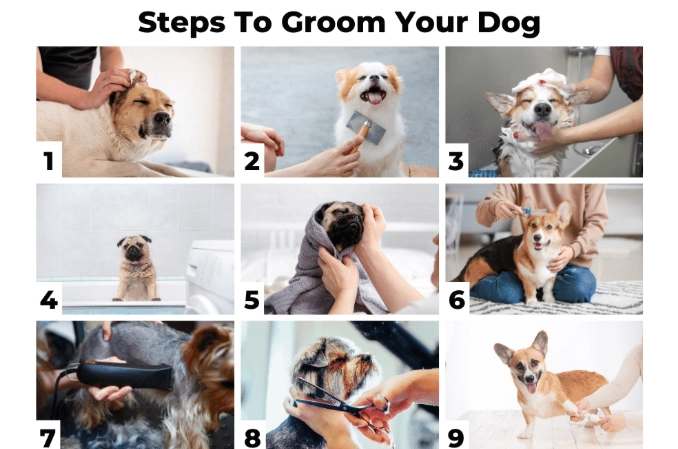
Create a Home Health Routine. Five minutes a day saves thousands.
- Teeth: Brush them. Start slow, use dog toothpaste (never human).
- Ears: Check and gently clean weekly, especially after swimming.
- Coat/Skin: Brush regularly. You'll feel lumps, see fleas, and notice hotspots early.
- Weight: Monthly weigh-ins at home or at the vet's office.
Mental Note on Parasite Prevention: Heartworm, flea, and tick prevention is a year-round commitment in most climates. Skipping winter months is a common and risky oversight. Mosquitoes can emerge on warm winter days.
Your Questions Answered: A Deep Dive
What is the single most effective thing I can do to prevent common dog diseases?
My dog is scratching a lot but has no fleas. Could it be a skin allergy, and what should I do first?
How can I tell if my dog's ear infection is serious enough for an emergency vet visit?
Are annual vaccines enough to protect my dog from deadly diseases like Parvovirus?
The goal here isn't to make you paranoid. It's to give you confidence. You know what to watch for. You have a plan for prevention. When your dog gives you that "off" look, you'll have a better idea of whether it's time for a treat, a bath, or a call to the vet. That knowledge is the best medicine you can provide.


Join the Conversation