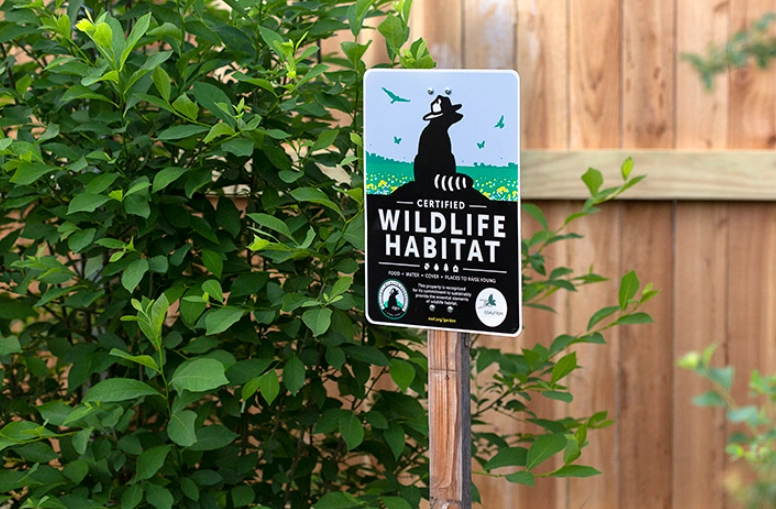
You've seen them in neighborhoods—small, metal signs staked in gardens proclaiming "Certified Wildlife Habitat." Maybe you thought it was just a decorative piece for serious gardeners. I did too, until I went through the process myself. That sign represents a tangible commitment, a checklist of actions you've taken to turn your outdoor space into a lifeline for birds, bees, butterflies, and countless other creatures. It's not a participation trophy; it's a roadmap for creating a functional, sustainable ecosystem in your own backyard. Let's break down what it really takes to earn one, what that sign actually does, and whether it's worth the effort (and the small fee).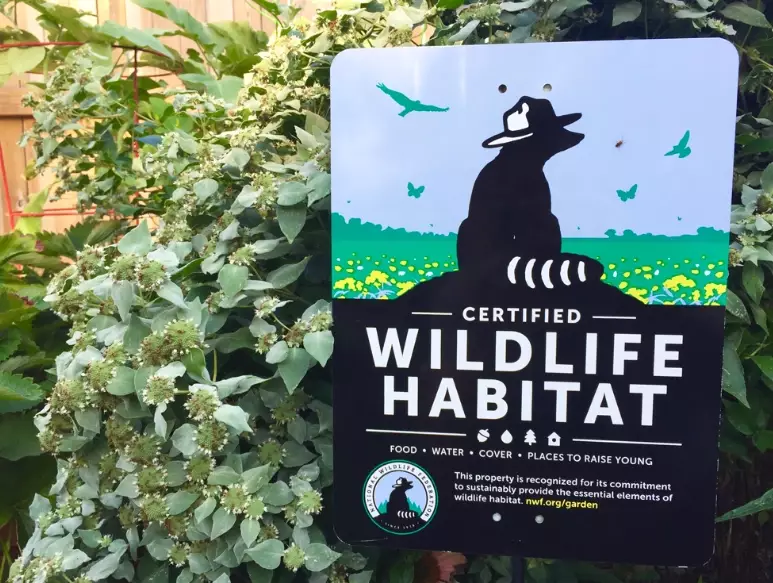
What You'll Find in This Guide
What Does the Certified Wildlife Habitat Sign Actually Mean?
It's not something you just buy online. The most recognized certification comes from the National Wildlife Federation (NWF), a major non-profit. When you see their sign, it means the property owner has applied, demonstrated that their space meets specific criteria, and been approved. It's a third-party verification, similar in spirit to an "Organic" label for your yard.
The sign itself is usually aluminum, about 10 by 7 inches, with a green and white design featuring native animals. Let's be honest, the sign itself is a bit pricey for a piece of metal—it's the certification fee and donation bundled together. But the value isn't in the metal; it's in the audit you perform on your own gardening habits. The process forces you to look at your yard not as a decorative canvas, but as a habitat. Are you providing the basics? Or are you just putting out a bird feeder and calling it a day?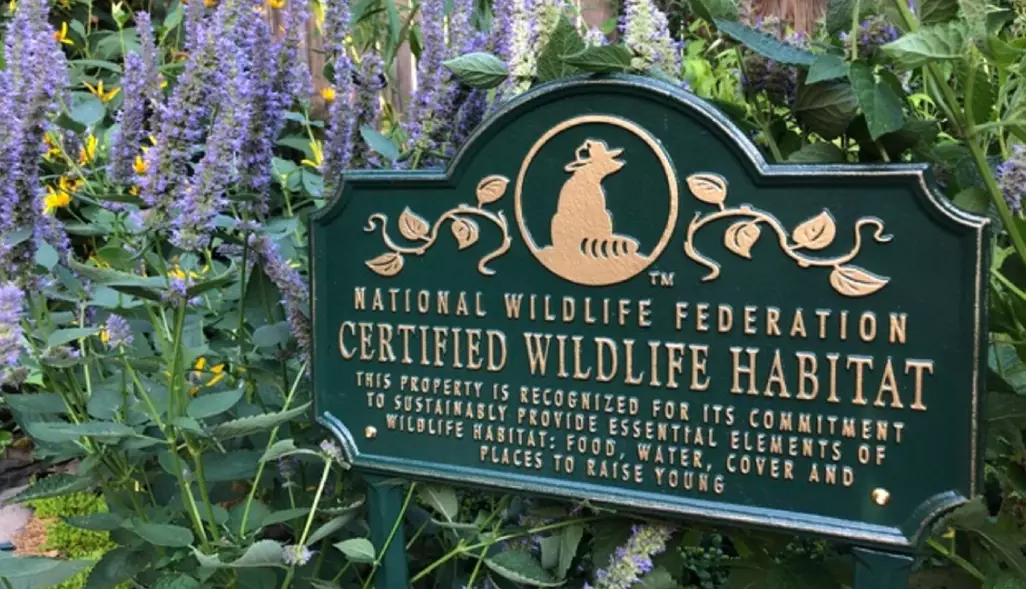
The 4 Non-Negotiable Requirements for Certification
The NWF's checklist is brilliantly simple. You need to provide elements from each of these four categories. It's not about having a huge estate; a balcony with potted plants can qualify if you're clever about it.
| Requirement | What It Means | Simple, Actionable Examples |
|---|---|---|
| 1. Food Sources | Providing sustainable food for wildlife year-round. | Native plants (oak trees, coneflowers, milkweed), seed-producing flowers, berry bushes, suet feeders in winter, hummingbird nectar. |
| 2. Water Sources | A reliable, clean place for wildlife to drink and bathe. | A birdbath (clean it weekly!), a small pond, a dripping water feature, a shallow dish with stones for insects. |
| 3. Cover & Places to Raise Young | Shelter from weather and predators for nesting and resting. | Dense shrubs, brush piles, rock walls, mature trees, nesting boxes, bat houses, host plants for caterpillars. |
| 4. Sustainable Practices | Maintaining the habitat in an eco-friendly way. | Composting, reducing lawn area, eliminating chemical pesticides/ herbicides, using rain barrels, mulching. |
Here's the mistake I see most often: people hyper-focus on #1 (Food) with fancy feeders but completely neglect #2 (Water). A bird feeder without a fresh water source nearby is like inviting someone to a dinner party with no drinks. They'll come, but they won't stick around or thrive. Water is the biggest magnet, especially in urban and suburban areas.
Going Beyond the Basic Checklist
Anyone can tick boxes. To create a truly vibrant habitat, think about layers and succession. Have plants that bloom and fruit at different times. Let a corner of your yard get "messy" with fallen leaves and dead branches—that's prime real estate for overwintering insects, which in turn feed the birds. My most productive habitat area is a semi-wild patch behind my shed that I barely touch. The goldfinches and sparrows prefer it over my manicured flower bed any day.
How to Apply for Your Certification & Sign: A Step-by-Step Walkthrough
The process is straightforward, done entirely online through the National Wildlife Federation's website. You don't need an inspector to visit.
Step 1: The Self-Assessment. This is the most important part. Walk your property with the four requirements in mind. Take notes. Do you have at least two food sources? Document them. I literally took photos of my birdbath, my serviceberry bush, and my compost bin. Be honest. If you're short on cover, maybe you commit to planting a native shrub that season.
Step 2: The Online Application. You fill out a form, selecting which elements you provide from each category. It's multiple choice and very user-friendly. You'll also choose your sign style (yard sign or window decal) and any additional garden accessories.
Step 3: The Fee. This is where some people pause. As of my last check, the certification fee is around $20, and the metal sign is an additional $35-$40. The total package is often around $60. Yes, it's a donation to the NWF's conservation programs. Is it mandatory? For the physical sign, yes. But the certification itself is the valuable part. You can opt for just the digital certificate for the lower fee if the sign cost is a barrier.
Step 4: Wait & Display. Your application is reviewed (usually quickly), and your sign ships. When it arrives, place it prominently. That's the whole point.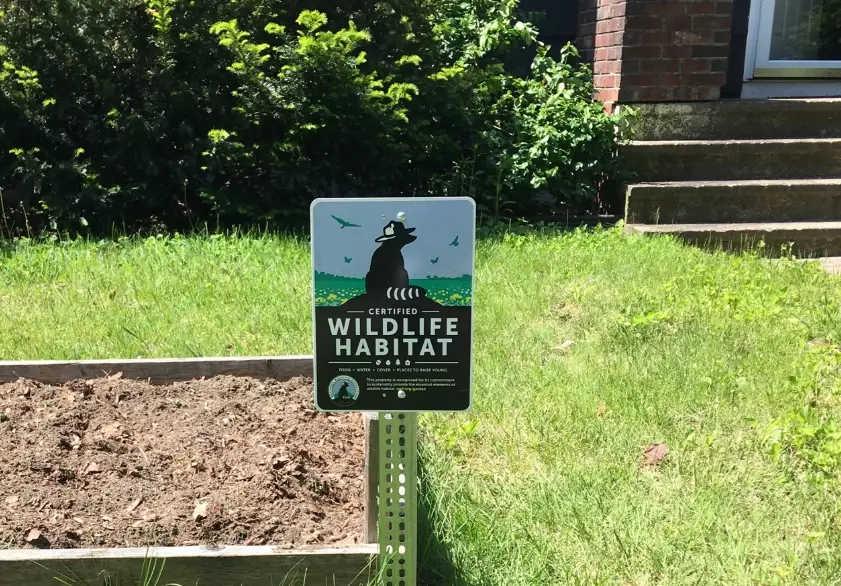
What Does the Sign Actually Do? (Beyond Looking Nice)
If you think it's just for your own pride, you're missing half its function.
For You: It's a constant reminder of your commitment. It helps you resist the urge to douse your dandelions in herbicide because you remember you're managing a habitat. It provides a deep sense of connection and tangible accomplishment. You're not just gardening; you're restoring.
For Your Neighborhood & Community: This is the powerful part. The sign is an educational tool. It sparks curiosity. It normalizes the idea of eco-friendly landscaping. When multiple signs pop up on a street, it creates wildlife corridors—linked pockets of habitat that are far more effective than isolated oases. It can subtly influence neighborhood norms, maybe even HOA rules, towards more sustainable practices.
For Wildlife: Obviously, it signals a safe haven. But on a larger scale, every certified habitat adds to a national network. The NWF uses these numbers (over 300,000 certified sites) to advocate for policies and demonstrate public support for conservation. Your small yard becomes part of a big data point for good.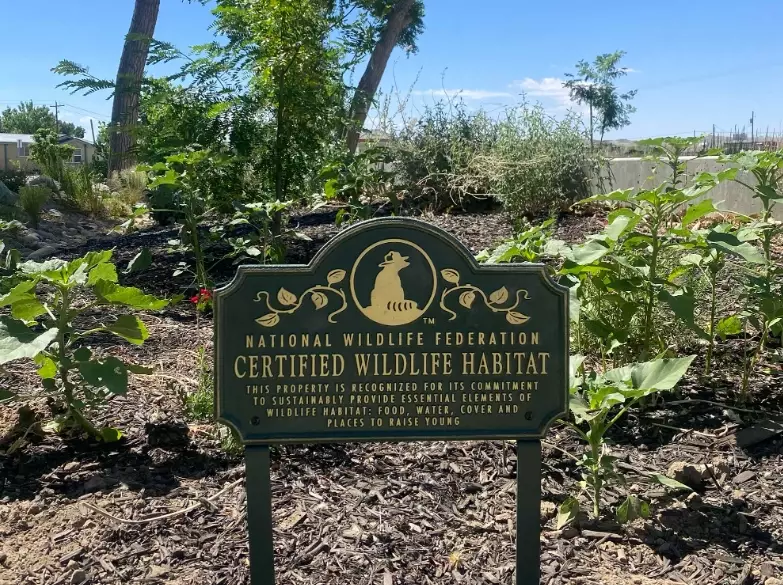
Your Questions, Answered
 What's the biggest maintenance headache after getting certified?
At the end of the day, the Certified Wildlife Habitat sign is a tool. It's a goal to work towards, a framework for action, and a conversation starter. The real value isn't mounted on a post by your mailbox; it's in the buzzing, fluttering, thriving life you've fostered just outside your door. That's something you can't put a price on.
Join the Conversation