Let's be honest. You opened that bag of kibble, caught a whiff of something that smelled more like a factory than food, and thought, "My dog deserves better." I get it. I've been there. After a decade of sharing my home with dogs, from a fussy Beagle to a giant, gentle Great Dane, I've cooked more dog meals than I can count. The shift to homemade dog food wasn't a trend for me; it was a response to allergies, dull coats, and that nagging feeling I could do more. But here's the part most blogs gloss over: doing it wrong is easy, and the consequences aren't pretty. This isn't just about tossing some chicken and rice in a bowl. It's about building a foundation for a long, vibrant life, one carefully balanced meal at a time.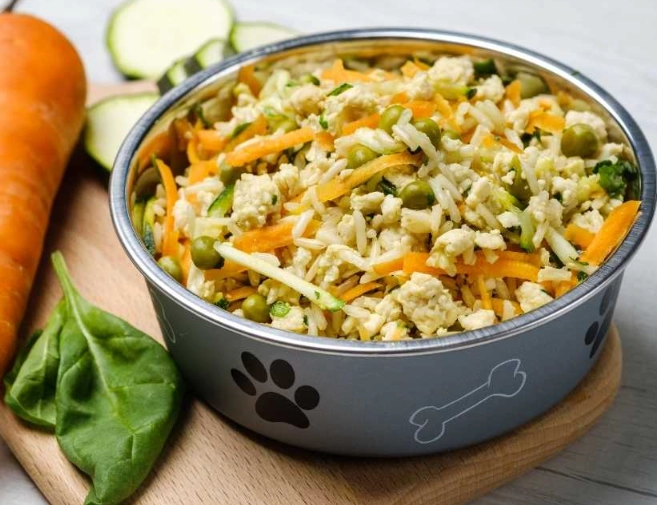
What You'll Find in This Guide
Why Bother with Homemade? (Beyond the Hype)
Control. That's the big one. When my Dane, Luna, started getting recurrent ear infections, her vet suspected a food sensitivity. With homemade food, I could systematically eliminate ingredients. Turns out, chicken was a trigger. Problem solved. You know exactly what goes in—no mystery "meat meal," no artificial colors pretending food is more exciting than it is.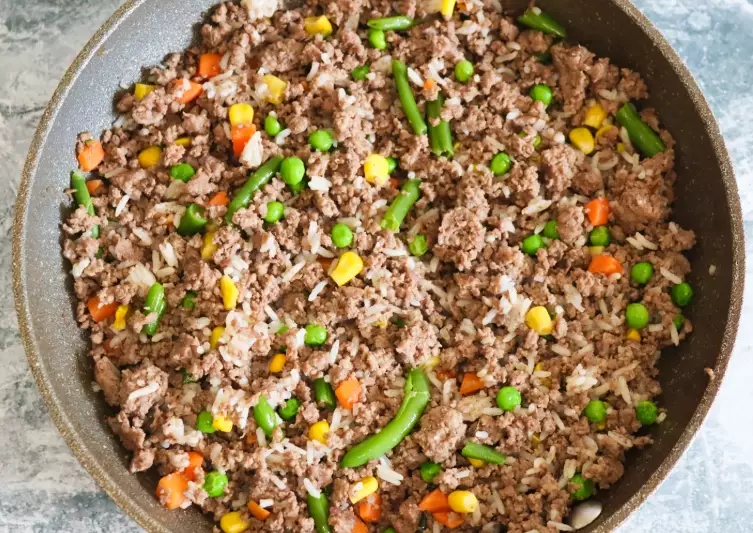
Freshness matters. Nutrients degrade over time. That bag of dry food on the shelf for months? It's not as potent as something cooked this week. I've seen coats go from dry and flaky to shiny, energy levels stabilize, and even smaller, firmer stools (a sign of better digestion).
But.
It's a commitment. It's weekly meal prep. It's learning about canine nutrition, which is different from human nutrition. You're taking on the role of your dog's nutritionist. If that sounds daunting, stick with me.
Solving the Canine Nutrition Puzzle
Dogs aren't tiny humans, and they're not pure wolves. Their needs are specific. A balanced homemade diet isn't a vague concept; it's a formula. The Association of American Feed Control Officials (AAFCO) sets guidelines for complete and balanced pet food. Your goal is to meet those with real ingredients.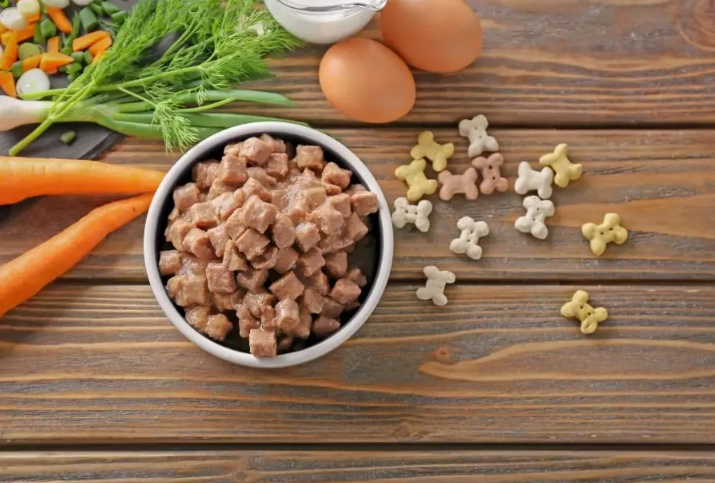
Every meal should aim for this rough framework:
- Protein (40-50%): The building blocks. Muscle meat (chicken, turkey, beef, pork), organ meats (liver, heart—in small amounts!), fish (sardines, salmon).
- Vegetables & Fruits (20-30%): For vitamins, fiber, and antioxidants. Dogs can't break down cellulose well, so you must cook or puree them. Think pumpkin, green beans, carrots, blueberries, spinach.
- Carbohydrates/Starch (20-30%): For energy. Brown rice, quinoa, oats, sweet potato. Some dogs do well with less, but it's a good energy source for active dogs.
- Fats (10-15%): Concentrated energy and essential fatty acids. This comes from the meat itself and added oils like fish oil or a bit of olive oil.
- The Critical Extras (The Part Everyone Forgets): This is where homemade diets fail. Meat is high in phosphorus and low in calcium. Long-term imbalance leads to serious bone problems. You must add a calcium source. I use finely ground eggshell powder (½ tsp per pound of meat) or a veterinary-approved supplement. A canine multivitamin is also non-negotiable to cover trace minerals like iodine and zinc.
A Foolproof Starter Recipe & How to Mix It Up
Here's a basic, vet-reviewed formula I started with for my 30-pound dog. Adjust portions by weight. Always consult your vet before starting.
Basic Balanced Chicken & Veggie Mix (Makes about 10 cups)
- Protein: 2 lbs ground chicken (thigh for more fat, breast for leaner)
- Carbs: 1.5 cups dry brown rice (cooks to ~4.5 cups)
- Veggies: 3 cups mixed, chopped (I use 1 cup carrots, 1 cup green beans, 1 cup spinach)
- Organ Meat: 4 oz chicken liver (This is crucial for vitamins A and B)
- Fat: 2 tbsp fish oil (added after cooking)
- Calcium: 2 tsp finely ground eggshell powder OR as directed by your supplement
- Supplement: 1 canine multivitamin, crushed and mixed in
Method: Cook the rice. Separately, brown the ground chicken and liver in a large pot. Add chopped hard veggies (carrots) with a bit of water, steam until soft. Add softer greens (spinach) at the end until wilted. Mix everything—cooked rice, meat mix, supplements, fish oil—in a huge bowl. Let cool, portion, and refrigerate/freeze.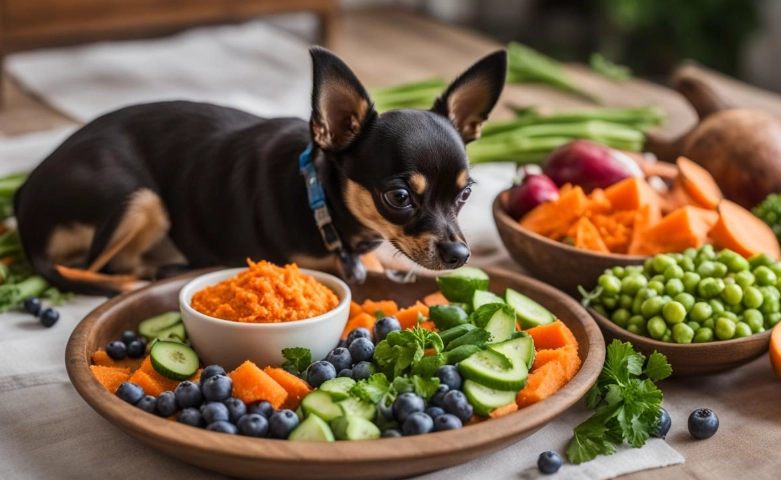
Now, the fun part: rotation. After a few weeks on chicken, switch the protein to lean ground turkey or 90/10 ground beef. Swap brown rice for quinoa or diced sweet potato. Use different veggie mixes: zucchini and peas one week, pumpkin and broccoli the next. This provides a spectrum of nutrients and reduces the risk of new sensitivities developing.
The 3 Mistakes Almost Everyone Makes
- Ignoring Calcium: We covered this. It's the #1 reason homemade diets get a bad rap from vets.
- Using Unsafe Ingredients: Onions, garlic, grapes, raisins, macadamia nuts, and xylitol are toxic. Avocado and large amounts of salt aren't great either. Keep it simple and safe.
- "Winging" the Proportions: Eyeballing leads to imbalance. For the first few months, use a kitchen scale and measuring cups. It becomes second nature.
How to Actually Make the Switch Without a Mess
Cold turkey switches cause diarrhea. Guaranteed. Transition over 7-10 days.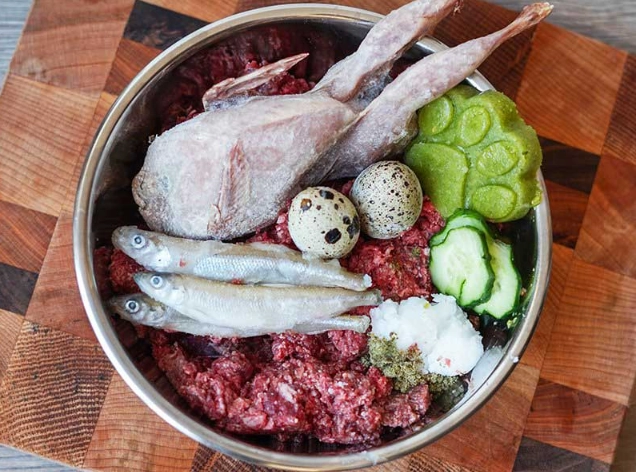
| Day | Old Food | New Homemade Food | Notes |
|---|---|---|---|
| 1-3 | 75% | 25% | Mix thoroughly. Watch stool consistency. |
| 4-6 | 50% | 50% | The halfway point. Adjust if stools are loose. |
| 7-9 | 25% | 75% | Almost there. You'll likely see more energy. |
| 10+ | 0% | 100% | Fully transitioned. Monitor weight monthly. |
Store food in the fridge for up to 4 days, or freeze in weekly portions. I use reusable silicone containers.
The Real Cost: Time & Money
Let's talk numbers. For my 30-pound dog eating this diet, it costs about $2.50-$3.50 per day, depending on protein sales. That's comparable to a high-end premium kibble or wet food. The upfront cost of supplements is the main extra.
Time? I block out 90 minutes every Sunday. I cook the rice in a rice cooker, brown meat and steam veggies in two pans simultaneously, mix, and portion. While it cooks, I do other chores. It's become a relaxing ritual. For busier folks, you can double the batch and freeze half of it for two weeks of meals.




Join the Conversation