Choosing a dog by breed often means falling for a look or a personality trait. That fluffy coat, those soulful eyes, that goofy grin. But behind every breed standard is a genetic blueprint that includes not just the cute stuff, but a predisposition to specific health issues. I've seen too many owners heartbroken because they didn't know what to look for until it was too late. A Dachshund owner surprised by a $7000 back surgery. A Labrador family watching their young dog limp from elbow dysplasia.
It's not about fear-mongering. It's about empowerment. Knowing your breed's health risks is the first step in preventing them, or at least catching them early when management is most effective. This guide dives deep into the common health problems tied to popular breeds, but more importantly, it gives you a real action plan.
What's Inside This Guide
Why Your Dog's Breed is a Health Crystal Ball
Purebred dogs are created by selective breeding to emphasize certain physical traits. That same process, unfortunately, can amplify harmful recessive genes. When you narrow a gene pool for looks, you often concentrate health problems too. It's a trade-off. The University of California, Davis, has conducted extensive studies on canine genetic diversity, highlighting the challenges within closed registries.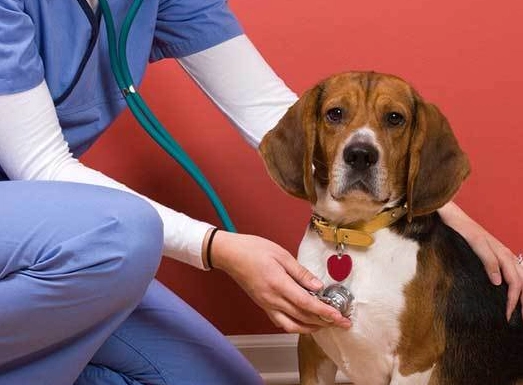
Think of it this way: breeding for a super-flat face (like in Pugs) directly causes breathing problems. Breeding for a long, low body (like in Corgis) stresses the spine. It's not an accident; it's a direct consequence of the anatomy we've chosen.
The biggest mistake new owners make? Assuming a reputable breeder guarantees a healthy dog. It increases the odds dramatically, but it's not a 100% shield. Genetics are a lottery, even with tested parents. Your job is to stack the deck in your dog's favor.
A Look at Common Health Profiles by Breed Group
Let's break it down. Grouping breeds by their original function gives us clues about their shared vulnerabilities.
Remember This:
This table isn't meant to scare you away from a breed. It's a checklist for conversation with your breeder and vet. A "prone to" label means the incidence is higher than in the general dog population—it's not a certainty.
| Breed Group / Examples | Common Health Issues | Why It Happens |
|---|---|---|
| Sporting & Working Breeds (Labrador, Golden Retriever, German Shepherd) |
Hip & Elbow Dysplasia, Certain Cancers (Lymphoma, Hemangiosarcoma), Bloat (GDV) | Large, fast-growing frames stress joints. Genetic predispositions in certain lines. Deep chests increase bloat risk. |
| Brachycephalic (Flat-Faced) Breeds (Bulldog, Pug, French Bulldog, Boston Terrier) |
Brachycephalic Obstructive Airway Syndrome (BOAS), Heat Stroke, Eye Ulcers, Dental Crowding | The shortened skull compresses airways, traps heat, and causes eye protrusion. Jaw is too small for teeth. |
| Toy & Small Breeds (Chihuahua, Pomeranian, Yorkshire Terrier, Shih Tzu) |
Patellar Luxation (trick knee), Dental Disease, Tracheal Collapse, Heart Murmirs (MVD) | Delicate skeletal structure. Tiny mouths crowd teeth. Fragile trachea. Genetic heart valve issues. |
| Dachshunds & Other Long/Low Breeds (Dachshund, Corgi, Basset Hound) |
Intervertebral Disc Disease (IVDD) – back problems | The long spine and short legs are mechanically unstable. Discs can herniate easily, even from jumping off a couch. |
| Giant Breeds (Great Dane, Irish Wolfhound, Saint Bernard) |
Bloat (GDV), Heart Disease (DCM), Bone Cancer (Osteosarcoma), Shortened Lifespan | Extreme size strains all body systems. Rapid cell growth may be linked to cancer. Deepest chests = highest bloat risk. |
See a pattern? Structure dictates function, and dysfunction. A German Shepherd's angled hindquarters, bred for endurance trotting, are a classic setup for hip issues. It's the price of that distinctive silhouette.
The Golden Retriever Case Study: More Than Just Hip Dysplasia
Everyone knows Goldens get hip dysplasia. But focusing solely on that misses the bigger picture. Over my years in canine wellness, I've seen a troubling rise in specific cancers within the breed, like hemangiosarcoma and lymphoma. The Morris Animal Foundation's Golden Retriever Lifetime Study is a massive ongoing project trying to figure out why. Early data points to complex interactions between genetics, diet, and environment.
The lesson here? For a Golden, a good breeder will show you hip and elbow scores, but they should also be talking about the cancer history in their lines for multiple generations back. It's a tougher conversation, but a crucial one.
How to Spot Early Warning Signs (Before It's an Emergency)
Vets call this "subclinical" – the disease is there, but your dog isn't obviously sick yet. Catching things here is a game-changer.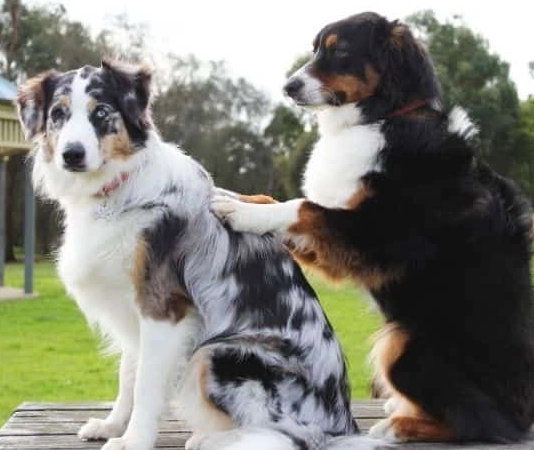
- For Joint Issues (Hips, Elbows, Knees): Watch for a "bunny hop" run, stiffness after rest, reluctance to jump into the car, or sitting oddly with a leg splayed out. That occasional "skip" on a back leg? Likely a luxating patella.
- For Heart Issues: A subtle cough, especially at night or after lying down. Getting tired more quickly on walks. Less enthusiasm for play.
- For BOAS (in flat-faced dogs): It's more than snoring. Listen for noisy breathing even when awake and resting. Watch for gagging or vomiting white foam, and rapid tiring or collapse in warm weather.
- For IVDD (in long-backed dogs): Shivering, hunched back, sudden yelping for no reason, hesitation to go up stairs. These can precede a full-blown paralysis episode.
Your phone is your best tool. Take videos of any odd movement or behavior to show your vet. They last a few seconds; your description might not be accurate.
Your Breed-Specific Prevention Plan: Action Over Anxiety
Knowledge is useless without action. Here’s your checklist, tailored to your dog's breed risks.
1. The Pre-Puppy Investigation: Don't just ask the breeder "are the parents healthy?". Ask for the actual Orthopedic Foundation for Animals (OFA) or PennHIP numbers for hips and elbows. Ask for eye exam certificates from a veterinary ophthalmologist (not just a regular vet). For prone breeds, ask about cardiac exams. A good breeder will have this all at their fingertips.
2. The Lifestyle Adjustments:
For large/giant breeds, slow growth is critical. Use a large-breed puppy food, don't over-exercise young pups, and keep them lean. For deep-chested breeds (Great Danes, Weimaraners, Setters), research bloat prevention: raised feeders might be bad, stress is a factor, and know the location of your nearest 24-hour emergency vet. A prophylactic gastropexy surgery (tacking the stomach) is a serious conversation to have with your vet during spay/neuter.
For long-backed breeds, ramps are non-negotiable. No jumping on/off furniture. No stairs if possible. Keep their core muscles strong with controlled swimming or walking, not fetch.
For flat-faced breeds, harness only—never a collar. Exercise in the cool parts of the day. Be fanatical about weight management; extra fat in the neck worsens breathing. Learn their normal gum color so you can spot oxygen deprivation (blue/purple gums).
3. The Proactive Vet Schedule: Go beyond vaccines. Schedule a "breed baseline" appointment. For a 2-year-old Labrador, that might mean X-rays to check joint development. For a Cavalier King Charles Spaniel, an early cardiac ultrasound. It establishes a normal for YOUR dog, making future changes easier to spot.
It sounds like a lot. It is. But it's the difference between being a passive owner and an active advocate. It's what turns a statistic into a managed, happy life for your specific dog.
Your Top Health Questions Answered
The goal isn't to make you paranoid. It's to give you clarity. When you understand the built-in challenges of your chosen breed, you stop reacting to emergencies and start managing a lifelong wellness plan. You choose a different toy to protect a back. You plan a different walking route to protect a heart. That's the power of knowing. It transforms you from just an owner into your dog's most informed and effective healthcare advocate.





Join the Conversation