Grooming your dog at home doesn't have to be a battle. It can be a bonding experience that saves you money and keeps your pup in top shape. I remember the first time I tried to bathe my Golden Retriever, Max – it was a soapy, chaotic mess that ended with both of us exhausted. But over the years, I've learned it's all about the right approach and tools. This guide breaks down the entire process into manageable steps, so you can avoid the common pitfalls and actually enjoy the time spent caring for your dog's coat, nails, and ears.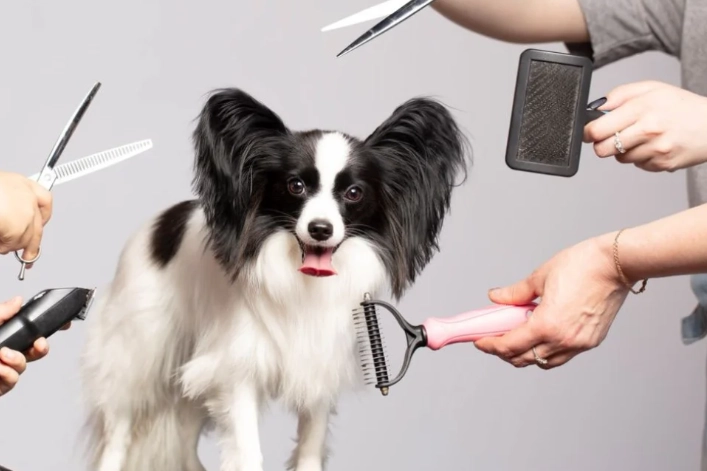
Here's What We'll Cover
Essential Dog Grooming Tools You Actually Need
You don't need a professional salon's worth of equipment. Start with these basics. Buying cheap tools is a false economy – a good slicker brush or pair of clippers will last years and make the job easier.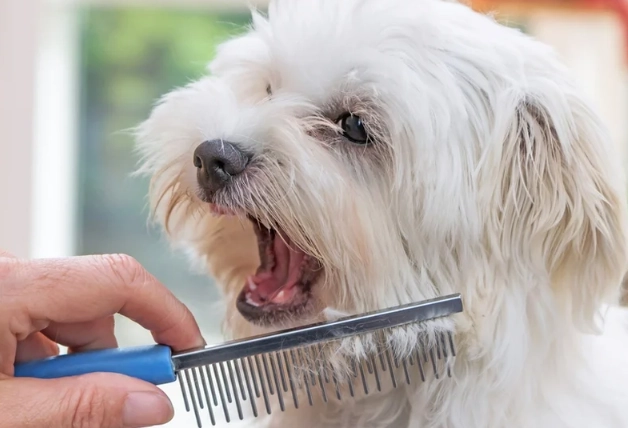
| Tool | What It's For | Beginner Notes & Product Examples |
|---|---|---|
| Brushes & Combs | Removing loose hair, preventing mats, distributing oils. | You likely need TWO: a slicker brush (for most coats; look for tipped pins like the Chris Christensen Big G Slicker) and a undercoat rake or deshedding tool (for double-coated breeds like Huskies). A greyhound comb is your final check for tangles. |
| Dog-Specific Shampoo & Conditioner | Cleaning without stripping natural oils. Conditioner helps with detangling. | Human shampoo is too harsh. Get a gentle, soap-free formula. For frequent baths, an oatmeal-based shampoo is safe. Earthbath and Burt's Bees are reliable brands. |
| Nail Clippers or Grinder | Keeping nails short to avoid pain and posture issues. | Scissor-style clippers (like Millers Forge) are great for beginners. A Dremel grinder is less likely to quick the nail but can be noisy. Have styptic powder on hand for accidents. |
| Ear Cleaner & Cotton Balls | Preventing infections by removing wax and moisture. | Use a vet-recommended solution like Zymox or Epi-Otic. Never use Q-tips deep in the ear canal. |
| Toothbrush & Toothpaste | Fighting plaque and bad breath. | Must be dog-specific toothpaste (no fluoride). Finger brushes can be easier to start with than traditional brushes. |
Optional but helpful: a high-velocity dryer (a game-changer for thick coats but an investment), grooming wipes for between baths, and a non-slip mat for the tub or table.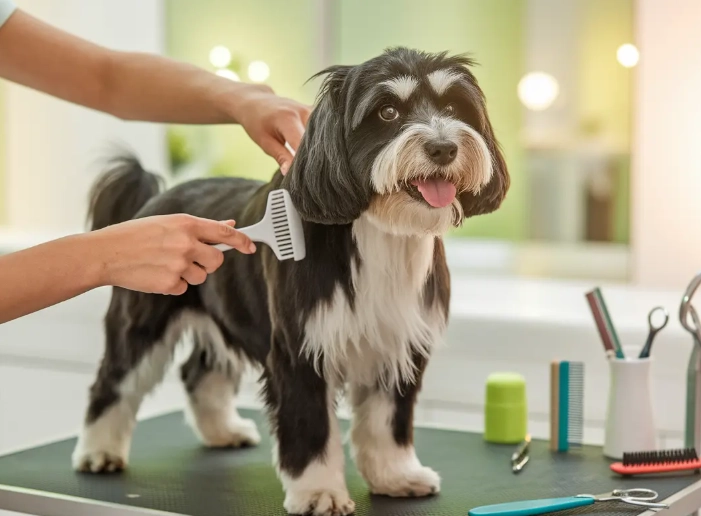
How to Groom a Dog at Home: The Complete Step-by-Step Process
Don't try to do everything in one go the first time. Break it up over a few days. The goal is positive associations, not a perfect show cut.
Step 1: The Pre-Bath Brush-Out (The Most Important Step)
Never, ever bathe a matted dog. Water tightens mats into impossible, painful knots. This step is non-negotiable.
- Start with your slicker brush. Work in sections, brushing with the hair growth first.
- Lift the top layer of hair and brush the undercoat. Pay special attention to high-friction areas: behind the ears, under the collar, armpits, and the "pants" behind the thighs.
- Follow up with your comb. It should glide through the coat without catching. If it catches, go back with the brush.
- For heavy shedders, use your undercoat rake now. You'll be shocked at the hair you remove.
Step 2: The Bath
Prep your station: lukewarm water, shampoo within reach, towels on the floor. A handheld sprayer is ideal.
- Wet your dog thoroughly, avoiding the face for now. Get all the way down to the skin.
- Apply shampoo from the neck down, lathering as you go. Don't pour it directly on their head.
- Massage it in – most dogs love this part. Let it sit for 5-10 minutes if it's a medicated or deep-cleaning shampoo.
- Rinse, rinse, and rinse again. Soap residue is a major cause of itchy skin. The water should run completely clear.
- Apply conditioner if using, rinse thoroughly.
- Finally, gently wipe the face with a damp washcloth. You can use a tiny bit of shampoo on the cloth for a dirty muzzle, but be extremely careful around the eyes.
Step 3: Drying & The Post-Bath Brush
This is where you prevent post-bath tangles.
- Towel dry vigorously. For long-haired dogs, don't rub chaotically. Squeeze and blot sections of hair.
- If using a blow dryer, use the cool or warm setting, never hot. Keep it moving and use a brush to lift the hair as you dry. The American Kennel Club's grooming guide emphasizes the importance of thorough drying to prevent hot spots.
- Once the coat is about 90% dry, give it a final brush and comb through. The coat will be tangle-free and fluffy.
Step 4: The Finishing Touches (Nails, Ears, Teeth)
Do these after the bath when your dog is (hopefully) relaxed.
Nail Trimming: Hold the paw firmly but gently. Identify the quick (the pink part inside clear nails). In black nails, it's invisible, so make small clips and look for a whitish-gray center – a black dot means you're near the quick. Clip just before that point. If you're nervous, just take the very tip off weekly.
Ear Cleaning: Soak a cotton ball with ear cleaner. Lift the ear flap and wipe the visible part of the inner ear, only where your finger can reach. Don't dig deep. Do this until the cotton ball comes out clean.
Teeth Brushing: Let your dog taste the toothpaste first. Gently lift the lips and brush in small circles, focusing on the outside surfaces of the teeth. Even 30 seconds is beneficial.
Common Beginner Grooming Mistakes (And How to Avoid Them)
I've made most of these, so learn from my errors.
Mistake 1: Brushing Only the Top Layer
This creates a false sense of security. A smooth top coat can hide a matted undercoat. You must brush all the way to the skin. Part the hair and check as you go.
Mistake 2: Using Water That's Too Hot or Too Cold
Lukewarm is the key. Test it on your inner wrist. Hot water is uncomfortable and can dry the skin; cold water is miserable and makes rinsing harder.
Mistake 3: Neglecting the Ears and Nails Between Grooms
Ear infections and overgrown nails cause real suffering. Make a quick weekly check part of your routine. Look for redness, odor, or excessive wax in ears. Listen for clicking on the floor from nails.
Your Dog Grooming Questions, Answered
Join the Conversation