Let's be honest. You already know how to give a basic bath and haircut. You've mastered the clippers and can blow-dry a Poodle without causing a tornado of fear. But the phone keeps ringing with clients who have "that one difficult dog," or you're staring at a severely matted coat wondering where to even start without causing stress or harm. That's where the real craft begins. This isn't about the 101 stuff; it's about the nuanced, often unspoken dog grooming tips for professionals that separate a good groomer from a great one. The kind of tips that build unshakable client trust and turn challenging grooms into your signature successes.
I remember a Springer Spaniel named Barney. His owner brought him in, apologizing profusely for the mats behind his ears. They were bad, really bad—tight to the skin. The easy route would have been to shave them out quickly. But taking an extra twenty minutes, using the right detangling spray (the American Kennel Club has great resources on coat types that inform product choice), and working with a slicker brush in tiny sections saved most of his feathering. The owner cried (happy tears), and that dog became a loyal client for life. That's the power of advanced technique and patience.
Mastering the Mind: Low-Stress Handling is Your #1 Tool
Your shears and clippers are useless if the dog is a trembling, anxious mess. For me, low-stress handling isn't a trendy buzzword; it's the absolute foundation of every single groom. It's the most critical set of dog grooming tips for professionals I can emphasize. This goes far beyond "being nice." It's a systematic approach to reading canine body language and adapting your process accordingly.
Pro Insight: Watch the eyes and the mouth. A hard stare, whale eye (seeing the whites), or a tightly closed, tense mouth are bigger red flags than a growl. A growl is a clear communication. Those subtle signs are the dog pleading with you to stop before they feel forced to escalate.
For dogs that hate their feet being handled, don't just grab a paw. Start by resting your hand gently on their shoulder, then slowly slide it down the leg during a calm moment. Apply minimal pressure. Let them get used to the weight of your hand before you even think about lifting. I've had success with "paw targeting," where I touch a dab of peanut butter to a grooming table post and reward the dog for placing a paw near it. It builds positive associations.
And the dryer? A major trigger. For scared dogs, I often do a "dryer introduction" at the end of a previous groom. No water, no bath. Just a happy visit where they get treats with the dryer off, then on the lowest, coolest setting from a distance. The next full groom is infinitely easier. The American Veterinary Medical Association (AVMA) stresses the importance of fear-free handling for animal welfare, and it directly impacts the quality and safety of your work.
Building Your Calm-Down Toolkit
Every pro should have a non-force arsenal. Here's what's actually in my salon:
- Lick Mats: Smear with canned food, yogurt, or peanut butter (xylitol-free!), freeze it, and stick it to the tub or table. It's a powerful distraction.
- Adjustable Height Tables: Lowering the table for a nervous dog can make them feel less trapped. It's a simple trick with a big impact.
- Multiple Loop Options: A standard neck loop isn't right for every dog. I have comfort loops that go around the belly and rear for dogs who panic about hind leg support.
- Calming Pheromone Sprays: Like Adaptil. I'm skeptical of most "miracle" products, but the science on dog-appeasing pheromones is decent. I spray it on a bandana and tie it to the table leg. Does it work for every dog? No. But if it helps one in three, it's worth it.
The Art of the Blade: Technical Grooming Tips for Professionals
Okay, let's talk shop. The hands-on skills. This is where your precision and knowledge of breed standards (and pet trims) come into play. A common pitfall I see is groomers using the wrong tool sequence, leading to a choppy finish or unnecessary wear on their equipment.
Blending and Scissoring Like a Pro
The transition from a shorter clipper blade to longer scissored hair should be seamless, not a visible line. My method? After clipping the body with, say, a #4F, I go over the blend areas with a longer attachment comb (like a ¾" or 1") against the growth of the hair. This pulls up the shorter hair and blends it into the longer sections. Then, I use my thinners, not my straights, for the initial blending. Thinners remove bulk without creating a hard edge. Save the straight shears for the final, definitive lines.
And for the love of all that is good, keep your blades and shears sharp. A dull blade pulls hair, heats up, and irritates the skin. A dull scissor mashes the hair instead of cutting it, leading to a ragged finish. I send my main shears out for professional sharpening every 6-8 weeks, and I have a fine ceramic hone for a quick touch-up between grooms.
Safety First: Always, always check blade temperature on the inside of your wrist before touching it to a dog. A hot blade is a fast track to a thermal burn and a lawsuit. Cool Care spray is not optional; it's essential.
The Matting Dilemma: To Shave or to Save?
This is a huge ethical and practical challenge. My rule of thumb: If I cannot easily slip a fine-toothed comb down to the skin, it's a shave-out situation. Trying to demat severe pelting is painful, can cause brush burn, and destroys the underlying healthy coat. It's not kindness; it's torture.
For less severe tangles, here's a step-by-step that has saved many a coat:
- Pre-Treat: Saturate the area with a high-quality, leave-in conditioner or detangling spray. Let it sit for 5-10 minutes to work.
- Divide and Conquer: Isolate a small section of the mat, no wider than your comb.
- Start at the Bottom: Use the tip of your comb or a mat splitter to gently tease apart the very bottom edges of the mat. Work in, not down.
- Switch to a Slicker: Once you have some loose hair, use a slicker brush in short, gentle strokes on that small section only.
- Re-comb and Repeat: Comb through. If it doesn't glide, go back to step 3.
This process is time-consuming. You must charge accordingly and communicate with the owner why it costs more than a standard groom. Show them the mat you removed. Education is part of our job. The National Dog Groomers Association of America offers excellent guidelines on humane dematting practices.
The Groomer's Toolkit: What You Really Need
Forget the flashy, gimmicky tools advertised on social media. A solid, reliable kit is built on fundamentals. Here’s a breakdown of my non-negotiables and why they earn their spot in my caddy.
| Tool Category | Specific Recommendation | Why It's Essential | Pro Tip / Watchout |
|---|---|---|---|
| Clippers | Two main units: A 5-speed corded/cordless for body work & a quiet, low-vibration for face/feet. | Power and reliability for bulk work, paired with finesse for sensitive areas. A backup is mandatory. | Clean the blade drive weekly. Motor burnout often starts with built-up hair and grime. |
| Blades | #10, #7F (or #7FC), #4F, #5F/7F skip-tooth. Ceramic-coated for cooler running. | The workhorses. A #7F is the most versatile all-rounder. Skip-tooth blades are superior for matted or thick coats. | Invest in a good blade wash and lubricant. Oiling before AND after each use extends life dramatically. |
| Shears | Straight 8.5", Thinning 7.5" (40+ teeth), Curved 7.0". | Straights for lines, thinners for blending and finish, curves for round shapes (faces, paws). | Don't drop them. Seriously. The cost to repair a dropped shear often nears replacement cost. |
| Brush/Comb | Slicker (fine & coarse), Pin Brush, Greyhound Comb (wide & fine), Undercoat Rake. | Different coats need different tools. A Greyhound comb is the final judge of a tangle-free coat. | Test slickers on your own arm. If it scratches you, it will scratch a dog. Look for polished tips. |
| Dryer | High-velocity force dryer & a stand-mounted fluff dryer with heat. | Force dryer for speed and penetrating the undercoat. Fluff dryer for finishing and setting style. | Never use high heat directly on the skin. Always keep the dryer moving. Ears are especially sensitive. |
You'll notice I didn't list a specific brand. That's because what works for my hands and technique might not work for yours. Go to a trade show, hold the tools, feel the weight. The International Professional Groomers (IPG) often has vendor areas at their events where you can test equipment. That's a far better method than buying the most expensive set online based on a review.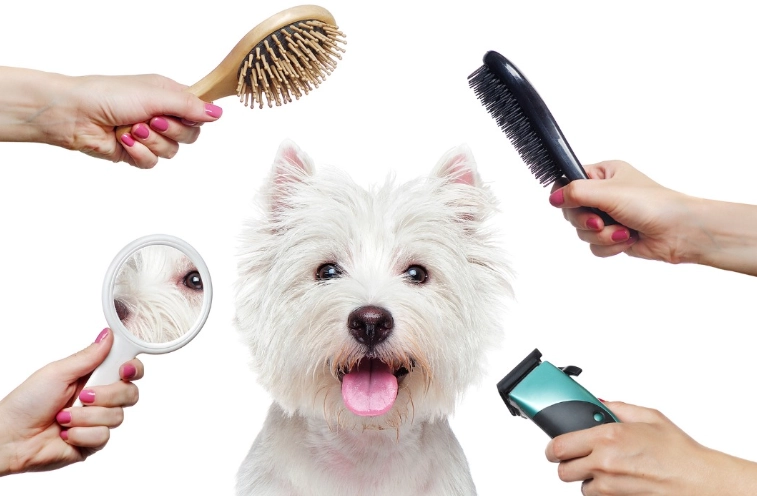
Navigating the Tricky Stuff: Sensitive Areas and Special Cases
Ears, eyes, pads, and sanitary areas. These are the make-or-break zones where a small mistake causes big problems. Here’s my field-tested approach.
Ears and Eyes: No Room for Error
Plucking ear hair is controversial. My policy, informed by conversations with vets, is: I only pluck if there is a visible, significant buildup of hair and the ear canal is healthy (no redness, odor, or discharge). I use hemostats and a gentle powder for grip, and I pull in tiny amounts, with the grain of growth, never against it. If there's any sign of infection, I stop and recommend a vet visit. It's not my job to diagnose, but it is my job to observe and report.
For trimming around the eyes, I use only blunt-tipped, curved shears. My other hand is constantly cupping the head to stabilize it. I ask the owner to hold a treat near the dog's nose to get them to look a certain direction. If the dog is too wiggly, I don't chase the eye with my shears. It's not worth the risk. A slightly uneven trim is infinitely better than a corneal abrasion.
The Senior and Arthritic Dog
These are some of my favorite clients, but they require a different pace. A senior dog grooming tip for professionals is to forget the standard table time. Provide plenty of padded, non-slip surfaces. I keep thick yoga mats on the floor for dogs who can't stand for long. I do the groom in stages: bath, dry the back, let them rest on the mat, trim the top, let them rest, do the legs. It takes longer, but the dog's comfort is the priority. I also communicate with the owner about any new lumps, bumps, or stiffness I notice—they often appreciate the extra set of eyes.
Beyond the Groom: The Business of Being a Professional
Your technical skill gets dogs in the door, but your business sense keeps the doors open. This might be the most overlooked area in discussions about dog grooming tips for professionals.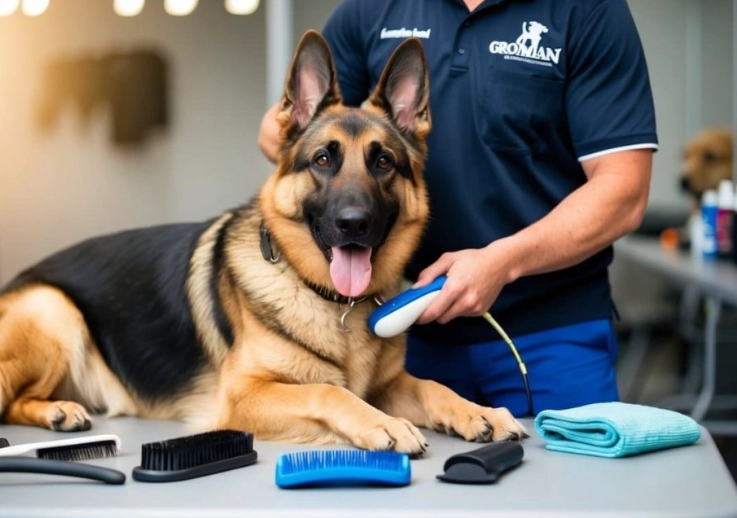
Communication is Everything
Take clear "before" photos, especially of problem areas like mats or skin issues. This protects you. Then, have a concise consultation. Don't just ask, "What length?" Ask about lifestyle. "Does he swim? Does he get burrs in his coat on hikes?" This informs your recommendation. After the groom, do a "show and tell." Point out what you did, any issues you found (a small hot spot, a loose tooth), and what you recommend for next time.
Managing Your Body and Your Mind
This job is physically brutal. Invest in good, supportive shoes. I wear compression sleeves on my wrists. Stretch before and after work. Consider regular massages—it's a business expense. Mentally, learn to detach. You cannot save every dog from a neglectful owner. You can only do your best for the dog in your care at that moment. Document everything, have clear policies (vaccination requirements, cancellation fees), and don't be afraid to "fire" clients who are abusive, chronically late, or consistently bring in dangerously matted pets.
So there you have it. A deep dive into the real-world, gritty, and rewarding aspects of professional dog grooming. It's a blend of animal psychology, veterinary first-aid, hairdressing, and small business management. The core dog grooming tips for professionals always circle back to patience, continuous learning, and putting the dog's wellbeing at the center of every decision. Keep your tools sharp, your eyes sharper, and remember why you started doing this in the first place. Now go give some amazing dogs an amazing groom.

Join the Conversation