Let's cut straight to the point: you can absolutely start a career caring for small animals without a veterinary degree or years of paid experience. The door isn't just cracked open—it's wide open for people with passion, patience, and a willingness to learn. I've been in this field for over a decade, hiring and training dozens of newcomers, and the biggest mistake I see isn't a lack of skill, but a misunderstanding of where to begin. This guide strips away the fluff and gives you the exact roadmap, from your first volunteer shift to your first paycheck.
Your Quick Path to an Animal Care Career
- Why a Small Animal Care Career is a Smart Choice
- What Does "Small Animal Care" Actually Mean?
- Entry-Level Jobs You Can Get With No Experience
- How to Build Skills and Experience from Scratch
- The Soft Skills That Matter More Than You Think
- Realistic Salary Expectations and Career Growth
- Your Questions Answered (The Real Stuff)
Why a Small Animal Care Career is a Smart Choice
Forget the romanticized version of cuddling puppies all day. It's real work. But it's also stable, growing, and deeply fulfilling. According to the U.S. Bureau of Labor Statistics, animal care and service worker roles are projected to grow as fast as average. Why? Pet ownership is high, and people view their pets as family, spending more on their care.
Here's the non-consensus part: many think this field is low-paying dead-end work. That's only true if you let it be. I started cleaning kennels. That hands-on experience was the foundation for managing a shelter and now consulting. You start with the messy, physical work to earn the trust needed for more advanced roles. It's a meritocracy.
What Does "Small Animal Care" Actually Mean?
We're primarily talking about companion animals. This isn't wildlife rehabilitation or zoo work (those are different, highly specialized paths).
- Dogs & Cats: The bulk of the work. Shelters, kennels, daycares, grooming salons.
- Small Mammals: Rabbits, guinea pigs, hamsters, rats, ferrets. Often found in shelters or specialty rescues.
- Birds & Reptiles: Less common in general settings, but there are rescues and stores that specialize.
The work varies wildly by setting. A day at a high-volume public shelter is chaos, triage, and sanitation. A day at a small private rescue is more focused on behavioral rehab. A day at a boarding facility is routine, exercise, and monitoring.
Entry-Level Jobs You Can Get With No Experience
These are the titles to search for. The formal requirements are usually just a high school diploma and a willingness to work hard.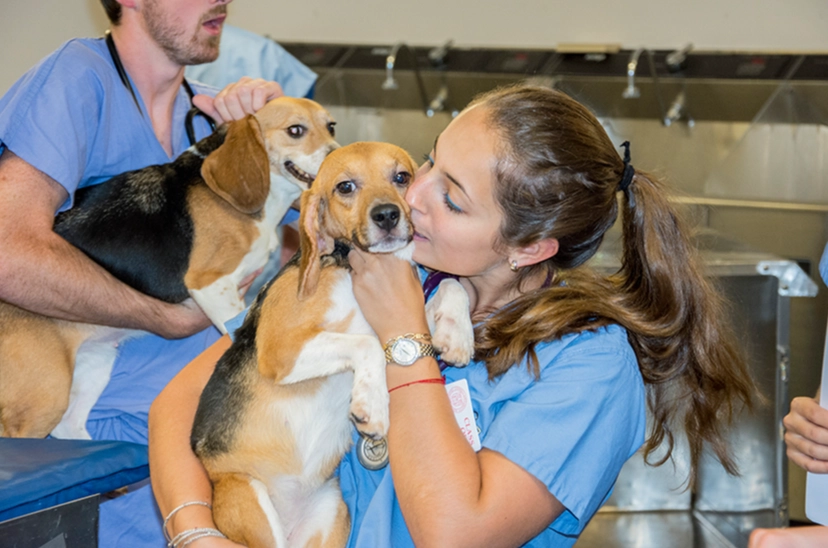
| Job Title | Primary Duties | Typical Workplace | Key for Beginners |
|---|---|---|---|
| Animal Care Attendant / Kennel Assistant | Cleaning enclosures, feeding, watering, laundry, basic facility maintenance. | Animal shelters, veterinary hospitals, boarding kennels. | The most common entry point. It's physically tough but teaches fundamentals of sanitation and observation. |
| Pet Store Associate (Care Department) | Caring for store's small animals (rodents, fish, birds), customer education on pet care, maintaining habitat cleanliness. | Pet retail chains (Petco, PetSmart) or local pet stores. | Great for learning about species-specific care and developing customer service skills. Less emotional stress than shelters. |
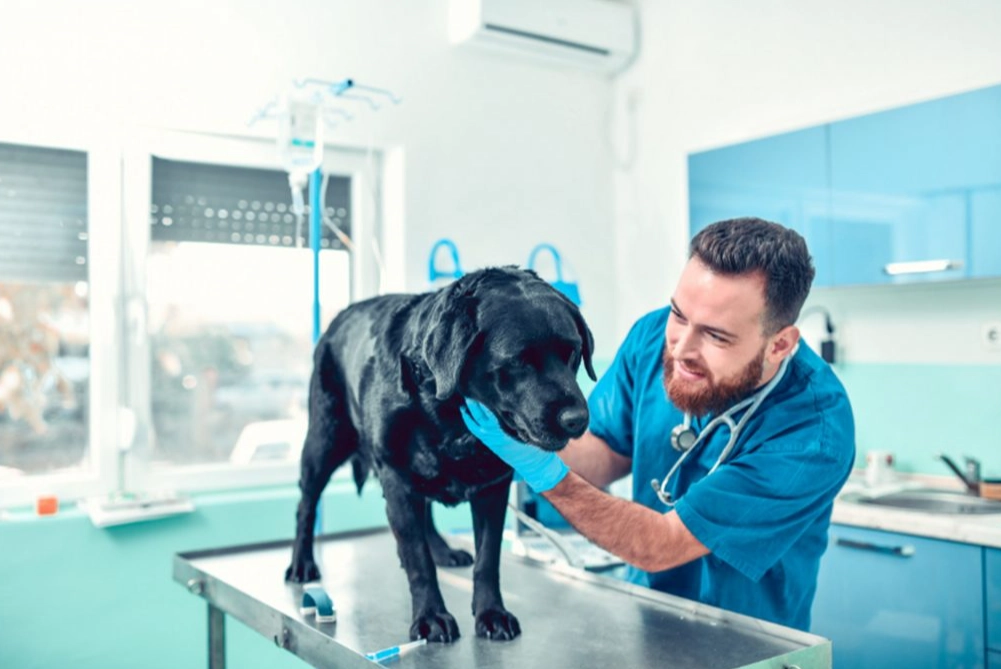
| Veterinary Assistant (Non-Certified) | Restraining animals for exams, cleaning exam rooms, clerical work, basic prep. Note: This is different from a Vet Tech, which requires a degree. | Veterinary clinics, animal hospitals. | Excellent for learning medical terminology and procedures. Often involves on-the-job training. |
| Dog Daycare / Boarding Attendant | Supervising playgroups, monitoring for conflict, providing basic care, cleaning. | Dog daycare centers, luxury boarding facilities. | Focuses heavily on canine behavior and body language. High energy environment. |
| Animal Shelter Volunteer Coordinator Assistant | Scheduling volunteers, basic data entry, assisting with orientation. May involve some hands-on care. | Animal shelters and rescues. | A good mix of admin and animal contact. Shows you understand the operational side. |
See a pattern? Every single one involves cleaning. A lot. If you're not ready to mop floors and scrub bowls, this isn't the field for you. That's the unglamorous truth.
How to Build Skills and Experience from Scratch
You get experience to get a job, but you need a job to get experience? Here's how to break that loop.
Step 1: Volunteer Strategically (Not Just Cuddling)
Walk into any shelter and say you want to socialize cats, and they'll smile. Tell them you're there to clean the rabbit enclosures or help with laundry, and you'll become a superstar overnight.
Where to look: Your local municipal animal shelter, Humane Society branches, or smaller foster-based rescues (search for "[Your City] rabbit rescue" or "small animal rescue").
What to do: Commit to a regular shift (e.g., every Saturday morning for 3 months). Ask to be trained in specific tasks: medicating, basic grooming, or assisting with intake procedures. This turns "volunteer" into "practical experience" on your resume.
Step 2: Leverage Free and Low-Cost Learning
Formal education isn't required, but showing initiative is.
- Fear Free Shelters Program: Offers a free online course on reducing fear and stress in shelter animals. This is a gold star on any application. (Source: Fear Free Pets).
- ASPCA Pro: Provides a wealth of free webinars and resources on shelter medicine, behavior, and operations.
- Local Workshops: Many shelters offer low-cost workshops in pet first aid or canine body language. Attend one.
Step 3: Get Certified in Something (Anything) Tangible
A certification shows you went the extra mile. It doesn't need to be expensive.
Pet First Aid & CPR: Organizations like the American Red Cross or PetTech offer courses. It's a concrete skill you can mention in an interview. "I'm certified in pet first aid, so I can recognize and respond to basic emergencies."
Specific Behavior Certificates: The Certification Council for Professional Dog Trainers (CCPDT) offers a entry-level assessment-based certificate in training. It's a serious commitment but a massive differentiator.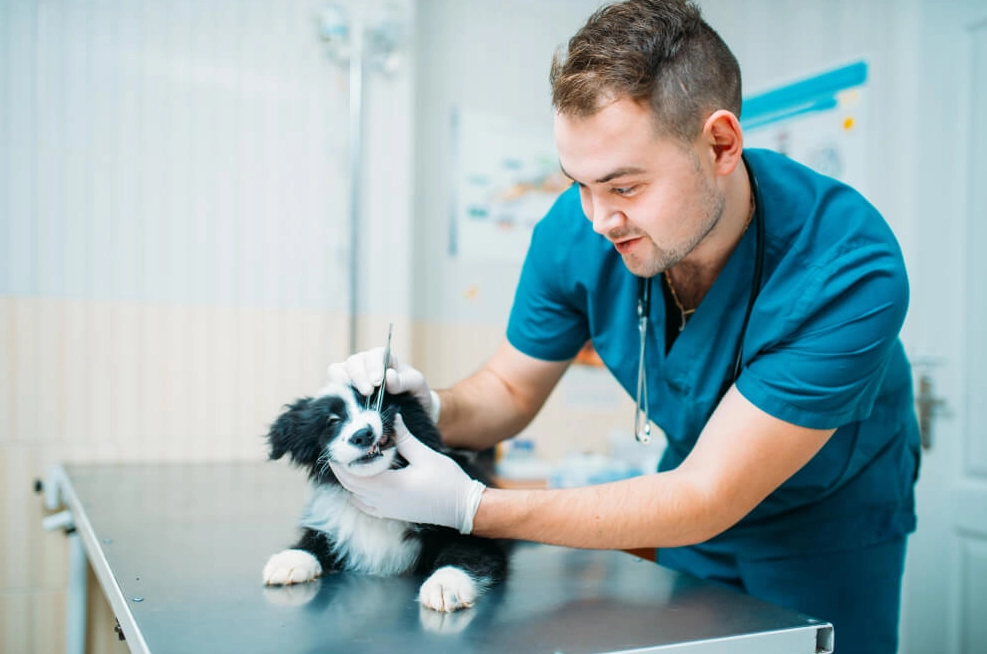
Sarah was a barista with zero animal experience. She started volunteering at a city shelter every Sunday, specifically asking for the isolation ward (the sick animals). She took the free Fear Free course and mentioned it in her weekly chats with the manager. After 4 months, a kennel attendant quit. The manager offered Sarah the paid position on the spot. She had already proven her reliability and basic knowledge. She didn't apply for the job; she earned it from the inside.
The Soft Skills That Matter More Than You Think
You can learn to give a subcutaneous fluid injection. It's harder to learn the right mindset.
Observational Skills: Noticing that a dog is drinking more water than usual, or that a rabbit isn't eating its hay, is often the first sign of illness. This is your most important job—being a detective.
Emotional Resilience: You will see neglect, illness, and euthanasia. You need healthy coping mechanisms. Burnout is high in this field. Talk about it. Good workplaces have staff support.
Teamwork and Communication: You're passing off information at shift change. "The terrier in kennel 5 had soft stool this afternoon." Clear, concise, and critical.
Physical Stamina: It's lifting 40lb bags of food, being on your feet all day, and bending constantly.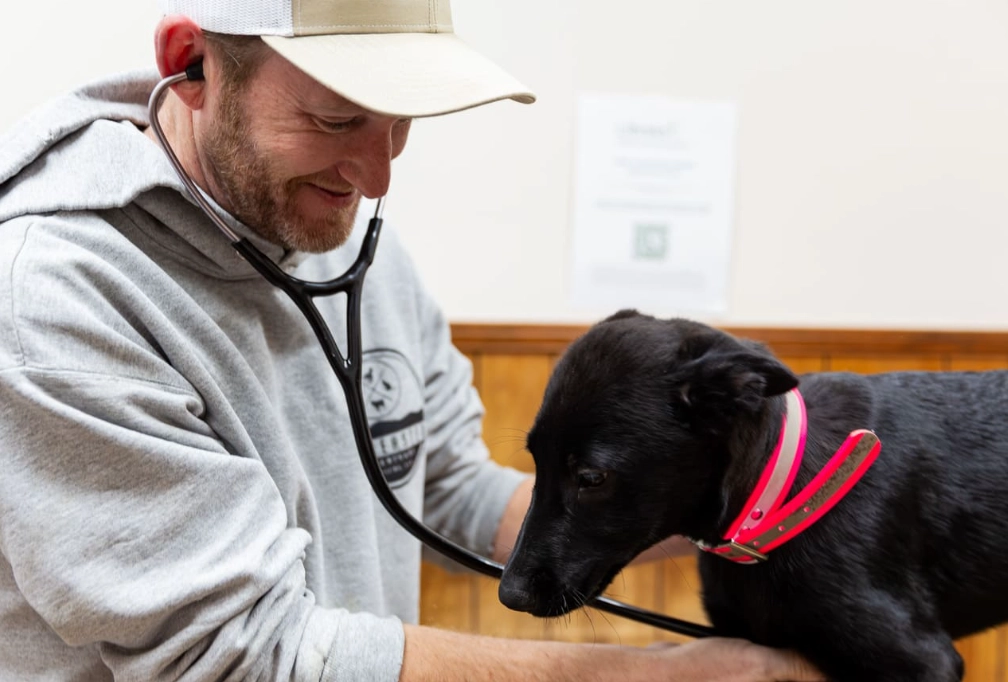
Realistic Salary Expectations and Career Growth
Let's be blunt. Entry-level pay is often near minimum wage. According to BLS data from 2023, the median annual wage for animal care and service workers was about $29,000. In high-cost areas, it might be slightly higher; in rural shelters, lower.
But it's not a ceiling. Growth comes from specialization and responsibility.
- Senior/Lead Attendant: Oversees a team, manages schedules, orders supplies.
- Adoption Counselor: Matches animals with families, conducts interviews. Requires deep behavior knowledge.
- Foster Coordinator: Manages a network of foster homes, a logistics-heavy but vital role.
- Animal Control Officer: Often requires academy training but is a government job with benefits.
- Specialty Care: Becoming the go-to person for neonatal kittens, fearful dogs, or exotic pets.
The path is there. You start by mastering the basics and consistently showing you can handle more.
Your Questions Answered (The Real Stuff)
 Do I need to have pets of my own to be considered?
The bottom line is this: a small animal care career with no experience starts with your feet, not your head. Be prepared to do the humble work better than anyone else. Show up, be reliable, watch, learn, and ask thoughtful questions. The animals need smart, dedicated people. That journey starts the moment you decide to walk through the door of a shelter and pick up a mop.


Join the Conversation