Let's be honest, many of us start with a bag of seeds. It's easy, the parrot seems to love it, and the packaging often has a happy bird on it. I did that too, with my first African Grey, Charlie. He got picky, his feathers lost some luster, and the vet bill for a vitamin A deficiency was a wake-up call. The "green parrot food list" isn't just a list of safe items; it's a blueprint for preventing disease and boredom. After years of trial, error, and consulting with avian vets, here's what I've learned works.
What's Inside This Guide?
The #1 Mistake That Ruins Most Parrot Diets
It's treating seeds as a staple. Here's the non-consensus bit: seeds aren't evil, they're just bird junk food. High in fat, low in critical nutrients like calcium and vitamin A. A parrot on an all-seed diet is like a kid living on french fries. They'll fill up on the tasty, fatty bits and ignore the good stuff.
I learned this the hard way with Charlie. He'd meticulously pick out every sunflower seed, tossing his pellets and veggies to the cage floor. The solution wasn't to ban seeds cold turkey. It was to reclassify them. Seeds became a high-value training treat, not the main course. This single shift changes everything.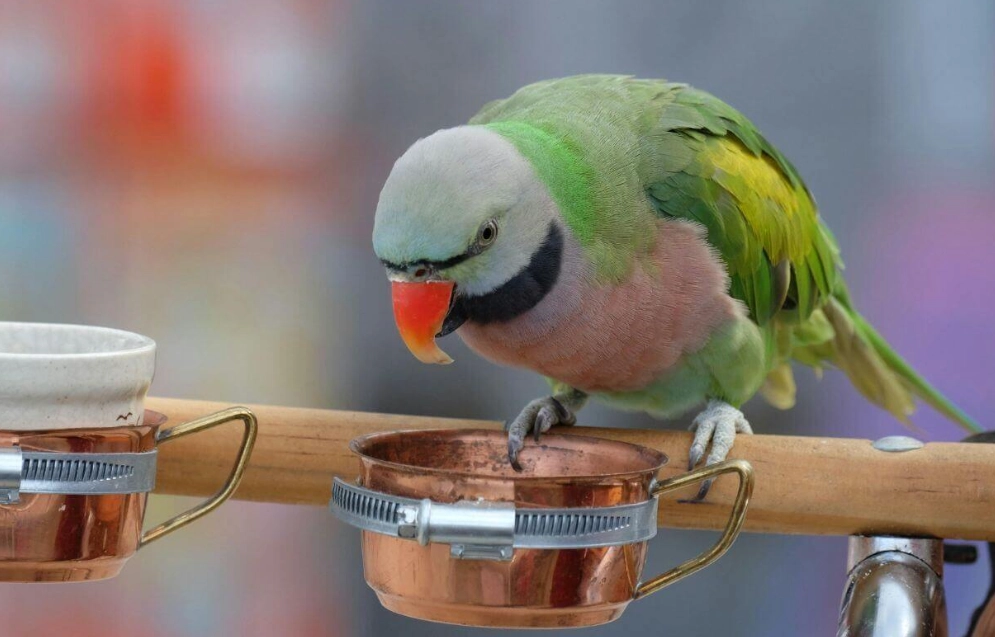
The Foundation: Picking the Right Pellet
Think of a high-quality, formulated pellet as your parrot's daily multivitamin and main calorie source. It ensures they get baseline nutrition even on days they're being stubborn about their broccoli.
Pellet quality varies wildly. Some brands are mostly filler (corn, soy). Look for ones where the first ingredients are things like grains, legumes, and vegetables. Brands like Harrison's, Roudybush, and TOP's Parrot Food are often recommended by avian veterinarians. Don't just buy the first bag you see.
The Fresh Food Checklist: What to Chop & Serve
This is where your green parrot food list comes alive. Variety is crucial. I aim for a "rainbow" over the week. Here’s a breakdown of what's safe and beneficial.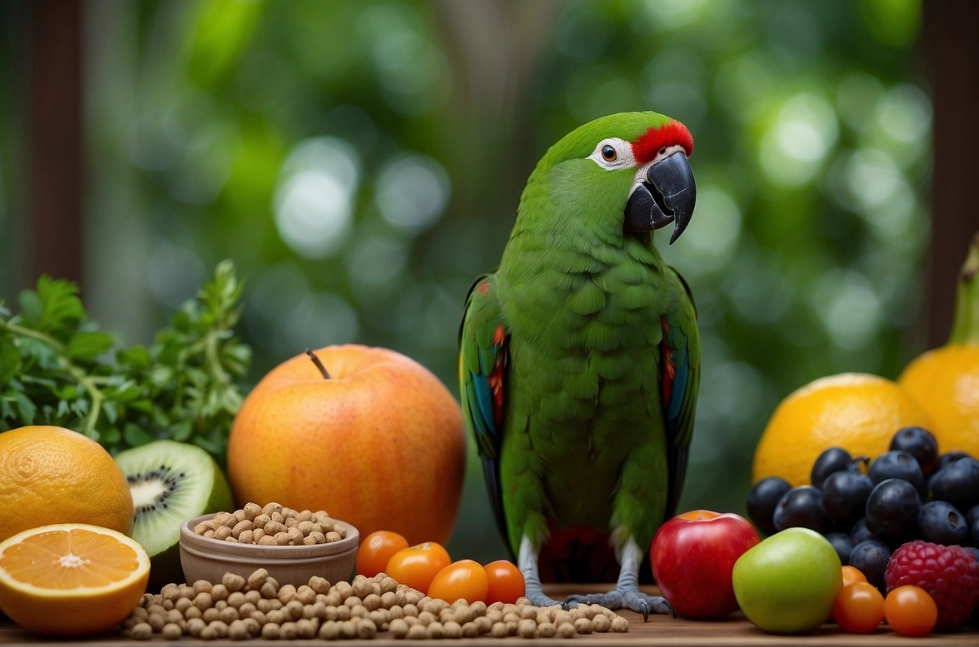
Vegetables (The Daily Workhorses)
These should form the bulk of the fresh portion. Steam hard veggies like sweet potato or pumpkin to soften them.
| Food | Key Benefit | Prep Note |
|---|---|---|
| Dark Leafy Greens (Kale, Chard, Collards) | Calcium, Vitamin A | Chop finely, rotate types to avoid goitrogens in large amounts. |
| Sweet Peppers (All colors) | Extremely high in Vitamin C | Seeds are fine! A favorite for most parrots. |
| Broccoli & Cauliflower | Antioxidants, fiber | Serve florets and stems, raw or lightly steamed. |
| Carrots | Beta-carotene (Vitamin A) | Grate or chop thinly for easy eating. |
| Zucchini / Cucumber | Hydration, low calorie | Good for birds that need to lose weight. |
Fruits (The Occasional Treats)
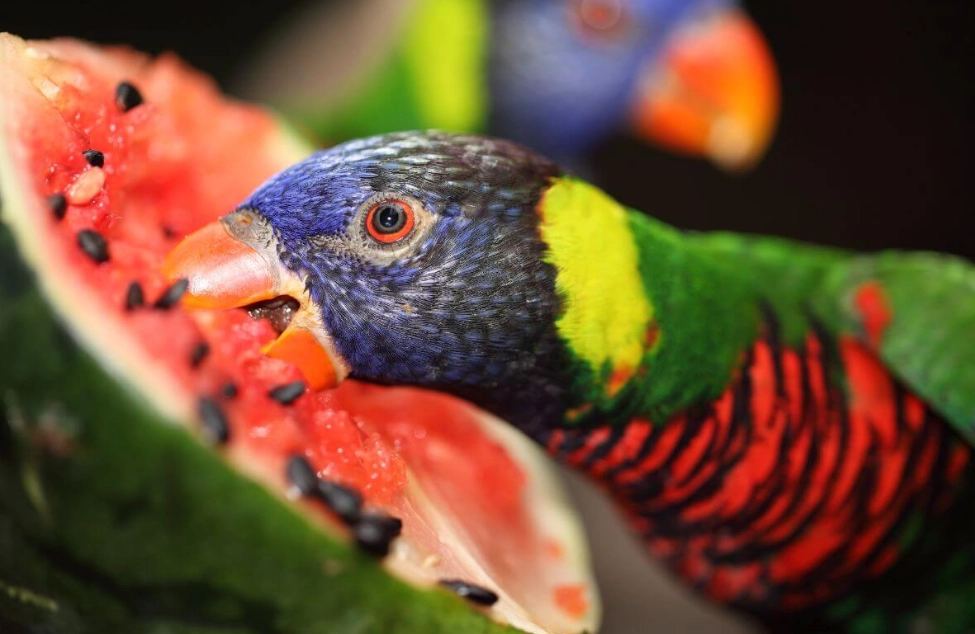
Fruits are high in sugar. Offer them 2-3 times a week, not daily. Berries (blueberries, raspberries) are excellent. Apple (cored), papaya, mango (pit removed), and melon are good choices.
Healthy Proteins & Grains (The Fillers)
A few times a week, add cooked legumes (lentils, chickpeas), cooked quinoa, brown rice, or whole wheat pasta. A bit of hard-boiled egg (with shell crushed) is a great protein and calcium boost, especially during molting.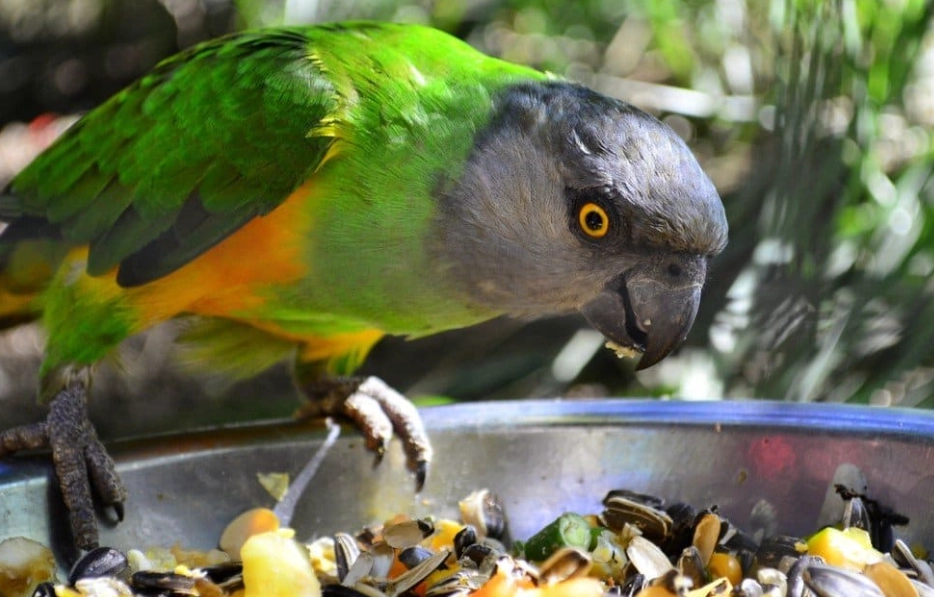
Putting It All Together: A Sample Daily Menu
Here’s what a day might look like for my Amazon, Mango:
Morning (7 AM): A bowl with 2 tbsp of Harrison's pellets. In a separate foraging toy, a mix of chopped kale, red pepper, and a single blueberry.
Afternoon (1 PM): I refresh her veggie bowl if it's empty or add a spoonful of cooked, cooled quinoa mixed with a few peas.
Evening (6 PM): The main "fresh food" meal. Tonight it's a chop of steamed sweet potato, broccoli, and a sprinkle of crushed walnut. All pellets are removed for a few hours to encourage her to eat this.
Treats: A sunflower seed or piece of almond only for stepping up or during training sessions.
This structure provides constant foraging opportunity and separates treat foods from staple foods.
The Absolute No-Go List (Beyond Avocado)
Everyone knows avocado and chocolate are toxic. Here are the less obvious ones that sneak into kitchens:
- Onion & Garlic: In any form—raw, cooked, powdered. They can cause anemia.
- Caffeine & Alcohol: Obvious, but don't let them sip your coffee or beer.
- Fruit Pits & Apple Seeds: Contain cyanide. Always remove pits from peaches, plums, cherries, apricots. Core apples thoroughly.
- Rhubarb: The leaves are highly toxic.
- High-Fat, Salty, or Sugary Human Junk Food: Fries, chips, candy. They lead to obesity and liver disease.
Pro Feeding Tips From a Messy Kitchen
You can have the perfect green parrot food list, but if the bird won't eat it, it's useless.
Eat Together. Parrots are flock animals. Prepare a small, safe version of their chop for yourself (sans dressing) and eat it with them. Seeing you eat is the biggest endorsement.
Texture Matters. Some birds like big chunks to hold, others prefer a fine chop. Experiment. My Grey likes grated food, my Amazon wants big chunks to destroy.
Don't Starve Them Into Submission. The old advice of "just take away the seeds and they'll eat pellets when hungry" is dangerous and stressful. A gradual transition is kinder and more effective.
Make It a Game. Skewer veggies on a stainless steel kabob. Hide treats in a foraging box wrapped in paper. Make them work for it. A bored parrot is a picky parrot.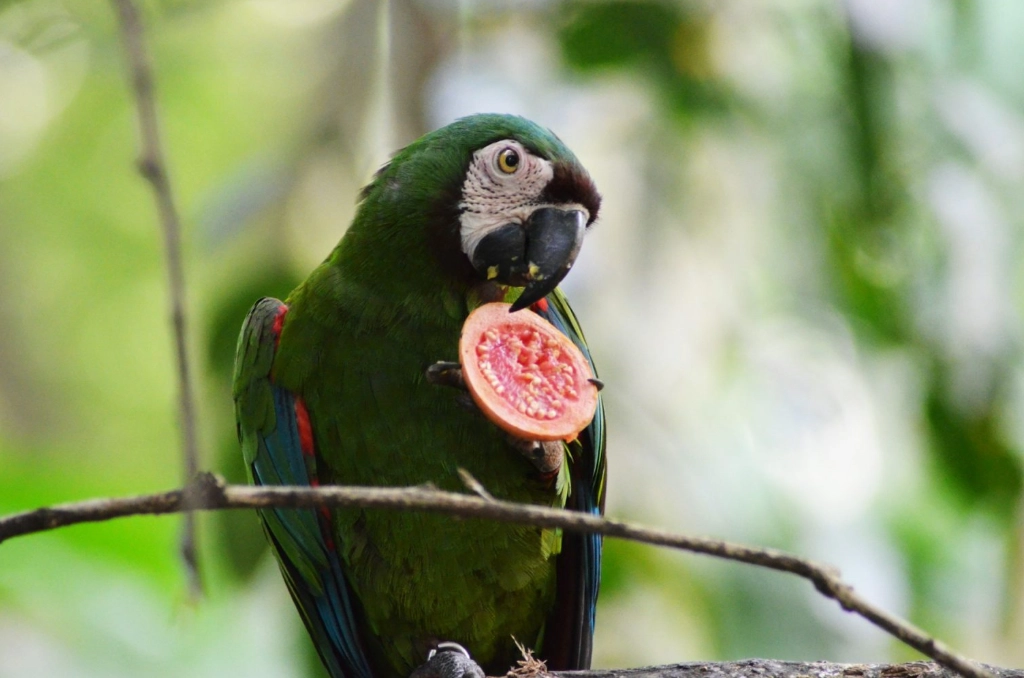
Your Green Parrot Diet Questions, Answered
 How long does it take to prepare fresh food for my parrot daily?
The right green parrot food list isn't a static document. It's a living, changing guide based on your bird's age, species, and health. An Eclectus has different needs than a Macaw. An older, less active bird needs fewer fats. Start with the core principles here—demote seeds, promote pellets and veggies—and you'll be miles ahead. Watch your bird's droppings, feather condition, and energy level. They'll tell you if the diet is working. When in doubt, an avian vet is your best resource. Now, go chop some peppers.


Join the Conversation