Let's be honest. That sound—the constant lick, lick, scratch, scratch—drives you nuts. More importantly, it breaks your heart seeing your pup miserable. You search online, see a dozen scary pictures, and the vet bill estimate makes you gulp. I've been there. My own lab-mix, Buddy, went through a phase of nasty hot spots that had me frantic. That experience sent me down a rabbit hole of research, conversations with vets, and a lot of trial and error. So, let's talk about how to treat dog skin infection at home naturally. Not as a replacement for your vet, but as a sensible, informed first line of defense and supportive care.
Key Point First: This isn't about ignoring serious medicine. It's about using gentle, natural strategies that can soothe mild issues, support healing alongside vet care, and maybe prevent some problems altogether. If your dog has open sores, hair loss in patches, or seems in pain, stop reading and call the vet. This guide is for the early signs, the mild flare-ups, and the maintenance care.
Quick Navigation
Before You Treat: What's Actually Bothering Your Dog?
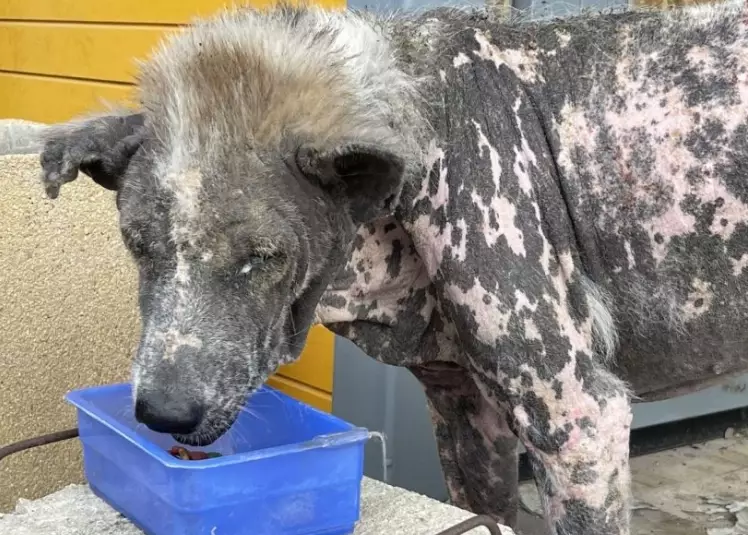
Jumping straight to treatment without a clue about the cause is like putting a bandage on a leaky pipe. It might look better for a second, but the problem will flood back. Dog skin infections (often called dermatitis) are usually a symptom, not the root disease.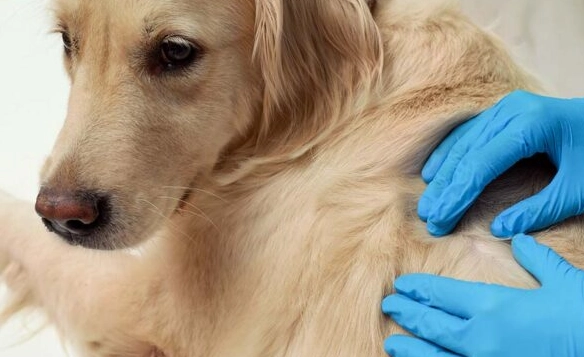
Here’s the breakdown of usual suspects:
- The Allergy Trio: Fleas (just one bite can set off a allergic dog), environmental allergens like pollen (atopic dermatitis), and food sensitivities (chicken, beef, wheat are common culprits). The itching leads to scratching, which breaks the skin, letting bacteria or yeast waltz right in.
- Yeast Overgrowth: That classic smell—corn chips, cheesy feet—often points to yeast. It loves warm, moist areas: ears, paw pads, skin folds, armpits. The skin gets greasy, red, and incredibly itchy.
- Bacterial Infections (Pyoderma): Often secondary to the above. Think pimples, pustules, crusty sores, and that “infected” look. This is where knowing how to treat dog skin infection at home naturally can help create an environment where bacteria struggle to thrive.
- Dry Skin & Environmental: Harsh shampoos, low humidity, poor diet. Simple dryness can crack the skin's barrier.
See what I mean? Putting coconut oil on a yeast feast might make it worse. So, observation is step zero. Where is the itch? What does the skin look and smell like? Taking notes (or pics) helps you track what works.
The Natural Medicine Cabinet: What Actually Works
Okay, let's get to the goods. These are the staples I keep on hand, and they've gotten a nod from many integrative vets. They're about restoring balance, not nuking everything.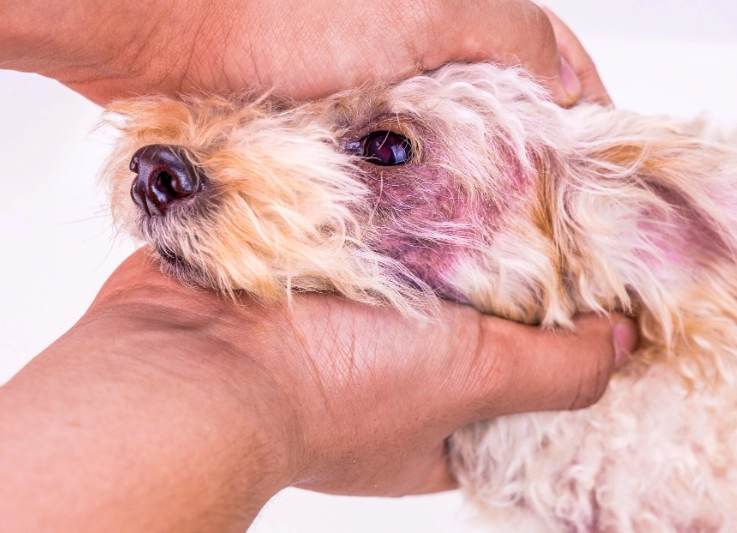
Coconut Oil: The Multi-Tasker
This is probably the most popular item for a reason. It contains lauric acid, which has antimicrobial and antifungal properties. I use it two ways:
- Topically: For small, dry, or mildly irritated patches. I melt a tiny amount in my hands and massage it in. It soothes on contact. But a word of caution: If the area is already oily or yeasty (yeast loves lipids), this can backfire. Best for dry, flaky spots. Also, some dogs will just lick it all off, which is fine internally but stops the topical benefit.
- Internally: This is where I think it shines more. A teaspoon mixed into Buddy's food (adjust for dog size) seems to improve his overall skin coat health from the inside out. It's a healthy fat. Start slow to avoid digestive upset.
Apple Cider Vinegar (ACV): The pH Balancer
This is powerful stuff. The goal isn't to kill everything but to make the skin's surface a less welcoming place for yeast and some bacteria by restoring its slightly acidic pH. NEVER use it on open wounds or raw skin—it will sting horribly. My safe method:
- Paw Soak for Yeasty Paws: Mix 1 part raw, unfiltered ACV with 2-3 parts warm water in a shallow basin. Have your dog stand in it for 5 minutes. The acidity helps dry out the moist environment yeast loves. Do this a few times a week.
- Spray for General Itch: For overall itchy skin (no open sores!), a diluted spray (1:1 ACV to water) can be very relieving. I spray it on a cloth first and wipe Buddy down to avoid getting it in his eyes. It's a cornerstone of many plans on how to treat dog skin infection at home naturally.
Colloidal Oatmeal: The Soothing Superstar
This isn't just ground-up breakfast. Colloidal oatmeal is finely ground to suspend in water, releasing compounds that are anti-inflammatory and ultra-soothing. It's brilliant for allergic itch and general irritation.
- The Bath: You can buy colloidal oatmeal bath packets or make a paste with ground oatmeal and water. Fill the tub with lukewarm water, add the oatmeal, and let your dog soak for 10-15 minutes. It provides immediate, drug-free relief. Rinse with clean water. This was a game-changer during Buddy's allergy season.
Other Honorable Mentions
- Aloe Vera: Pure, food-grade gel from the plant leaf (not bottled stuff with additives). Cooling and healing for minor burns or hot spots. Test a small spot first.
- Chamomile or Green Tea Rinse: Brew a pot, let it cool completely, and use it as a final rinse after a bath. The antioxidants are calming to the skin.
- Probiotics: Gut health is skin health. A quality canine probiotic or plain, sugar-free kefir/yogurt can help balance the internal system, potentially reducing allergic responses.
Caution Zone: The internet is full of suggestions for tea tree oil, hydrogen peroxide, and witch hazel. I'm wary. Tea tree oil is highly toxic to dogs if ingested or used undiluted. Hydrogen peroxide can damage healthy skin cells. Witch hazel often contains alcohol. My rule? If it's controversial or risky, I skip it. Plenty of safer options exist.
A Practical Action Plan: Step-by-Step
Let's stitch this all together into something you can do today. Say your dog is licking his paws and has a red, irritated belly.
- Assess: No open sores? No intense odor? Seems like mild irritation/early allergy flare.
- Bathe: Use a gentle, hypoallergenic or colloidal oatmeal shampoo. Rinse thoroughly. This removes allergens from the coat.
- Soothe: After the bath, do a diluted ACV wipe or chamomile tea rinse on the belly and between toes.
- Moisturize/Dry: If skin is dry, a dab of coconut oil on the belly. If it's a bit moist (like between toes), pat perfectly dry and maybe use a bit of cornstarch (not baking soda) to keep it dry.
- Internal Support: Add a fish oil supplement (for omega-3s) and a bit of coconut oil to their next meal.
- Prevent Re-access: If they're licking one spot, consider a light, breathable t-shirt or an e-collar to break the itch-lick cycle. This is crucial!
This kind of integrated approach is the real secret to how to treat dog skin infection at home naturally effectively. It's multi-angled.
The Table: Natural Ingredient Quick Guide
Here’s a cheat sheet to help you match the remedy to the symptom.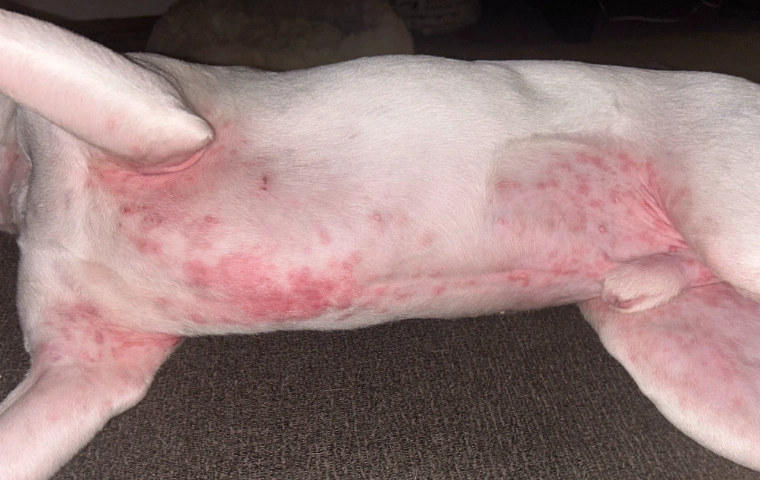
| Ingredient | Best For | How to Use | Important Caution |
|---|---|---|---|
| Coconut Oil | Dry, flaky skin; mild irritation; dietary support | Topical on small dry spots; 1 tsp added to food | May worsen oily/yeasty conditions. Can cause diarrhea if too much is ingested. |
| Apple Cider Vinegar | Yeasty paws/skin; overall itch; restoring skin pH | Diluted paw soaks (1:3 with water); diluted spray (1:1) on intact skin | NEVER on open wounds, cuts, or raw skin. Will sting. |
| Colloidal Oatmeal | Allergic itch, generalized redness, inflammation | Soothing baths (soak 10-15 mins) | Ensure it's colloidal grade. Rinse well to avoid residue. |
| Aloe Vera Gel (Pure) | Minor burns, hot spots, cooling relief | Apply thin layer of pure gel directly to clean, affected area | Use only pure gel from the plant. Avoid products with alcohol, xylitol, or additives. |
| Probiotics | Supporting gut health to reduce inflammatory/allergic response | Canine-specific probiotic powder or plain kefir added to food | Choose a product designed for dogs. Start with a small dose. |
When Home Care Isn't Enough: The Vet Line
This is the most important part of this whole article. Natural remedies have limits. If you see any of the following, your home protocol has failed and you need professional backup:
- The infection is spreading rapidly.
- There are open sores, oozing, or bleeding.
- Your dog is in obvious pain (whining, flinching).
- There's significant hair loss in patches.
- The smell is strong and foul (not just yeasty).
- There's no improvement after 5-7 days of consistent home care.
A vet can do a skin cytology (look at cells under a microscope) to tell if it's yeast, bacteria, or mites—something you can't do at home. They might prescribe antibiotics, antifungals, or medicated shampoos. Using natural methods alongside these, with your vet's okay, can often speed recovery. For instance, an oatmeal bath can soothe the itch while an oral antibiotic tackles a deep bacterial infection. The American Veterinary Medical Association (AVMA) provides resources on understanding skin allergies in pets, which is a great place to understand the underlying causes a vet diagnoses.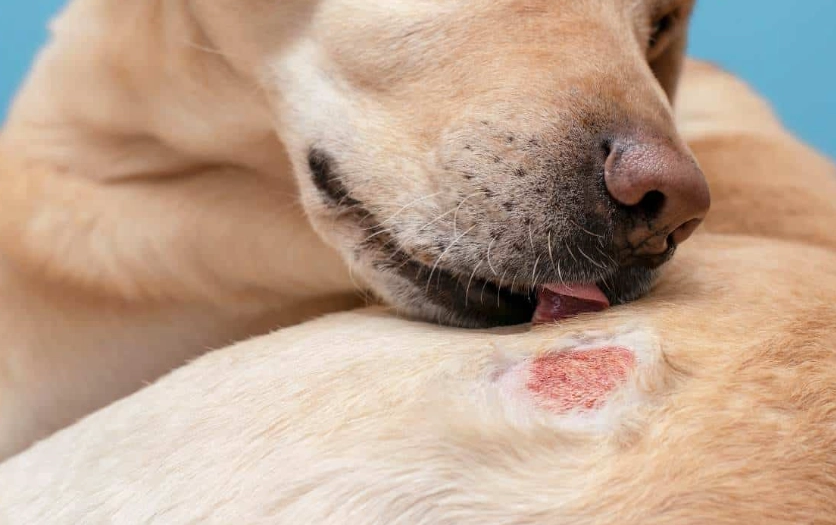
Answering Your Real Questions (FAQs)
Here are the things I wondered most during Buddy's ordeal.
The Long Game: Preventing Future Flare-Ups
Once you've got the current situation under control, think prevention. This is where you save yourself and your dog future grief.
- Regular Grooming: Brushing distributes natural oils and removes irritants. Bathing every 4-6 weeks with a gentle shampoo (unless otherwise directed) keeps the skin clean without stripping it.
- Diet as Foundation: I can't stress this enough. Invest in good food. Consider adding omega-3 fatty acids (fish oil) as a permanent supplement; they're natural anti-inflammatories.
- Environmental Control: Wipe your dog's paws and belly with a damp cloth after walks during high pollen seasons. Wash their bedding weekly in hypoallergenic detergent.
- Flea Prevention, Always: Even for indoor dogs. Use a vet-recommended preventative year-round. One flea can trigger a massive reaction in a sensitive dog.
Learning how to treat dog skin infection at home naturally is really about becoming a more observant, proactive pet parent. It's about having a toolkit of gentle options before things get severe. It worked for me and Buddy. His skin is now mostly calm, and when he starts that familiar scratch behind his ear, I know my first steps—assess, soothe with an oatmeal wipe, check his diet, and keep a close eye. It's empowered me to care for him better.
Remember, you're not alone in this. Every dog owner deals with skin stuff at some point. Start simple, be patient, and never hesitate to call in the pros when your home efforts aren't cutting it. Your dog's comfort is worth every bit of the effort.



Join the Conversation