Let's be honest, when your dog gives you that sad look or refuses dinner, your mind races. Is it just a tummy ache, or something worse? I've been there. My old Labrador, Baxter, once moped around for a day. I thought he was just tired. Turned out it was the early whispers of pancreatitis. That experience taught me the hard way that knowing dog diseases and their often-subtle symptoms isn't just helpful—it's critical. This guide cuts through the noise. We'll move past generic lists and talk about what signs actually matter, how they cluster together to tell a story, and the one mistake most owners make when trying to diagnose their pet online.
What's Inside This Guide
Why Spotting Symptoms Early is Everything
Dogs are masters of hiding pain. It's an instinct from their wild ancestors. By the time they show obvious distress, a problem may have been brewing for weeks. Early detection is the single biggest factor that changes outcomes, especially for diseases like cancer, kidney failure, or bloat (GDV).
Think of symptoms as puzzle pieces. A single symptom like lethargy is vague. Combine it with increased thirst and weight loss? Now you're looking at a potential diabetes or kidney issue picture. Your job isn't to play vet, but to be a world-class observer and reporter.
Pro Tip: Keep a simple "health journal" note on your phone. Note changes in appetite, energy, water intake, and stool consistency. When you call the vet, you have dates and details, not just "he's been off." This concrete data is gold for diagnosis.
The Big 6: Common Dog Diseases and Their Telltale Signs
Here’s a breakdown of major canine health problems, focusing on the symptom patterns you'll actually see at home.
1. Canine Parvovirus
This is the nightmare virus, especially for puppies. It attacks the gut lining. The classic triad is severe vomiting, bloody diarrhea (often with a distinctive foul smell), and extreme lethargy. A puppy with parvo doesn't just look tired; they look utterly defeated and dehydrated. It's a true emergency. Vaccination is highly effective, but outbreaks still happen.
2. Kidney Disease (Chronic Renal Failure)
Common in older dogs. Symptoms creep up. You'll notice your dog drinking a ton more water and consequently urinating more (bigger puddles, needing to go out at night). As it progresses, look for weight loss despite eating, bad breath that smells chemical-like, and ulcers in the mouth. A subtle sign I missed with Baxter was a loss of interest in his dry food—it hurt his gums.
3. Canine Diabetes
Symptoms overlap with kidney disease: increased thirst and urination. The key difference? With diabetes, you often see increased appetite paired with weight loss. The body is starving because it can't use glucose. You might also notice cloudiness in the eyes (cataracts developing rapidly).
4. Gastric Dilatation-Volvulus (Bloat)
A surgical emergency most common in large, deep-chested breeds like Great Danes. The dog's stomach fills with gas and twists. Symptoms come on suddenly: a visibly distended, hard abdomen, unproductive retching (trying to vomit but nothing comes up), pacing and restlessness, and excessive drooling. They may collapse. Time matters—get to an ER vet immediately.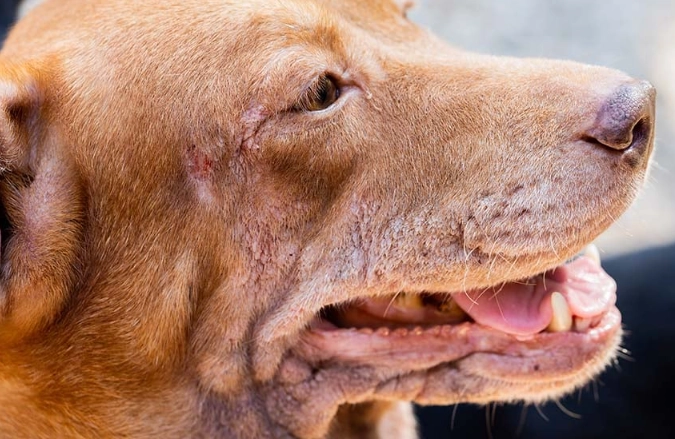
5. Arthritis
More than just "slowing down." Watch for stiffness after resting, reluctance to jump into the car or on the couch, lagging behind on walks, irritability when touched near sore joints, and muscle loss in the hind legs. You might hear a clicking sound from their joints. It's not just an old dog thing; it can start surprisingly early.
6. Skin Allergies & Infections
Itching is the big one, but it manifests as chewing paws, rubbing their face on the carpet, or scooting. Look for recurrent ear infections (shaking head, brown discharge), hot spots (red, moist, painful sores), and generalized redness. Many owners treat the infection (with antibiotics) but miss the underlying allergy, leading to a frustrating cycle.
Human Error Alert: One of the biggest mistakes is googling a single symptom and falling down a rabbit hole. Diarrhea could be from dietary indiscretion (they got into the trash) or from a life-threatening blockage. Context—what else is happening, how long has it been, what's your dog's history—is everything.
Your At-Home Symptom Severity Checker
Use this grid to gauge urgency. This isn't a diagnosis tool, but a triage guide.
🚨 Go to the Emergency Vet NOW
- Collapse or inability to stand
- Pale or blue gums
- Difficulty breathing
- Seizures
- Bloated, hard abdomen with retching
- Suspected poisoning
- High fever (>103.5°F / 39.7°C)
📞 Call Your Regular Vet Today/Tomorrow
- Vomiting or diarrhea lasting more than 24 hours
- Not drinking water for 24 hours
- Straining to urinate or defecate with no result
- Sudden lameness or refusal to bear weight
- New lumps or bumps
- Excessive itching causing self-injury
- Cloudy eyes or sudden vision changes
👀 Monitor Closely for 24-48 Hours
- Single episode of vomiting/diarrhea, otherwise acting normal
- Mild decrease in appetite for one meal
- Occasional scratching
- Slight stiffness after a long nap
- One small sneezing fit
What Happens at the Vet: Diagnosis & Treatment Explained
You've spotted symptoms and made the appointment. What next? Knowing the process reduces anxiety. It usually follows this path:
- History & Physical Exam: You tell your story (use your health journal!). The vet will feel the abdomen, listen to the heart and lungs, check gums, eyes, ears, and joints.
- Diagnostic Tests: This is where guesses become answers.
- Bloodwork (CBC/Chemistry): Checks organ function, blood cell counts, electrolytes. Essential for diagnosing kidney disease, diabetes, infections.
- Urinalysis: Reveals kidney function, signs of diabetes, urinary infections.
- Imaging: X-rays for bloat, blockages, arthritis. Ultrasound for detailed organ views.
- Fecal Test: For parasites like worms or giardia.
- Treatment Plan: This varies wildly. It could be:
- Medication: Antibiotics, anti-inflammatories, insulin, specialty diets.
- Fluid Therapy: For dehydration (very common with vomiting/diarrhea).
- Surgery: For bloat, some cancers, removing blockages.
- Management Plan: For chronic conditions like arthritis or allergies—physical therapy, supplements, allergy shots (immunotherapy).
Ask questions. "What are we ruling out with this test?" "What are the possible side effects of this medication?" "What should I expect to see at home if the treatment is working?"
Your Best Defense: A Practical Prevention Strategy
You can't prevent everything, but you can stack the odds in your dog's favor.
| Prevention Area | What to Do | Why It Helps |
|---|---|---|
| Vaccinations | Follow your vet's core vaccine schedule (DHPP, Rabies) and discuss lifestyle-based ones (Lepto, Bordetella). | Prevents deadly viruses like Parvo, Distemper, and bacterial diseases. |
| Parasite Control | Year-round heartworm prevention (pill/chewable/topical). Regular flea/tick control. | Heartworm is fatal and expensive to treat. Fleas/ticks cause allergies and transmit diseases like Lyme. |
| Weight Management | Measure food, limit treats, ensure regular exercise. | Obesity is a top cause of arthritis, diabetes, and heart disease. A lean dog lives longer. |
| Dental Care | Daily brushing is ideal. Dental chews, water additives, and professional cleanings. | Bad dental health leads to bacteria entering the bloodstream, damaging heart, liver, and kidneys. |
| Annual/Semi-Annual Check-ups | Don't skip the vet when your dog seems healthy. Senior dogs (7+) need exams every 6 months. | Allows for early detection via bloodwork and physical exam before symptoms appear. |
Your Questions, Answered (Beyond the Basics)
It depends on the pattern. A one-time vomit of food or grass where your dog bounces right back? Probably okay to monitor. But if the vomiting is persistent (multiple times in a day), contains blood (looks like coffee grounds), or is accompanied by lethargy, diarrhea, or a bloated abdomen, it's vet time. The rule of thumb: more than 24 hours of GI upset warrants a call. For small puppies, be more cautious—they dehydrate fast.
Watch how they bear weight. If they completely refuse to put a paw down, that's a potential fracture or severe ligament tear (like an ACL). A gradual onset of stiffness that improves with movement points to arthritis. A sudden, non-weight-bearing lameness after running needs an x-ray. If there's swelling, heat, or obvious pain when you gently touch the area, see the vet. Rest for 24 hours. If it doesn't improve or worsens, get it checked.
No, excessive thirst is never "just old age." It's a classic symptom of an underlying problem. The top three suspects are kidney disease, diabetes, or Cushing's disease. It's a clear signal from the body that something is off. Tracking exactly how much they drink (measure the water bowl) and getting a senior blood panel and urinalysis is the crucial next step. Catching these conditions early dramatically improves management and quality of life.
For urine, yes. You can buy canine urine test strips at some pet stores or online. They can screen for glucose (diabetes), blood, and pH. They're a helpful monitoring tool for diagnosed diabetic dogs, for example. But they are not a replacement for a vet visit. A positive result needs a vet's interpretation with a full clinical picture. There are no reliable at-home blood test kits I would trust for major diseases—leave that to the professionals with calibrated lab equipment.



Join the Conversation