Quick Guide to Dog Grooming Mistakes
- Mistake #1: Bathing Blunders (Too Much, Too Hot, Too Harsh)
- Mistake #2: Brush Off Brushing (Or Doing It Wrong)
- Mistake #3: Nail Neglect and the Dreaded Quick
- Mistake #4: Ear and Eye Care Oversights
- Mistake #5: The Haircut Horror Show
- Mistake #6: Ignoring the Skin and Undercoat
- Mistake #7: Infrequent and Inconsistent Grooming
- Mistake #8: Forgetting the Emotional Grooming
- Putting It All Together: Your Grooming Session Checklist
Let's be honest. Grooming your dog at home can feel like a mix of a bonding session and a wrestling match. You want your furry friend to look and feel their best, but sometimes, despite your best intentions, things go a little sideways. I've been there. I once tried to give my old Labrador, Max, a "summer cut" with a pair of clippers I barely knew how to use. Let's just say he looked... interesting for a few weeks, and I learned a hard lesson about proper tools and technique.
That's why understanding what are some common dog grooming mistakes to avoid is so crucial. It's not just about aesthetics; it's about your dog's health, comfort, and safety. Getting it wrong can lead to skin issues, infections, anxiety, and even injury. Getting it right strengthens your bond and keeps your pup in top shape.
So, whether you're a seasoned DIY groomer or just thinking about giving it a try, this guide is for you. We're going to walk through the most frequent errors people make, why they're problematic, and most importantly, how to do things the right way. Think of it as a chat with a fellow dog lover who's made a few mistakes along the way, so you don't have to.
Mistake #1: Bathing Blunders (Too Much, Too Hot, Too Harsh)
This is probably where most of us start, and it's easy to mess up. The impulse to give a stinky dog a bath is strong, but overdoing it is a classic error.
Over-Bathing: Washing your dog too frequently strips their skin and coat of essential natural oils. These oils protect the skin, keep the coat waterproof, and maintain a healthy pH balance. Without them, you're looking at dry, flaky, itchy skin. How often is "too often"? It massively depends on the breed, coat type, and lifestyle. A muddy farm dog needs more baths than a pristine apartment-dwelling Maltese. As a general rule, most dogs do well with a bath every 4-6 weeks, unless they get into something particularly foul.
Pro Tip: In between full baths, try using a damp towel or dog-specific grooming wipes for a quick freshen-up. For a little extra shine and odor control, a good brushing session does wonders by distributing those natural oils.
Using the Wrong Products: This is a big one. Human shampoo? Just don't. The pH balance of human skin is different from a dog's. Using your shampoo or soap can disrupt their skin's acid mantle, leading to irritation and making them more susceptible to bacteria and parasites. Always, always use a shampoo formulated for dogs. And even then, choose wisely—a puppy shampoo for sensitive pups, an oatmeal formula for itchy skin, a de-shedding formula for heavy shedders. The American Kennel Club has a great breakdown on choosing the right dog shampoo based on coat and skin needs.
Wrong Water Temperature and Rinse Technique: Lukewarm water is your friend. Too hot can scald, too cold is just unpleasant and can be a shock to their system. Test it on your inner wrist. And please, rinse thoroughly. Soap residue is a prime cause of itchiness. Rinse until the water runs completely clear, paying special attention to the belly, armpits, and under the chin.
Mistake #2: Brush Off Brushing (Or Doing It Wrong)
Brushing seems simple, but it's an area riddled with common dog grooming mistakes to avoid. It's not just about removing loose hair.
First, using the wrong brush. A slicker brush is great for long-haired dogs but can scratch the skin of a short-haired breed. A rubber curry brush is perfect for short coats but useless on a Poodle's dense curls. You need the right tool for the job. I made the error of using a cheap, harsh brush on Max, and he'd run away at the sight of it. Investing in a good quality, breed-appropriate brush changed the game.
Second, brushing too infrequently or only on the surface. Mats don't form overnight. They start as small tangles close to the skin. If you only brush the top layer, you're ignoring the problem until it becomes a painful, tight mat that often needs to be shaved out. Regular, thorough brushing from the skin outward prevents this. For double-coated breeds like Huskies or German Shepherds, failing to properly remove the dense undercoat, especially during shedding season, can lead to overheating and skin problems.
Warning: Never try to cut out a severe mat with scissors. It's incredibly easy to catch the skin, which is often pulled up into the mat, and cause a serious cut. For bad mats, leave it to a professional groomer with safe clippers.
Mistake #3: Nail Neglect and the Dreaded Quick
If there's one thing that makes both dogs and owners anxious, it's nail trimming. And for good reason—it's easy to hurt them if you don't know what you're doing. Letting nails grow too long is a major health issue. It forces the dog's toes into an unnatural position, can cause joint pain and arthritis over time, and even lead to deformed feet. You should hear a gentle "tap tap" on hard floors, not a "click clack."
The biggest fear is cutting the quick—the pink, blood vessel-filled part inside the nail. It hurts, it bleeds a lot, and it makes your dog terrified of the next trim. On light-colored nails, it's visible. On black nails, it's a guessing game, which is why so many people avoid it altogether. That's a mistake.
So, what are some common dog grooming mistakes to avoid with nails? Cutting too much at once is the main one. The trick is to take off tiny slivers, frequently. If you're nervous, just take the very tip off every week or two. This actually encourages the quick to recede over time. Always have styptic powder (like Kwik Stop) on hand just in case. If you're too nervous, use a nail grinder or make regular trips to the vet or groomer for trims. The American Veterinary Medical Association (AVMA) offers clear, safe guidance on this exact process.
Mistake #4: Ear and Eye Care Oversights
These sensitive areas are often forgotten in a basic grooming routine, but neglect here can lead to painful infections.
Ears: The classic mistake is using cotton swabs (Q-tips) deep in the ear canal. This can push debris and wax further in, potentially damaging the eardrum. The correct method is to use a cotton ball or gauze pad moistened with a vet-approved ear cleaner. Wipe only the parts of the inner ear flap and the opening of the canal that you can easily see. Go gently. For dogs with floppy ears or a history of ear issues, regular cleaning is non-negotiable. Look for redness, a bad smell, or excessive scratching—these are signs of trouble.
Eyes: Gunk in the corners is normal, but it should be cleaned gently. Use a soft, damp cloth (a different one for each eye to avoid cross-contamination) and wipe from the inner corner outward. Never use soap or shampoo near the eyes. Some breeds with prominent eyes (like Pugs) or long facial hair (like Shih Tzus) need extra attention to prevent hair from poking and irritating the eye.
Mistake #5: The Haircut Horror Show
This is where ambition can outpace skill, leading to some of the most visually obvious common dog grooming mistakes to avoid. Giving a full haircut at home is advanced-level grooming.
Shaving Double-Coated Breeds: This might be the single worst grooming mistake with long-term consequences. Breeds like Golden Retrievers, Huskies, Samoyeds, and Chow Chows have a double coat for a reason: the soft undercoat insulates them, and the guard hairs protect them from sun and water. Shaving it off doesn't keep them cooler—it actually ruins their natural temperature regulation, exposes their skin to sunburn, and can cause the coat to grow back patchy, uneven, and sometimes not at all. For cooling, focus on thorough brushing to remove the dead undercoat.
| Common At-Home Haircut Error | Why It's a Problem | Better Approach |
|---|---|---|
| Using dull clipper blades | Tugs and pulls on the hair, causing pain and a choppy finish. Overheats quickly. | Invest in quality clippers, use the correct blade guard, and keep blades sharp/cool. |
| Not brushing the coat completely first | Clipping over mats or tangles will pull skin, hurt the dog, and ruin your clipper blades. | Always start with a thorough, tangle-free brush-out. No exceptions. |
| Going against the grain on the first pass | Increases risk of clipper burn, irritation, and an uneven cut. | Clip in the direction of hair growth, using multiple passes with guide combs for length. |
| Forgetting sensitive areas | Sanitary trims (around genitals/anus), paw pads, and between toes are crucial for hygiene but easy to miss. | Use small, safe trimmers or scissors with rounded tips for these delicate zones. |
My advice? For anything beyond a simple tidy-up of the feet and face, consider a professional groomer, at least to watch and learn. A bad haircut takes months to grow out, and a scared dog is harder to groom next time.
Mistake #6: Ignoring the Skin and Undercoat
Grooming isn't just about the hair you can see. It's a full-body check-up. While you're brushing and bathing, you have a perfect opportunity to run your hands over your dog's entire body. You're looking for the hidden stuff:
- Lumps, bumps, or swelling: New or changing growths need a vet's attention.
- Hot spots, red patches, or rashes: Early signs of allergies, infection, or irritation.
- Parasites: Flea dirt (looks like black pepper), ticks nestled in skin folds, or evidence of mites.
- Dry, flaky skin or excessive oiliness: Could indicate diet issues, allergies, or need for a different shampoo.
By catching these things early, you're not just a groomer; you're your dog's first line of health defense. This is a step that's so often skipped in the rush to just "get the dog clean," but it's arguably the most valuable part of the whole process.
Mistake #7: Infrequent and Inconsistent Grooming
Treating grooming as a once-in-a-blue-moon, traumatic event is a setup for failure. Dogs thrive on routine. If the only time they experience brushing or nail clipping is when they're already matted or overgrown, they'll associate grooming with discomfort and stress.
The key is to make it normal. Short, positive sessions are worth more than one long, stressful battle. Touch your puppy's paws often so they get used to it. Run a brush over them for just a minute while they're calm. Turn on the clippers near them (without using them) and give treats. This desensitization is golden.
Setting a schedule helps. Mark your calendar for weekly brush-outs, bi-weekly nail checks, and monthly ear cleanings. Spreading it out makes each task minor and manageable for both of you. When you're thinking about what are some common dog grooming mistakes to avoid, inconsistency and infrequency are right at the top of the list for creating a negative cycle.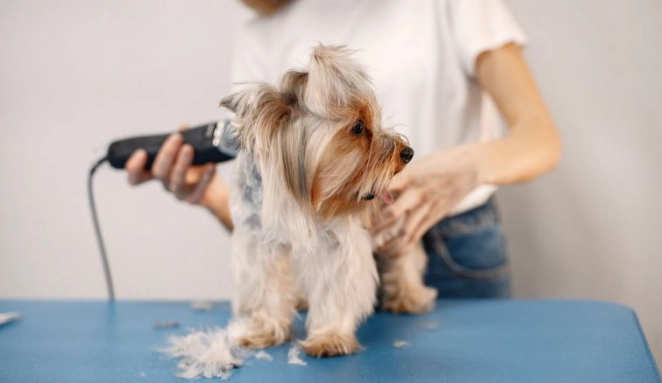
Mistake #8: Forgetting the Emotional Grooming
This might be the most overlooked aspect. Grooming isn't a mechanical process you perform on an object. It's an interaction with a living creature that has feelings and fears.
Pushing through when your dog is clearly terrified, frustrated, or aggressive is a mistake. It erodes trust. You have to read their body language. Lip licking, yawning, whale eye (showing the whites of the eyes), trembling, or trying to hide are all signs of stress. Forcing the issue can lead to a bite—not because the dog is "bad," but because they're scared and feel they have no other option.
If you hit a wall of anxiety, stop. Break the task into even smaller steps. Use high-value treats (cheese, chicken) liberally. Make it a game. If your dog has severe grooming anxiety, talk to your vet. They can provide resources or even discuss safe sedative options for professional grooming sessions. The goal is cooperative care, not coercion.
Putting It All Together: Your Grooming Session Checklist
Okay, so with all these potential pitfalls, what does a *good* home grooming session look like? Here's a quick mental checklist to run through:
- Pre-Session: Gather all your tools (right brush, dog shampoo, towels, clippers/nail trimmers, treats). Choose a calm time, not when the dog is hyper.
- Brush Out: Do a complete brush-out, checking for mats and skin issues as you go. This is your inspection phase.
- Bath: Use lukewarm water and dog shampoo. Rinse, rinse, rinse. Protect ears with cotton balls (don't push them in!).
- Dry: Towel dry gently. Use a blow dryer on a cool, low setting if needed, keeping it moving to avoid burning the skin.
- Detail Work: Clean ears (externally). Wipe eye corners. Trim nails (tiny bits). Do any haircut/tidy-up work.
- Praise & Reward: End on a high note with lots of love and a special treat. Make the association positive.
It doesn't have to be perfect. Some days, you might just do nails. Other days, just a brush. That's okay. Consistency and kindness are what matter most.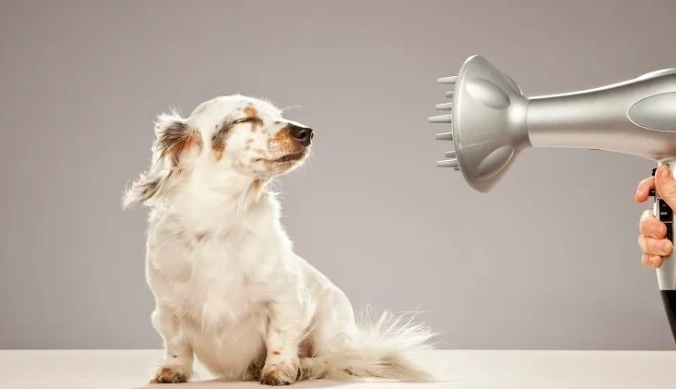
Your Dog Grooming Questions, Answered
Look, at the end of the day, grooming is an act of care. It's messy, sometimes frustrating, but ultimately it's about keeping your companion healthy and comfortable. We all make mistakes—I certainly have. The point isn't to be perfect; it's to learn, to do better next time, and to make the experience as stress-free as possible for your four-legged friend.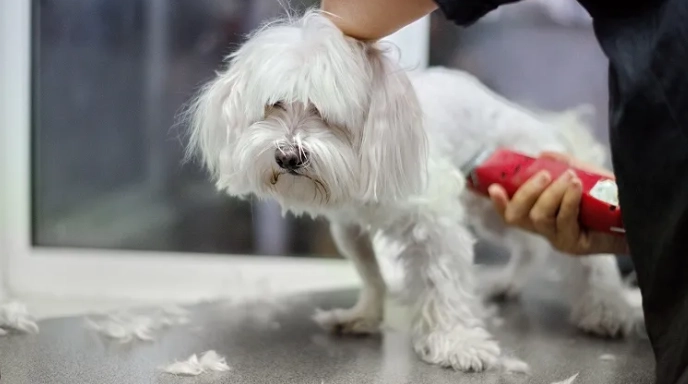
By now, you should have a solid grasp of what are some common dog grooming mistakes to avoid. You know about bathing, brushing, nails, ears, haircuts, and the all-important emotional component. Armed with this knowledge, you can approach your next grooming session with more confidence and patience. Your dog will thank you for it, with a healthier coat, fewer vet visits for skin issues, and maybe even a wagging tail when they see the brush come out. Now that's a win.
Join the Conversation