Picking a dog breed feels like scrolling through a dating app with 200+ profiles. Everyone looks cute, but which one won't destroy your shoes, fit your 600-square-foot apartment, and match your weekend hiking habit? Most guides just list stats. This one is different. We're going to connect the dots between breed descriptions and real life. Because the "best" dog isn't the one winning shows; it's the one that seamlessly fits into your world for the next 12 years.
Let's be honest. The biggest mistake isn't choosing the "wrong" breed. It's choosing a breed based on a movie, a childhood memory, or a photo without understanding what that dog needs from you, every single day.
Your Quick Navigation Map
- How to Use This Dog Breed Guide (The Right Way)
- What Are the Most Important Breed Characteristics to Consider?
- Matching Breeds to Your Specific Lifestyle
- Deep Dive: Popular Breed Comparisons
- The 5 Most Common Breed Selection Mistakes (And How to Avoid Them)
- You've Picked a Breed. What's Next?
- Your Burning Questions, Answered
How to Use This Dog Breed Guide (The Right Way)
Don't start by browsing pictures of puppies. Start with a brutally honest self-assessment. Grab a notepad and answer these questions:
- Daily Routine: How many hours is the dog truly alone? Can you commit to a 30-minute walk rain or shine, or is 60+ minutes your weekend norm?
- Living Space: Apartment with thin walls? House with a yard? That yard needs a fence, by the way.
- Household: Toddlers who pull tails? Elderly relatives who trip easily? Other pets?
- Budget Beyond Food: Grooming for a Poodle runs $80-$120 every 6 weeks. Brachycephalic breeds (like Bulldogs) often need expensive airway surgery. Large breeds eat more and joint supplements aren't optional.
- Your Personality: Are you a patient trainer, or do you get frustrated easily? Do you want a shadow or an independent spirit?
This list is your filter. Now, the breed traits we discuss will make sense.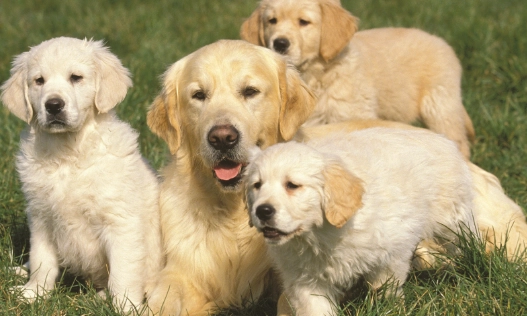
What Are the Most Important Breed Characteristics to Consider?
Forget just "big" or "small." These are the dimensions that actually dictate your day-to-day life.
Energy Level & Exercise Needs (The Deal-Breaker)
This is the number one reason dogs are rehomed. "High energy" doesn't mean "likes walks." It means a Border Collie will invent jobs if you don't provide them, like herding your kids or rearranging your garden. A dog's exercise need is a combination of physical stamina and mental stimulation.
Grooming & Shedding (The Hidden Time/Money Cost)
That fluffy Samoyed is stunning. Are you ready to brush it for an hour, three times a week, and still find tumbleweeds of fur in every corner? A "low-shedding" Poodle needs professional grooming every 4-8 weeks. A Labrador's short hair sheds profusely year-round. There's no free lunch here.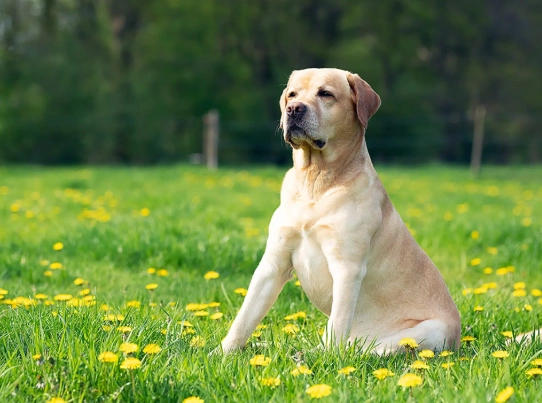
Health & Lifespan Trends
Purebreds often have genetic predispositions. Reputable breeders test for these. You must ask for the results (OFA hips, eyes, heart). Small breeds often live 12-16 years. Giant breeds like Great Danes, 7-10 years. The heartbreak timeline is part of the equation.
Trainability & Temperament
"Eager to please" (Labs, Goldens) vs. "independent thinker" (Shiba Inu, Afghan Hound) changes your training approach. Some dogs are sensitive, others are resilient. A soft dog crumbles under harsh words; a stubborn one ignores them.
Kid & Pet Friendliness
This is about tolerance and play style. A patient Golden Retriever is classic for a reason. A high-strung, nip-prone herding dog might not be ideal for toddlers. Always supervise, but starting with a breed known for patience stacks the odds in your favor.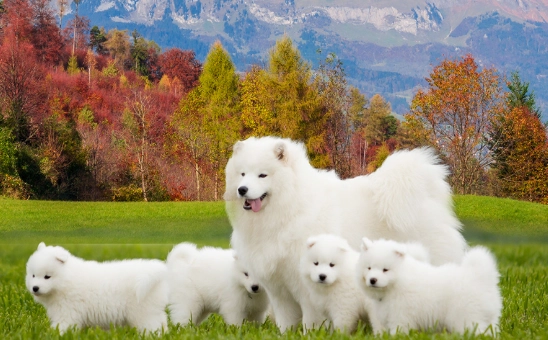
| Breed Characteristic | What It Really Means For You | Questions to Ask Yourself |
|---|---|---|
| High Energy | Needs vigorous daily exercise + mental jobs (agility, advanced training). Not just a long walk. | Can I provide 90+ minutes of dedicated activity daily, even in bad weather? |
| Moderate Energy | Happy with 45-60 min of exercise, but will get restless and potentially vocal if skipped. | Is my daily walk routine consistent, or does it fluctuate wildly? |
| Low Energy | Short walks and indoor play suffice. Often "apartment friendly." Still needs mental stimulation. | Am I looking for a true couch companion who only needs gentle outings? |
| High Grooming Need | Professional grooming every 4-8 weeks ($) + frequent home brushing to prevent mats. | Am I willing to learn to brush properly and budget for regular groomer visits? |
| Heavy Shedder | Fur on clothes, furniture, and in the air daily. Requires frequent vacuuming. | How much do I value a clean, fur-free home? Do I or anyone have allergies? |
Matching Breeds to Your Specific Lifestyle
Let's apply those characteristics. Remember, these are generalizations. Individual dogs vary.
For Apartment Dwellers & City Life
Size is less important than energy and bark propensity. A quiet, low-energy giant can be better than a yappy, high-energy toy breed.
- Great Danes: Seriously. They're called "apartment horses" for a reason. Low energy, quiet, but need space to stretch out.
- French Bulldogs: Charming, low exercise needs. But their breathing issues (Brachycephalic Syndrome) demand climate control—they overheat easily.
- Cavalier King Charles Spaniels: Affectionate, adaptable, relatively quiet. A fantastic all-rounder for smaller spaces.
- Greyhounds: The 45-mph couch potato. A few short walks and they're done. Need a soft bed and a warm coat in winter.
For Active, Outdoorsy People
Your dog should be your partner, not a burden you have to exercise before your own adventure.
- Australian Shepherds & Border Collies: The ultimate adventure buddies. Need a "job" on the trail. Brilliant but demanding.
- Labrador & Golden Retrievers: Classic for a reason. Bred to work all day, they have the stamina for hikes and the temperament to relax after.
- German Shorthaired Pointers: High-energy all-rounders for running, hiking, swimming. Not for the faint of heart.
- Siberian Huskies: Built for endurance. Will run for miles. Prone to wandering and independent thinking (they won't always come when called).
For Families with Young Children
Look for breeds with a reputation for patience, resilience, and a soft mouth.
- Labrador Retriever: The gold standard. Patient, playful, sturdy.
- Beagle: Merry, friendly, and tough enough for kid antics. But that nose can lead them astray—secure fencing is a must.
- Newfoundland: The "nanny dog." Gentle giants, incredibly patient. Just watch the drool and size around toddlers.
- Irish Setter: Playful, energetic, and affectionate. Matches the energy of older kids beautifully.
Avoid very small, fragile breeds like Chihuahuas or toy breeds around unpredictable young children, for the dog's safety.
Deep Dive: Popular Breed Comparisons
Let's settle a common debate: Golden Retriever vs. Labrador Retriever. Both are phenomenal family dogs, but the devil's in the details.
Golden Retriever: Slightly more sensitive and attached. That "soft" temperament means they respond better to positive reinforcement and can be velcro dogs. Their long, beautiful coat requires significant weekly brushing to prevent mats, and they shed heavily, especially seasonally. They have a higher incidence of certain cancers, which is heartbreaking to witness.
Labrador Retriever: Often more driven and food-motivated (read: easier to train for some). More resilient and boisterous. Their short coat sheds just as much, but the hairs are shorter and easier to vacuum. They are prone to obesity—you must manage their diet strictly.
The choice? If you want a slightly more genteel, attached companion and are committed to grooming, lean Golden. If you want a tougher, more food-driven athlete and don't mind short hairs everywhere, lean Lab. You can't go wrong, but you can be better prepared.
The 5 Most Common Breed Selection Mistakes (And How to Avoid Them)
I've seen these play out too many times.
1. Falling for the Puppy, Not the Adult Dog. Puppyhood lasts 6-12 months. You're committing to the adult for over a decade. Research what the full-grown dog is like.
2. Underestimating Grooming. That adorable doodle mix? Its coat can be a nightmare—matting easily, requiring professional care. Grooming isn't vanity; it's health maintenance.
3. Overestimating Your Own Activity Level. Be realistic. Are you an "active person" in theory or in practice? It's better to get a lower-energy dog and be pleasantly active than to fail a high-energy dog's needs.
4. Ignoring Breed-Specific Health Issues. Buying from a breeder who doesn't do genetic health testing is playing Russian roulette. Ask for proof. For mixed breeds, services like Embark can screen for genetic risks.
5. Not Considering Adoption First. Shelters and breed-specific rescues are full of wonderful dogs whose only flaw was a poor match with their first family. An adult dog's personality is already evident, removing the puppy guesswork. I got my best dog, a mixed-breed shepherd, from a rescue at age 3. He was already house-trained and his temperament was a known quantity.
You've Picked a Breed. What's Next?
Do not immediately search for puppies online.
- Find Reputable Breeders. Visit the AKC Marketplace but use it as a starting point. A good breeder will interview you extensively, show you where the dogs live, provide health clearances for both parents, and have a contract requiring you to return the dog if you can't keep it. They should ask more questions than you do.
- Contact a Breed-Specific Rescue. Want a specific breed but open to an adult? Rescues are invaluable. The volunteers know the breed's quirks intimately and can match you with a dog whose personality fits.
- Meet the Breed in Person. Go to a dog show. Find a local owner in a park (ask politely!). Spend time with several adults of the breed. See the size, feel the fur, experience the energy.
- Read the Breed Standard. Go beyond Wikipedia. Read the official breed standard on the American Kennel Club website. It describes the ideal temperament, structure, and purpose of the breed.
Your Burning Questions, Answered

The journey to finding your perfect dog is part research, part soul-searching. It's not about finding the "#1 rated" breed. It's about finding the #1 rated breed for you. Use this guide as your filter, ask the hard questions, and you'll be well on your way to a happy, harmonious life with a four-legged friend who fits like they were always meant to be there.




Join the Conversation