Quick Navigation
So you're thinking about getting a snake. That's awesome. It's a big decision, and honestly, it's the right first question to ask: what is the best snake for a first time snake owner? You're not just picking a pet; you're choosing a roommate that might live for 20 years, doesn't bark, and eats frozen mice. It's a different kind of commitment.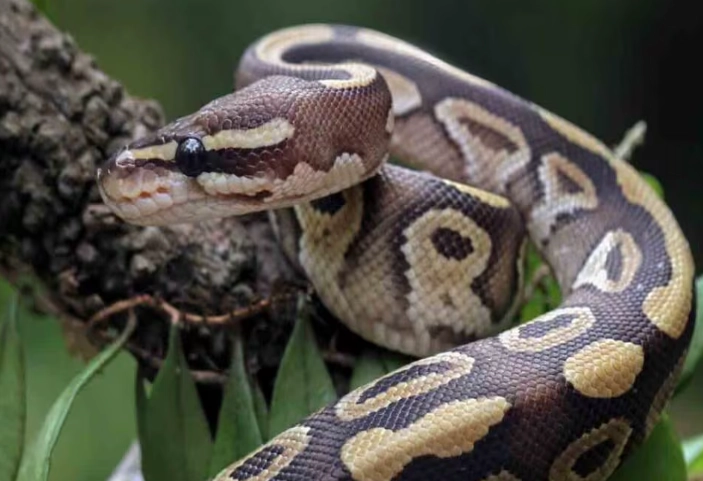
I remember walking into my first reptile expo, completely overwhelmed. There were hundreds of snakes, from tiny thread-like ones to giants that could probably eat my cat. The noise, the colors, the sheer variety. I almost walked out and got a goldfish instead. But I'm glad I stuck around, asked a ton of questions (some pretty dumb ones), and eventually found the perfect beginner snake for me. That was over a decade ago, and I've helped dozens of friends make the same choice since.
Let's cut through the noise. This guide isn't just a dry list. We're going to talk about the real stuff: which snakes are forgiving when you make a rookie mistake (you will), which ones won't bankrupt you in setup costs, and which ones actually have personalities that make them fun to own. Because a good beginner snake isn't just about surviving—it's about thriving, and so are you as an owner.
What Makes a Snake “Beginner-Friendly”?
Before we name names, let's set the ground rules. A beginner-friendly snake usually ticks most of these boxes. No snake is perfect, but the best ones for new owners get pretty close.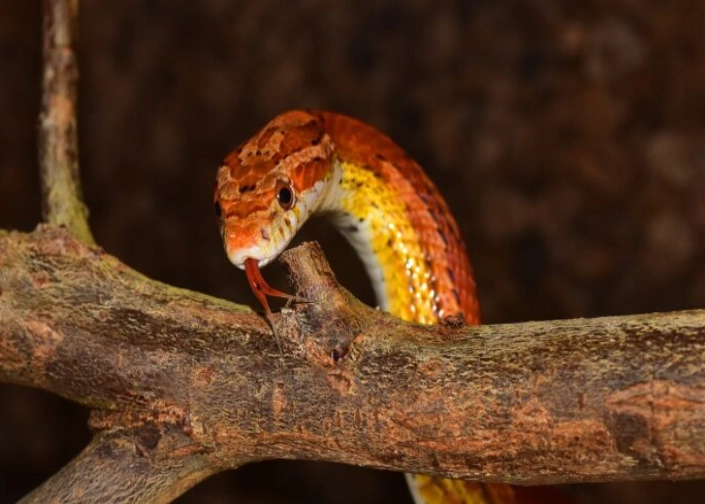
First up, temperament is king. You want a snake that's generally calm and tolerant of handling. A nervous, flighty, or defensive snake can make learning stressful for both of you. A bite from a small beginner snake is more startling than painful (like a pinprick), but it's not a great first experience.
Next, husbandry. This is a fancy word for “how you keep it alive.” Beginner snakes should have simple, forgiving environmental needs. Think easy temperature ranges (room temp plus a little heat is often fine), moderate humidity levels that don't require constant misting, and an enclosure size that fits in your bedroom without looking like furniture.
Feeding response is a huge one. You want a snake with a legendary appetite. A snake that eats frozen-thawed rodents reliably, every time, without fuss. There's nothing more anxiety-inducing for a new owner than a pet that refuses to eat for weeks. Trust me on this.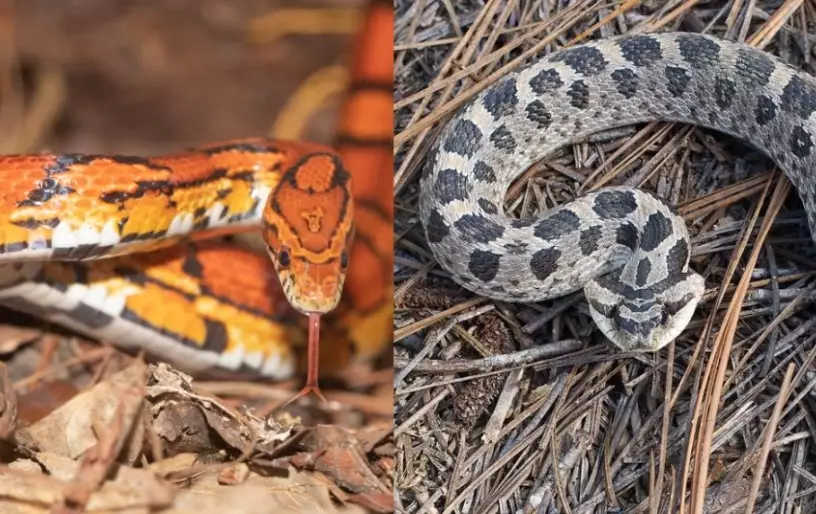
Size matters, but maybe not how you think. A good beginner snake is a manageable size. Not so small that it's fragile and hard to find if it escapes, and not so large that you need a second person to help you clean its cage or that its food costs make you wince. A length between 3 and 5 feet is the sweet spot.
Finally, availability and cost. You should be able to find a healthy, captive-bred specimen from a reputable breeder without having to sell a kidney. Common species are common for a reason—they're hardy and breed well in captivity, which is better for the animal and your wallet.
Quick Reality Check: There is no such thing as a zero-maintenance pet. Snakes are less daily work than a dog, but they are a long-term commitment with specific needs. If you're looking for a decoration that never needs anything, get a plant. A snake is a living animal.
Top 5 Best Snakes for First-Time Owners
Alright, here's the main event. Based on decades of collective keeper experience, these five species consistently rise to the top when experts are asked, “What is the best snake for a first time snake owner?” I've kept or worked with all of them, and each has its own charm and minor quirks.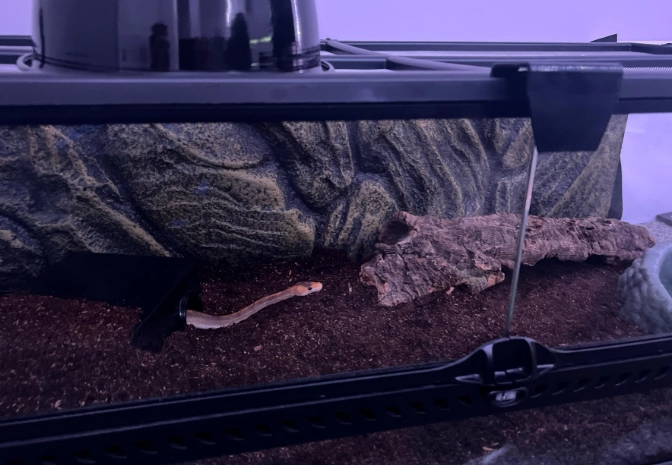
| Snake Species | Adult Size | Temperament | Key Strength | One Minor Quirk |
|---|---|---|---|---|
| Corn Snake | 4-5.5 feet | Exceptionally docile, curious | The ultimate “easy keeper.” Forgiving, great eater. | Escape artists. You MUST secure the lid. |
| Ball Python | 3-5 feet | Shy, gentle, known for “balling up” | Slow-moving, easy to handle, huge variety of colors/morphs. | Can be picky eaters, especially during breeding season. |
| California Kingsnake | 3-4 feet | Active, bold, sometimes feisty as juveniles | Iron-clad immune system, voracious feeder. | Prone to musk if startled (smelly defensive fluid). |
| Rosy Boa | 2-3.5 feet | Placid, slow-moving, tolerates handling well | Extremely simple, dry desert environment needs. | Very slow metabolism. Eats less frequently. |
| Children's Python | 2.5-3.5 feet | Calm, inquisitive, generally easy-going | Small size, simple care, great for limited space. | Name is misleading (named after scientist John Children, not kids). |
1. Corn Snake (*Pantherophis guttatus*) – The Gold Standard
If beginner snakes had a mascot, it would be the corn snake. This is, in my completely unbiased opinion (okay, maybe a little biased), the number one answer to what is the best snake for a first time snake owner. Why? They're the whole package.
They come in a mind-boggling array of colors and patterns—from classic orange and red to lavender, charcoal, and striped. Their temperament is legendary. Most are curious and calm, rarely biting even when they're young. Their care is straightforward: a 20-40 gallon tank, a warm spot of about 85°F, a cool side in the 70s, and humidity around 50%. They are champion eaters, almost never refusing a properly thawed mouse.
My first snake was a corn snake named Saffron. I made every mistake in the book—wrong substrate at first, didn't get the thermostat right immediately—and she just shrugged it off and kept eating. That resilience is priceless for a new owner building confidence.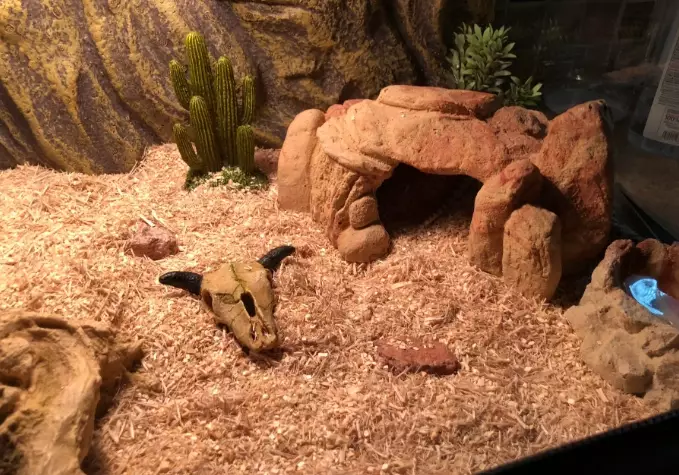
The one big watch-out? They are Houdinis. A poorly secured screen lid is an invitation for an adventure. Use lid clips. Always.
2. Ball Python (*Python regius*) – The Gentle Giant (Well, Medium)
The ball python is arguably the most popular pet snake in the world, and for good reason. Their demeanor is incredibly gentle. They get their name from their defensive habit of curling into a tight ball, hiding their head. It's cute, not aggressive.
They are slow-moving, which makes them feel very secure to handle. The morph market for ball pythons is insane—you can find them in thousands of color and pattern combinations. Care-wise, they need slightly higher humidity (60-70%) and a warm spot around 88-92°F to aid digestion.
The Ball Python Caveat: Their one notorious flaw is that they can be finicky eaters. It's not uncommon for them to go off food for months, especially during winter. This is normal but terrifying for a first-timer. Always buy from a breeder who can confirm a strong feeding history on frozen-thawed rodents.
3. California Kingsnake (*Lampropeltis californiae*) – The Garbage Disposal
If you want a snake that never says no to a meal, meet the kingsnake. They have a feeding response that is… enthusiastic. This is great for avoiding feeding anxiety. They are incredibly hardy snakes, resistant to many common reptile ailments.
They're more active and alert than corns or balls, which some people find more interesting to watch. Juveniles can be a bit defensive and may musk (release a stinky fluid), but they typically calm down beautifully with regular, gentle handling. Their care is similar to a corn snake—dry and easy.
I sometimes recommend kingsnakes to people who are put off by the ball python's fasting reputation. That reliable feeding instinct is a major stress-reliever.
4. Rosy Boa (*Lichanura trivirgata*) – The Low-Key Desert Dweller
Rosy boas are the chill, low-maintenance cousins of the snake world. They are thick-bodied, slow-moving, and seem perpetually relaxed. They rarely strike or musk. Their care is arguably the simplest: a dry, desert-like setup with a warm spot in the mid-80s and almost no need to worry about humidity.
They stay relatively small and are fantastic eaters. Their one unique trait is their slow metabolism. They might only eat every 10-14 days, even as adults, which can feel strange if you're used to the idea of weekly feedings.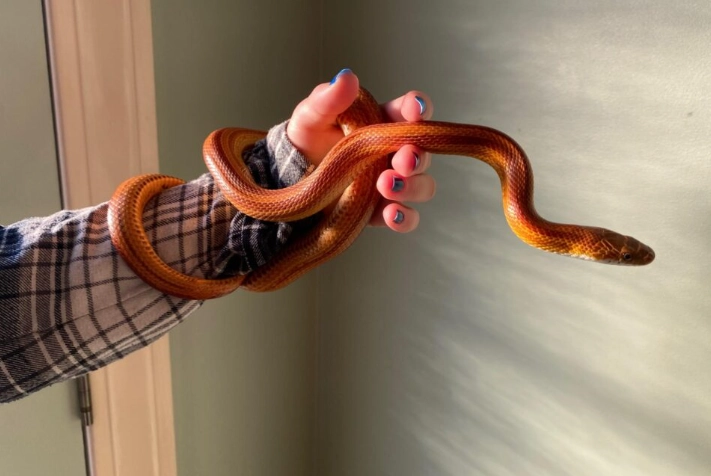
5. Children's Python (*Antaresia childreni*) – The Compact Choice
Don't let the small size fool you; this Australian python has a big personality. They are incredibly docile, curious, and easy to care for. A 20-30 gallon enclosure can house one for life. Their temperature and humidity needs are easy to meet (similar to a corn snake).
They are perfect for someone with limited space or who is genuinely intimidated by the idea of a 4+ foot snake. They eat small mice their entire lives. They are less common than corns or balls, so finding a breeder might take a little more searching, but they are well worth it.
I have a soft spot for Children's pythons. I kept one in a college dorm (with permission, after a long presentation to the RA). Her small size and utterly predictable behavior made her the perfect low-profile companion during those years.
The Not-So-Beginner-Friendly Snakes (And Why)
It's just as important to know what to avoid. Some snakes are marketed to beginners but are really not suited for a first-timer.
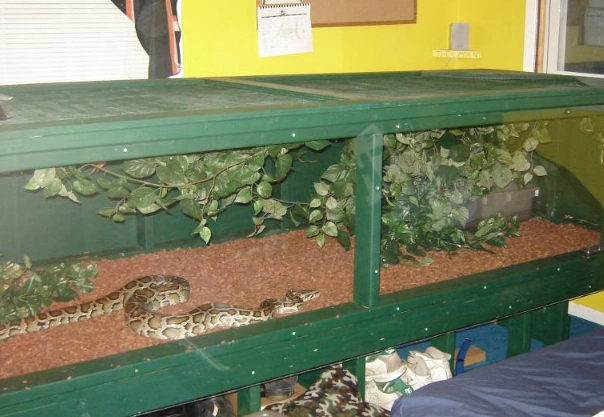
Burmese Pythons, Reticulated Pythons, Anacondas: Obvious giants. They grow incredibly fast, require massive, reinforced enclosures, and their food and vet bills are substantial. Their strength also poses a real safety risk. These are for experienced keepers only. Resources like the U.S. Fish & Wildlife Service have information on the regulations surrounding large constrictors.
Green Tree Pythons & Emerald Tree Boas: Stunningly beautiful, but they have very specific and delicate care requirements (high humidity, precise perching). They are often defensive and have a more challenging feeding response. They are “look, don't touch” snakes for experts.
Water Snakes & Garter Snakes: Often caught wild, which means they're stressed, parasite-ridden, and rarely tame down. They can be messy, require aquatic setups, and many have a diet that includes fish, which is tricky to balance nutritionally.
Any Venomous Snake: This should go without saying, but it must be said. Never, under any circumstances, is a venomous snake a pet for a beginner. It's illegal in most places without extensive permits and training for a reason.
Your First Snake Shopping & Setup Checklist
You've picked your species! Now what? Getting set up before you bring the snake home is the single best thing you can do. This isn't a “buy the snake and figure it out later” kind of pet.
The Enclosure: A glass aquarium with a locking screen lid or a front-opening PVC/plastic reptile cage is best. Size depends on the snake, but bigger is generally better as long as you provide enough hides. For a corn snake, a 40-gallon breeder tank is a great forever home.
Heating: An under-tank heat pad or a ceramic heat emitter connected to a thermostat is non-negotiable. An unregulated heat source can burn or kill your snake. The thermostat probe should be secured to the floor over the heat mat. Aim for a gradient: warm side (82-88°F), cool side (75-78°F).
Lighting: Most beginner snakes don't require special UVB lighting, but a simple day/night light cycle using a low-wattage bulb or room light is good for their rhythm.
Substrate: Aspen shavings are great for corn snakes, kingsnakes, and rosy boas. Coconut husk or cypress mulch works better for ball pythons needing higher humidity. Avoid cedar or pine—the oils are toxic.
Hides & Decor: At least two identical hides—one on the warm end, one on the cool end. This lets them feel secure while thermoregulating. Add some fake plants, a branch for climbing (especially for corns), and a heavy water dish big enough for them to soak in.
Essential Tools: Digital thermometer/hygrometer (not the cheap analog ones), long feeding tongs, a snake hook (useful for gentle guidance), a spray bottle for misting (if needed), and secure lid clips.
For detailed, species-specific care sheets, organizations like the Association of Reptilian and Amphibian Veterinarians (ARAV) and reputable hubs like Reptifiles offer science-based guides that are invaluable.
Common First-Time Snake Owner Questions Answered
Let's tackle the real questions that keep popping up in forums, at expos, and in DMs.
So, what is the best snake for a first time snake owner? If you want the all-around easiest, most forgiving experience, it's hard to beat the corn snake. If you prioritize a super gentle, slow-moving pet and are prepared to navigate potential feeding strikes, the ball python is iconic. For an active, bulletproof eater, the California kingsnake wins. For the simplest care and a super-chill attitude, choose the rosy boa. And for limited space without sacrificing personality, the Children's python is a champion.
The best choice is the one whose needs you are most confident and excited to meet for the next two decades. Do your research, set up the tank in advance, and find a reputable breeder. Welcome to the fascinating, rewarding world of snake keeping. Your new, silent, scaly friend is waiting.
Join the Conversation