Quick Overview
- Why Bother with Training Basics? It's More Than Just Obedience
- The Non-Negotiable Core Principles (Your Training Foundation)
- The Essential First Week: Survival and Setup
- The Core Curriculum: What to Teach and When
- Socialization: It's Not What You Think
- Must-Have Training Supplies (A No-Nonsense List)
- Common Problems and Simple Solutions
- The Long Game: Patience and Perspective
Let's be honest. Bringing home a new puppy is equal parts pure joy and utter panic. One minute you're cuddling a fluffy ball of cuteness, the next you're scrubbing a puddle off your new rug wondering what you've gotten yourself into. I've been there. My first dog, a Labrador named Max, chewed through my favorite pair of shoes within 48 hours of arrival. I thought training was just about teaching 'sit' and 'stay.' Boy, was I wrong.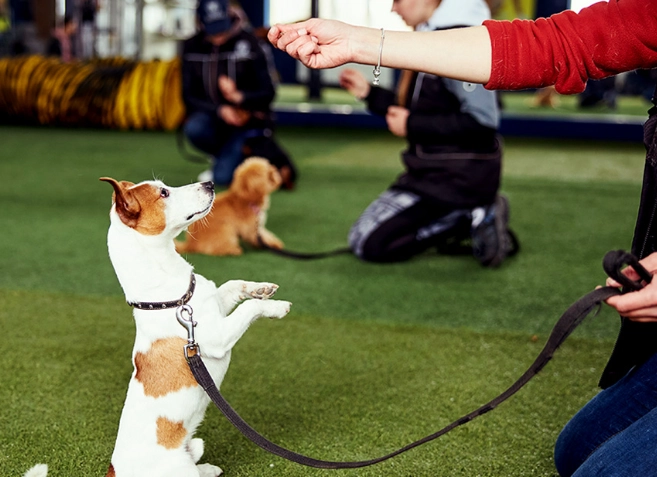
The truth is, getting the puppy training basics right from the start isn't just about convenience—it's about building a relationship that lasts a lifetime. It prevents problems before they become habits. And it's not as complicated as some people make it sound, I promise. You don't need to be a professional dog trainer. You just need patience, consistency, and a clear plan.
This guide is that plan. We're going to skip the theory and dive straight into the actionable steps. We'll cover everything from that first crucial night to teaching manners that will make your pup a pleasure to live with for years to come.
Why Bother with Training Basics? It's More Than Just Obedience
Some folks think puppy training is a luxury. It's not. It's a necessity. A well-trained puppy is a safe puppy. A puppy that understands boundaries is a confident puppy. And a confident puppy is a happy puppy.
Think about it. An untrained dog is a liability. They might bolt out an open door into traffic. They might jump on an elderly visitor and knock them over. They might develop anxiety or aggression from a lack of structure. Good training, starting with the fundamental puppy training basics, mitigates these risks. It's your job as their guardian.
More than that, training is how you communicate. It's your shared language. When you teach a 'sit' before opening the door, you're not just showing off a trick. You're teaching impulse control and safety. When you reward calm behavior, you're telling your puppy what you want from them, clearly and kindly.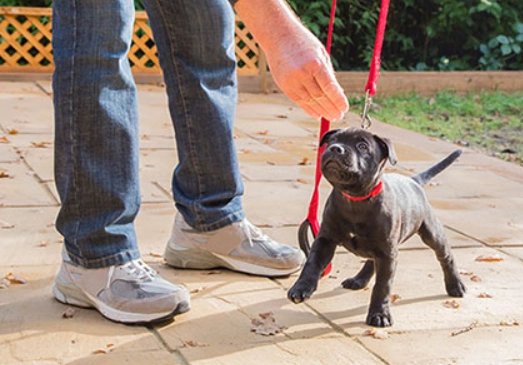
The Non-Negotiable Core Principles (Your Training Foundation)
Before we get to the 'how-to,' you need the 'how-come.' These principles are the bedrock. Ignore them, and you'll be fighting an uphill battle. Embrace them, and everything gets easier.
Positive Reinforcement is King (And Queen)
This is the single most important concept in modern dog training. It's simple: reward the behavior you want, and ignore (or manage) the behavior you don't. Your rewards are your puppy's currency. For most pups, that's tiny, soft, smelly treats. For some, it's a favorite toy or enthusiastic praise.
The science is solid. Studies and organizations like the American Veterinary Society of Animal Behavior (AVSAB) strongly advocate for positive reinforcement methods, as they build trust and are highly effective. Punishment-based methods? They often create fear, anxiety, and can even lead to aggression. You're not dominating your puppy; you're collaborating with them.
I made the mistake early on with Max of yelling a loud "NO!" when he had an accident. It just made him scared to pee in front of me, so he'd sneak off to do it behind the couch. Not helpful. When I switched to rewarding him lavishly for going in the right spot, the problem solved itself in days.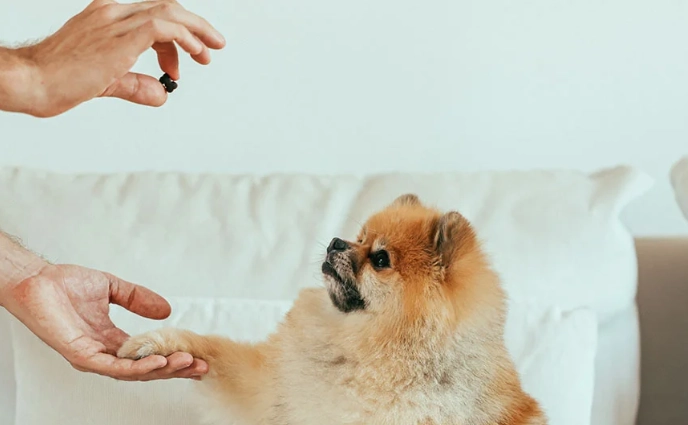
Consistency is Everything
If you let your puppy jump on you when you're in sweatpants but scold them when you're in work clothes, you're not training them—you're confusing them. Dogs aren't great at understanding situational ethics. Everyone in the household needs to be on the same page with the rules and the commands.
This also means using the same word for the same action every time. Is it "down" (lie down) or "off" (get off the couch)? Decide and stick to it. Write the house rules on a sticky note for the fridge if you have to.
Timing is Critical
Your puppy's brain works in the immediate present. You have about 1-2 seconds to mark a behavior with a reward. This is why a marker word like "Yes!" or a clicker is so powerful. The instant their butt hits the floor for a 'sit,' you click or say "Yes!" and *then* deliver the treat. The marker bridges the gap between the action and the reward.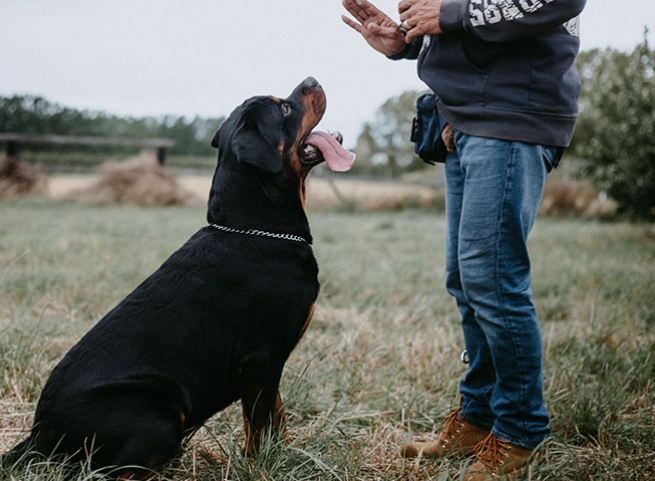
Late rewards teach the wrong thing. Rewarding as your puppy is getting up from a sit teaches them that getting up is what earns treats.
The Essential First Week: Survival and Setup
The first seven days are about acclimation, not rigorous obedience. Your pup is in a scary new world. Your job is to make it safe, predictable, and positive.
Set Up for Success
Puppy-proof a room or use a playpen. This is your puppy's safe zone when you can't watch them like a hawk. It should have a bed, water, safe toys, and a potty area (like a pee pad or a patch of fake grass) if you're not doing immediate outdoor-only potty training.
A crate is your best friend. It's not a jail. When introduced properly, it becomes your puppy's den—a cozy, safe space to sleep and relax. Crate training is one of the most fundamental puppy training basics for preventing destruction and aiding in housebreaking.
Start Simple: Name and Handling
Say your puppy's name in a happy voice and give a treat when they look at you. Do this dozens of times a day. You're building a positive association with their name.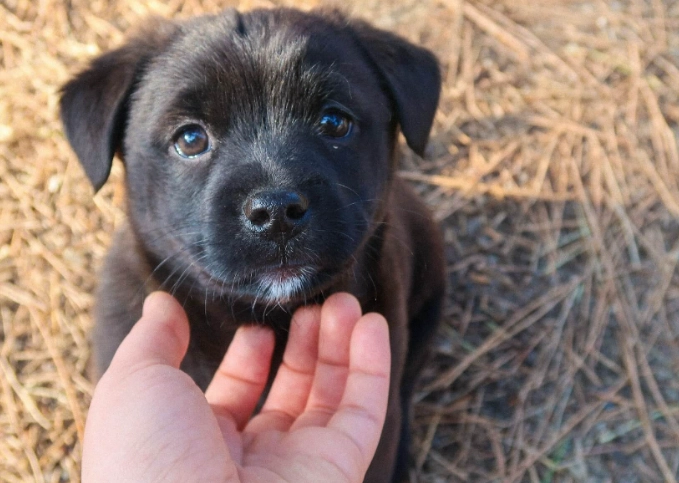
Gently handle their paws, ears, and mouth. Give treats throughout. This makes future vet visits, nail trims, and teeth brushing infinitely easier. I neglected this with Max, and trimming his nails was a two-person wrestling match for years. Learn from my regret!
The Core Curriculum: What to Teach and When
Here’s a rough timeline. Don't stress if your pup is a little ahead or behind. All dogs learn at their own pace.
| Skill | When to Start | Key Tip | Why It's Important |
|---|---|---|---|
| Potty Training | Day 1 | Take them out after every nap, meal, drink, and play. | Prevents lifelong indoor accidents and establishes routine. |
| Crate Training | Day 1-2 | Make the crate inviting with meals and treats; never use as punishment. | Provides safety, aids potty training, prevents destructive chewing. |
| Sit | Week 1-2 | Use a treat lure held above their nose, moving it back over their head. | Foundation for impulse control; a default polite behavior. |
| Recall (Come) | Week 2-3 | Only use for positive things (play, treats); never to scold. | Critical for safety off-leash and in emergencies. |
| Leash Walking | Week 3-4 | Start indoors without distractions; reward for walking with a loose leash. | Makes walks enjoyable instead of a battle of pulling. |
| Leave It / Drop It | Week 4+ | Start with a low-value item in your closed hand. | Prevents them from eating dangerous items or guarding objects. |
Deep Dive: Potty Training 101 (The Big One)
This is the number one concern for most new owners. The formula is simple but requires vigilance.
Supervision or Confinement: Your puppy should never have the chance to have an accident unsupervised. If you're not actively watching them, they should be in their crate or pen. A general rule: a puppy can hold their bladder for about one hour per month of age, plus one. So a 2-month-old pup needs to go out every 3 hours max, including overnight at first. It's tough, but temporary.
The Magic Routine: Take them out:
1. Immediately after they wake up.
2. 5-15 minutes after they eat or drink.
3. After a vigorous play session.
4. Just before you confine them or go to bed.
Take them to the same spot each time. Use a cue like "Go potty." Stand there boringly. When they go, have a mini-party! "Yes! Good potty!" and give a high-value treat right there on the spot. This is non-negotiable. If you wait until you're back inside, you're rewarding coming inside, not pottying outside.
What if you catch them in the act? Interrupt with a neutral "Oops!" or a clap, quickly carry/pick them up, and rush them outside. If they finish outside, praise and treat. Never, ever rub their nose in it or punish them after the fact. They will not connect the punishment to the act from 10 minutes ago. They'll just think you're scary and unpredictable.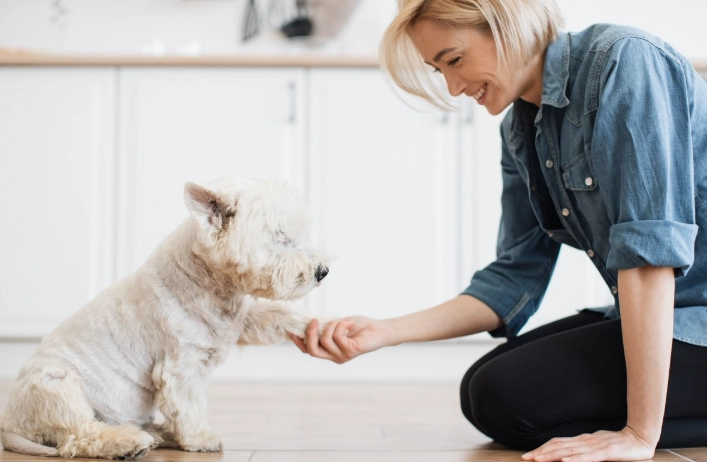
The ASPCA provides excellent, detailed resources on house training your puppy that align with these positive methods.
Deep Dive: Bite Inhibition (They *Will* Nip)
Puppies explore the world with their mouths, and their needle-sharp teeth hurt. Your goal isn't to stop all mouthing immediately, but to teach them to have a 'soft mouth.' This is a crucial safety behavior.
When playing, if they bite too hard, let out a high-pitched "Yelp!" (like a littermate would), immediately stop play, and turn away for 15-30 seconds. If they continue with hard biting, the play session is over. You're teaching that hard bites make the fun disappear. Gentle mouthing can continue for a bit. This is one of those puppy training basics that prevents serious problems down the road if an adult dog ever mouths someone in fear or excitement.
Socialization: It's Not What You Think
Socialization doesn't mean letting your puppy meet every person and dog they see. That can actually create an over-excited, leash-reactive dog. The American Veterinary Medical Association (AVMA) defines socialization as the process of preparing your dog to enjoy interactions and be comfortable with other animals, people, places, and activities.
The critical window is roughly 3 to 14 weeks of age. Your mission is to create positive associations with the world.
Think variety, not volume.
Carry your puppy (before vaccinations are complete) to different places: sit outside a coffee shop, watch kids at a playground from a distance, sit in the car at a hardware store parking lot. Give them treats for observing calmly.
Introduce them to:
- Different surfaces (grass, gravel, tile, wood).
- Household sounds (vacuum on in another room, TV, doorbell sounds from YouTube).
- Different looking people (hats, sunglasses, beards, uniforms, canes).
- Safe, vaccinated, calm adult dogs (a friend's dog is ideal).
Always let your puppy approach novel things at their own pace. Flooding them with scary experiences can backfire. The goal is confidence, not overwhelm.
Must-Have Training Supplies (A No-Nonsense List)
You don't need a pet store's entire inventory. Focus on these essentials.
- High-Value Treats: Small, soft, and stinky. Think boiled chicken bits, hot dog pieces (in moderation), commercial training treats. Have a variety.
- Standard Treats: For everyday rewards. Their kibble can work during meal times!
- A Well-Fitted Harness: For walks. Avoid putting pressure on a puppy's delicate neck with just a collar.
- A Lightweight Leash (6-foot): Not a retractable one. Those teach pulling and can be dangerous.
- A Properly Sized Crate: Just big enough to stand up, turn around, and lie down. Use a divider for a wire crate as they grow.
- Interactive Toys: Kongs, puzzle feeders. Stuff them with kibble and peanut powder (xylitol-free) to keep their brain busy.
- A Clicker (Optional but Helpful): A brilliant tool for precise marking. You can also use a consistent word like "Yes!"
Common Problems and Simple Solutions
You will face these. Everyone does.
Chewing Everything: This is normal. Puppies teethe until about 6 months. The solution is management and redirection. Puppy-proof your home. Keep shoes and remote controls out of reach. When they chew something inappropriate, calmly take it away, say "Oops," and immediately hand them an approved chew toy. Praise them for chewing the right thing.
Whining in the Crate: First, ensure they don't need to potty. If not, ignore it. Giving attention teaches them that whining works. It's heartbreaking to listen to, but giving in just makes it last longer. Covering the crate with a blanket to make it den-like can help. Make sure they've had plenty of exercise and mental stimulation before crating.
Jumping Up: This is puppy enthusiasm. The trick is to remove the reward. When they jump, turn your body away, cross your arms, and look at the sky. Be a tree. The moment all four paws are on the floor, that's your cue to mark ("Yes!") and reward. Ask visitors to do the same. Consistency from everyone is key.
Frequently Asked Questions (The Real Stuff You Google at 2 AM)
Training isn't a linear journey. Some days your puppy will seem like a genius. Other days, they'll forget their own name. That's okay. Progress happens over weeks and months, not days.
The Long Game: Patience and Perspective
You'll have frustrating days. You'll step in a puddle with socks on. You'll find a corner of the baseboard chewed. It happens. In those moments, remember your puppy isn't giving you a hard time; they're having a hard time. They're learning how to be a dog in a human world.
Celebrate the small wins. The first time they sit without a lure. The first night they sleep through without whining. The first walk where the leash stays loose for a whole block.
Mastering the puppy training basics is the best gift you can give your new family member. It builds communication, prevents fear, and fosters a deep, trusting bond. It turns the chaotic fluffball you brought home into a calm, confident, well-mannered companion.
Stick with the plan. Be kind. Be consistent. And enjoy the journey. Before you know it, you'll look at your grown dog and barely remember the shoe-chewing, floor-piddling little terror they once were.
You've got this.

Join the Conversation