Let's be honest, checking your cat's teeth isn't exactly a fun bonding activity. Most of us don't do it until we smell something foul or notice our cat acting off. The problem is, by then, the dental issue is often advanced. I've seen it too many times in my years working with feline health—a cat comes in for a routine checkup, and we find severe periodontal disease the owner had no clue about. Cats are masters at hiding pain, especially oral pain. Their survival instinct tells them not to show weakness. So, the onus is on us to become expert symptom detectives.
This isn't just about bad breath or yellow teeth. It's about decoding subtle shifts in behavior, eating habits, and even personality that scream "mouth hurt." Ignoring these signs doesn't just lead to tooth loss; it allows chronic inflammation and bacteria to flood the bloodstream, damaging the kidneys, heart, and liver. The goal here is to move you from passively worrying to actively knowing what to look for.
What's Inside This Guide
The Physical Symptoms Checklist: What You Can See & Smell
Start with the obvious. You don't need to be a vet to spot these, but you do need to get up close. Gently lift your cat's lip when they're relaxed—maybe after a nap or during a petting session. Don't force it if they resist; try again later. Look for these specific things.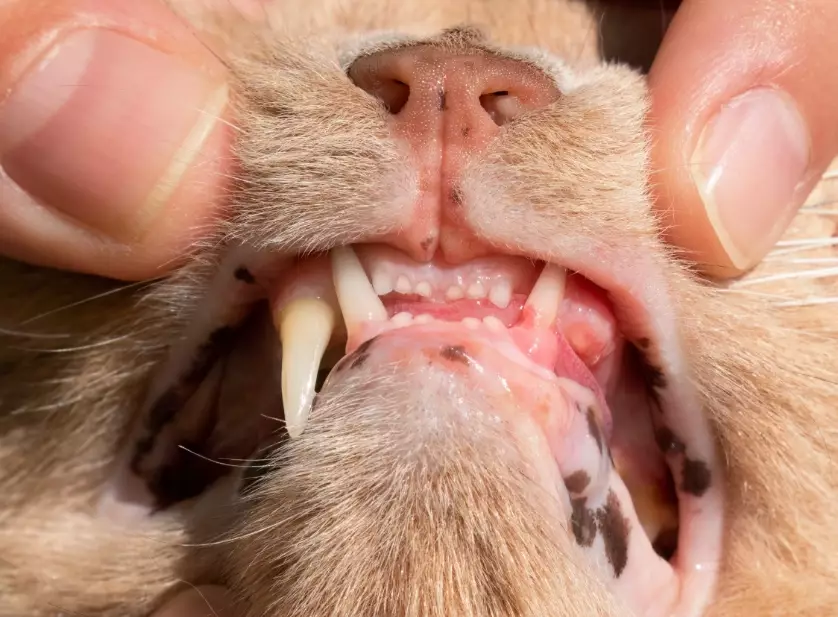
1. Bad Breath That's More Than Just "Cat Food Breath"
This is the number one sign owners notice. Normal cat breath isn't minty fresh, but it shouldn't make you recoil. Dental disease breath has a distinct, foul, often metallic or rotten smell. It's the smell of infection and decaying tissue. If your cat's breath suddenly reminds you of a garbage can, that's a major red flag, not just an inconvenience.
2. Visible Tartar and Gum Changes
Tartar looks like a hard, brown or yellow crust along the gumline, especially on the back teeth (premolars and molars). Healthy gums are firm and pink, like shrimp. Problem gums are red, swollen, and may bleed easily if touched. In severe cases, you might see a pronounced red line along the teeth where the gums meet the enamel—a classic sign of gingivitis.
3. Tooth Discoloration or Obvious Damage
A tooth that looks brown, grey, or purple is a dying or dead tooth. This often happens from trauma (like a fall) or advanced infection. You might also see chipped, broken, or worn-down teeth. Cats who chew on hard objects or who have a misaligned bite can wear their teeth down to the pulp.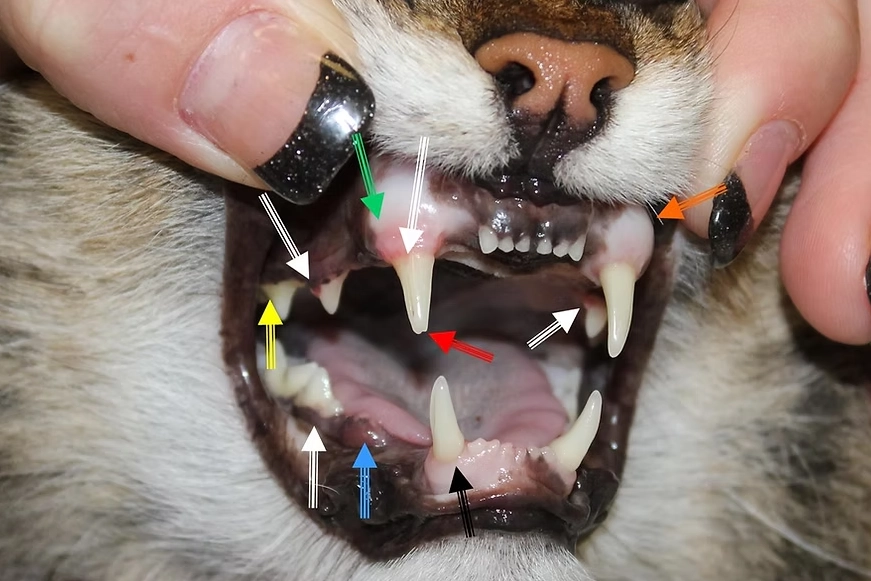
4. Drooling or Pawing at the Mouth
Excessive, sometimes bloody, drool is a sign of significant oral pain or a foreign object stuck in the mouth. You might see your cat dragging their mouth along the carpet or persistently pawing at their face. This isn't normal grooming behavior; it's a distress signal.
| Symptom | What It Looks/Smells Like | Likely Underlying Issue |
|---|---|---|
| Severe Bad Breath (Halitosis) | Rotten, metallic, persistently foul odor | Advanced periodontal disease, tooth infection (abscess), oral infection |
| Red, Swollen, Bleeding Gums | Gums are fire-engine red, bleed with slight pressure, may be receding | Gingivitis, Stomatitis (severe inflammation) |
| Brown Tartar Buildup | Hard, crusty material cemented to teeth, especially at the gumline | Plaque mineralization, leading to periodontal disease |
| Drooling (Ptyalism) | Wet chin/fur, strings of saliva, may be tinged with blood | Oral pain, foreign body, ulceration, tooth root abscess |
| Discolored Tooth | Tooth appears grey, brown, or purple compared to neighbors | Dead tooth (pulp necrosis), internal trauma |
Behavioral Red Flags: When Your Cat's Actions Tell the Story
This is where most owners miss the clues. You're not looking for dramatic limping or crying. You're looking for the quiet surrender of discomfort. Cats in dental pain often change their habits so gradually we write it off as "just getting older" or "being picky."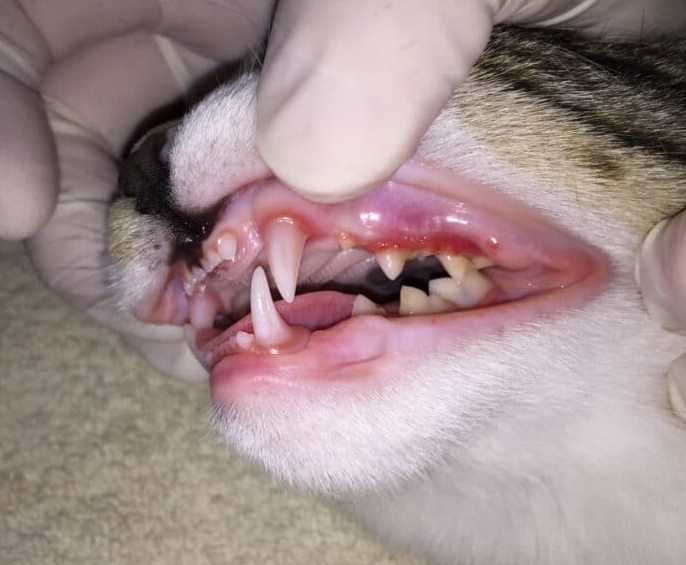
Subtle Eating Changes: This is the big one. Watch how your cat eats. Do they approach the bowl eagerly but then hesitate? Do they chew only on one side of their mouth, letting kibble fall out? Do they take a piece of dry food, carry it away from the bowl, and drop it before eating it? That's a cat trying to position food on their "good" side. A sudden preference for wet food over kibble can be a sign that crunching hurts.
Weight Loss and Poor Coat Condition: If eating is painful, they eat less. Less food means weight loss and a lack of nutrients for maintaining a glossy coat. A cat with chronic dental issues often has a dull, unkempt, or greasy-looking coat because grooming also becomes painful.
Uncharacteristic Irritability or Hiding: A sweet, social cat who starts hissing when you touch near their head or who spends more time under the bed isn't "being bad." They're in pain and protecting a vulnerable area. Pain makes anyone irritable.
Here's a non-consensus point many vets see: A cat who suddenly becomes a "messy eater," getting food all over the floor around their bowl, is often trying to tell you something. They're not being sloppy; they're manipulating food to avoid pain, often by using their tongue to scoop soft food instead of biting.
What's Causing the Pain? Common Feline Dental Conditions
Knowing the symptom is half the battle. Understanding what's causing it helps you grasp the urgency. These aren't just different names for the same thing; they require different approaches.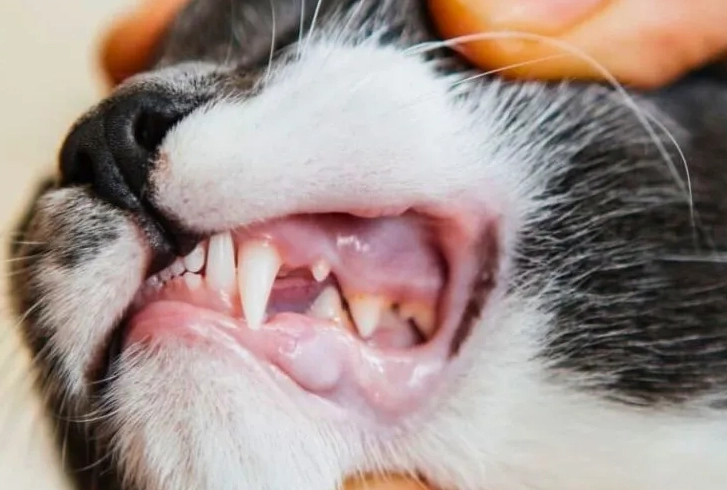
Periodontal Disease
This is the most common culprit. It starts with plaque, which hardens into tartar. Tartar irritates the gums (gingivitis), and if untreated, the infection digs down, destroying the bone and ligaments that hold the tooth in place (periodontitis). The tooth becomes loose. This process is painful at every stage. The American Veterinary Dental College provides excellent resources on the stages of this disease.
Tooth Resorption (FORLs)
This is a sneaky, painful, and incredibly common condition in cats—studies suggest it affects over 50% of adult cats. The body starts breaking down the tooth from the inside out, creating painful lesions often at the gumline. You might see what looks like a red spot or cavity on the tooth, or the gum may grow over the damaged area. Cats hide this pain exceptionally well until it's severe. X-rays are often needed for diagnosis.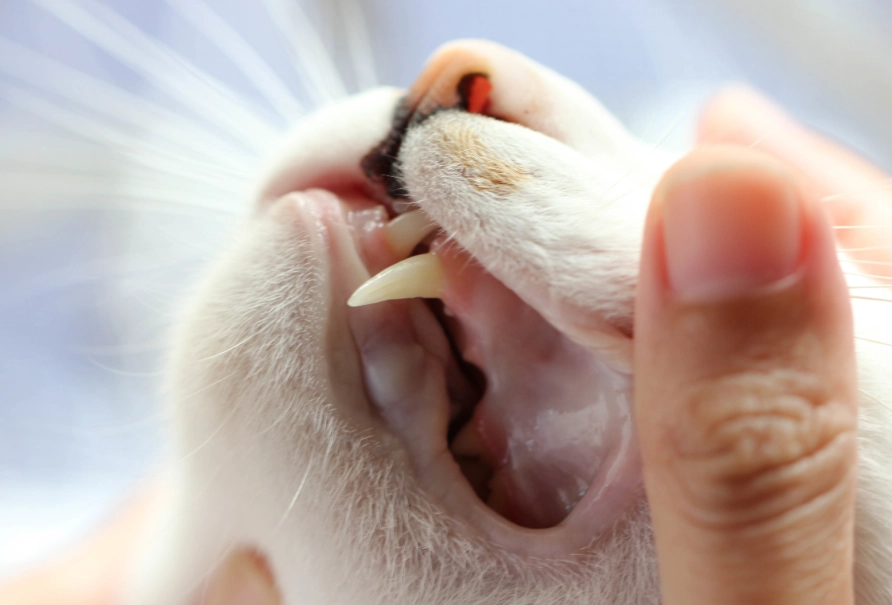
Stomatitis
This is a severe, debilitating, and whole-mouth inflammation. The gums, cheeks, and back of the throat become bright red, ulcerated, and agonizingly sore. Affected cats often have extreme difficulty eating, drool profusely, and may cry out when they yawn. It's an autoimmune-type response and is a true dental emergency.
Tooth Fractures & Abscesses
A broken tooth exposes the sensitive pulp cavity to bacteria, leading to infection and a root abscess. You might see swelling on the face, under the eye (for an upper tooth) or on the jaw (for a lower tooth). This swelling can rupture, leaving a draining wound. It's as painful as it sounds.
You Spotted a Symptom: What to Do Next
Panicking doesn't help. Having a plan does.
First, schedule a veterinary exam. Don't wait. Tell the vet exactly what you observed—the specific symptom and any behavior change. A visual oral exam is the first step, but it only tells part of the story.
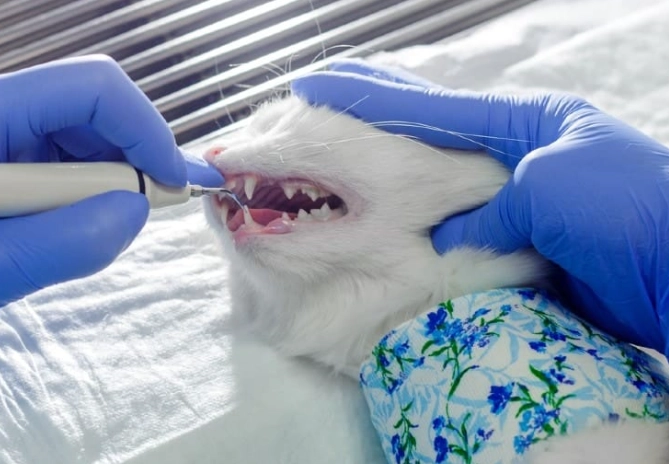
Understand that diagnosis usually requires anesthesia. This is the critical point many owners balk at. A truly comprehensive oral exam, probing for pockets around teeth, and taking dental X-rays cannot be done on a conscious cat. It's unsafe and ineffective. According to veterinary dental specialists, over 40% of a cat's tooth structure is below the gumline. Problems hiding there, like resorptive lesions or root abscesses, are invisible without X-rays. Anesthesia-free "dentals" are a disservice; they clean only the visible crown while missing the painful disease underneath.
Prepare for treatment recommendations. Depending on the diagnosis, this may range from a professional dental cleaning (prophylaxis) to extractions. For conditions like severe stomatitis or multiple resorptions, full-mouth extractions are sometimes the most humane option to provide permanent relief. It sounds drastic, but cats adapt remarkably well and can eat wet or even dry food without teeth. A pain-free life is the goal.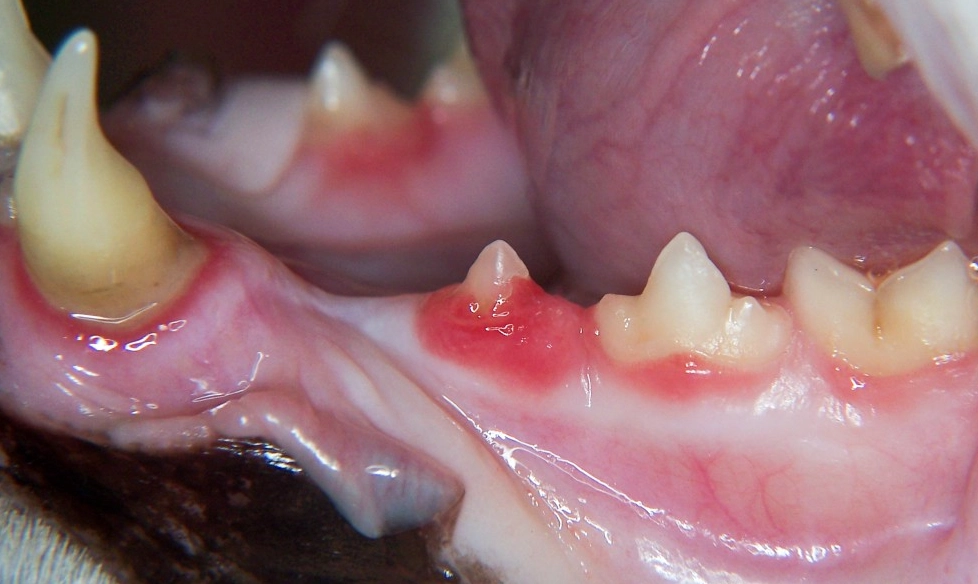
Your Top Questions on Cat Dental Symptoms, Answered
The bottom line is this: Your cat won't tell you their mouth hurts in words. They show you through a combination of smells, visual changes, and altered behavior. Learning this silent language is one of the most important things you can do as a cat owner. By catching these symptoms early, you're not just saving teeth; you're preventing systemic illness and ensuring your cat lives a more comfortable, pain-free life. Start your detective work today—lift that lip, observe that meal, and trust what you see.




Join the Conversation