In This Article
- The Golden Rule in Action: The N+1 Formula
- Beyond the Number: The Four Pillars of a Cat-Approved Box
- Your Golden Rule Checklist & Troubleshooting Table
- What About Special Cases? Kittens, Seniors, and Finicky Felines
- Common Questions (The Stuff You Actually Search For)
- Wrapping It Up: It's Simpler Than You Think
If you've ever found yourself scrubbing a carpet at midnight or wondering why your cat suddenly decided the laundry basket is a better toilet, you're not alone. I've been there, trust me. The smell, the frustration, the feeling that you're failing your feline friend. It's the worst.
But here's the thing. Almost every single litter box problem stems from us humans misunderstanding one simple, fundamental principle. Veterinarians and cat behaviorists call it the golden rule. And once you get it, everything else—the type of box, the litter, the location—just clicks into place.
Sounds obvious, right? But you'd be shocked how often we ignore it. We buy the covered box because it's prettier, we hide it in a dark basement corner, we use scented litter we like the smell of, and we scoop when we remember. All human choices. The cat is just left to deal with it. And when they protest by peeing on your bed, we get mad at them.
Let's break this down. What does "acceptable from the cat's perspective" actually mean in real life? It's not some mystical cat philosophy. It's based on their instincts as solitary hunters who are also prey animals. In the wild, leaving waste behind is risky. It can attract predators or signal weakness to rivals. So their bathroom habits are governed by deep-seated needs for cleanliness, security, and accessibility.
Your cat's refusal to use the box isn't spite. It's a survival instinct screaming that the situation isn't safe or clean enough. The golden rule for litter boxes is about listening to that instinct and designing their bathroom accordingly.
The Golden Rule in Action: The N+1 Formula
The most famous and practical application of the golden rule is the "number of boxes" rule. You've probably heard it: the golden rule for litter boxes is to have one more box than the number of cats you have.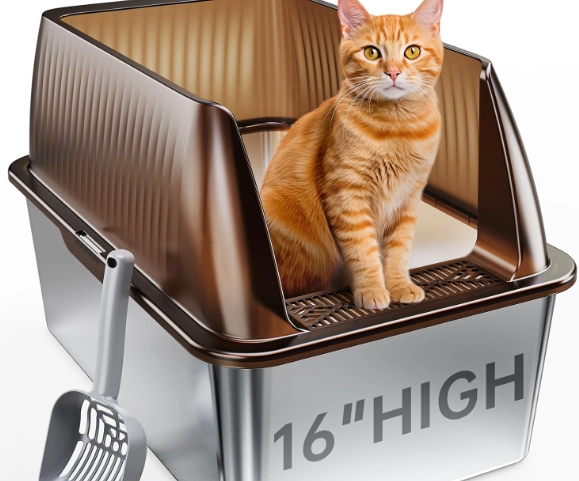
One cat? Two boxes. Two cats? Three boxes. Three cats? You get the idea.
This isn't just some arbitrary suggestion to sell more litter boxes. Think about it from the cat's view. In a multi-cat home, a single box can become a territory issue. A dominant cat might block access. A shy cat might be too intimidated to go if another is nearby. Even if they "get along," sharing a toilet is stressful. Would you want to share one bathroom with three roommates with no lock on the door? Probably not.
But here's a nuance most articles miss. The N+1 rule is the minimum. For some cats, especially in multi-level homes or with older cats, even more is better. The core of the litter box golden rule is providing choice and reducing competition. More boxes in different locations means a cat always has a safe, available option.
Beyond the Number: The Four Pillars of a Cat-Approved Box
Okay, so you have the right number of boxes. That's just the entry ticket. The golden rule for cat litter boxes extends into every detail. Let's look at the four pillars.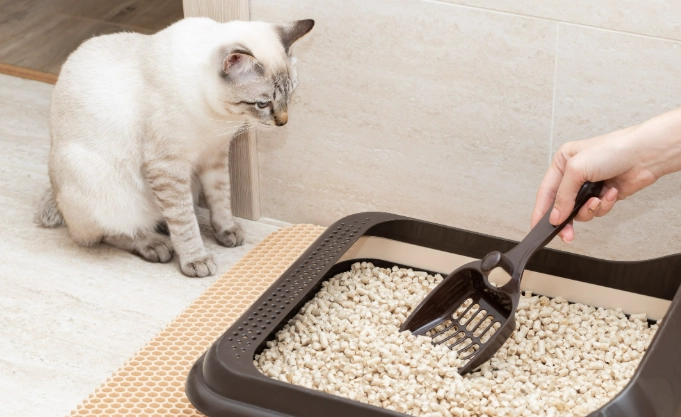
Pillar 1: Size and Style (Think Big and Open)
Most commercial litter boxes are too small. A cat should be able to turn around comfortably, dig, and cover without touching the sides. The rule of thumb? At least 1.5 times the length of your cat from nose to tail.
Now, covered boxes. Humans love them. They contain litter scatter and hide the mess. But from a cat's perspective? They trap odor inside (imagine using a porta-potty that's never cleaned), they're dark and confining (a potential ambush spot), and they only have one exit (a big no-no for a prey animal). Many cats tolerate them, but many others outright refuse. If you're having problems, the first thing to do is take the lid off.
A simple, large, open-top box is often the winner. For large cats, a giant plastic storage tub with an entry cut into the side is a fantastic, cheap alternative.
Pillar 2: Location, Location, Location
This is where we really violate the golden rule of litter boxes. We stick the box in the basement, the laundry room, or a cramped bathroom cabinet.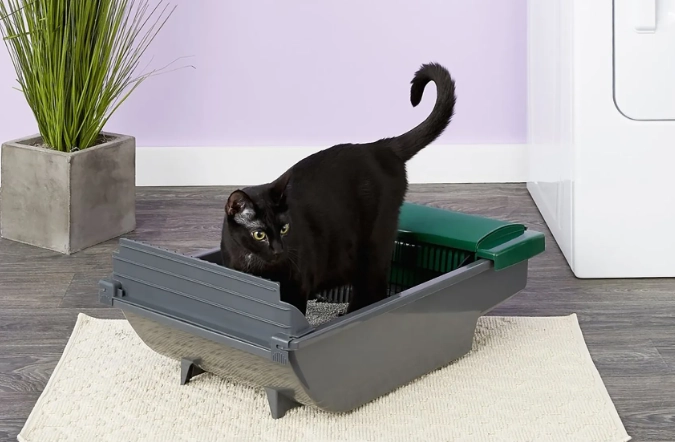
Bad idea. Cats need to feel safe, which means:
- Quiet and Low-Traffic: Not next to the barking dog's crate or the rumbling washing machine.
- Escape Routes: Never in a dead-end corner. They need to see the room and have multiple ways out.
- Easy Access: Not behind three doors or up two flights of stairs, especially for kittens or senior cats.
- Separate from Resources: Don't put the food and water bowl right next to the toilet. Would you eat in your bathroom?
Spread those boxes out! One on each floor of your house is a great strategy. This gives your cat options and prevents one blocked location from becoming a crisis.
Pillar 3: The Litter Itself (Less is More)
We love heavy perfumes and clumping technology. Cats? Not so much. Their sense of smell is far stronger than ours. That ocean breeze or lavender scent is overpowering and unpleasant to them. It can also mask the scent markers they leave, which is important for comfort.
The cat litter box golden rule dictates using an unscented, fine-grained, clumping litter. Why?
- Unscented: Lets the cat's own scent be present, which is reassuring.
- Fine-Grained: Feels softer on paws (think fine sand vs. rough gravel). Most cats prefer it.
- Clumping: Makes daily scooping infinitely easier, which leads us to the most important pillar...
Depth matters too. Too shallow, and they can't dig properly. Too deep, and it's hard to walk in. Two to three inches is the sweet spot.
Pillar 4: Cleanliness (The Non-Negotiable)
This is the heart of it all. If you remember nothing else, remember this: A dirty box is an unacceptable box. This is the most frequent reason cats start eliminating outside the box.
Think about it. A cat's instinct is to bury waste to hide their presence and stay clean. A filthy, smelly box covered in old urine and feces is the exact opposite of that instinct. It's repulsive to them.
The cleaning schedule isn't about your convenience. It's about their standards.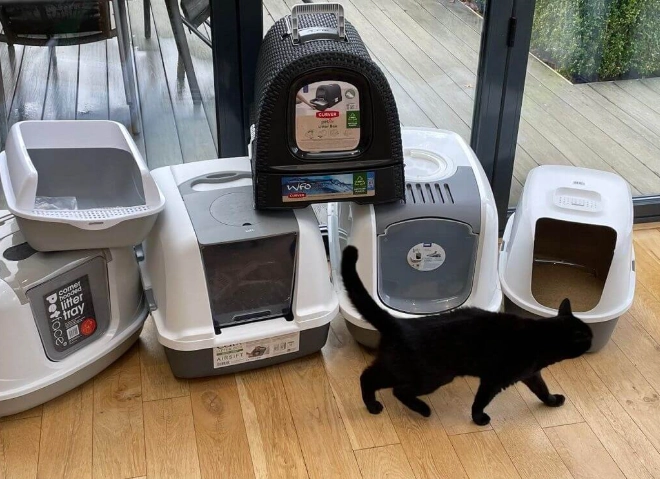
I know, I know. Life gets busy. But skipping a day is like forcing someone to use a toilet that hasn't been flushed. Would you do it? Get a good litter scoop, keep bags nearby, and make it a quick part of your morning or evening routine. It's the single most effective thing you can do to honor the golden rule for the litter box.
Your Golden Rule Checklist & Troubleshooting Table
Let's put it all together. Here’s a quick checklist to see if your setup follows the golden rule:
- ✓ Number of boxes = Number of cats + 1
- ✓ Boxes are large, open, and unobstructed
- ✓ Boxes are in quiet, safe, accessible locations (multiple if multi-story)
- ✓ Using unscented, clumping, fine-grained litter (2-3 inches deep)
- ✓ Scooping 1-2 times daily, deep cleaning monthly
If your cat is still having issues, use this table to diagnose. It connects common problems directly to which part of the golden rule you're breaking.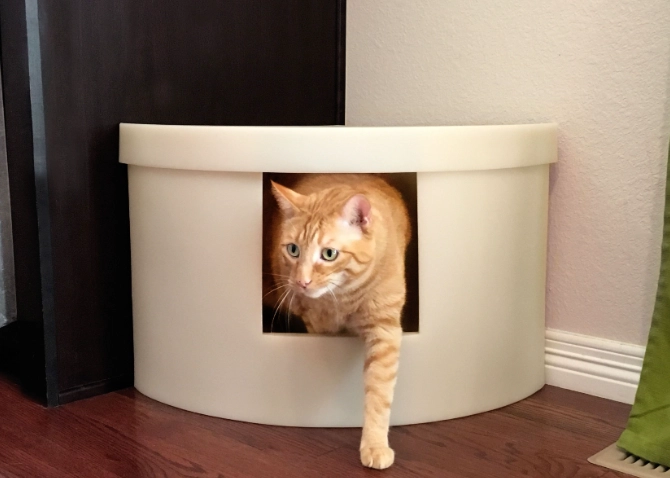
| Problem Symptom | Likely Golden Rule Violation | Quick Fix |
|---|---|---|
| Peeing/pooping right next to the box | Cleanliness (box is too dirty) or Box Style (too small/hooded/uncomfortable) | Scoop immediately. Try a larger, open box. |
| Going in bathtubs, sinks, or on smooth surfaces | Litter Type (litter texture is painful, e.g., for injured paws or arthritis) | Switch to a very soft, fine, unscented litter. Consider a vet check for pain. |
| Only going in certain rooms, avoiding others | Location/Security (the box location is scary or inaccessible) | Add a box in the "preferred" room. Make the avoided box location more appealing (quieter, better escape routes). |
| Spraying on vertical surfaces (walls, furniture) | Often territorial stress, exacerbated by insufficient boxes (Number Rule) or poor location. | Add more boxes in different territories. Use Feliway diffusers. Rule out medical issues with a vet first. |
| One cat in a multi-cat home is avoiding the box | Number Rule & Location (bullying or competition at the box) | Ensure you have N+1 boxes in separate locations, not side-by-side. |
See how it all ties back? The golden rule for litter boxes isn't one thing. It's a framework for seeing the world through your cat's eyes.
What About Special Cases? Kittens, Seniors, and Finicky Felines
The golden rule is flexible. It's a principle, not a rigid law. You have to adapt it to your individual cat's needs.
Kittens: Tiny legs need easy access. Use very low-sided boxes. You might need more boxes initially because their bladders are small and they can't hold it long to travel far. Place boxes near their play/sleep areas.
Senior Cats: Arthritis is common and cruel. A high-sided box becomes a mountain to climb. Switch to a large, low-entry box (they make some with a cut-down front). Ensure boxes are on every floor so they don't have to use stairs. Consider softer litter if their paws are tender.
The "Princess and the Pea" Cat: Some cats are just extra particular. They might not like the sound of certain litters, or the feel of plastic. If you've checked all the golden rule boxes (pun intended) and problems persist, try a different material. Some cats prefer paper pellets, others silica gel, some like walnut shells. It's a process of elimination. The litter box rule here is to be patient and keep experimenting until you find their preference.
Common Questions (The Stuff You Actually Search For)
"I live in a small apartment. I can't have multiple boxes!"
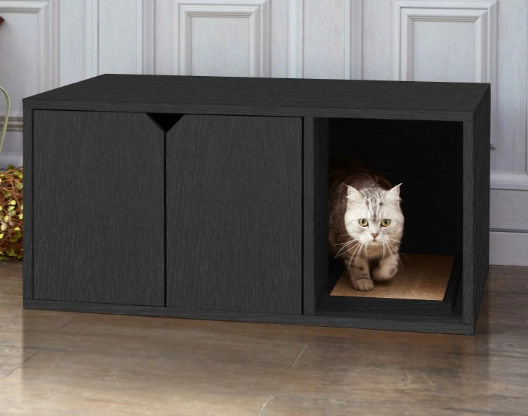
I feel you. Space is tight. But the golden rule of the litter box is about quality and choice as much as quantity. In a studio, you might get away with one box if it's pristine. But can you commit to scooping it twice a day without fail? Can you place it in the best possible spot (not next to the bed or kitchen)? If problems start, your only option is to get creative. A stylish, large-top-entry box can fit in a corner. A piece of furniture designed to hide a litter box can make a second one in the living area more palatable.
"How do I clean old urine smell from a carpet so my cat stops going there?"
This is critical. If a cat can smell old urine, they think "this is the bathroom spot." Regular cleaners don't work. You need an enzymatic cleaner specifically designed for pet urine. It breaks down the uric acid crystals that cause the lingering smell. Soak the area thoroughly, let it dry completely. This is non-negotiable for breaking the habit.
"My cat uses the box to pee but poops on the floor. Why?"
This is often a cleanliness quirk. Some cats are extra fastidious and don't want pee and poop in the same place. The solution? A second box. It's a classic case of needing to follow the N+1 golden rule for cat litter boxes, even with one cat. Provide one box for each function.
"Are automatic litter boxes okay?"
They can be a great tool for maintaining cleanliness (Pillar 4!). However, they can violate other pillars. Some are small or have hoods. The noise and motion can scare some cats. If you use one, ensure it's large and quiet, and for goodness sake, keep it clean. An automatic box that's full and blinking is worse than a regular dirty box. And always, always have at least one regular box as a backup. Don't put all your eggs in one robotic basket.
It's about giving them a choice, remember?
Wrapping It Up: It's Simpler Than You Think
So, what is the golden rule for litter boxes? It’s empathy. It’s stopping to ask, "If I were a cat, would I use this?"
Would you use a dirty, smelly, cramped toilet in a scary, hard-to-reach location? No. Neither will your cat.
Forget the gimmicks and the fancy products for a second. Start with the foundation: plenty of big, open boxes in good spots, filled with unscented litter, and kept obsessively clean. That’s the core of the golden rule for litter boxes. Everything else is fine-tuning.
It requires a bit more effort from us. More scooping, more boxes to buy, more space to dedicate. But the payoff is huge. A home free of mystery smells and stains. A harmonious relationship with your cat. And most importantly, a happy, healthy feline who feels safe and respected in their own home.
That’s what the golden rule is really about. It’s not just a rule for a litter box. It’s a rule for living peacefully with a creature who sees the world very differently than we do. And getting it right is one of the best things you can do for them.





Join the Conversation