Let's be honest. The first time I tried to groom my own dog, it was a disaster. Water everywhere, a terrified terrier, and a haircut that looked like I used a lawnmower. That's when I realized professional dog grooming tips for beginners aren't just about making your pup look pretty—they're about safety, bonding, and health. Learning to groom your dog at home saves money, reduces stress for your pet (no more scary salon trips), and lets you spot potential health issues early. This guide strips away the complexity and gives you the exact steps and tools you need.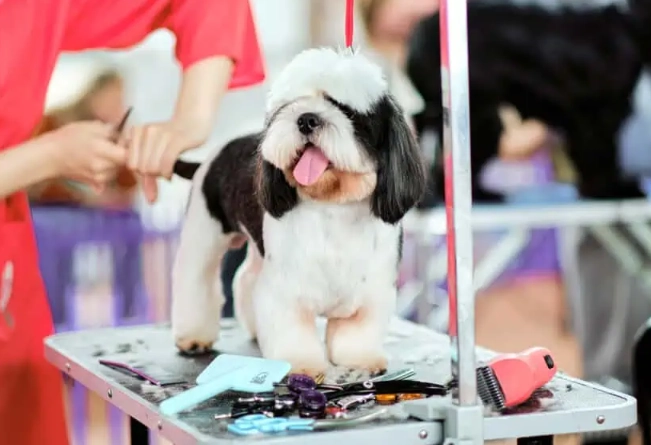
Quick Navigation: What You'll Learn
- Why Home Grooming Matters (Beyond Just Looking Good)
- Your Dog Grooming Toolkit: What You Really Need
- The Step-by-Step Dog Bathing Process (Without the Chaos)
- Brushing & Dematting: The Foundation of Good Grooming
- Nail Trimming & Paw Care: Conquering the Dreaded Clippers
- Ears, Eyes & Teeth: The Often-Missed Essentials
- Basic Hair Trimming & Shaping for Beginners
- Creating a Positive Grooming Experience for Your Dog
- Your Grooming Questions Answered
Why Home Grooming Matters (Beyond Just Looking Good)
It's not vanity. Regular grooming is preventative healthcare. Matted fur isn't just ugly; it pulls on the skin, restricts movement, and hides parasites, hot spots, and lumps. Long nails change how a dog walks, leading to joint pain. Dirty ears breed infections. When you groom, you're conducting a full-body health check. You become familiar with every inch of your dog, so you'll notice that new bump or that patch of red skin immediately. The American Kennel Club (AKC) emphasizes that grooming is a key component of responsible pet ownership, crucial for both physical comfort and early disease detection.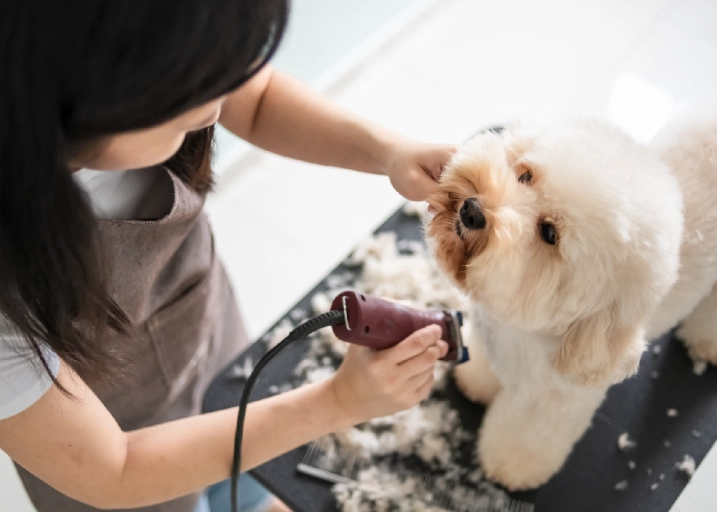
And then there's the bond. Forcing a scared dog through grooming creates anxiety. Doing it yourself, with patience and treats, builds immense trust. Your dog learns that you handle them with care, even during uncomfortable tasks like nail trims. That trust spills over into every other part of your relationship.
Your Dog Grooming Toolkit: What You Really Need
You don't need a salon's worth of gear. A focused, quality starter kit is better than a drawer full of junk. Here’s the non-negotiable list, based on your dog's coat type.
| Tool | Primary Use | Best For Coat Type | Beginner Tip |
|---|---|---|---|
| Slicker Brush | Removing loose hair, tangles, and minor mats. | All medium/long coats (Poodles, Spaniels, Shelties). | Use gentle pressure. Brush in the direction of hair growth, not against it. |
| Undercoat Rake | Removing the dense soft undercoat. | Double-coated breeds (Huskies, German Shepherds, Retrievers). | Essential during shedding season. Use before the slicker brush. |
| Bristle Brush or Grooming Mitt | Distributing natural oils, polishing short coats, removing final loose hairs. | Short-haired breeds (Labs, Beagles, Boxers). | A great finishing tool that most dogs enjoy. |
| Steel Comb | Final check for mats, especially in sensitive areas (armpits, behind ears). | All coat types. | If the comb doesn't glide through, there's a tangle you missed. |
| Dog-Specific Nail Clippers (Guillotine or Scissor-style) | Trimming nails to a safe length. | All dogs. | Guillotine types are often easier for beginners. Have styptic powder on hand. |
| Dog Shampoo & Conditioner | Cleaning and moisturizing the skin and coat. | All dogs. | Never use human shampoo. It's too harsh for dog skin pH. |
| Ear Cleaning Solution & Cotton Balls | Cleaning the outer ear canal. | All dogs, especially floppy-eared breeds. | |
| Toothbrush & Dog Toothpaste | Brushing teeth to prevent plaque. | All dogs. | Start slow. Let them lick the tasty paste off the brush first. |
The Step-by-Step Dog Bathing Process (Without the Chaos)
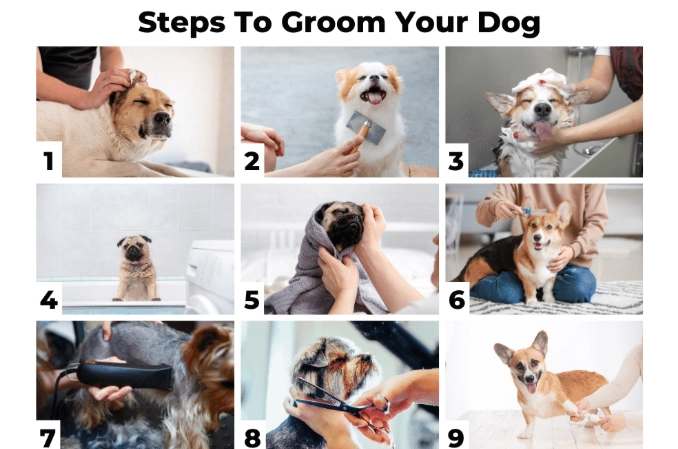
How do I bathe my dog without a mess? Preparation is 90% of the battle. Bathing isn't just shampoo and rinse; it's a sequence that prevents water in ears and soap residue.
Pre-Bath: The Brush-Out
Never, ever bathe a matted dog. Water tightens mats into impossible, skin-pulling clumps. Always do a thorough brush and comb-through first. This is the most common mistake I see beginners make.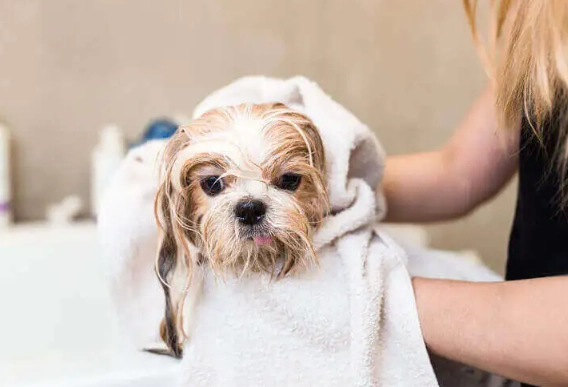
Step-by-Step in the Tub
- Place cotton balls gently in the ear canals. This isn't a plug, just a light barrier to prevent water from rushing in.
- Use lukewarm water. Test it on your inner wrist. Start at the neck and work down, thoroughly wetting the coat to the skin. Avoid the head for now.
- Apply shampoo from neck to tail. Dilute it with water in your hand first. Massage it in, creating a good lather. Don't just glide over the top—get down to the skin on legs, belly, and chest.
- Clean the face last. Use a damp washcloth with a tiny bit of shampoo to wipe the face, avoiding eyes and nostrils. No direct spray to the face.
- Rinse, rinse, rinse. Incomplete rinsing is the #1 cause of itchy skin after a bath. Rinse until the water runs completely clear. Lift the fur to check the underlayer.
- Apply conditioner if needed (for long or dry coats), rinse thoroughly again.
- Remove cotton balls. Gently dry the outer ear with a cotton ball.
- The Dry-Down. Squeeze excess water from the coat. Wrap in a microfiber towel and gently press/scrunch. Don't rub vigorously.
Brushing & Dematting: The Foundation of Good Grooming
What's the biggest mistake beginners make with dog brushing? Using the wrong tool for the coat layer. You must address the undercoat on double-coated breeds first with an undercoat rake, then follow with a slicker brush for the topcoat. For mats, never just pull or cut with scissors parallel to the skin—you will cut the dog.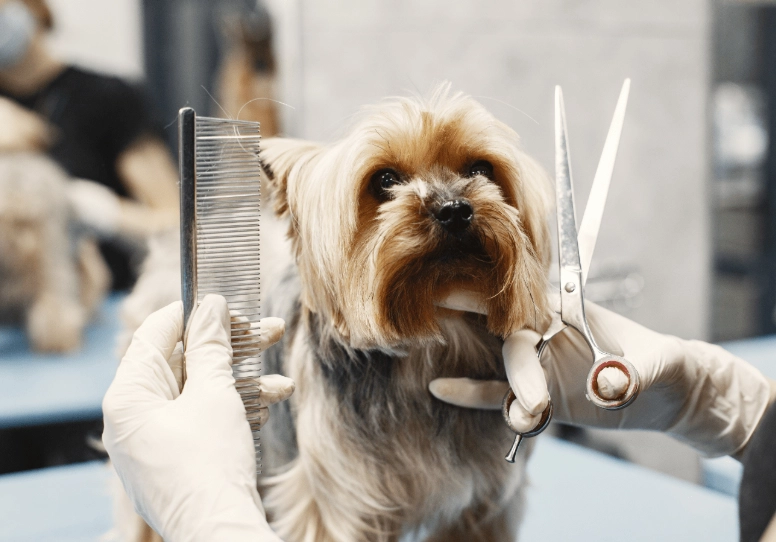
Brushing frequency depends entirely on the coat. A short-haired Boxer might need a once-over with a bristle brush weekly. A Poodle or a shedding Husky needs a detailed brush-out every other day. Consistency is key—ten minutes every other day is far better than an hour-long struggle once a month.
Nail Trimming & Paw Care: Conquering the Dreaded Clippers
The fear is real—for both of you. The goal is to trim the keratin "hook" without cutting the "quick," the pink, blood-filled nerve inside the nail. On light-colored nails, you can see it. On black nails, you can't.
- Technique: Hold the paw firmly but gently. Make small, angled cuts, looking at the nail from the underside after each snip. When you see a black dot in the center of the freshly cut nail (the start of the quick), stop.
- If You Hit the Quick: Don't panic. Apply styptic powder (or cornstarch in a pinch) with firm pressure for a minute. It will stop. Comfort your dog. It happens to everyone, but it's why we take tiny bits off.
- Paw Pad Care: Check pads for cracks, cuts, or embedded debris (like gravel or tar). You can use a pad moisturizer made for dogs if they seem dry, but consult your vet first.
Ears, Eyes & Teeth: The Often-Missed Essentials
This is where home grooming truly becomes healthcare. According to the Veterinary Centers of America (VCA), regular ear cleaning can prevent most common ear infections.
Ears: Squeeze a vet-approved ear cleaner into the canal (don't let the bottle tip touch the ear). Gently massage the base of the ear for 20 seconds. Let your dog shake. Then use a cotton ball to wipe out the visible part of the outer ear canal. Never use Q-tips deep in the ear.
Eyes: Use a soft, damp cloth to wipe away "sleep" or crust from the corner of the eyes daily. For breeds with tear staining, keeping the area dry is more effective than miracle washes.
Teeth: Dental disease is pervasive. Start by letting your dog taste the poultry or peanut butter flavored toothpaste. Then gently lift the lip and brush the outside surfaces of the teeth in small circles. The inside surfaces are less critical as the tongue helps keep them clean. Aim for several times a week.
Basic Hair Trimming & Shaping for Beginners
For your first few sessions, forget the full haircut. Focus on sanitary trims and paw pad trims, which are functional and relatively safe.
- Sanitary Trim: Using blunt-tipped grooming scissors, carefully trim the hair around the anus and (for males) the sheath, and the vulva area (for females). Keep hair short here for hygiene. Use your free hand as a barrier between the skin and scissors.
- Paw Pad Trim: Gently spread the toes. Use small, blunt scissors to trim any hair growing between the pads and level with the bottom of the pad. This gives better traction and prevents ice/snow balls in winter.
- Face & Feet Feathering: Only attempt this if your dog is calm. Use thinning shears (not blunt scissors) to lightly trim overgrown hair around the eyes and the long "feathers" on the feet. Thinning shears remove bulk without creating a harsh, scissored line.
Creating a Positive Grooming Experience for Your Dog
This isn't a chore; it's a training session. Keep sessions short (5-15 minutes) and end on a positive note with a high-value treat and play. If you only do nails one day and brushing the next, that's fine. Handle your dog's paws, ears, and mouth regularly outside of grooming time, and reward them for it. This desensitizes them. If your dog shows severe fear or aggression, stop and consult a certified force-free dog trainer. Pushing through fear will make every future session harder.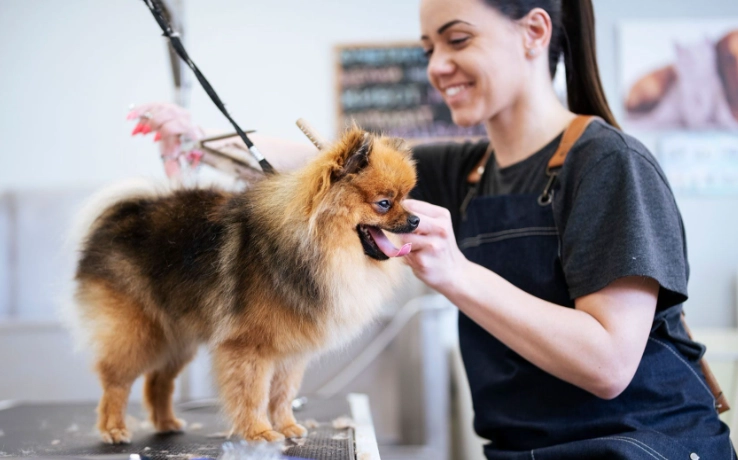
Your Grooming Questions Answered
My dog hates the brush. What's the secret to making brushing enjoyable?
Start with very short sessions, just a few strokes on their favorite spot (like the chest). Pair every single stroke with a high-value treat like chicken or cheese. Use a softer brush than you think you need—a grooming mitt can be a great intro. The goal is to build a "brush = amazing things happen" association before you ever tackle a tangle.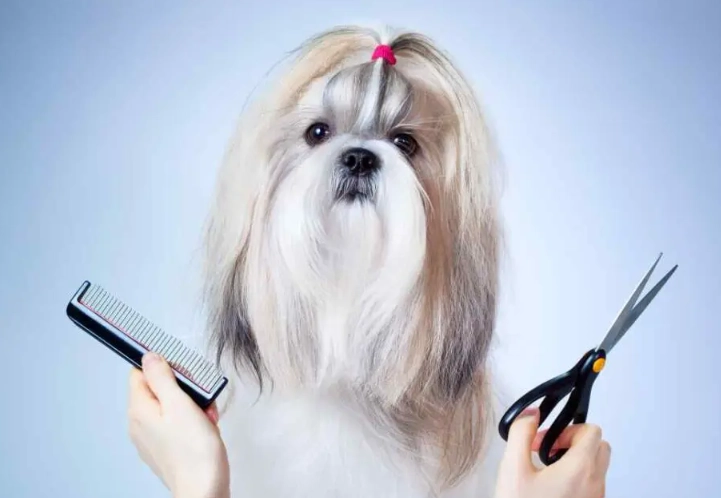
How often should I actually bathe my dog? I've heard conflicting advice.
The old "once a month" rule is outdated. It depends on coat, skin, and lifestyle. A short-haired dog who rolls in mud needs a bath. An oily-coated Basset Hound might need one every two weeks. A dry-skinned Husky might only need 2-3 baths a year. Watch your dog. If they are itchy, smelly, or greasy, it's time. Over-bathing with harsh shampoo strips natural oils and causes dryness. When in doubt, consult your vet.
What's one grooming tool that most beginners overlook but is a total game-changer?
A high-velocity dryer (on low, cool setting) for heavy-coated dogs. Not for drying, but for "blowing out" the loose undercoat after brushing. It gets out an astonishing amount of hair you missed and leaves the coat fluffy and clean. It's an investment, but for shedders, it cuts brushing time in half and is far more effective. For most beginners, though, mastering the steel comb is the real unsung hero—it's your final quality check.
Is it safe to use human clippers on my dog if I buy a guard comb?
I don't recommend it. Dog clippers are engineered for different purposes: more powerful motors to cut through dense canine hair, better heat dissipation, and blades designed for dog coat textures. Human clippers will struggle, get hot quickly, and pull the hair, causing pain. They'll also dull much faster. Start with scissors for minor trims and save for proper dog clippers if you decide to do full haircuts later.
My dog trembles and hides when I get the nail clippers out. How do I get past this?
Put the clippers away for now. The goal is to make the clippers irrelevant. For two weeks, just handle your dog's paws daily, giving a treat each time. Then, place the clippers on the floor during dinner so they become a neutral object. Then, touch the paw with the clippers (don't cut), and treat. This process, called desensitization and counter-conditioning, takes patience but is the only way to build real comfort. For immediate needs, consider a scratch board (a sandpaper-covered board they scratch) for filing front nails, or have a groomer/vet do it while you work on the fear at home.

Join the Conversation