You love animals. The idea of spending your days with them, caring for them, and maybe even helping their species thrive sounds a lot better than another spreadsheet or customer service call. But "working with animals" is a vast field. It's not all cuddling puppies (though that can be part of it). It's science, medicine, behavior, conservation, and a significant amount of cleaning up.
Let's cut to the chase. If you're searching for a real career with animals, not just a seasonal gig, you need a clear map. This guide breaks down five legitimate, long-term career paths. We'll go beyond the job title and into the nitty-gritty: what you actually do all day, the skills you need that nobody talks about, how much training it takes, and what you can realistically expect to earn. I've been around this block for over a decade, and I'll point out the pitfalls most guides gloss over.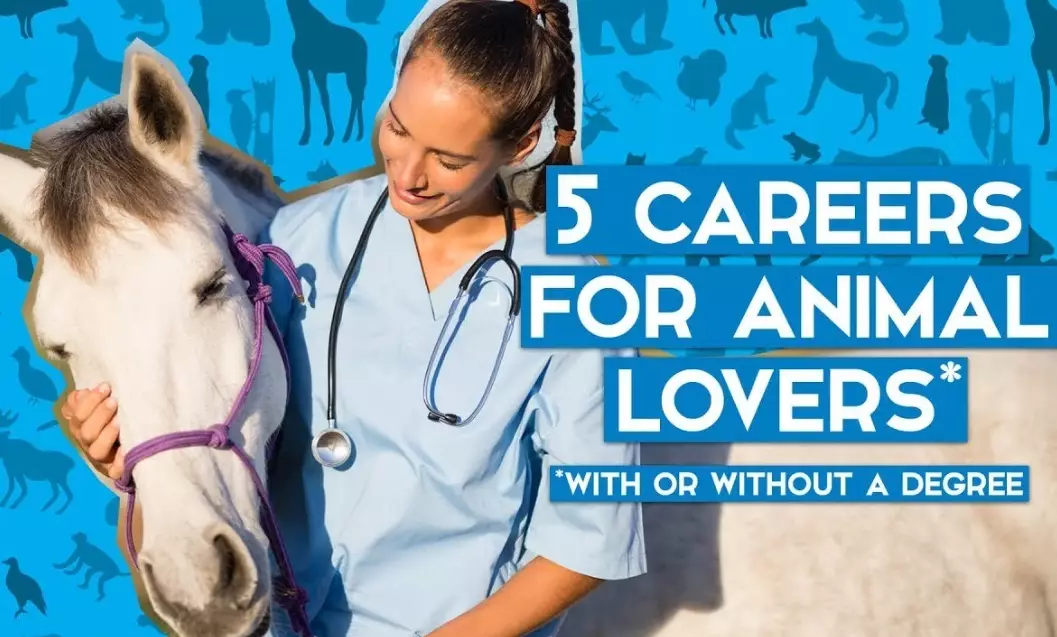
What You’ll Find Inside
- 1. Veterinarian: The Medical Expert
- 2. Zookeeper: The Animal Caretaker & Educator
- 3. Wildlife Biologist: The Field Scientist
- 4. Animal Trainer: The Behavior Specialist
- 5. Professional Pet Groomer: The Canine & Feline Stylist
- How to Start Your Animal Career Journey
- Your Animal Career Questions Answered
1. Veterinarian: The Medical Expert
This is the big one. When people think "animal career," vet is often the first job that pops up. It's also one of the most demanding and rewarding.
The Day-to-Day Reality
Forget the image of a serene doctor in a white coat gently examining a golden retriever. A typical day is a marathon. It starts with surgery—maybe a spay, a dental cleaning, or removing a foreign object from a cat's intestine. Then it's back-to-back appointments: vaccinations, diagnosing a limp, discussing a senior dog's kidney values with a worried owner. You're part doctor, part surgeon, part radiologist, part counselor, and part businessperson if you own the practice. The emotional rollercoaster is real—from the joy of sending a healed pet home to the profound sadness of euthanasia consultations.
Education & The Financial Mountain
This is the major hurdle. The path is long: a bachelor's degree (usually in a science like biology) with a stellar GPA, followed by four years of veterinary school, which is arguably more competitive than human medical school in terms of acceptance rates. The cost is staggering. According to the American Veterinary Medical Association (AVMA), the average debt for vet school graduates routinely exceeds $150,000. Starting salaries, while respectable, often don't align with that debt load immediately. A new grad might start around $80,000-$100,000 in private practice. Specialists (like veterinary cardiologists or surgeons) earn significantly more but require additional 3-4 year residencies.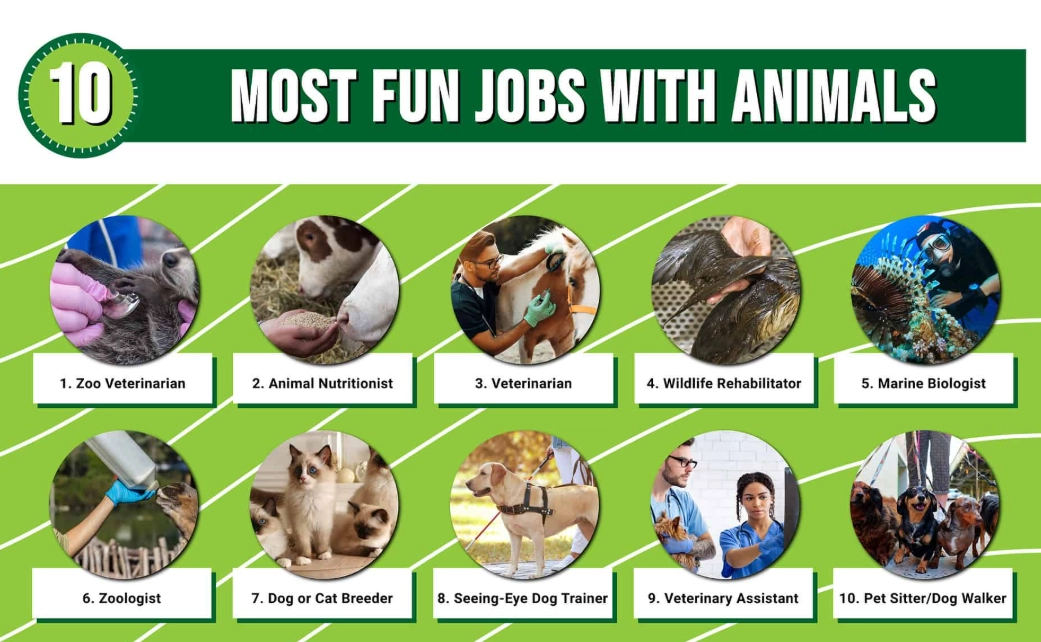
2. Zookeeper: The Animal Caretaker & Educator
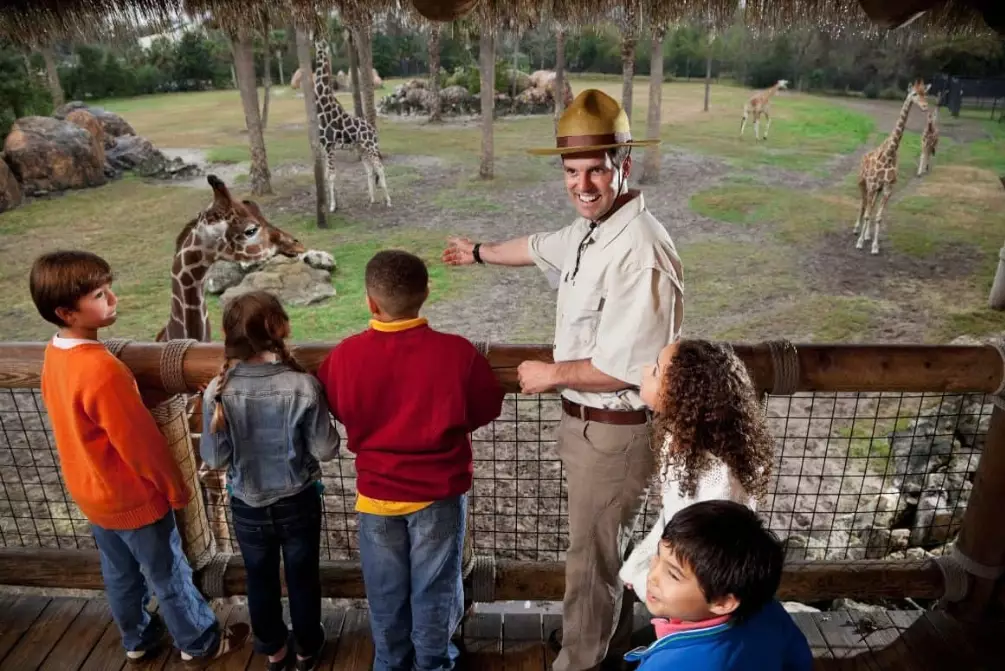
This career is about stewardship. Your primary charge is the wellbeing of the animals in your section, but you're also a vital link between the public and wildlife conservation.
What Does a Zookeeper Actually Do?
Your day starts early. First, you prepare diets—weighing out specific amounts of meat, produce, and supplements. Then, you clean. Enclosures, pools, bedding—this is a huge part of the job. You observe each animal meticulously, noting appetite, behavior, and stool quality, which are critical health indicators. You conduct training sessions, not for tricks, but for voluntary medical behaviors like presenting a paw for a blood draw or opening a mouth for an exam. You also give keeper talks, answering questions from visitors about the animals' biology and conservation status.
The work is physically tough, outdoors in all weather, and the pay is notoriously modest, often starting in the $30,000-$40,000 range. You do it for the profound connection with the animals and the mission.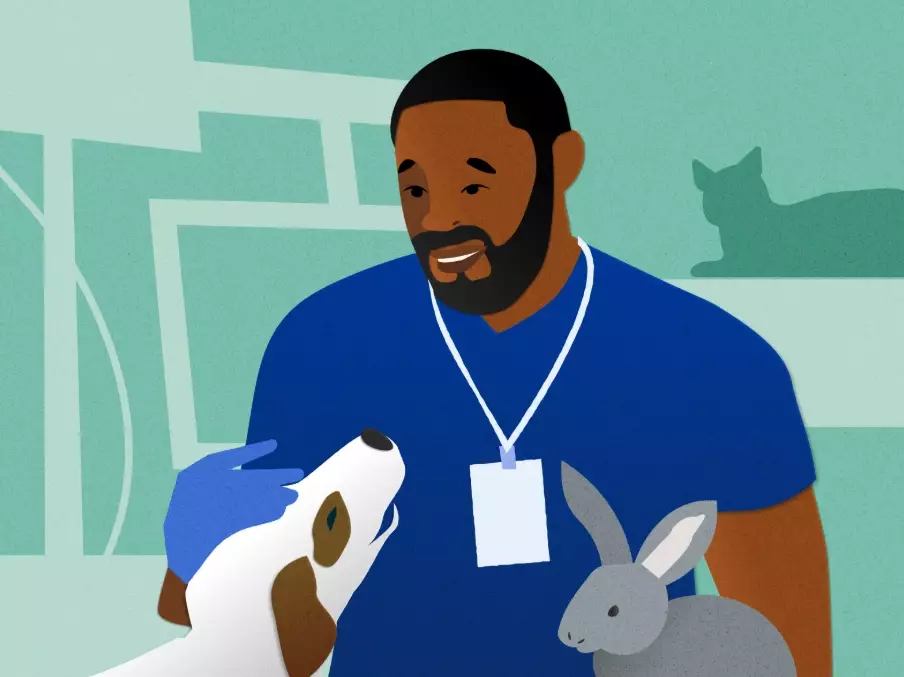
3. Wildlife Biologist: The Field Scientist
If your passion is for animals in the wild, this is your path. It's less about direct daily care and more about research, data, and ecosystem management.
A Career of Variety
One month, you might be in a remote forest, tranquilizing and collaring wolves to track their pack movements. The next, you're in an office analyzing GPS data or writing a grant proposal to fund your next study. You could work for a government agency like the U.S. Fish and Wildlife Service, managing protected species lists and habitat recovery plans. You might work for a non-profit like The Nature Conservancy on land acquisition strategies. Or you could be a consultant, assessing the environmental impact of a new construction project on local fauna.
The Path to the Field
A bachelor's degree in wildlife biology, ecology, or zoology is the minimum. To lead your own research or secure permanent positions, a Master's degree is almost essential. The key differentiator is field experience. Volunteering for research projects, seasonal technician jobs (often low-paid but invaluable), and building a network are more important than perfect grades. The work can involve long periods away from home, harsh conditions, and the emotional toll of studying species in decline.
4. Animal Trainer: The Behavior Specialist
This field is incredibly diverse, ranging from Hollywood to your local pet store. The core skill is understanding and modifying animal behavior using positive reinforcement.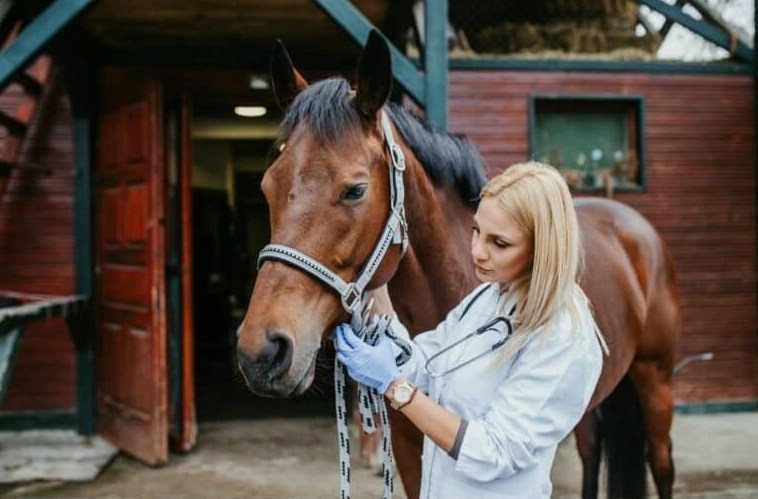
Marine Mammal Trainers at aquariums work with dolphins, sea lions, and whales. The job is highly competitive, requires strong swimming skills, and focuses on husbandry behaviors and educational demonstrations.
Service Dog Trainers have a two-year process of raising and meticulously training dogs to assist individuals with disabilities. It's methodical, detail-oriented work with a huge social impact.
Companion Animal Trainers help pet owners solve behavior problems like aggression, anxiety, or basic obedience. Certification from organizations like the Certification Council for Professional Dog Trainers (CCPDT) is becoming the industry standard to separate professionals from hobbyists.
5. Professional Pet Groomer: The Canine & Feline Stylist
Don't underestimate this career. A skilled groomer is a combination of stylist, healthcare aide, and animal handler. It's a hands-on, creative, and entrepreneurial path.
More Than Just a Bath and Haircut
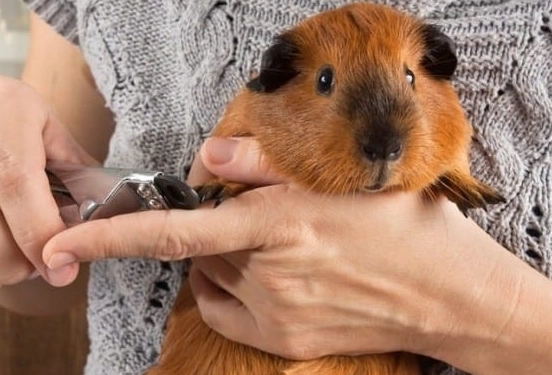
A groomer's value lies in their eye for breed standards, their ability to handle anxious or difficult pets safely, and their role in preventative health. During a groom, you're often the first to spot lumps, skin infections, ear issues, or dental problems. You need stamina—it's a physically demanding job of lifting, bending, and standing all day. You also need business acumen if you plan to go mobile or open your own salon.
Training typically involves a certificate program from a grooming school (often 6-12 months) or a lengthy apprenticeship. Income is often commission-based or self-determined. A good, busy groomer can earn $40,000-$60,000+, and salon owners can earn more. The demand is consistently high.
How to Start Your Animal Career Journey
Reading is one thing, doing is another. Your first step isn't applying to school; it's getting your hands dirty.
Volunteer, Volunteer, Volunteer. Animal shelters, wildlife rehab centers, and horse stables always need help. This tests your commitment and builds your resume.
Seek Out Entry-Level Jobs. Become a kennel attendant at a vet clinic, a dog daycare attendant, or a ranch hand. These roles teach the fundamentals of animal care, cleaning, and observation.
Talk to Professionals. Ask a zookeeper, a vet tech, a trainer about their worst day and their best day. Their honest answers are more valuable than any brochure.
Consider the Financials Realistically. Map out education costs against likely starting salaries. Look for scholarships, state schools, and employer tuition assistance programs.
Your Animal Career Questions Answered
 Is a zoology degree the best for all animal careers?



Join the Conversation