After 12 years of living with multiple cats and testing over 30 different litters, I can tell you that finding the best cat litter for odor control isn't about magic formulas. It's about understanding how litters work and matching them to your cat's habits. Let's cut to the chase: clumping clay litters with activated charcoal often lead the pack, but plant-based options like pine or corn can surprise you with their natural absorbency. The key is to avoid scented litters that mask smells—they usually make things worse long-term.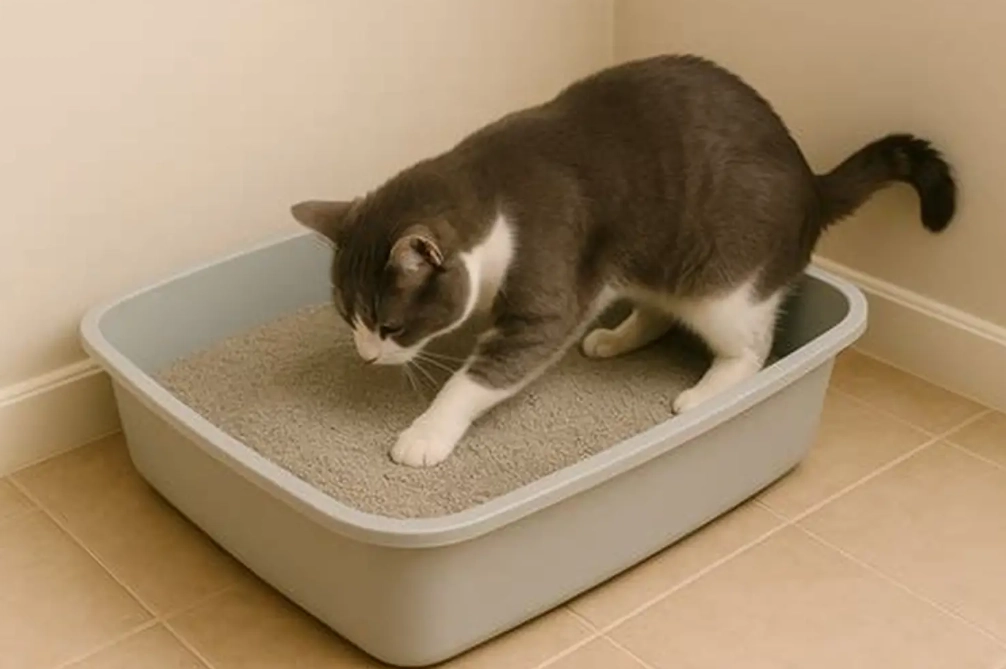
What You'll Find in This Guide
How Cat Litter Actually Controls Odor (It's Not Just Absorption)
Most people think odor control is about soaking up urine. That's part of it, but the real enemy is ammonia from urine breakdown and bacterial growth. Good litters tackle this in three ways: absorption, clumping to isolate waste, and chemical neutralization. Activated carbon or baking soda are common additives that bind to odor molecules. Plant-based litters use natural enzymes to break down smells.
I learned this the hard way. Early on, I used a cheap clay litter that clumped well but left a lingering ammonia scent. Turns out, it lacked odor-neutralizing agents. The American Veterinary Medical Association notes that proper waste management is critical for household hygiene, but litter choice sets the foundation.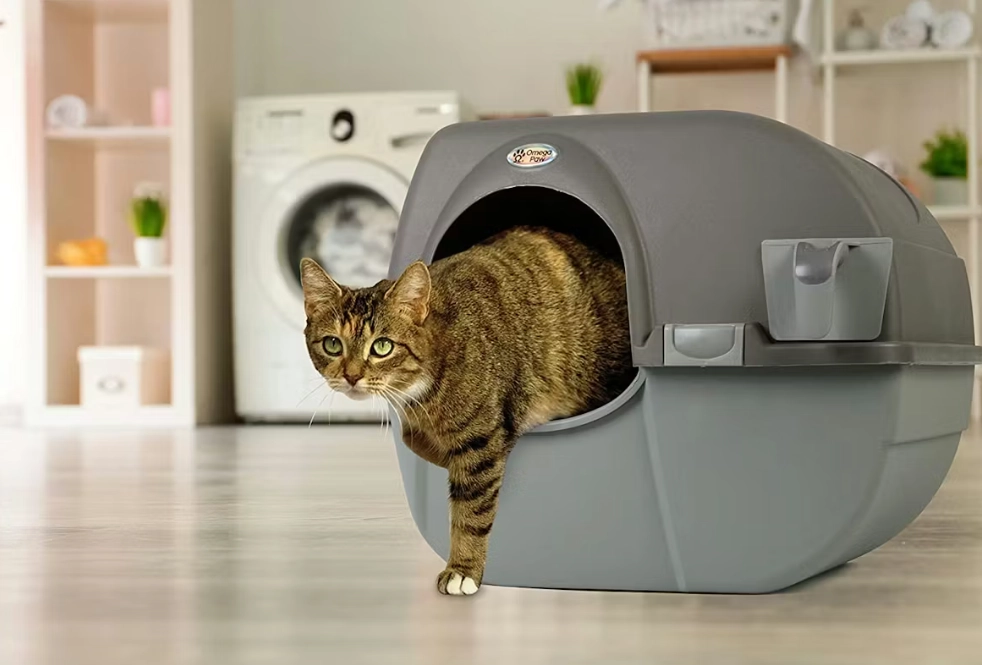
Key Ingredients to Look For in Odor-Control Litter
Baking soda is a classic—it neutralizes acids in urine. Zeolite, a mineral, traps ammonia gases. Some litters use plant extracts like yucca for natural deodorizing. Avoid litters with heavy perfumes; they can irritate your cat's respiratory system and only cover up smells temporarily. A study from the Journal of Feline Medicine and Surgery suggests that unscented litters are often preferred by cats, reducing litter box avoidance.
Here's a tip many miss: Odor control starts with the litter box itself. A deep box (at least 4 inches) lets litter clump properly, preventing urine from pooling at the bottom where smells fester.
My Top 5 Cat Litters for Odor Control (Hands-On Testing)
I've spent months testing these with two cats—one with sensitive paws, one a heavy urinator. Here's the rundown, based on real use, not just marketing claims.
| Brand & Type | Key Odor-Control Feature | Price Range (per month) | My Rating (1-10) | Best For |
|---|---|---|---|---|
| Arm & Hammer Clump & Seal Multi-Cat | Baking soda formula, tight clumping | $20-$30 | 9 | Multi-cat households, strong odors |
| World's Best Cat Litter (Corn-Based) | Natural corn enzymes, low dust | $25-$35 | 8.5 | Eco-conscious owners, cats with allergies |
| Dr. Elsey's Precious Cat Ultra | Hard clumping, minimal tracking | $15-$25 | 8 | Budget buyers, small spaces |
| PrettyLitter (Silica Gel) | Moisture-absorbing crystals, color-changing | $30-$40 | 7.5 | Health monitoring, low maintenance |
| Ökocat Super Soft Wood Litter | Plant-based, highly absorbent | $20-$30 | 8 | Natural material fans, lightweight |
Arm & Hammer Clump & Seal is my go-to for heavy odor control. It uses a baking soda system that genuinely neutralizes smells for days. I used it in a two-cat apartment, and visitors never noticed a litter box. But it's dusty—not ideal for cats with asthma.
World's Best Cat Litter surprised me. The corn-based formula has natural enzymes that break down odors without chemicals. It clumps decently and is almost dust-free. However, it can track more than clay litters.
Dr. Elsey's is a solid budget pick. It clumps rock-hard, making scooping easy and isolating waste effectively. Odor control is good but not exceptional; you need regular scooping.
PrettyLitter is unique. The silica crystals absorb urine completely, reducing ammonia formation. It's low-odor for weeks, but the price adds up. Some cats dislike the texture.
Ökocat's wood litter is eco-friendly and absorbs odors well through natural fibers. It's lightweight, but the scent of pine might put off some cats initially.
How to Choose the Right Odor-Control Litter for Your Situation
Don't just grab the top-rated litter. Consider your cat's preferences and your home setup. Here's a quick framework.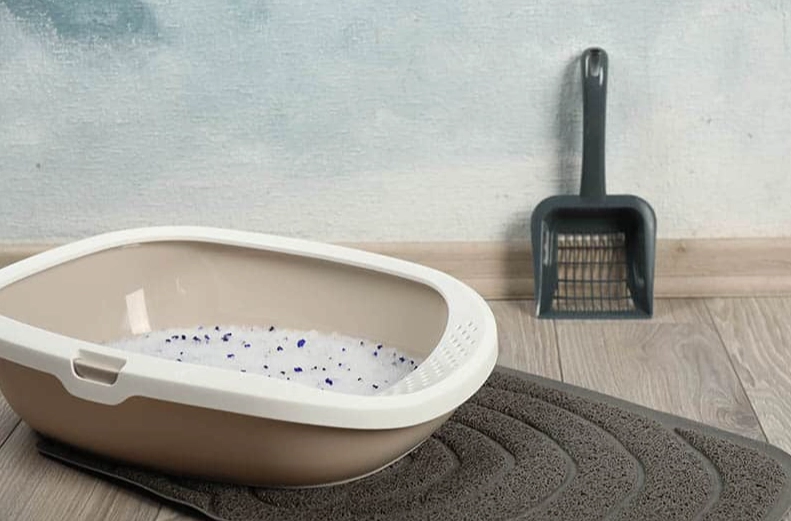
For multi-cat homes: High-traffic boxes need superior clumping and neutralizers. Arm & Hammer or clumping clay litters work best. Scoop daily—no exceptions.
For small apartments: Low-dust litters like silica or plant-based options reduce airborne particles. PrettyLitter is good if you hate frequent changes.
For cats with sensitivities: Unscented, natural litters like corn or wood. Avoid clay dust that can trigger respiratory issues.
For budget constraints: Dr. Elsey's or store-brand clumping litters with baking soda. Pair with regular baking soda sprinkles for a boost.
I made a mistake early on: buying a litter my cat hated. She started peeing outside the box. Cats are picky about texture. Always introduce new litters gradually, mixing with the old one.
Common Mistakes Even Experienced Owners Make (From a 10-Year Cat Veteran)
You might be undermining your litter's odor control without realizing it. Here are subtle errors I've seen.
Overfilling the litter box. Too much litter prevents proper clumping—urine soaks to the bottom and stinks. Keep it at 2-3 inches deep.
Using scented litters as a crutch. They mask odors temporarily, leading to neglect. Cats often avoid them, causing accidents. Unscented litters force you to maintain cleanliness.
Ignoring the litter box type. Covered boxes trap odors inside, making smells worse when opened. Open boxes with high sides are better for ventilation.
Not scooping frequently enough. Even the best litter fails if waste sits. Scoop at least once a day, twice for multiple cats.
Forgetting to replace litter entirely. Over time, litter loses absorbency. Dump and wash the box monthly with mild soap.
A vet once told me that many urinary issues stem from dirty boxes. Odor control isn't just about smell—it's about health.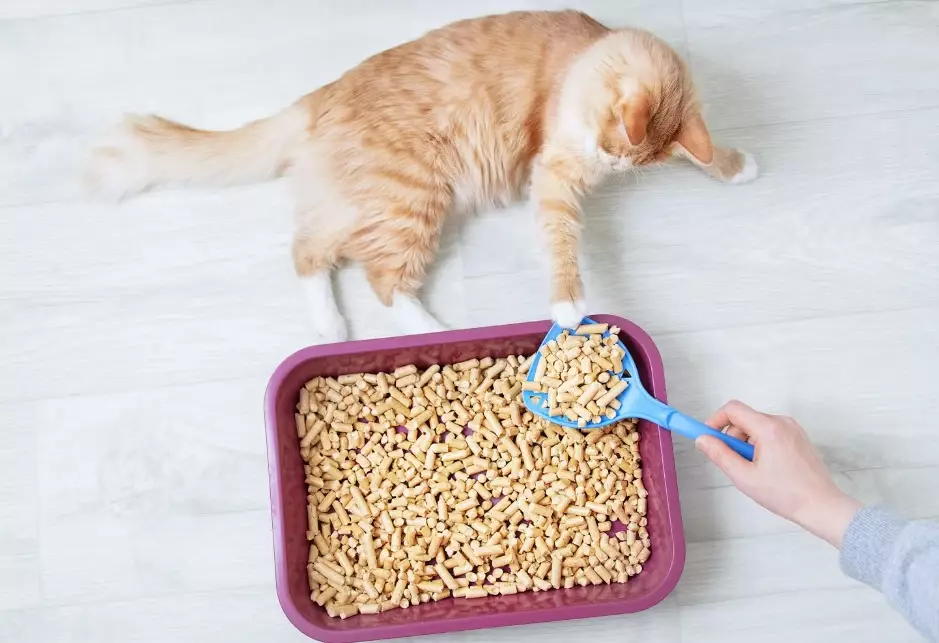
FAQ: Your Burning Questions Answered
 Choosing the best cat litter for odor control boils down to trial and error with your cat's habits. Start with an unscented clumping litter with baking soda, maintain a strict scooping schedule, and don't fear switching if something doesn't work. Over the years, I've settled on a rotation between Arm & Hammer for peak odor times and World's Best for daily use. Your nose—and your cat—will thank you.





Join the Conversation