You look at your dog, and you see love. But maybe you also see a little extra padding around the middle, a reluctance to jump on the couch, or a bit more huffing and puffing on walks. Canine obesity isn't about looks—it's a serious health crisis that shaves years off their life. The good news? You can fix it. The best diet for dogs for weight loss isn't a magic pill or a fad; it's a strategic, sustainable plan that combines the right nutrition with smart habits. Let's cut through the noise and build a plan that works.
What's Inside This Guide?
The Real Problem: Understanding Canine Obesity
Think of your dog's ideal weight as a sweet spot. Go over it by even 20%, and you're in the danger zone. The American Animal Hospital Association (AAHA) calls obesity a disease because it directly causes or worsens arthritis, diabetes, heart disease, and certain cancers. It's not just about eating less; it's about eating right and moving more.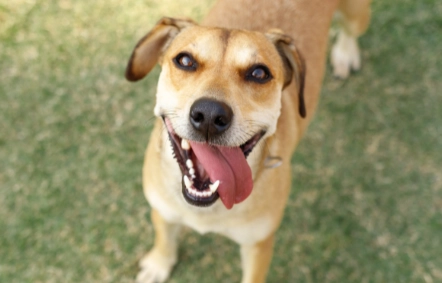
Here's a subtle error many owners make: they focus solely on the scale. Body condition score (BCS) is more important. You should be able to easily feel your dog's ribs under a thin layer of fat, see a waist when looking from above, and an abdominal tuck from the side. If you're pressing through padding to find ribs, it's time to act.
Key Components of a Weight Loss Diet
The best diet for an overweight dog isn't about starvation. It's about nutrient density and satiety. You want food that packs a nutritional punch in fewer calories, so your dog feels full and satisfied, not deprived and scavenging.
The Role of Protein
High-quality protein is non-negotiable. It preserves lean muscle mass while the body burns fat for energy. Look for diets where meat, fish, or eggs are the first ingredient. A common pitfall is switching to a "light" food that's also low in protein, leading to muscle loss and a sluggish metabolism.
The Importance of Fiber
Fiber is your secret weapon. It adds bulk to meals, slows digestion, and helps your dog feel full longer. Sources like pumpkin, sweet potato, and certain greens are great. But don't overdo it—too much can interfere with nutrient absorption.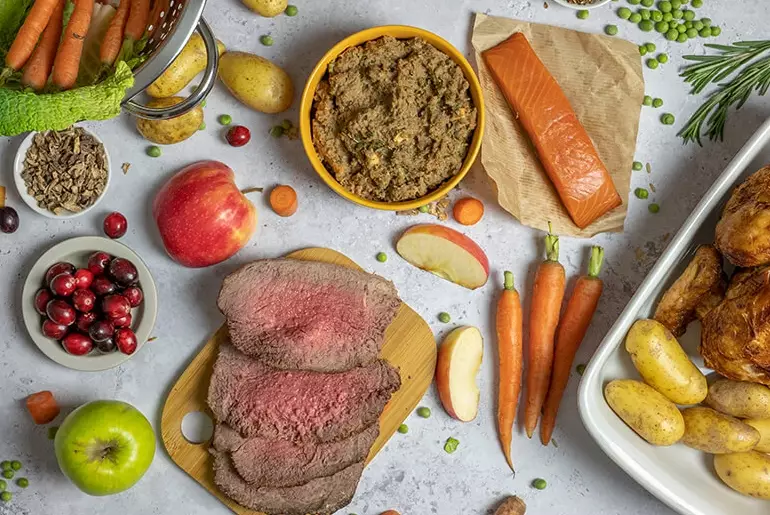
Managing Fat and Carbohydrates
Fat is calorie-dense, so it needs to be controlled, not eliminated. You need enough for healthy skin and coat. Carbs should come from complex, slow-digesting sources like oats or brown rice, not from cheap fillers like corn syrup or white flour.
Choosing the Right Food: Your Options Explained
You have three main paths. There's no single "best" one—it depends on your dog, your budget, and your lifestyle.
| Diet Type | How It Supports Weight Loss | Considerations & Tips |
|---|---|---|
| Prescription Weight Loss Diets | Formulated with specific calorie density, high protein/fiber ratios, and added nutrients like L-carnitine to promote fat burning. Backed by clinical studies. | Requires a vet prescription. Brands like Hill's Metabolic or Royal Canin Satiety are top-tier. More expensive, but highly effective for stubborn cases. |
| High-Quality Commercial "Weight Management" Foods | Lower in calories and fat than regular adult formulas. Look for those meeting AAFCO guidelines for "weight control." | Read labels carefully. "Healthy weight" doesn't always mean "weight loss." Ensure protein is still high (>25% on a dry matter basis). |
| Home-Cooked or Fresh Food Diets | Total control over ingredients and portions. Can be highly palatable and nutrient-rich. | Must be formulated by a veterinary nutritionist. Guessing recipes leads to severe deficiencies. Services like BalanceIT.com can create custom plans. |
I've seen owners have great success with prescription diets after other methods failed. But I've also seen dogs thrive on carefully measured portions of a good commercial diet. The key is accuracy and consistency, not necessarily the brand name.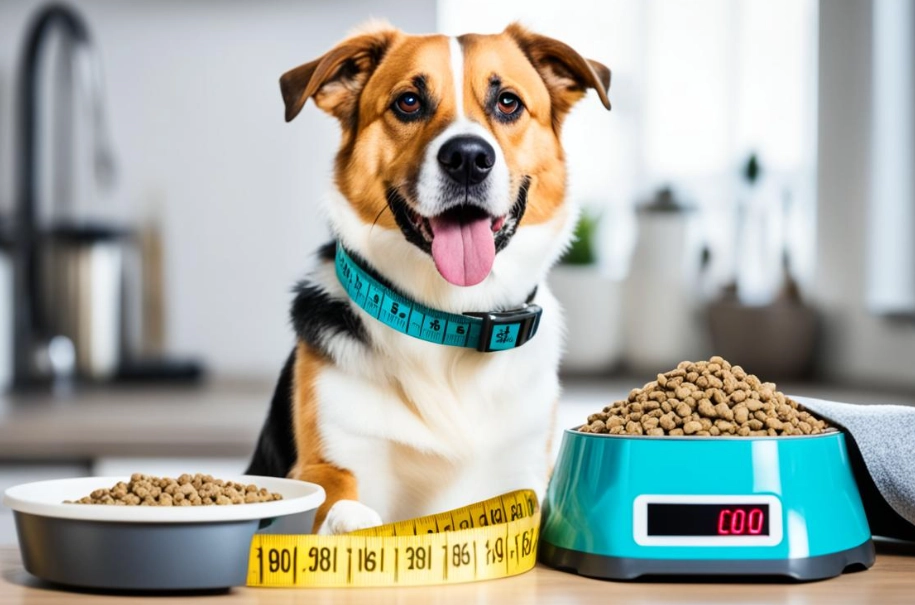
Your 4-Step Practical Weight Loss Plan
Knowledge is useless without action. Here's how to implement the best diet for dogs for weight loss, starting today.
1. Calculate and Commit to Daily Calories
Your vet will give you a number. Let's say it's 450 calories per day. That's your budget. Everything—kibble, treats, dental chews, peanut butter licks—comes from it. Use a kitchen scale. Measuring cups are notoriously inaccurate.
2. Re-engineer Feeding Time
Split the daily allowance into at least two meals. This stabilizes blood sugar and prevents hunger-driven behavior. Consider using a slow-feeder bowl or a puzzle feeder. It turns a 60-second gobble into a 15-minute mental workout, increasing satisfaction.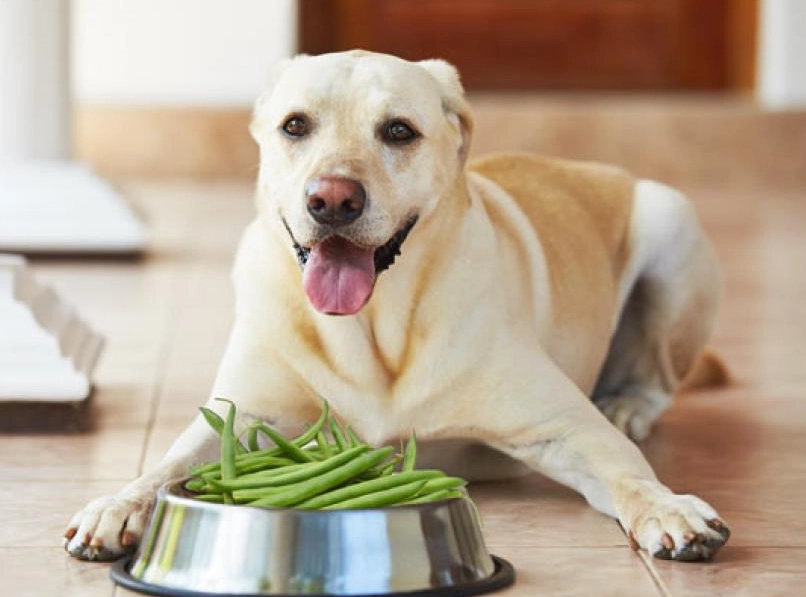
3. Integrate Strategic Exercise
Diet does 80% of the work, but exercise seals the deal. Start slow. Two 15-minute leash walks a day are better than one exhausting weekend hike. Increase duration and intensity gradually as weight comes off. Swimming is fantastic for arthritic dogs.
4. Track and Adjust
Weigh your dog every two weeks, at the same time of day. Aim for a loss of 1-2% of body weight per week. Faster loss is dangerous. If weight stalls for more than two weeks, you may need to trim another 10% from the daily calories or reassess treat intake.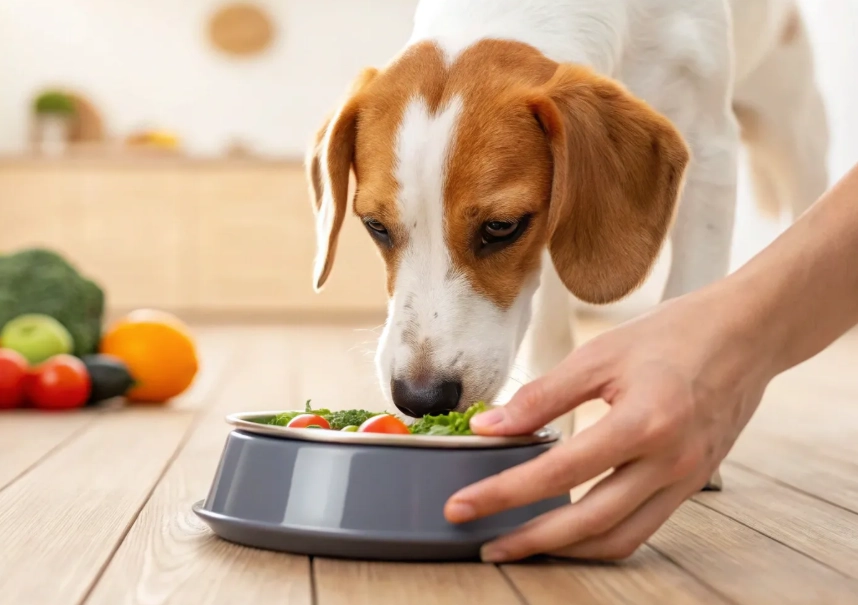
Common Mistakes & How to Avoid Them
- "I'll just feed less of his regular food." This often leads to nutrient deficiencies. Weight loss foods are formulated to provide full nutrition at a lower calorie count.
- Ignoring "hidden" calories. That cheese slice for medication, the leftover crust from your pizza, the lick of ice cream—they all count. Write down every single thing that goes in your dog's mouth for three days. You'll be shocked.
- Giving up too soon. Healthy weight loss is slow. It might take 6-9 months to reach the goal. Celebrate non-scale victories: a springier step, a shinier coat, more playful energy.
- Returning to old habits. Maintenance is a lifelong phase. Once at goal weight, you can increase food by about 10-20%, but you must continue monitoring weight monthly.
Your Top Weight Loss Diet Questions Answered
Finding the best diet for dogs for weight loss is a journey you take with your pet. It requires patience, precision, and a lot of love. Start with your vet, pick a strategy based on solid principles, and commit to the daily details. The reward isn't just a number on a scale. It's more years of adventures, more playful moments, and a happier, healthier companion by your side.

Join the Conversation