If you've ever been dragged down the sidewalk by a dog who just spotted another pup, you've felt the problem. The lunging, the barking, the tangled leash. It's stressful for everyone. You might have heard a whisper of a solution: the 7 second rule for dogs. But most people get it wrong. They think it's a timing trick for introductions. It's not.
Let me explain what it really is, why it works on a neurological level, and how to use it to turn chaotic walks into calm, connected strolls. I've seen this simple concept rehabilitate dogs labeled "aggressive" and give anxious owners their confidence back.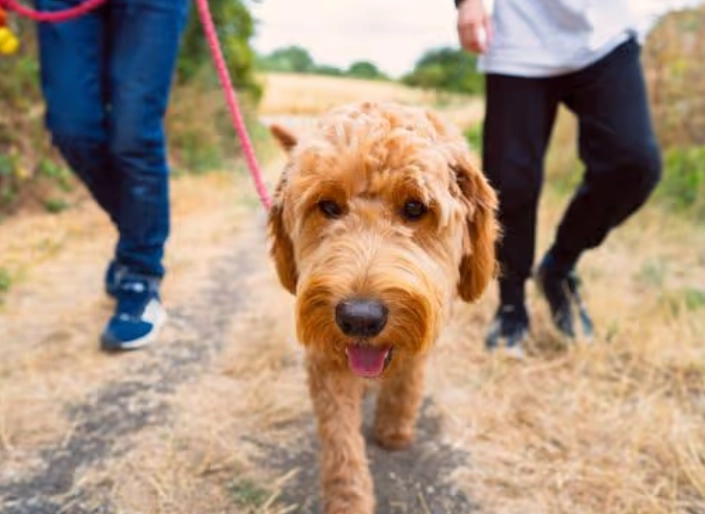
Your Quick Guide to a Calmer Dog
What the 7-Second Rule Really Is (And Isn't)
The 7 second rule for dogs is a structured pause. When your dog notices a potential trigger—another dog, a jogger, a skateboard—you stop walking. You stand still, keeping the leash loose, and allow your dog approximately 7 seconds to simply observe and process the situation without any pressure to move closer or further away.
Here’s the crucial part everyone misses: It's not about forcing an interaction. It's not "count to seven and then go say hi." That's a recipe for disaster for many dogs. The goal is to create a space for your dog to use his brain instead of reacting from fear or excitement.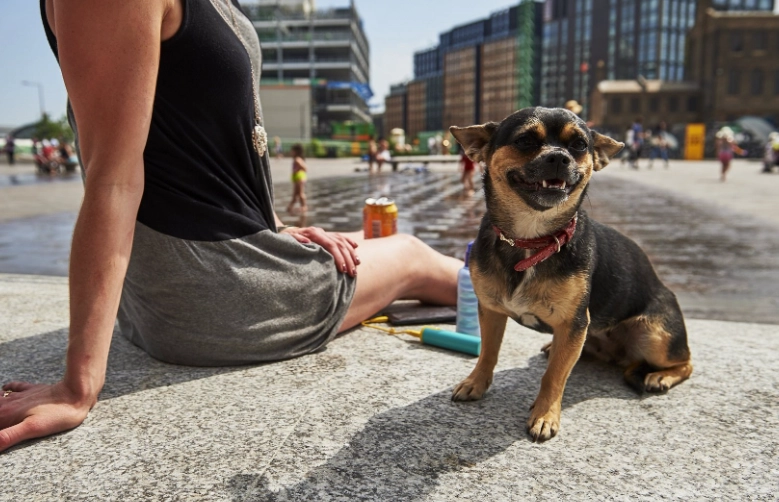
Think of it like this: Your dog sees another dog. His amygdala (the fear/excitement center) lights up. The old pattern is: see dog -> feel surge of emotion -> lunge/bark. The 7-second rule inserts a pause: see dog -> PAUSE -> observe -> owner makes decision. You're giving his thinking brain (the prefrontal cortex) a fighting chance to catch up.
This rule is deeply connected to understanding calming signals dogs use. In those 7 seconds, you're watching for subtle communication. Does he look away? Does he sniff the ground? Does his body soften? These are "I'm okay" signals. A hard stare, stiff body, or raised hackles? That's your cue to calmly increase distance.
The Canine Brain Science Behind the 7 Seconds
Why seven seconds? It's not a magic number plucked from the air. It's a practical timeframe rooted in canine neurology and learning theory.
Dogs live in the moment, but they need a beat to process. A reaction like lunging is often automatic, driven by a limbic system hijack. The 7-second window is just long enough to disrupt that automatic circuit. It's short enough to prevent your dog from getting "stuck" in a reactive state, but long enough for him to gather information.
From a training perspective, it creates a clear "marker" for the behavior you want. You're not rewarding the initial notice (which can be tense). You're rewarding the calm observation that follows. If you can get even two seconds of calm, you can mark and reward that. The "7 seconds" is the initial structure that helps you, the human, remember to pause.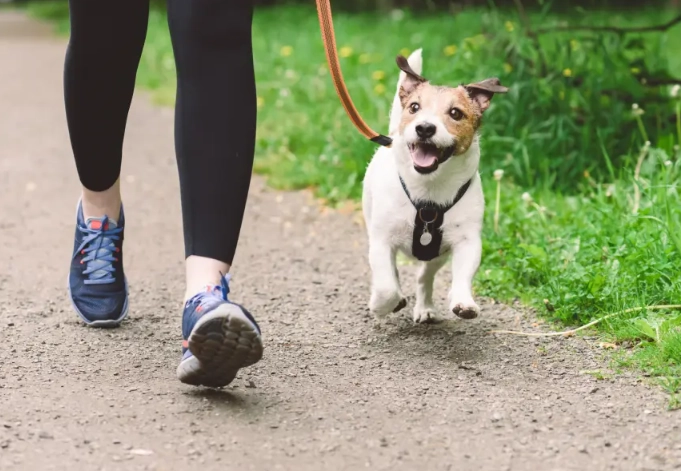
I learned this the hard way with my own dog, Finn, a rescue who saw every dog as a threat. I used to jerk the leash and say "leave it" the instant he stiffened. It made him worse. He thought I was adding to the tension. When I started implementing the pause—just stopping and breathing—I saw him glance at me for the first time in those situations. That was the breakthrough.
Your Step-by-Step Guide to Using the Rule
Let's get practical. Here’s exactly what to do on your next walk.
Step 1: Spot the Trigger Before Your Dog Reacts
This is the hardest skill. You need to become a detective. Watch your dog's body, not the horizon. The earliest sign is often a slight change in head carriage, a pause in sniffing, or a brief ear flick toward the stimulus. If you wait until he's lunging, you're too late.
Step 2: The Pause (The "7 Seconds")
As soon as you see that notice, stop walking. Plant your feet. Let out all the slack in the leash so there's no pressure on his collar. Take a deep breath yourself. Your job here is to be a calm, neutral tree. Don't talk to him, don't shove treats in his face. Just be still. Count silently in your head if it helps.
Step 3: Observe and Assess
While paused, you're reading your dog. Is he still staring intently? Is his body loose? Did he just sniff the air and look back at you? This is where you learn his unique calming signals.
Step 4: The Decision Point
After the brief pause, you decide.
If he shows calm signals: You can say a quiet "good," maybe offer a treat, and then calmly choose to either continue your walk (creating more distance from the trigger) or, if he's very relaxed and the situation is safe, take a step or two closer. The key is you are making the choice, not him.
If he remains tense or escalates: You calmly and quietly turn around and walk the other way, creating more distance. This is not punishment. It's management. You're saying, "You're not ready for this, let's get some space."
3 Common Mistakes That Sabotage Your Success
I see these all the time.
1. The Tense Leash. You stop, but you're holding the leash tight, ready for a lunge. Your dog feels that tension and thinks, "My human is worried too, I was right to be alarmed!" Loose leash is non-negotiable.
2. Talking Too Much. "It's okay, good boy, don't worry, shhh." This is just noise. It adds to the emotional charge of the moment. Silence is powerful.
3. Using the Pause as a Punishment. Stopping because you're angry or frustrated transmits that energy. The pause must be neutral. It's a information-gathering break, not a time-out.
Beyond the Leash: Other Uses for This Rule
While it's a goldmine for dog leash reactivity, the framework is versatile.
Use it when your dog barks at the doorbell. Pause with him for 7 seconds after the ring, before you even move to answer. It breaks the automatic bark-charge-door cycle.
Use it when he's hesitant about a new object. Let him observe it from a safe distance for several seconds before encouraging investigation.
It teaches emotional regulation. The rule isn't just about other dogs; it's about teaching your dog that he can handle novelty without immediately flipping into a reaction.
Your Questions, Answered
My dog lunges on walks. Can the 7-second rule help?
What if the other dog owner doesn't know about the 7-second rule?
Is 7 seconds a strict timer or just a guideline?
Can I use the 7-second rule for things other than meeting dogs?
The 7 second rule for dogs is deceptively simple. Its power lies in shifting your role from reactor to guide. You're not just managing behavior; you're teaching your dog a new way to experience the world—with curiosity instead of fear, with observation instead of reaction. It won't fix deep-seated dog leash reactivity overnight, but it lays the neural groundwork for everything that follows. Start small. Your first success might just be a pause where a lunge used to be. That's a win. Build from there.




Join the Conversation