Your dog can't tell you when something hurts. That's the hardest part of being a pet owner. They're experts at hiding discomfort—a leftover instinct from their wild ancestors where showing weakness was dangerous. So, knowing if your dog is unwell means becoming a detective. You're looking for shifts from their normal, happy baseline. A change in the rhythm of your life together is often the first clue. Maybe they're slower to greet you at the door, or they left a bit of breakfast in the bowl. This guide isn't about scaring you. It's about empowering you to recognize the subtle and not-so-subtle signs that say, "Hey, I might need a check-up."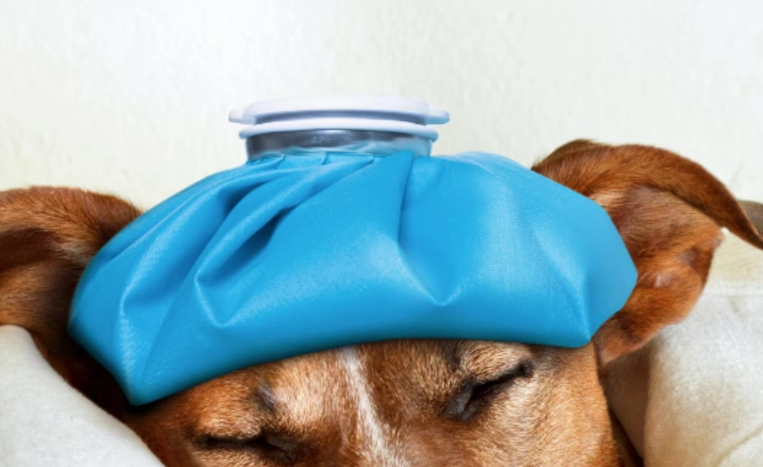
Your Quick Guide to Spotting Trouble
Why Your Dog is a Master of Disguise
It's not that they're trying to be difficult. In the wild, a sick or injured animal is a target. This survival instinct is baked deep into their DNA. A dog with a sore leg will try to walk normally. A dog with a belly ache might just seem a little quiet. I've seen it with my own dog, Max. He had a mild tooth infection for who knows how long, and the only sign was that he started chewing his favorite rubber bone exclusively on one side of his mouth. I almost missed it. That's the game—spotting the tiny deviations before they become big problems.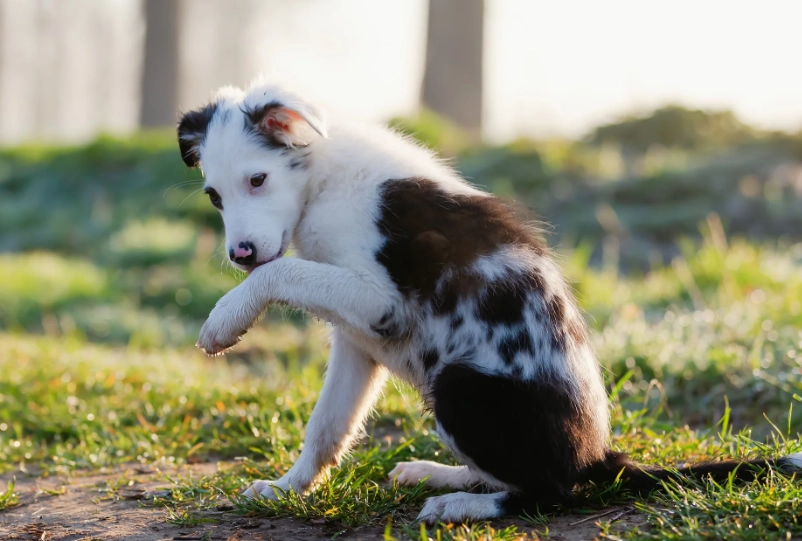
The Physical Symptoms Checklist: What to Look For
Forget the old "wet nose" myth. A dry nose can be normal; a cold, wet nose can be sick. We need better, more reliable signs. Think of these as your daily observational checkpoints.
Here’s a breakdown of key physical areas to monitor:
| What to Check | Normal | Potential Problem Sign |
|---|---|---|
| Eating & Drinking | Consistent appetite, normal water intake. | Refusing food, sudden increase/decrease in thirst, difficulty chewing. |
| Energy & Mobility | Usual playfulness, smooth movement. | Lethargy, stiffness, reluctance to jump/run, limping, trembling. |
| Bathroom Habits | Regular, firm stools, normal urination frequency/color. | Diarrhea, constipation, blood in stool/urine, straining, accidents in the house. |
| Eyes, Ears, Nose | Clear, bright eyes; clean ears; occasional clear nasal discharge. | Redness, cloudiness, discharge (yellow/green), squinting, head shaking, pawing at face. |
| Coat & Skin | Shiny coat, minimal shedding, clean skin. | Excessive shedding, dull coat, bald patches, redness, lumps, persistent scratching. |
| Breath & Body | Normal "dog breath," no unusual odors. | Extremely foul breath, sweet/fruity smell, unusual body odor, bloated or tender abdomen. |
Let's get specific about vomiting, because it's common and confusing. Not all vomit is an emergency.
One-off, clear/yellow vomit (bile) often means an empty stomach. Try a small bedtime snack.
Repeated vomiting, especially with food needs attention within 12-24 hours.
Vomiting with blood, or looking like coffee grounds is an immediate vet call. The same goes for projectile vomiting or vomiting accompanied by lethargy.
The 2-Second Gum Check Trick
This is a vet tech's secret weapon. Lift your dog's lip and press on their gums. They should be a healthy bubblegum pink. Release the pressure—the color should return in less than two seconds. Pale, white, blue, or bright red gums are a major red flag. Slow capillary refill (the color taking longer than 2 seconds to return) can indicate shock or dehydration. It's faster and more reliable than the nose test.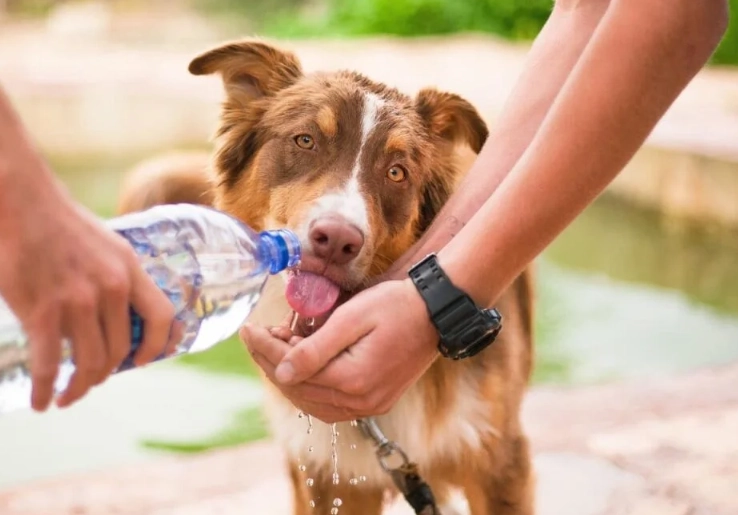
Behavior Changes That Scream "Check On Me"
Sometimes the body looks fine, but the personality is off. These shifts can be the earliest warnings.
Withdrawal or Clinginess: Your independent dog suddenly becomes a velcro pet, or your social butterfly hides under the bed. Both are cries for help, just expressed differently.
Sleep Pattern Changes: Sleeping more than usual is classic lethargy. But restlessness, pacing at night, or inability to get comfortable can point to pain (like arthritis) or anxiety linked to illness.
Irritability or Aggression: A sweet dog who growls when you touch a certain spot (their ear, their hip) is in pain. They're not being "bad"; they're communicating the only way they know how. Pain is a common, overlooked cause of sudden aggression, as noted in resources from the American Veterinary Medical Association.
Confusion or Disorientation: This is huge, especially in older dogs. Getting stuck in corners, staring at walls, or not responding to their name could signal cognitive decline or something neurological.
Here's a subtle one I learned the hard way: Changes in vocalization. Max, who never whined, started letting out a tiny sigh when he lay down. It was his arthritis. Conversely, a usually vocal dog going silent is equally concerning.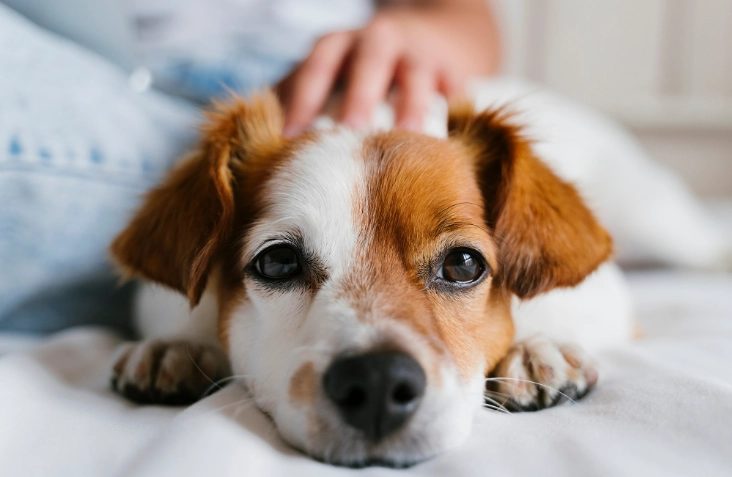
Red Flags: When to Call the Vet Immediately
Don't wait. Don't "see how it goes overnight." These symptoms mean business.
- Difficulty Breathing: Noisy breathing, choking, blue gums/tongue, stretching neck out to breathe.
- Collapse or Inability to Stand: Sudden weakness, wobbliness, paralysis.
- Seizures: Any episode of uncontrolled shaking, twitching, or loss of consciousness.
- Signs of Extreme Pain: Whining, trembling, hunched back ("prayer position"), aggressive when approached.
- Bloated, Hard Abdomen: Especially if they're trying to vomit but nothing comes up. This is Gastric Dilatation-Volvulus (GDV/bloat), a deadly emergency.
- Trauma: Hit by car, serious fall, deep wound.
- Suspected Poison Ingestion: Antifreeze, chocolate, xylitol, rat poison, human medications.
- Profuse Bleeding that doesn't stop with 5 minutes of direct pressure.
If you're even 60% sure it's an emergency, call your vet or the nearest animal emergency hospital. It's always better to be told it's okay than to wait too long.
Pro Tips from a Decade of Dog Ownership
After years with dogs, you pick up things they don't put in the basic guides.
1. Know Their "Normal" Baseline. What's their resting respiratory rate? Count how many times their chest rises in 15 seconds while asleep, multiply by 4. Knowing this (usually 15-30 breaths/min for a healthy dog) helps you spot early heart or lung issues. What's their normal energy level after a walk? Their normal poop consistency? Write it down if you have to.
2. The "Triad" of Concern. One symptom might be nothing. Two is a pattern. Three means call the vet. Example: Less energy (1) + not finishing dinner (2) + drinking more water (3) = likely time for a check-up, possibly for kidney issues or diabetes.
3. The Camera is Your Friend. Is that limp subtle? Is that twitch weird? Film it. A 30-second video can show your vet more than your best description.
4. Trust Your Gut. You know your dog better than anyone. If you feel something is "off," even if you can't pinpoint it, a vet visit for a wellness check is never wasted money. I've had vets thank me for bringing a dog in on a "hunch" that caught an early problem.
5. A "Calm" Dog Can Be a Very Sick Dog. We expect sick dogs to be lethargic. But sometimes, especially with conditions like pyometra (a uterine infection) or some metabolic diseases, a dog may just seem unusually quiet or "good." Don't mistake profound illness for good behavior.
Your Questions, Answered
My dog is drinking a ton of water but not peeing much. What does that mean?
This is a major red flag for a potential urinary blockage, especially in male dogs. It's a life-threatening emergency. Don't wait. Get to a vet immediately. In other contexts, increased drinking without increased urination can also signal kidney problems or dehydration, but blockage is the critical first rule-out.
Is a dry, warm nose a sure sign my dog is sick?
Not at all. A dog's nose can be dry and warm after a nap, in a warm room, or just because. It's a terrible standalone indicator. Focus on the combination of symptoms from the checklist—appetite, energy, bathroom habits—instead of putting any stock in the nose myth.
How can I tell if my dog is in pain if they're not crying?
Look for the silent signals: a fixed, staring gaze ("pain face"), panting when not hot or exercised, reluctance to move or change position, licking or chewing a specific area obsessively, and changes in posture (a hunched back is classic for abdominal pain). A dog in chronic pain, like from arthritis, may just seem grumpier or less interested in play.
My older dog is slowing down and sleeping more. Is this just old age or sickness?
This is the toughest call. While slowing down is normal, a sudden or significant decrease in activity isn't. Old age isn't a disease; it's a stage of life. If your senior dog stops wanting walks, has trouble getting up, or seems stiff, it's likely arthritis pain—which is treatable! Don't write it off as "just getting old." A vet visit can differentiate normal aging from manageable conditions like arthritis, thyroid issues, or heart disease.
Should I take my dog's temperature at home?
You can, with a digital rectal thermometer and pet-safe lubricant. A dog's normal temperature is higher than ours: 101.0 to 102.5°F (38.3 to 39.2°C). Anything above 103.5°F is a fever and warrants a call to the vet. If the idea stresses you or your dog out, don't force it. Monitoring their overall behavior is often more valuable than a single number.
The bottom line is this: you are your dog's voice and first line of defense. By learning their unique normal and watching for the shifts outlined here, you move from worrying to informed action. Keep your vet's number handy, trust your instincts, and remember that early detection almost always leads to a better outcome. Now, go give your detective dog a pat—you've both earned it.



Join the Conversation