Let's cut to the chase. If you own a bird, you know the cage can turn into a disaster zone faster than you can say "feathers." Food scraps, droppings, scattered seeds—it's a mess. But here's the thing: skipping regular cleaning isn't just about aesthetics; it's a health hazard for your bird and your home. I've kept parrots for over a decade, and I've seen firsthand how the right tools can transform a chore into a quick, effective routine. This guide dives deep into the essential bird cage cleaning tools, backed by practical steps and hard-earned insights you won't find in generic lists.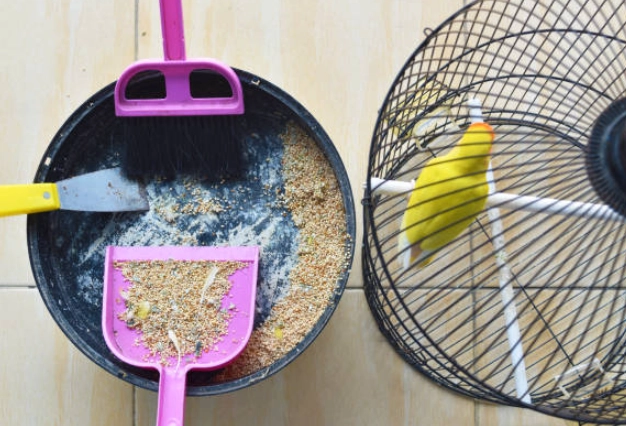
What You'll Find Inside
Why Cleaning Your Bird Cage is Non-Negotiable
Birds are sensitive creatures. Their respiratory systems are delicate, and a dirty cage breeds bacteria, mold, and ammonia fumes. According to the Avian Welfare Coalition, poor hygiene can lead to respiratory infections, feather plucking, and even shortened lifespans. I once neglected my cockatiel's cage for a week during a busy period—big mistake. He started sneezing, and the vet bill was a wake-up call. Regular cleaning isn't optional; it's part of responsible ownership.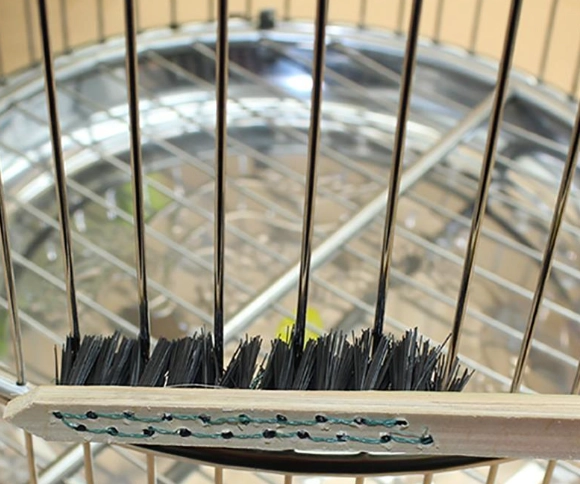
Think about it. Birds spend most of their time in that cage. It's their dining room, bedroom, and playground. A clean environment reduces stress and promotes natural behaviors. Plus, let's be honest, nobody wants their living room smelling like a barn. Odor control is a real pain point for many owners, and it starts with the right tools.
The Ultimate Bird Cage Cleaning Toolkit
You don't need a garage full of gadgets. Focus on these core bird cage cleaning tools. I've split them into must-haves and nice-to-haves based on my experience.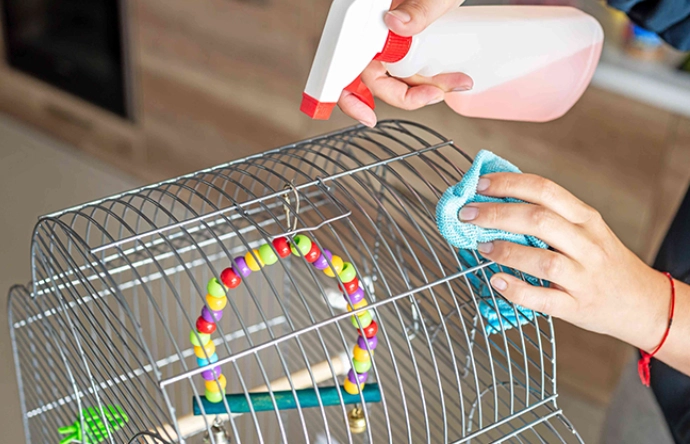
Must-Have Tools for Every Owner
Scrub Brushes: Get a set with different sizes. A small brush for corners and a larger one for trays. I prefer brushes with stiff bristles—they tackle dried-on gunk without scratching powder-coated surfaces. Avoid wire brushes; they can damage the cage and leave metal particles behind.
Bird-Safe Disinfectant: This is critical. Never use household cleaners like bleach or ammonia around birds; the fumes are toxic. Look for products labeled "avian-safe" or use a vinegar-water solution (1:1 ratio). Brands like Poop-Off or Nature's Miracle offer effective options. I mix my own with white vinegar and a drop of mild dish soap for grease.
Scrapers or Putty Knives: For hardened droppings on perches or bars, a plastic scraper is a lifesaver. Metal scrapers can work but be gentle. I keep a dedicated plastic putty knife in my kit—it cost under $5 and saves endless scrubbing.
Spray Bottles: Have two: one for your disinfectant and one for plain water for rinsing. Label them clearly to avoid mix-ups.
Nice-to-Have Tools for Efficiency
Vacuum with Hepa Filter: A small handheld vacuum is great for sucking up loose seeds and feathers. Hepa filters trap fine dust, which is a major irritant for birds and humans. I use mine weekly to cut down on airborne particles.
Microfiber Cloths: These are lint-free and perfect for drying and polishing. Regular towels can leave fibers that birds might ingest.
Dedicated Buckets: Use separate buckets for cleaning and rinsing to avoid cross-contamination. Color-code them—green for clean water, red for dirty.
Here's a quick table to summarize the toolkit essentials:
| Tool | Purpose | Price Range | Where to Buy |
|---|---|---|---|
| Scrub Brushes | Remove debris and stains | $5 - $15 | Pet stores, Amazon |
| Bird-Safe Disinfectant | Kill bacteria and viruses | $10 - $25 | Specialty avian shops |
| Plastic Scraper | Loosen hardened waste | $3 - $10 | Hardware stores |
| Spray Bottles | Apply cleaners and rinse | $2 - $8 | Supermarkets, online |
| Hepa Vacuum | Remove dust and debris | $30 - $100 | Electronics retailers |
How to Clean a Bird Cage: A Foolproof Method
Cleaning doesn't have to be a marathon. Follow this step-by-step process weekly, with a deep clean monthly. I've timed it—with the right tools, a medium-sized cage takes under 30 minutes.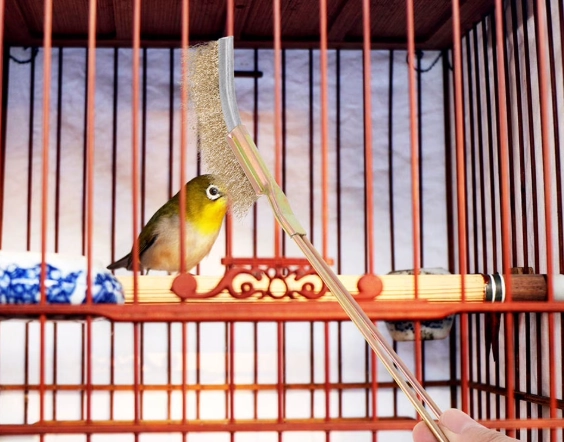
Step 1: Prepare Your Bird. Move your bird to a safe, temporary cage or a secure room. Never clean around them; the stress and chemicals are harmful. I use a small travel carrier with some toys to keep mine occupied.
Step 2: Disassemble and Pre-Clean. Take out all removable parts: trays, perches, toys, and food bowls. Scrape off solid waste with your scraper. Shake loose debris into a trash bag. This pre-cleaning cuts down on scrubbing time later.
Step 3: Soak and Scrub. Soak parts in a bucket with warm water and bird-safe disinfectant for 10-15 minutes. Meanwhile, spray the cage bars and base with disinfectant. Use your scrub brushes to work on stubborn spots. Pay attention to corners and weld points—gunk loves to hide there.
Step 4: Rinse Thoroughly. This is where many go wrong. Residue from cleaners can be toxic. Rinse every part with clean water, using your spray bottle or a hose if outdoors. I rinse twice to be sure.
Step 5: Dry Completely. Moisture breeds mold. Wipe down with microfiber cloths and let the cage air-dry in the sun if possible. Sunlight is a natural disinfectant. Before reassembling, ensure everything is bone-dry.
Step 6: Reassemble and Refresh. Put the cage back together with clean bedding (like paper liners) and fresh toys. I rotate toys weekly to keep things interesting for my bird.
Common Mistakes Even Experienced Owners Make
After years in avian communities, I've noticed subtle errors that slip under the radar. Here are a few that could compromise your bird's health.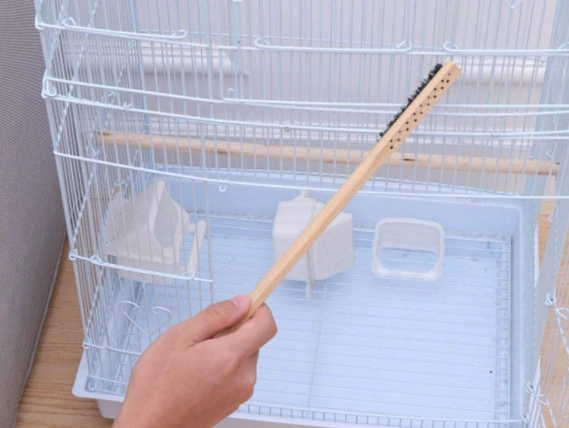
Over-disinfecting. Some owners douse everything in strong chemicals, thinking it's safer. Wrong. Overuse can strip the cage's protective coating and leave harmful residues. Stick to mild, avian-safe solutions and focus on mechanical cleaning—scrubbing does most of the work.
Ignoring Air Quality. Cleaning stirs up dust and feathers. Always clean in a well-ventilated area, and consider wearing a mask. I open windows and run an air purifier afterward. Birds have sensitive lungs, and this step is often overlooked.
Using the Same Tools for Multiple Pets. If you have other animals, don't share cleaning tools between cages. Cross-contamination can spread parasites or diseases. I color-code my brushes: blue for birds, red for my rabbit's cage.
Skipping Perch Maintenance. Perches accumulate droppings and bacteria. Sand them down monthly with sandpaper or replace them if worn. Rough perches help with nail health, but they need cleaning too.
Top 5 Bird Cage Cleaning Tools Compared
Not all tools are created equal. Based on my testing and community feedback, here's a breakdown of five popular options. I've included both budget and premium picks.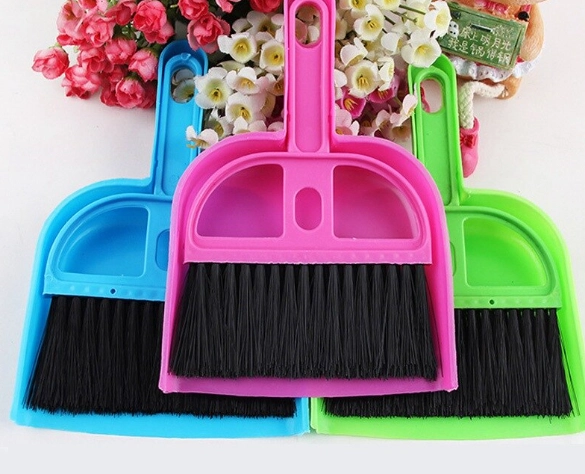
| Tool Name | Type | Best For | Pros | Cons |
|---|---|---|---|---|
| Poop-Off Bird Cage Cleaner | Commercial disinfectant | Stain removal and odor control | Non-toxic, effective on dried waste | Pricey for regular use |
| OXO Good Grips Brush Set | Scrub brushes | Versatile scrubbing on various surfaces | Ergonomic handles, durable bristles | Brushes can wear out after months |
| Simple Green Concentrate | DIY cleaner (when diluted) | Eco-friendly general cleaning | Biodegradable, safe around pets when used correctly | Requires proper rinsing |
| Dyson V7 Trigger Hepa Vacuum | Handheld vacuum | Dust and debris removal | Powerful suction, hepa filtration | High initial cost |
| Unger Professional Scraper | Plastic scraper | Hardened waste removal | Sturdy, doesn't scratch surfaces | Limited to scraping tasks |
My go-to is the OXO brush set paired with a vinegar solution. It's affordable and gets the job done without fuss. The Dyson vacuum is a splurge, but if you have multiple birds or allergies, it's worth it.
DIY vs. Commercial Cleaners: What Works Best?
This debate pops up often. DIY cleaners like vinegar and water are cheap and eco-friendly, but commercial products are formulated for tough stains. Let's break it down.
DIY Cleaners: White vinegar is a mild acid that cuts through grease and mineral deposits. Mix it with water in a 1:1 ratio. Add a teaspoon of baking soda for extra scrubbing power. Pros: Cost-effective, non-toxic if rinsed well. Cons: May not kill all pathogens, and the smell can linger. I use DIY for weekly cleans.
Commercial Cleaners: Brands like Poop-Off or Nature's Miracle use enzymes to break down organic matter. They're designed for pet messes and often deodorize. Pros: Highly effective, convenient. Cons: More expensive, and some contain chemicals that need thorough rinsing. I reserve these for monthly deep cleans or stubborn stains.
The key is to match the cleaner to the task. For routine maintenance, DIY works fine. For sanitization after an illness, opt for a commercial avian-safe disinfectant. Always check labels and avoid anything with phenols or formaldehyde.
Your Burning Questions Answered
Cleaning a bird cage might seem daunting, but with the right tools and a solid routine, it becomes second nature. Start by investing in a few essentials, avoid common pitfalls, and always prioritize your bird's health. Remember, a clean cage means a happier, healthier feathered friend—and a fresher home for you.


Join the Conversation