Let's cut to the chase. You're probably here because you just got a quote from your vet for your cat's dental cleaning, and your eyes widened. $500? $800? Maybe even over a thousand dollars? It feels like a lot for "just a cleaning." I get it. I've been there with my own cats. The sticker shock is real, but understanding why cat dental cleaning costs what it does is the first step to seeing its true value—and budgeting for it without a panic attack.
The short answer is that a professional dental cleaning for a cat, performed under general anesthesia at a veterinary clinic, typically costs between $300 and $1,000 in the United States. But that's like saying a car costs between $5,000 and $50,000. The final bill hinges on a myriad of factors: where you live, your clinic's pricing, your cat's age and health, and, crucially, what unexpected issues the vet finds once they're under the gumline.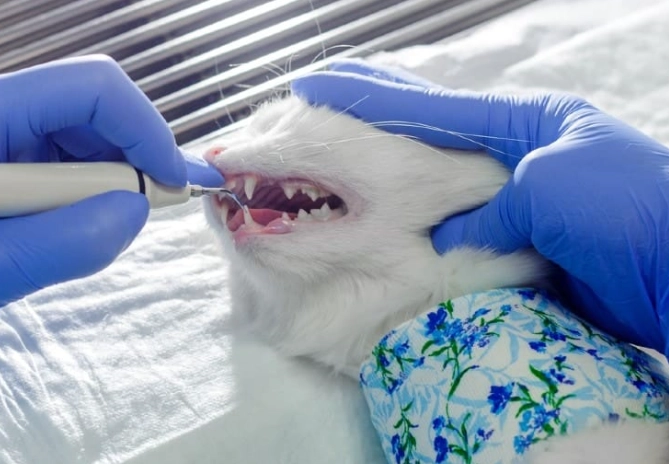
What's Covered in This Guide
What You're Actually Paying For: A Line-by-Line Breakdown
Thinking of a cat dental cleaning as "just a cleaning" is the biggest mistake pet owners make. In human terms, it's more like a combined visit to a dental hygienist, a radiologist, an anesthesiologist, and a surgeon. Here’s what that $300-$1000+ actually covers: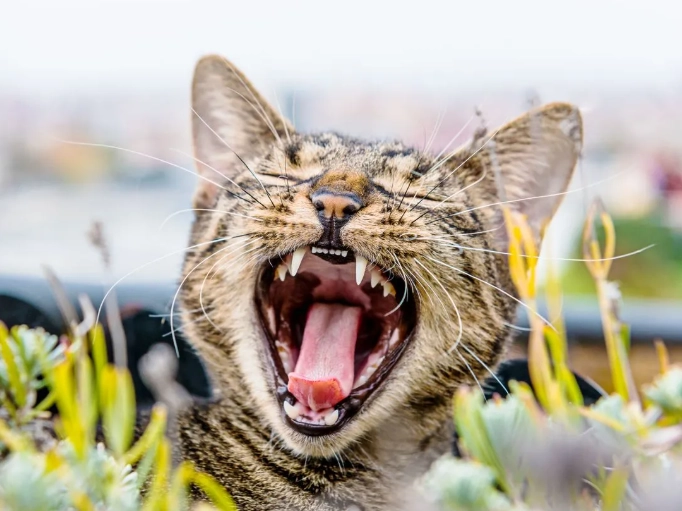
| Cost Component | Typical Price Range | What It Includes & Why It's Necessary |
|---|---|---|
| Pre-Anesthetic Exam & Bloodwork | $80 - $200 | This isn't optional fluff. It's a safety check to ensure your cat's liver and kidneys can process the anesthesia. Skipping this to save money is a huge risk. |
| General Anesthesia & Monitoring | $150 - $400 | Cats cannot tolerate dental work while awake. This fee covers the drugs, an IV catheter, fluids, and a dedicated technician monitoring heart rate, blood pressure, and oxygen levels throughout. |
| Dental Radiographs (X-Rays) | $100 - $250 | This is the most critical and often overlooked part. Over 60% of dental disease in cats occurs below the gumline, where you can't see it. X-rays reveal hidden abscesses, bone loss, and resorptive lesions (common painful cavities in cats). A cleaning without X-rays is essentially a guess. |
| The Cleaning & Polishing Itself | $100 - $300 | Using an ultrasonic scaler and hand tools to remove plaque and tartar above and below the gums, followed by polishing to smooth the enamel. |
| Extractions & Oral Surgery | $50 - $500+ per tooth | The big variable. If X-rays show a diseased, loose, or broken tooth, extraction is the only humane option. Surgical extractions (for multi-rooted teeth) are more complex and costly. |
| Pain Medication & Antibiotics | $30 - $100 | Essential for post-procedure comfort, especially if extractions were performed. |
See how it adds up? A basic cleaning for a young, healthy cat with no issues might land near the lower end. But for a middle-aged or senior cat, the bill often climbs due to necessary X-rays and the higher likelihood of needing extractions.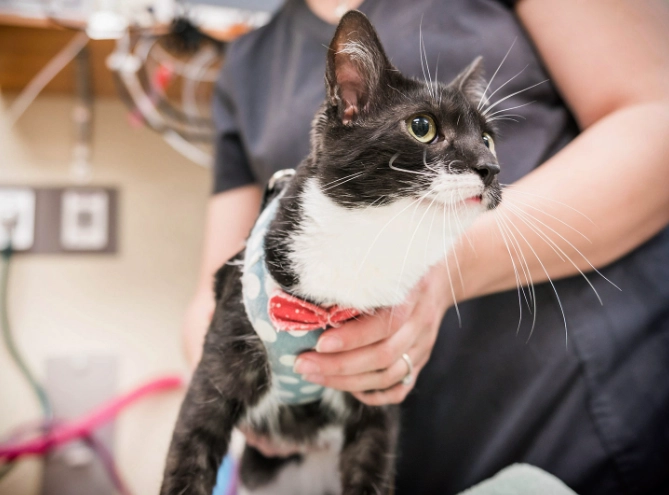
Pro Tip from a Vet Tech Friend: "When you get a quote, always ask, 'Is this an estimate for a basic cleaning with no extractions, and does it include pre-op bloodwork and dental X-rays?' If they say X-rays are extra or optional, be wary. A reputable practice following standards from the American Veterinary Dental College (AVDC) considers them mandatory."
The 7 Key Factors That Swing Your Cat's Dental Bill
Why does your neighbor's cat's cleaning cost $400 while yours is $850? These are the dials that turn the price up or down.
1. Your Geographic Location
Veterinary costs mirror the local cost of living. A clinic in Manhattan or San Francisco will have higher overhead (rent, salaries) than one in a rural Midwest town. Expect costs to be 20-40% higher in major metropolitan areas.
2. Type of Veterinary Practice
A general practice veterinarian will typically charge less than a board-certified veterinary dentist. However, for complex cases involving multiple surgical extractions or root canals, the specialist's higher fee is justified by their advanced training and equipment.
3. Your Cat's Age and Overall Health
Older cats often require more extensive pre-anesthetic workups (like more detailed blood panels or chest X-rays) to ensure safe anesthesia. They are also more likely to have advanced periodontal disease.
4. The Severity of Dental Disease
This is the biggest wildcard. A cat with mild gingivitis just needs a cleaning. A cat with stage 3 periodontal disease, a broken canine, and two resorptive lesions needs a cleaning, X-rays, and multiple extractions. You won't know the full extent until they're under anesthesia and the X-rays are developed.
5. Anesthesia Protocol
Some clinics use newer, potentially safer (and more expensive) anesthetic drugs. They may also include advanced monitoring like ECG or blood gas analysis, which adds to the cost but enhances safety.
6. Necessity of Extractions
As shown in the table, this is the prime cost-driver. A simple extraction of a small, single-rooted incisor is quick. Extracting a large, multi-rooted molar that's fused to the jawbone is a delicate surgical procedure.
7. Clinic-Specific Pricing Models
Some vets bundle everything into one "dental package" price. Others itemize every single thing (anesthesia by the minute, each suture, each X-ray film). The package can seem higher upfront but prevents surprise add-ons.
A Real-World Scenario: Mittens' $950 Dental Visit
Let's make this concrete. My friend's cat, Mittens, is a 9-year-old domestic shorthair. She seemed fine but had bad breath. The vet recommended a cleaning. The initial estimate was $500-$700. Here's the final itemized bill:
- Pre-anesthetic blood panel: $120
- General anesthesia & monitoring: $275
- Full-mouth dental X-rays (8 views): $180
- Ultrasonic scaling & polishing: $175
- ADDED: Extraction of one premolar (surgical, 2 roots): $150
- ADDED: Extraction of one molar (surgical, 3 roots): $225
- Pain injection & take-home meds: $65
- Total: $1,190
The X-rays revealed two severely diseased teeth that weren't visible during the awake exam. My friend authorized the extractions because leaving them would have caused Mittens constant pain. The bill was a shock, but the alternative was worse. This is why vets give a range for estimates.
How to Budget and Save on Your Cat's Dental Care
You can't always control the final cost, but you can plan for it.
Get Pet Insurance Before There's a Problem
This is the number one strategy. A good accident-and-illness pet insurance plan will cover dental cleaning and treatments for disease (but not pre-existing conditions). Enroll your cat while they're young and healthy. For a middle-aged cat, the premium might still be worth it for peace of mind.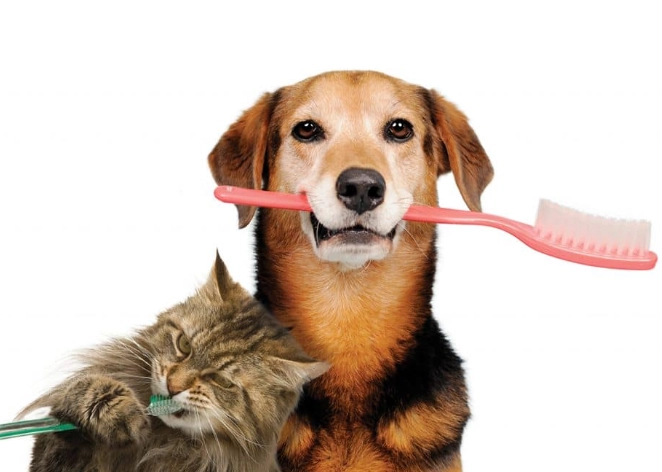
Ask About Payment Plans or Care Credit
Many clinics offer third-party financing options like CareCredit, which allows you to pay off a large bill over time, often interest-free if paid within a promotional period.
Invest in Preventive Care at Home
This is the long-game money saver. Brushing your cat's teeth (with pet-safe toothpaste) even a few times a week dramatically slows tartar buildup. Dental diets, water additives, and approved dental chews can help. The Veterinary Oral Health Council (VOHC) seal is your guide for proven products. It won't eliminate cleanings, but it can extend the time between them.
Consider Veterinary School Clinics
If you live near a university with a veterinary college, their teaching hospitals often provide services at a reduced cost. Procedures are performed by supervised students, which means the appointment will take longer.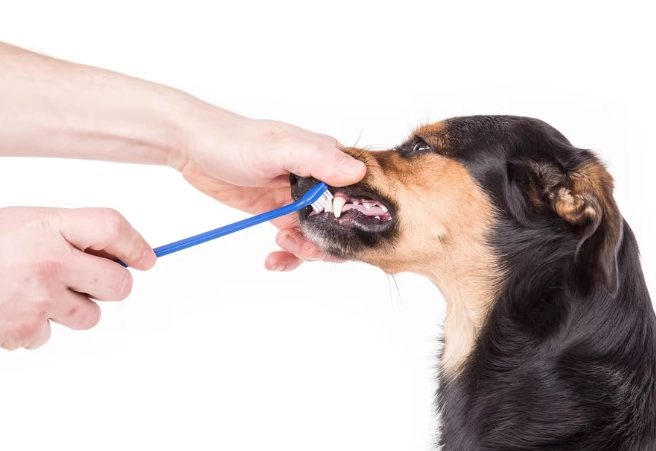
Your Top Cat Dental Cost Questions, Answered
Ultimately, the cost of a cat dental cleaning is an investment in their quality of life and longevity. It's not a vanity project. When you see your cat, pain-free and able to eat comfortably again after a procedure, the bill starts to make sense. The key is to be prepared, ask the right questions, and prioritize this crucial aspect of their health.


Join the Conversation