If you found this page because your rabbit has stopped eating and is just laying there, lethargic and still, you don't have time to read a long introduction. This is a critical, potentially life-threatening emergency known as gastrointestinal (GI) stasis. Your rabbit's digestive system has likely shut down. This is not a "wait and see" situation. Every hour counts. The single most important action is to contact an emergency exotic veterinarian immediately. Bookmark this page, call your vet, and come back for the detailed guide on what to do next, why this happens, and how to prevent it once your bunny is stable.
What You'll Find in This Guide
Why a Rabbit Not Eating Is a Critical Emergency
Rabbits are hindgut fermenters. Their digestive systems are designed to be in near-constant motion. They need to eat high-fiber food (mainly hay) almost continuously to keep their gut muscles contracting and pushing material through. When a rabbit stops eating, this process grinds to a halt within hours.
The food and hair already in the gut sit there, dehydrate, and form a painful, compacted mass. This is GI stasis. But here's the subtle error many owners make: they think the primary problem is "blockage." Often, it's not. The primary problem is pain.
Something causes the rabbit pain—dental issues, gas, stress, an underlying illness—so they stop eating. The cessation of eating then causes the stasis, which creates more pain from gas buildup, creating a vicious cycle. I've seen too many cases where an owner focuses only on "getting the gut moving" with massages and supplements, while missing the painful molar spur or bladder sludge that started it all. Treating the pain with vet-prescribed medication is as crucial as treating the stasis itself.
Red Flag Symptoms: If your rabbit is not eating AND exhibits any of the following, it's a full-blown emergency: hunched posture (like a meatloaf), pressing belly to the floor, grinding teeth loudly (a sign of pain, not contentment), lack of fecal pellets for 8-12 hours, or labored breathing. Don't delay.
Immediate Steps to Take If Your Rabbit Won't Eat
This is your action plan. Do not skip steps.
Step 1: Call Your Vet. Right Now.
Locate an emergency vet that sees "exotics" or "small mammals." If your regular vet is closed, you must find an emergency clinic. Explain the symptoms clearly: "My rabbit has not eaten anything in over [X] hours, is lethargic, and is not producing poops." This phrasing gets their attention. While you wait for the appointment or travel, move to step 2.
Step 2: Assess and Isolate
Gently check your rabbit. Feel their belly. Is it hard, bloated, or does it make gurgling sounds? A silent, hard belly is a very bad sign. A bloated, drum-like belly is an extreme emergency. Keep them in a quiet, warm, comfortable carrier or enclosed space with soft bedding. Stress worsens their condition.
Step 3: Offer Tempting Foods & Hydration
Do not force-feed anything yet. You can try to stimulate appetite. Offer their absolute favorite fresh herbs (cilantro, parsley), a bit of banana, or critical care formula if you have it on hand. Soak leafy greens in water to increase fluid intake. Syringe-feeding water or a electrolyte solution like unflavored Pedialyte can help with hydration, but only if you are confident and your rabbit is not in severe respiratory distress, as aspiration is a risk.
Your vet will likely do the following, so be prepared:
- Physical Exam: Check temperature, listen to gut sounds, palpate the abdomen.
- Pain Medication: Such as meloxicam. This is non-negotiable in my experience.
- Gut Motility Drugs: Like cisapride or metoclopramide.
- Fluid Therapy: Subcutaneous (under the skin) or intravenous fluids to rehydrate the gut contents.
- X-rays: To rule out a true blockage (like from a piece of carpet or plastic) and assess gas buildup.
Home Supportive Care (Under Veterinary Guidance)
Once back from the vet with a treatment plan, your job is intensive nursing. Recovery isn't linear. They might eat a bit, then stop again. Persistence is key.
The Recovery Corner: Set up a small, easily cleanable area with a heat source (a microwavable heat pad wrapped in a towel, set on low, or a safe heating disk). Keep it away from direct drafts. This warmth helps soothe gut pain and encourages relaxation.
Syringe Feeding: You will probably need to syringe-feed a recovery formula like Oxbow Critical Care or Sherwood's Recovery Food. Mix it to a thick paste or a thinner gruel, depending on what your rabbit tolerates. Feed small amounts (10-15ml) every 2-4 hours, even through the night initially. Yes, the night. Set an alarm. Their gut needs constant stimulation.
Hydration: Continue offering water via syringe if they aren't drinking. Subcutaneous fluids administered at home (if your vet shows you how) can be a game-changer.
Medication: Give all pain meds and motility drugs exactly on schedule. Pain management is what breaks the cycle.
Monitoring Output: This is gross but vital. You need to see poop. The first poops will be small, misshapen, or strung together like a necklace. This is progress. Track everything. Use a notepad or your phone.
| Symptom | Mild Concern (Monitor) | Moderate Concern (Call Vet) | Severe Emergency (Go Now) |
|---|---|---|---|
| Appetite | Eating less than usual, picky. | Refusing favorite treats, not touching hay. | No food intake for >10 hours, refusing syringe feeds. |
| Activity | Less playful, resting more. | Lethargic, moves only when prompted. | Laying down constantly, unwilling/unable to move. |
| Fecal Pellets | Smaller, fewer pellets. | Very few or no pellets for 8 hours. | No pellets for 12+ hours, may see mucus. |
| Posture & Behavior | Normal posture. | Slightly hunched, less grooming. | Severely hunched, pressing belly down, loud tooth grinding. |
How to Prevent GI Stasis From Happening Again
After you've been through this nightmare once, you'll do anything to avoid a repeat. Prevention is about managing the common triggers. Based on cases I've seen, the hierarchy of prevention is often misunderstood.
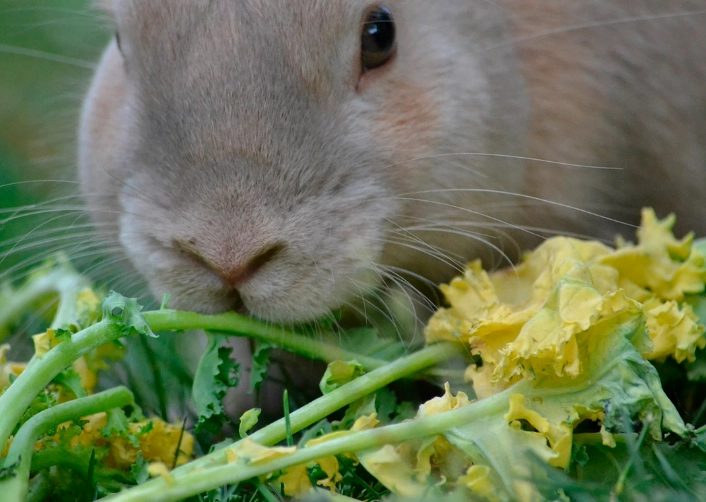
Priority 1: Unlimited Grass Hay. Not just "some" hay. It should be 80-90% of their diet. Timothy, orchard, oat hay—whatever they eat enthusiastically. This fiber is the engine of their gut. A common mistake is relying too much on pellets. Pallets are a supplement, not a staple. The House Rabbit Society is an excellent resource for diet guidelines.
Priority 2: Regular Dental Checks. A rabbit's teeth grow continuously. Malocclusion (misalignment) causes sharp points (spurs) that dig into the tongue and cheeks, making eating painful. This is a silent, common trigger. Your vet should check molars at least once a year during a wellness exam.
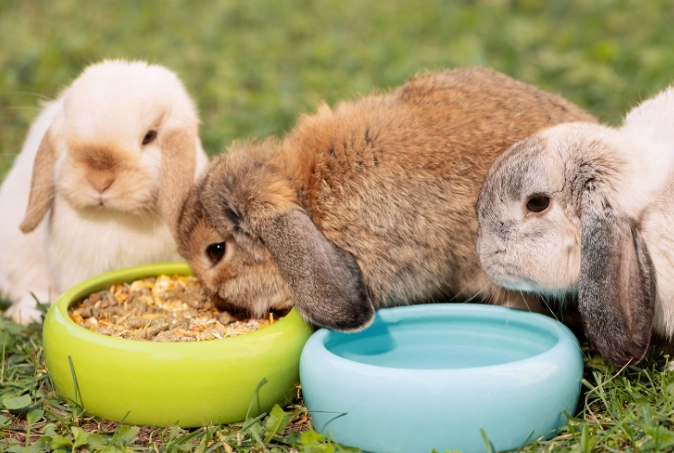
Priority 3: Stress Reduction and Exercise. A sedentary, stressed rabbit is a prime candidate. Ensure they have at least 4 hours of supervised free-roam time daily in a rabbit-proofed space. Companionship (a bonded rabbit friend) is one of the best stress-reducers, but must be done correctly.
Priority 4: Hydration. Always have fresh water in a bowl (not just a bottle). Offer water-rich veggies like romaine lettuce and cucumber.
Priority 5: Grooming. Especially for long-haired breeds like Angoras or Lionheads. Ingested hair is a major contributor to gut slowdowns. Regular brushing is non-optional.
I keep a "stasis kit" at home: unflavored Pedialyte, a package of Critical Care, a set of 1ml and 10ml syringes, and a heating pad. Having these on hand saves precious time.
Join the Conversation