I adopted a scrawny kitten named Leo last year, and within three days, he was using the litter box like a pro. No accidents, no fuss. Friends asked how I did it so fast—they'd struggled for weeks. The truth? Most guides overcomplicate it. Litter training a cat quickly isn't about magic tricks; it's about understanding feline instincts and avoiding the tiny mistakes that drag the process out. If you're tired of cleaning up messes, this guide will cut through the noise. We'll cover the step-by-step method, essential tools, and what most people get wrong. Let's get your cat trained in days, not months.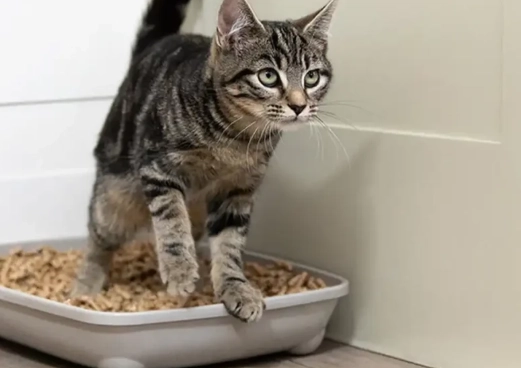
What's Inside This Guide
How to Litter Train a Cat Fast: The Core Method
Forget the slow, trial-and-error approach. This method works because it mimics how cats learn naturally. I've used it with five cats over the years, and it rarely fails if you follow it precisely.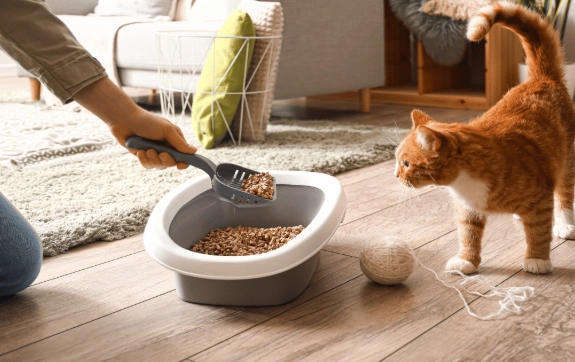
Step 1: Set Up the Perfect Litter Box
Start before you even bring the cat home. Get a large, uncovered box—at least one and a half times the length of your cat. Bigger is better. Cats hate feeling cramped. Place it in a quiet, low-traffic corner, away from food and water. Noise from washing machines or foot traffic spooks them. For a multi-cat home, use multiple boxes: one per cat, plus one extra. This prevents territorial disputes that cause accidents.
Step 2: Choose the Right Litter
This is where many go wrong. Use unscented, clumping litter. Scented varieties often repel cats—their sense of smell is far stronger than ours. Clumping litter makes cleanup easy, which encourages you to scoop daily. A clean box is non-negotiable for speed. Fill it with about 2-3 inches of litter. Too little, and they can't bury properly; too much, and it's messy.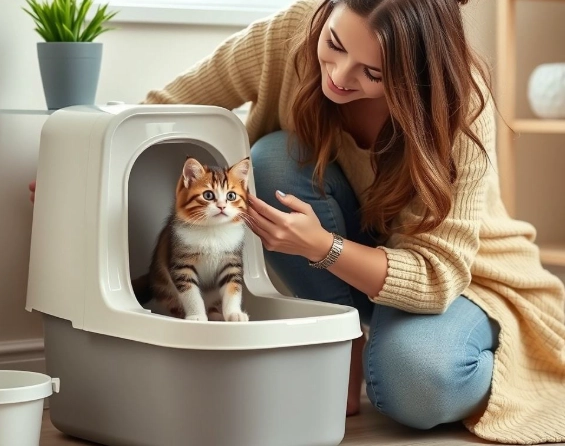
Step 3: The Introduction Process
When your cat first arrives, gently place them in the litter box. Let them sniff and explore. Don't force it. After meals or naps, carry them to the box—cats often need to go after these times. If they use it, praise them softly and offer a small treat. Positive reinforcement works wonders. Avoid hovering; cats prefer privacy. If they have an accident, don't scold. Clean it with an enzyme cleaner to remove odors, and quietly place them in the box afterward.
Consistency is key. For the first few days, keep the box in the same spot. Don't move it around. Cats are creatures of habit.
Essential Tools for Speed (What You Really Need)
You don't need fancy gadgets. Here's a bare-bones list that actually speeds up training:
- Litter Box: Large, uncovered, like the IRIS Open Top Litter Box. It's affordable and spacious.
- Litter: Unscented clumping litter. Brands like Dr. Elsey's Cat Attract have additives that encourage use, but plain clay works fine.
- Scoop: A metal scoop with small slots—plastic breaks, and large slots waste litter.
- Enzyme Cleaner: For accidents. Nature's Miracle is a reliable choice. It eliminates odors that might draw cats back to the wrong spot.
- Treats: Small, high-value treats for rewards. Freeze-dried chicken bits are cat crack.
I see people buying automated boxes or fancy liners early on. Save that for later. Start simple.
| Tool | Why It Matters | Budget Option |
|---|---|---|
| Litter Box | Size affects comfort; too small leads to avoidance | Plastic storage tub with low side |
| Litter | Cats are picky; wrong type causes rejection | Generic unscented clumping litter |
| Enzyme Cleaner | Prevents repeat accidents by removing scent markers | DIY mix of vinegar and baking soda (less effective) |
Common Mistakes That Slow Down Training
These errors add days or weeks to the process. I've made a few myself, so learn from my blunders.
Punishing Your Cat
Yelling or rubbing their nose in it doesn't work. Cats don't connect punishment with the accident. It just makes them afraid of you and the litter box. I tried a stern voice once with a foster cat, and she started hiding. Took a week to rebuild trust.
Changing Litter or Location Mid-Training
Consistency is everything. If you switch from clay to pine litter because a friend recommended it, your cat might boycott the box. Stick with one setup for at least two weeks. Same with location—moving the box confuses them.
Neglecting Cleanliness
Cats are clean animals. A dirty box is like a filthy toilet—they'll avoid it. Scoop daily, and change the litter completely every 1-2 weeks. I scoop twice a day with multiple cats. It takes two minutes and prevents problems.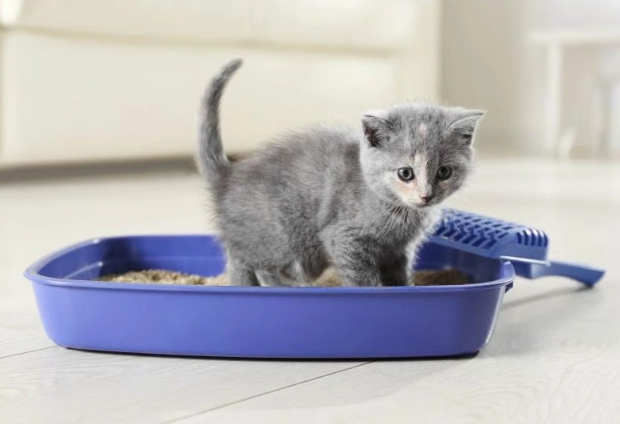
Dealing with Stubborn Cats: Advanced Tips
Some cats are tougher. Maybe they're older, rescued from outdoors, or just set in their ways. Here's how to speed things up.
For Older Cats
Patience is even more critical. Use a larger, low-entry box. Consider a litter with a familiar texture—if they were outdoors, try a soil-like litter. Positive reinforcement is your best tool. I trained a 12-year-old cat by placing the box near her favorite sleeping spot, then gradually moving it to the desired location over a few days.
For Cats That Prefer Soft Surfaces
If your cat pees on carpets or beds, they might like softer litter. Try a paper-based or fine-grain clumping litter. Place a small piece of the soiled carpet in the box initially to attract them, then remove it once they're using it.
Confinement Training
This is a last resort but works fast. Confine your cat to a small, easy-to-clean room (like a bathroom) with the litter box, food, and water for 24-48 hours. It forces them to use the box. After they're consistent, gradually give them more space. I did this with a feral rescue, and she learned in two days.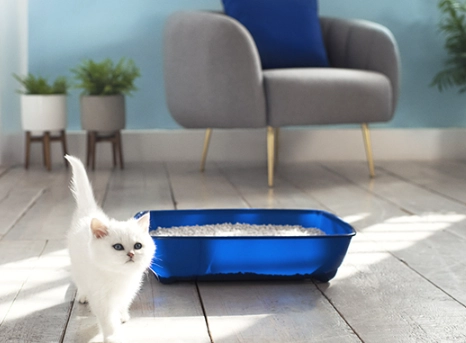
Remember, health issues can cause refusal. If your cat suddenly stops using the box, see a vet. Urinary infections are common and painful.
Your Top Questions Answered
Litter training doesn't have to be a marathon. Focus on the basics: a good box, the right litter, and positive reinforcement. Avoid the common pitfalls, and you'll see results fast. I still remember Leo's first successful use—he looked so proud, and I felt like a genius. It's all about working with your cat's instincts, not against them. Give it a try, and you might be surprised how quickly things click.



Join the Conversation