Rabbits are masters of disguise when it comes to pain and illness. In the wild, showing weakness makes you a target. That instinct is still hardwired into our pet bunnies. A rabbit that seems "just a bit quiet" might be in serious trouble. I learned this the hard way years ago with my first rabbit, Thumper, whose slight decrease in appetite turned out to be a full-blown gastrointestinal stasis. Catching signs of bad health early isn't just helpful—it's often the difference between a simple treatment and a life-or-death emergency.
This guide cuts through the generic advice. We'll go beyond the obvious and talk about the subtle, often-missed signals your rabbit is sending. You'll learn how to interpret changes in behavior, spot physical symptoms before they escalate, and know exactly when to drop everything and call the vet.
What’s Inside This Guide
Behavioral Red Flags: Your Rabbit's Silent Language
This is where most owners, including my past self, get tripped up. You think your rabbit is just having a lazy day or being extra cuddly. Sometimes that's true. But here’s how to tell the difference.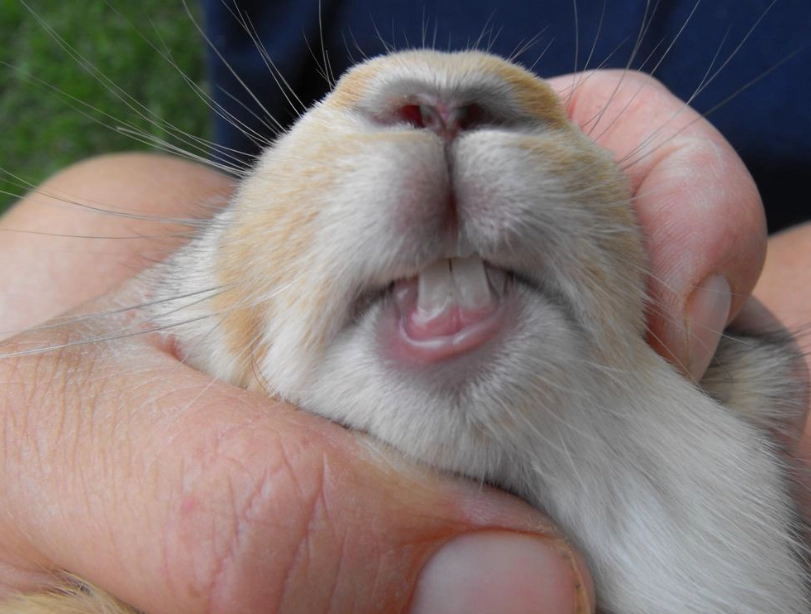
Appetite and Drinking Shifts
A rabbit not eating is the biggest, loudest alarm bell there is. Their digestive systems need constant movement. Even 12 hours without food is a critical situation. But it's not just about total refusal.
Watch for these subtler signs:
- Selective Eating: They go for the tasty herbs but leave their usual pellets or hay. This can be an early tooth problem or gut discomfort.
- Changes in Poop Production: Fewer poops, smaller poops, or misshapen poops are a direct report from their gut. Perfect poop should be round, firm, and uniform. Clumpy, tiny, or strung-together poops mean trouble.
- Drinking Much More or Less: A sudden increase in water intake can point to kidney issues or diabetes. Drinking far less, especially in hot weather, risks dehydration.
Activity Level and Posture
A healthy rabbit has moments of energetic bursts (zoomies), calm grazing, and floppy relaxation. Deviations matter.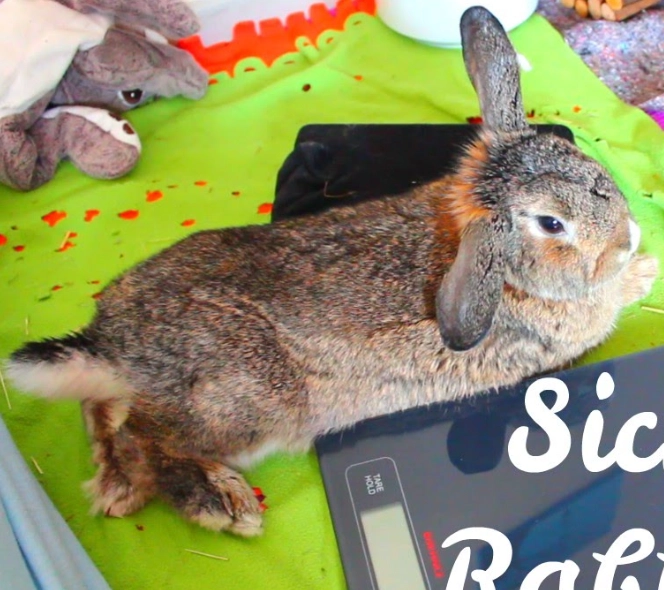
Lethargy and Hiding: If your social bunny is suddenly always in the back of their hideout and doesn't come out for treats, they don't feel well. This is different from a sleepy rabbit who perks up when you approach.
The "Hunched" Pose: This is a classic pain posture. The rabbit sits with its body tense, feet tucked under, and eyes looking squinty or half-closed. They often look like a miserable loaf of bread. I missed this with Thumper, thinking he was just sitting funny.
Reluctance to Move: They might seem stiff, hesitate to jump onto a usual platform, or move in a slow, careful way. This can indicate arthritis, sore hocks, or abdominal pain.
Physical Signs to Check During Your Weekly Health Scan
Make this a routine. Once a week, during a petting session, do a quick head-to-tail check. It feels less invasive for them and builds trust.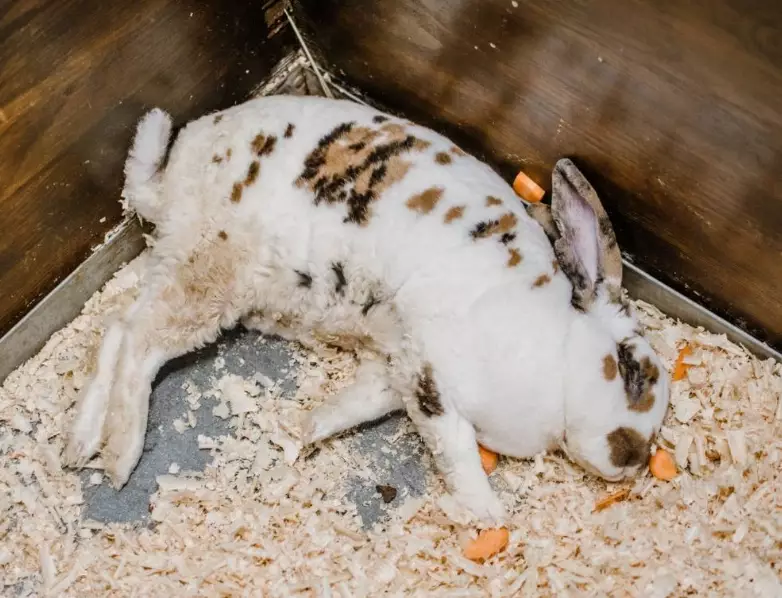
| Body Part | What's Normal | Signs of Bad Health |
|---|---|---|
| Eyes & Nose | Clear, bright, dry. No discharge. | Watery eyes, crusty buildup, white/milky discharge (could be pasteurella), persistent sneezing with wetness. |
| Teeth | Incisors meet neatly, not overgrown. You usually can't see molars. | Drooling/wet chin, dropping food, weight loss with good appetite (malocclusion). Overgrown incisors are a visible emergency. |
| Ears | Clean, pink inside, can move them freely. | Head tilting, scratching, brown crusty wax (ear mites), heat or swelling. |
| Fur & Skin | Smooth, clean coat. No bald patches. | Patchy hair loss, excessive scratching, flaky skin, mats (especially under chin), visible parasites. |
| Feet & Hocks | Fur-covered, no sores. | Bare, red, swollen, or ulcerated spots on heels (sore hocks). Very painful. |
| Weight | Feels firm, not bony; you can feel ribs with slight pressure. | Sharp backbone/hip bones (underweight), inability to feel ribs (overweight). Sudden weight change is a major flag. |
| Rear End | Clean, dry, free of stool clumps. | Urine scald (red skin), sticky poo matted in fur (a diet or motility issue), flystrike (looks like moving dirt/maggots). |
Checking teeth properly is tricky. You can gently lift the lips to see the front incisors. For the back molars, you often need a vet with an otoscope. The House Rabbit Society is an excellent resource for detailed handling techniques to keep stress low during these checks.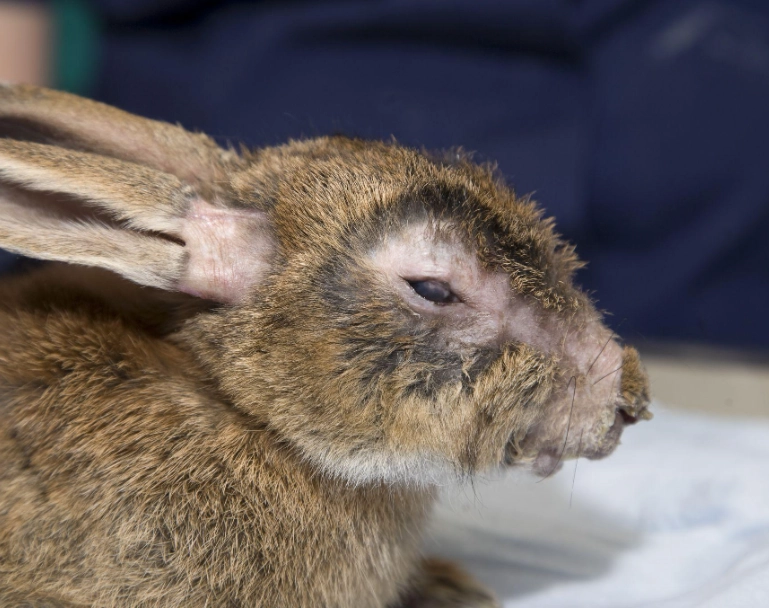
True Emergency Symptoms: When to Call the Vet NOW
- Complete Anorexia: No interest in favorite treats, hay, or greens for more than 10-12 hours.
- No Fecal Output: You find zero poops in the enclosure for several hours.
- Loud Tooth Grinding: This is different from soft, content "purring." Loud grinding is a sign of severe pain.
- Labored Breathing: Mouth breathing, heavy chest movements, or flared nostrils. Rabbits are obligate nose-breathers.
- Severe Head Tilt or Rolling: A sudden tilt, loss of balance, or uncontrollable rolling (a condition called vestibular disease).
- Seizures, Collapse, or Paralysis.
- Screaming: A rabbit scream is a sound of terror and extreme pain.
- Bloated, Hard Abdomen: The belly feels tight like a drum. This is a GI stasis/bloat emergency.
- Exposure to Extreme Heat leading to heavy panting and lethargy (heat stroke).
- Visible Trauma from a fall, attack, or other injury.
Have the number of a 24-hour exotic vet saved in your phone. Not all emergency clinics see rabbits. Find one before you need it.
Linking Signs to Common Rabbit Illnesses
Signs rarely appear in isolation. They cluster together, pointing towards specific conditions. Here’s a quick decoder.
Gastrointestinal (GI) Stasis: The king of rabbit emergencies. Signs start subtle: eating less, smaller poops. Progresses to: no eating, no pooping, hunched posture, loud gut sounds (or silence), lethargy. Caused by pain, stress, or poor diet. It's a vicious cycle—pain stops eating, which stops gut movement, which causes more pain.
Dental Disease (Malocclusion): Overgrown teeth roots or spurs. Look for: drooling (wet dewlap), dropping food, weight loss despite interest in food, pawing at the mouth, runny eyes (if root affects tear duct).
Respiratory Infection (Snuffles): Think chronic cold. Symptoms: white nasal discharge, sneezing fits, matted fur on inner front legs (from wiping nose), possibly watery eyes.
Urinary Tract Issues: Straining to urate, crying while urinating, passing blood in urine, frequent small urinations. Can be caused by sludge, stones, or infection.
E. Cuniculi (Parasitic Infection): Can cause a wide range of issues: head tilt, hind limb weakness or paralysis, kidney disease, cataracts in eyes. Often manifests after a period of stress.
A study published by the University of Miami Division of Veterinary Resources highlights that dental and gastrointestinal diseases together account for a massive portion of health issues in pet rabbits, underscoring the need for vigilant monitoring of appetite and dental health.



Join the Conversation