You're thinking about getting a reptile, but the images of complex humidity controllers, live insect breeding colonies, and daily spot-cleaning are making you hesitate. I get it. I've been keeping reptiles for over a decade, and my first pet was a disaster because I listened to bad pet store advice. Let's cut through the noise. When people ask "What is the most low maintenance reptile pet?", they're really asking for a companion that fits a modern, busy life without compromising on the animal's welfare. The truth is, no pet is zero maintenance, but some reptiles are remarkably forgiving and simple to care for. Based on ease of handling, dietary simplicity, habitat robustness, and overall hardiness, here are my top five picks.
Your Quick Guide to Easy Reptile Pets
What "Low Maintenance" Really Means for Reptiles
Before we list the animals, let's define our terms. In the reptile world, "low maintenance" isn't about neglect. It's about predictability and simplicity. A low maintenance reptile typically has these traits:
- Diet: Eats pre-killed, readily available food (like frozen rodents or commercial diets) or common insects like crickets/mealworms. No need for live vertebrate feeders or exotic, hard-to-find bugs.
- Housing: Thrives in a simple, stable environment. Doesn't require extremely high humidity, precise temperature gradients that are hard to achieve, or enormous space as a juvenile.
- Health: Naturally hardy and resistant to common beginner errors like slight fluctuations in temperature or the occasional missed feeding.
- Handling: Generally docile and calm, reducing stress for both the animal and the owner during necessary interactions like cage cleaning.
- Cleanup: Produces waste that is easy to spot and remove, and doesn't require a full cage tear-down every week.
The biggest misconception? Thinking a small reptile is always easier. A tiny, delicate gecko can be far more demanding than a sturdy, medium-sized snake.
Top 5 Low Maintenance Reptile Pets Ranked
This ranking balances ease of care with availability and handling enjoyment. It's the list I wish I had when I started.
| Pet | Why It's Low Maintenance | Key Consideration | Ideal For |
|---|---|---|---|
| 1. Leopard Gecko | No UVB light strictly required (with proper diet), eats common insects, clear waste signals, incredibly hardy. | Need a heated floor (under-tank heater), not for handling young children. | First-time owners, those wanting a visible, interactive pet. |
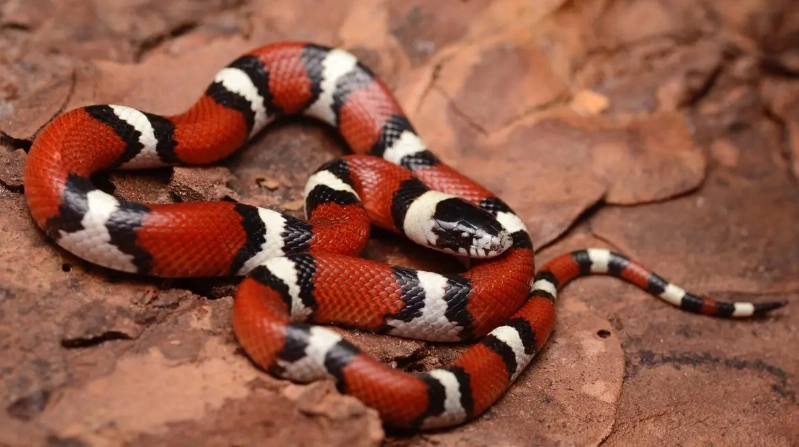
| 2. Corn Snake | Eats frozen/thawed mice reliably, tolerates handling very well, simple temperature gradient. | Escape artists; need a VERY secure lid. Can be squirmy as babies. | Owners who want a "classic" snake, good for gentle handling. |
| 3. Crested Gecko | Can live on complete powdered diet (CGD), doesn't require live insects (but enjoys them), climbs on glass. | Needs vertical space and higher humidity. Can drop its tail if startled. | Apartment dwellers, those uneasy with feeding insects or rodents. |
| 4. Kenyan Sand Boa | Spends most time buried, very low feeding frequency (every 7-10 days), minimal space requirements. | Not the most "showy" pet; you'll see a head poking out of sand. Can be picky eaters initially. | Extremely busy owners, those who prefer a minimalist, fascinating setup. |
| 5. Russian Tortoise | Herbivore (greens/weeds), very long-lived and hardy, diurnal and personable. | Requires significant space as an adult, needs UVB lighting and brumation (hibernation) consideration. | Long-term committed owners, those with outdoor space for a summer enclosure. |
Deep Dive: The Case for the Leopard Gecko as #1
Let's talk about why the leopard gecko often wins the "most low maintenance reptile" title. I've kept a colony for years. Their care is almost boringly simple once set up. A 20-gallon long tank, an under-tank heater on one side set to 90°F (using a thermostat—non-negotiable), a hide on the warm side, a hide on the cool side, and a humid hide in the middle for shedding. That's the core. Substrate? Paper towel for beginners. It's cheap, safe, and you can see their waste clearly—a white urate and a dark brown stool. Feed them a variety of gut-loaded crickets or mealworms dusted with calcium powder 2-3 times a week. Adults can even skip a week without issue. They don't need misting. They drink from a water bowl. Their predictable habits make noticing illness easy.
Pro Tip Everyone Misses: The biggest health issue I see in leopard geckos isn't metabolic bone disease—it's obesity. Beginners love to feed them, and these geckos will beg endlessly. An overweight gecko develops fatty liver disease. An adult leopard gecko's tail should be plump, but not wider than its head. Restraint is key to their long-term health.
Why Corn Snakes Are a Close Second
If the idea of insects turns you off, the corn snake is your champion. Their feeding routine is the epitome of simplicity: one appropriately sized frozen-thawed mouse every 7-10 days for an adult. Thaw it in warm water, offer it with tongs, and you're done. No live prey risks, no insect bins. Their enclosure is straightforward: a secure 40-gallon breeder tank with an overhead heat lamp creating a warm basking spot of 85°F and a cool side in the 70s. Aspen shavings work perfectly, and they love to burrow. They are escape artists, though. I've had them push open sliding glass doors secured only by a weak clip. Use a tank with locking pins or a dedicated PVC cage. Their calm demeanor is legendary; a well-started corn snake is often content to coil around your wrist for an hour.
The One Big Mistake Beginners Make (And How to Avoid It)
It's not about the animal you choose; it's about the source. The single biggest predictor of getting a truly low maintenance pet is buying from a reputable breeder, not a big-box pet store. Pet store reptiles are often wild-caught (carrying parasites and stress) or mass-bred in poor conditions. They arrive sick, refuse food, and die mysteriously, making your "easy" pet a nightmare of vet bills and heartache.
A breeder's animal is usually captive-bred for generations, eating frozen mice or crickets from birth, and handled regularly. You pay more upfront—maybe $50-$100 instead of $30—but you save hundreds in stress and potential failure. Look for breeders at reptile expos or on curated online platforms like MorphMarket. Ask them questions: "How old is it? What are you feeding it? Can I see the parents?" A good breeder loves to talk.
The Simple, Foolproof Habitat Setup
For any of the top three on this list (Leopard Gecko, Corn Snake, Crested Gecko), here's a universal, no-fuss shopping list to get it right the first time:
- Enclosure: Glass aquarium or front-opening terrarium. Size appropriate for adult immediately (20-gal long for leopard gecko, 40-gal breeder for corn snake, 18x18x24" tall for crested).
- Heating: For leopard geckos/snakes: Under-tank heater OR ceramic heat emitter/heat lamp. MUST be connected to a thermostat (like an Inkbird). This is your most important purchase—it prevents burns and regulates temperature automatically.
- Lighting: For crested geckos and tortoises: A low-output UVB bulb (like a 5.0 or 2.4% T5). For leopard geckos: a simple LED or low-wattage bulb for a day/night cycle is fine.
- Substrate: Start simple. Paper towel, slate tile, or reptile carpet. Avoid loose sand or mulch until you're experienced.
- Hides & Decor: At least two hides (one warm, one cool). Fake plants for clutter (reduces stress). A shallow water dish.
- Tools: Digital thermometer/hygrometer (not the analog stick-on kind), feeding tongs, a spray bottle for crested geckos, a dedicated scoop for waste.
Set it all up and let it run for 48 hours, monitoring temperatures, before you even bring the animal home. This "quarantine" of the habitat solves most initial problems.
Your Reptile Questions, Answered
The search for a low maintenance reptile pet leads you to some of the most rewarding companions in the hobby. By starting with a hardy, captive-bred animal from a good source—like a leopard gecko or corn snake—and investing in a simple, correct setup from day one, you set yourself up for success. You'll spend less time worrying about complex care and more time enjoying a quiet, fascinating creature that fits seamlessly into your life. Forget the hype and start with the basics; you'll have a scaly friend for years to come.


Join the Conversation