Thinking about getting a reptile or amphibian but worried it's too complicated? You're not alone. I've been keeping herps for over a decade, and I remember that initial overwhelm. The secret isn't finding the "easiest" pet—it's finding the right pet for a beginner. That means an animal with straightforward needs, a calm temperament, and a forgiving nature for the small mistakes we all make at the start. Forget the flashy, difficult species. Let's talk about the real workhorses of the pet reptile and amphibian world, the ones that will thrive with you as you learn.
Your Quick Guide to Getting Started
What Makes a Reptile or Amphibian "Beginner-Friendly"?
It's not just about being cheap or small. A true beginner animal has a specific set of traits that make the learning curve manageable.
Hardy Health: They can tolerate minor fluctuations in temperature or humidity without immediately getting sick. A bearded dragon is far more forgiving of a missed misting than a delicate chameleon.
Simple Diet: Think commercially available insects (crickets, mealworms) or prepared pellets. You don't want to start your hobby figuring out how to breed a specific type of fruit fly or source rare snails.
Manageable Size and Space: A 20-40 gallon tank is a reasonable starting point for both your budget and your living space. You're not ready for a 6-foot snake that needs a custom-built enclosure.
Docile Temperament: Handling is a big part of the joy for many new owners. Beginner species are typically calm, rarely bite, and don't stress out easily from occasional interaction.
Readily Available: You should be able to find them from reputable breeders or pet stores, not obscure online forums. This ensures you get a healthy, captive-bred animal and access to community knowledge.
The Top 5 Best Beginner Reptiles & Amphibians
Based on decades of community consensus and my own experience, these five are the champions. Here’s a detailed comparison to see which might click with you.
| Pet | Type | Tank Size (Minimum) | Key Care Needs | Diet | Avg. Cost (Pet + Setup) | Lifespan | Handling? |
|---|---|---|---|---|---|---|---|
| Leopard Gecko | Lizard (Reptile) | 20-gallon long | Dry, warm. Under-tank heater, hide boxes. | Live insects (crickets, mealworms) | $250 - $400 | 15-20 years | Excellent. Very docile. |
| Corn Snake | Snake (Reptile) | 40-gallon breeder | Secure lid, climbing branches, warm/cool hide. | Frozen/thawed mice | $300 - $500 | 15-25 years | Very good. Curious, rarely bites. |
| Bearded Dragon | Lizard (Reptile) | 75-gallon (for adult) | Hot basking spot, UVB lighting, varied diet. | Mixed veggies & live insects | $500 - $800+ | 10-15 years | Superb. Often called "puppy-dog tame." |
| Crested Gecko | Lizard (Reptile) | 20-gallon tall | Vertical space, moderate humidity, no special heating. | Prepared fruit diet (CGD) & insects | $200 - $350 | 15-20 years | Good. Can be skittish, may jump. |
| Pacman Frog | Frog (Amphibian) | 10-gallon | Deep, damp substrate. Shallow water dish. Low traffic area. | Live insects, occasional pinkie mice | $150 - $250 | 10-15 years | Minimal. A "look, don't touch" pet. |
Leopard Gecko: The Desert Darling
If there's a perfect starter reptile, this is it. No UVB lighting needed (though some argue for it), no complex humidity gauges—just a simple under-tank heater, a few hides, and a bowl of insects. Their care sheet is one page, not ten. I started with a leopard gecko named Sandy. She was forgiving when I misjudged temperatures early on. They're slow-moving, have adorable smiling faces, and come in endless color patterns (morphs). The biggest mistake here? Using sand substrate. It can cause fatal impaction. Use paper towel, slate tile, or a specific loose substrate made for them.
Corn Snake: The Gentle Slither
The fear of snakes often melts away with a corn snake. They're slender, curious, and almost never aggressive. Their care is incredibly standardized: a moderately sized tank, a heat gradient, and a weekly frozen mouse. They're escape artists, though. That secure lid isn't a suggestion; it's a requirement. I've known more than one new owner who found their snake behind the bookshelf. Their husbandry is so well-documented that resources from places like the Reptiles Magazine or the Society for the Study of Amphibians and Reptiles (SSAR) are excellent for deeper dives.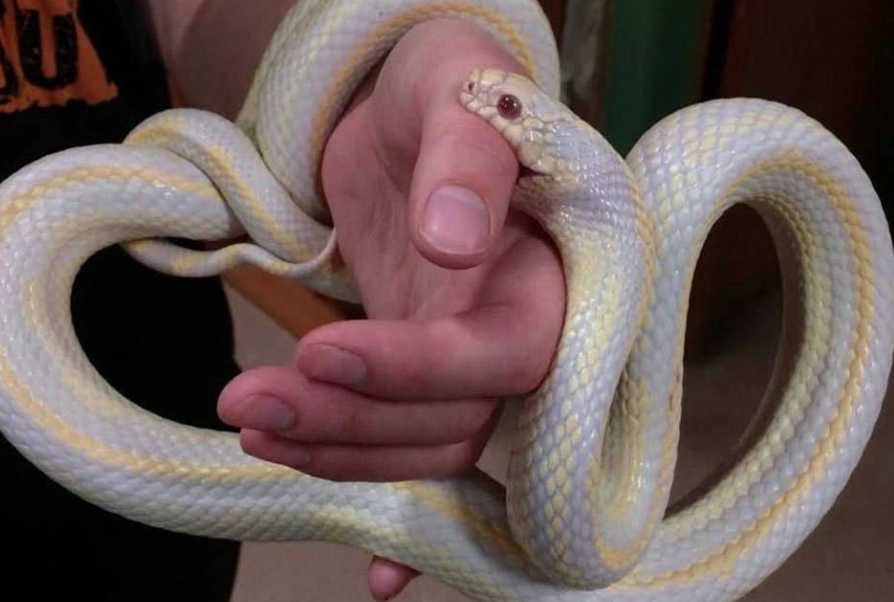
Bearded Dragon: The Interactive Lizard
Beardies demand more: a bigger tank, stronger UVB lighting, and a more varied salad-and-bug diet. But they give more back in personality. They'll watch TV with you, sit on your shoulder, and display distinct moods. They're not a "set it and forget it" pet. You need to be on top of their lighting schedule and calcium supplements to prevent Metabolic Bone Disease, a common and devastating illness in poorly kept reptiles. The initial cost is higher, but for someone wanting a truly interactive companion, it's worth it.
Crested Gecko: The Tropical Climber
A fantastic choice if you don't want to deal with live insects as a staple. Their complete powdered diet (like Repashy or Pangea) mixes with water—it's foolproof. They need a tall tank with plants (real or fake) to climb and hide in. Room temperature is often fine, eliminating the need for a heat lamp in many homes. The trade-off? They're more fragile and fast. 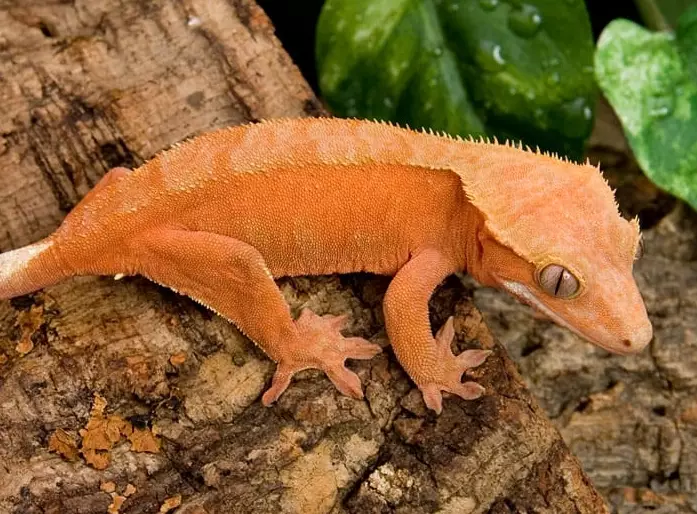 Handling requires a calm, seated environment so a leap doesn't turn into a fall. They can also drop their tail if stressed, which doesn't grow back.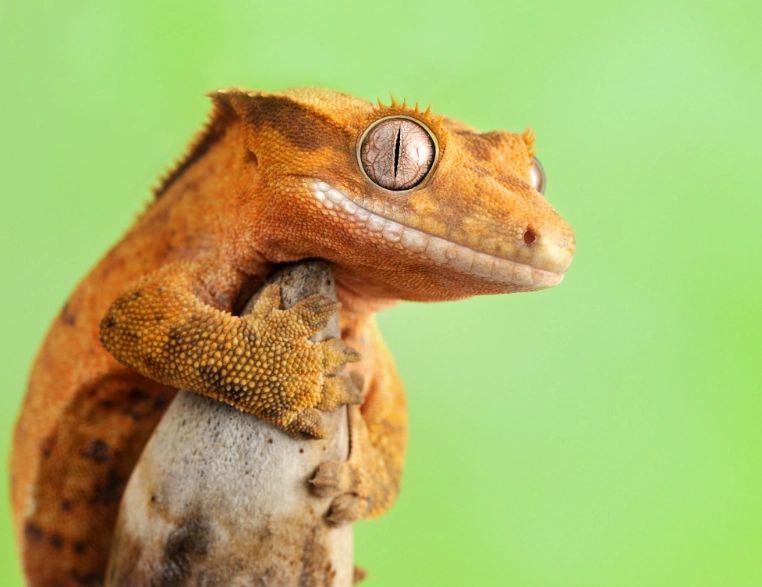
Pacman Frog: The Living Plushie
The quintessential beginner amphibian. They don't move much. They don't need space. They just sit in their damp substrate, looking like a grumpy piece of fruit with legs. Care is simple: keep them moist, feed them appropriately sized insects (don't overfeed!), and leave them alone. This is not a handling pet. Their skin is sensitive to oils and salts on our hands. They're a fascinating display of ambush predation. Just be prepared for a pet you observe more than interact with.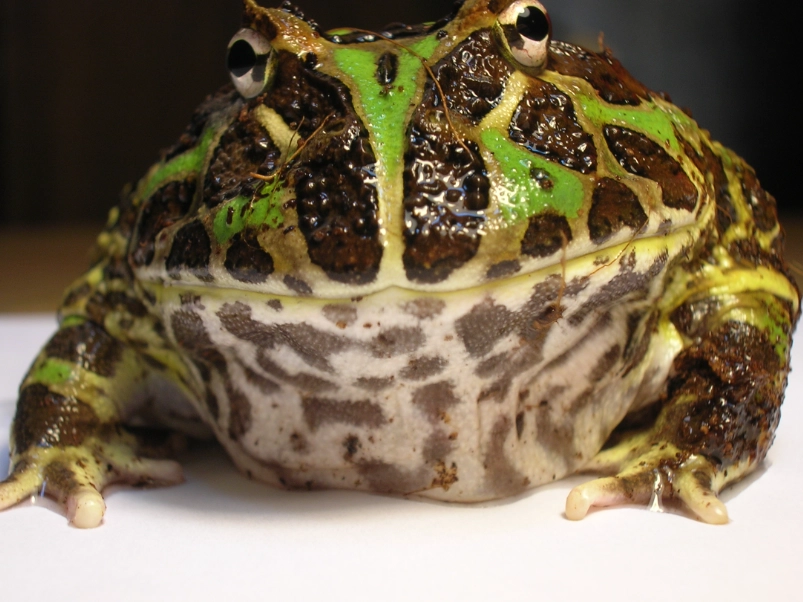
How to Choose Your First Reptile or Amphibian
Look beyond the cute face. Ask yourself these practical questions.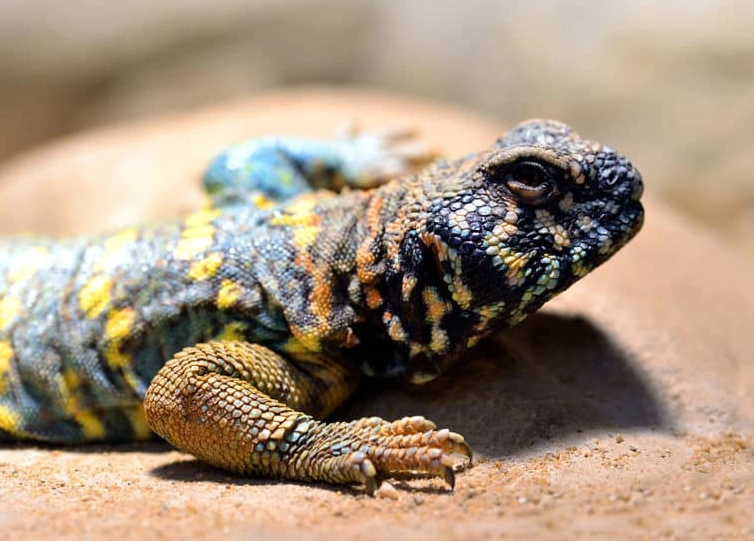
What's your budget for the first year? The pet is the cheapest part. The tank, lights, thermostat, decor, and ongoing food/vet fund are where the money goes. A bearded dragon setup can easily hit $800. A crested gecko might be half that.
How much daily time do you have? A bearded dragon needs fresh salads daily. A leopard gecko needs insects every 2-3 days. A corn snake eats once a week. A pacman frog might eat twice a week. Factor in tank cleaning time too.
Are you squeamish? If handling live crickets or feeding frozen mice makes you uncomfortable, cross leopard geckos and corn snakes off your list. Crested geckos or Pacman frogs might be better fits.
What's your long-term plan? These animals live 10-25 years. Are you going to college? Moving frequently? Make sure your lifestyle can accommodate a pet that can't just be rehomed easily.
3 Common Beginner Mistakes (And How to Avoid Them)
I've seen these patterns again and again. Avoid them, and you're miles ahead.
1. Skimping on the Thermostat. You buy a heat mat or lamp but plug it directly into the wall. This can cook your pet. A $30 thermostat is non-negotiable. It regulates the temperature, preventing burns and creating the necessary gradient (a warm side and a cool side).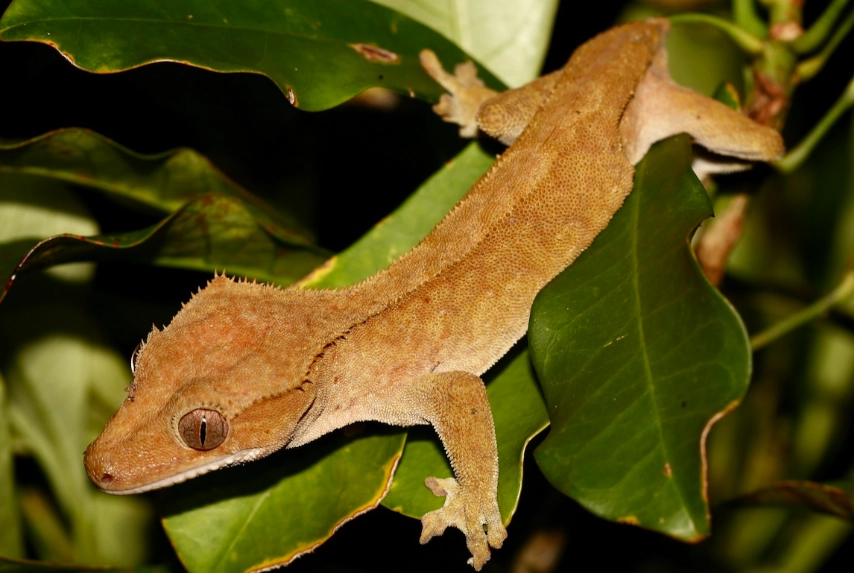
2. Following Pet Store Advice Blindly. The teenager working the reptile aisle may mean well, but their knowledge is often limited or store-policy driven. Do your own research from authoritative sources like veterinary guides or established breeder websites. The ASPCA also has general exotic pet welfare guidelines that emphasize proper setup.
3. Overhandling a New Pet. You're excited! But bringing a reptile or amphibian home is incredibly stressful for them. Give them a full week, sometimes two, with no handling at all. Just change water and feed them. Let them settle in and learn their new environment is safe. Rushing this leads to a skittish, stressed animal.
Your Questions Answered
I live in a small apartment. Which beginner reptile needs the least space?
The leopard gecko or crested gecko. A 20-gallon tank fits on a standard dresser. The Pacman frog needs even less floor space (a 10-gallon), but remember it's not a handling pet. Avoid bearded dragons in a truly small space—they need a 75-gallon tank minimum as adults, which is a significant piece of furniture.
My child wants a reptile. Which is the most kid-friendly and hardy?
The leopard gecko wins here, but with a major caveaton: the adult is ultimately responsible. Leopard geckos are sturdy, slow, and their care is simple enough for a supervised child to help with. However, their tails can drop if grabbed. Teach gentle handling from below, not from above like a predator. Corn snakes are also great with calm, older children. Avoid fragile lizards like crested geckos for young kids.
I'm worried about salmonella with reptiles. How big is the real risk?
The risk is very manageable and should not deter you. Salmonella is present in the gut flora of many healthy reptiles. It only becomes a problem through fecal contamination and poor hygiene. Always wash your hands thoroughly with soap and water after handling your pet or cleaning its cage. Never let reptiles roam on kitchen counters or in sinks where food is prepared. Don't kiss your pet. Following these basic rules makes ownership perfectly safe.
Can I use a heat rock for my snake or lizard?
No. Do not use heat rocks. They are notoriously poorly regulated and cause severe thermal burns on a reptile's belly, which they may not feel until it's too late. Reptiles absorb heat from above (the sun/basking lamp) or from a surface warmed by an under-tank heater connected to a thermostat. Heat rocks are a product that should have been discontinued years ago.
Where should I buy my first reptile or amphibian?
Avoid large chain pet stores for the animal itself. Their animals are often mass-bred, stressed, and can come with health issues. Seek out a reputable local breeder at a reptile expo or through online communities. A breeder can provide detailed lineage, health history, and specific advice. For the equipment (tanks, lights), pet stores are fine. A healthy start with a captive-bred animal from a good source prevents countless headaches.





Join the Conversation