If you're asking this question, you're already on the right track as a snake owner. Here's the truth: most snakes are overfed, not underfed, because their metabolism is slow. The key isn't just frequency or portion size—it's about observing your snake's body condition and behavior. I've kept snakes for over a decade, and I've seen too many owners stress over feeding without looking at the bigger picture. Let's cut through the noise and get practical.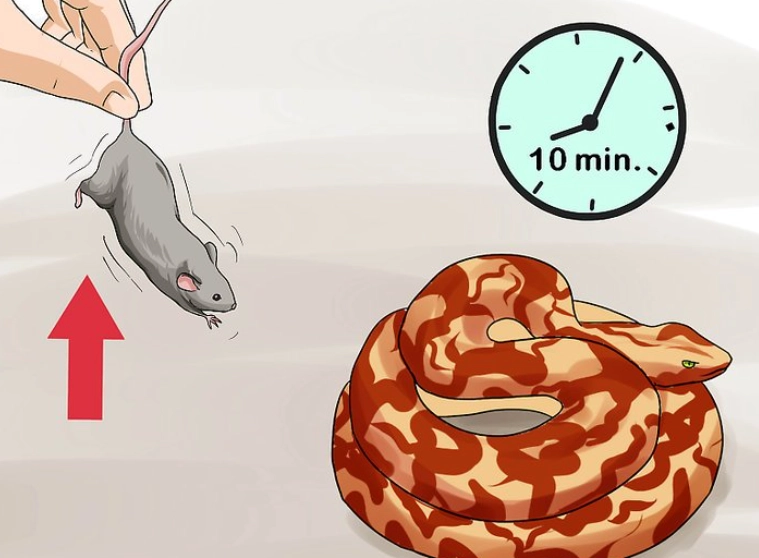
What You'll Learn in This Guide
Snake Feeding 101: The Fundamentals You Can't Ignore
Feeding a snake isn't like feeding a dog or cat. Snakes are ectotherms, meaning their digestion ties directly to temperature and activity. Get this wrong, and you'll see issues fast.
How Often Should You Feed Your Snake?
There's no one-size-fits-all answer. It depends on age, species, and health. Juvenile snakes grow quickly and need more frequent meals—think every 5 to 7 days. Adults slow down to every 10 to 14 days, or even longer for some larger species. I made the mistake of feeding my adult corn snake weekly, and he started getting pudgy. A vet told me to stretch it to 10 days, and his energy improved.
Here's a quick reference table for common pet snakes. This is based on my experience and guidelines from reptile care sources like the Association of Reptile and Amphibian Veterinarians.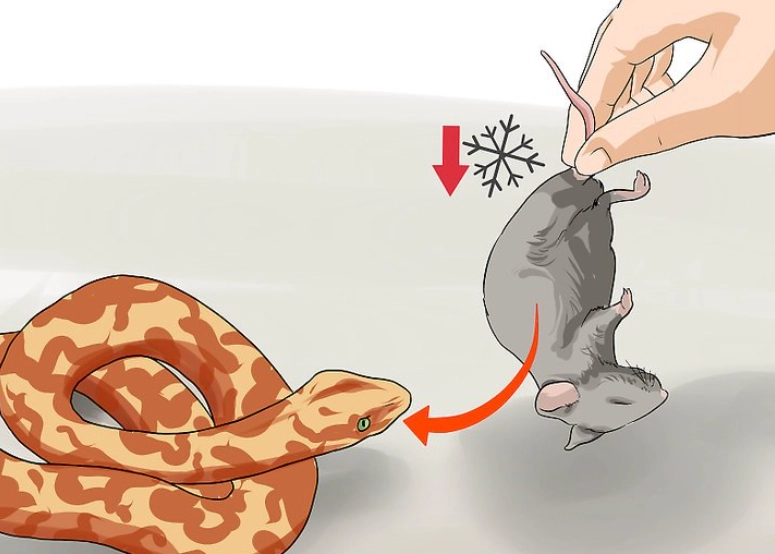
| Snake Species | Age | Feeding Frequency | Prey Type (Size Relative to Snake) |
|---|---|---|---|
| Corn Snake | Juvenile | Every 5-7 days | Pinkie mice (1-1.5x snake's mid-body width) |
| Corn Snake | Adult | Every 10-14 days | Adult mice (same width rule) |
| Ball Python | Juvenile | Every 7-10 days | Fuzzy rats or small mice |
| Ball Python | Adult | Every 10-21 days | Medium rats |
| King Snake | Any age | Every 7-10 days | Mice or small lizards (careful with variety) |
| Boa Constrictor | Juvenile | Every 10-14 days | Small rats |
| Boa Constrictor | Adult | Every 3-4 weeks | Large rats or rabbits |
Notice how frequency drops with age. That's a subtle point many miss—snakes don't need constant feeding once mature.
Prey Size and Type: Getting It Right
The general rule is prey should be no wider than the snake's body at its midpoint. But here's a non-consensus tip: slightly smaller prey more often is better than oversized meals that cause regurgitation. I've seen snakes throw up after a too-big rat, and it's stressful for both snake and owner. Frozen-thawed prey is safer than live; it reduces injury risk and is more convenient. Some snakes are picky, though—my ball python took months to switch from live to frozen.
Pro Tip: Always thaw frozen prey completely in warm water (not hot) and dry it before feeding. A wet mouse can lower your snake's body temperature and hinder digestion.
Key Signs Your Snake is Eating Enough (And When to Worry)
Forget just watching the scale. Snakes can gain weight from overfeeding while still looking "normal." You need to assess body condition.
Body Condition Scoring: The Visual Check
Look at your snake from above. A healthy snake has a gently rounded back, not sharply angled or overly flat. Run your fingers along its sides—you should feel the spine as a subtle ridge, not protruding or buried under fat. If the spine is obvious, your snake might be underweight. If you can't feel it at all, it's likely overweight.
Another sign: after a meal, a slight bulge should be visible for 24-48 hours, then disappear. If the bulge lasts longer, the prey was too big. I once fed my king snake a mouse that left a bulge for three days; he became lethargic, and I had to adjust his diet.
Behavioral Cues
A well-fed snake is active during its normal hours (often nocturnal), explores its enclosure, and has regular shedding cycles. If your snake is constantly hiding, refusing food for extended periods (beyond seasonal fasting), or showing dull skin, it might be stressed or underfed. But here's the kicker: snakes fast naturally during breeding season or when temperatures drop. My corn snake skipped meals for six weeks one winter, and I panicked until a herpetologist friend explained it's common.
Weight tracking helps, but don't obsess. Weigh your snake monthly on a digital scale. Juveniles should gain steadily; adults should maintain weight. A sudden drop of 10% or more warrants a vet visit.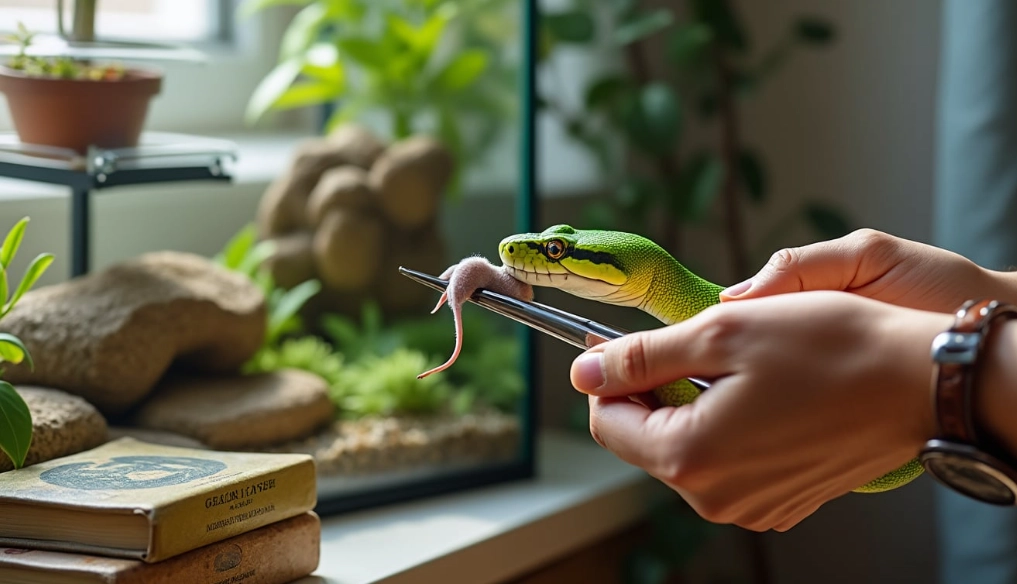
Common Feeding Mistakes Most Owners Make (And How to Fix Them)
I've made these errors myself, so learn from my experience.
- Mistake 1: Feeding Too Often – It's tempting to offer food weekly, but adult snakes don't need it. Overfeeding leads to obesity, fatty liver disease, and shortened lifespan. Fix: Stick to the species-specific schedule, and if in doubt, err on the side of less frequent meals.
- Mistake 2: Ignoring Prey Size – Bigger isn't better. Oversized prey can cause regurgitation or impaction. Fix: Use the width rule, and if your snake struggles to swallow, go smaller next time.
- Mistake 3: Not Adjusting for Season – Snakes eat less in cooler months or during breeding. Forcing food can cause stress. Fix: Reduce feeding frequency in winter or if your snake shows disinterest. Consult a vet if fasting lasts over two months without weight loss.
- Mistake 4: Handling Too Soon After Feeding – This can cause regurgitation. Wait at least 48 hours before handling. I learned this the hard way when my boa threw up after I moved him too early.
One underrated point: enclosure temperature. If the hot spot isn't warm enough (usually 85-90°F for most species), your snake can't digest properly. I've seen owners blame feeding when the real issue was a faulty heat mat.
Tailoring Feeding to Your Snake's Species
Different snakes have different needs. Let's break it down.
For Ball Pythons: The Picky Eaters
Ball pythons are notorious for fasting. They might refuse food for months, especially during breeding season. If your ball python is an adult and maintains weight, don't sweat it. Offer food every 2-3 weeks until it accepts. Live prey might be needed initially, but try switching to frozen-thawed for safety.
For Corn Snakes: The Voracious Eaters
Corn snakes will eat almost anything, anytime. That's the problem—they'll overeat if you let them. Stick to a strict schedule. I feed my corn snake every 10 days, and he's maintained perfect body condition for years.
For Boas and Larger Snakes: The Slow Digesters
These guys need infrequent, larger meals. But be cautious: a boa fed too often can become obese quickly. Every 3-4 weeks is plenty for adults. Monitor their girth—if they start looking like sausages, cut back.
Refer to the table earlier for specifics, but always observe your individual snake. Some are more active and need slightly more food.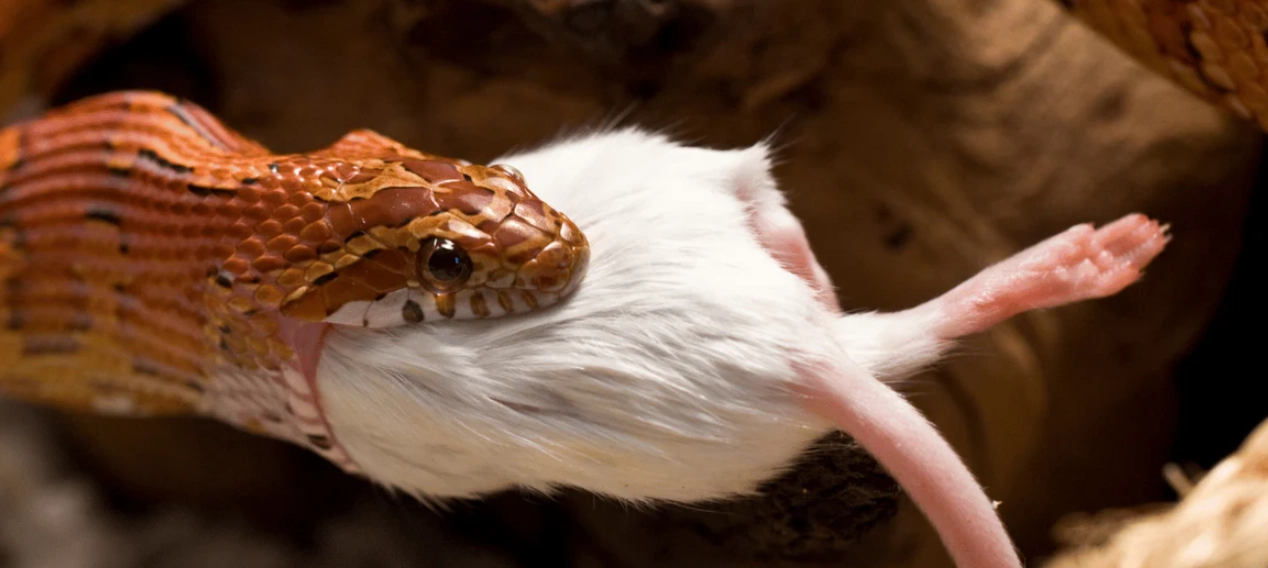
Frequently Asked Questions About Snake Feeding
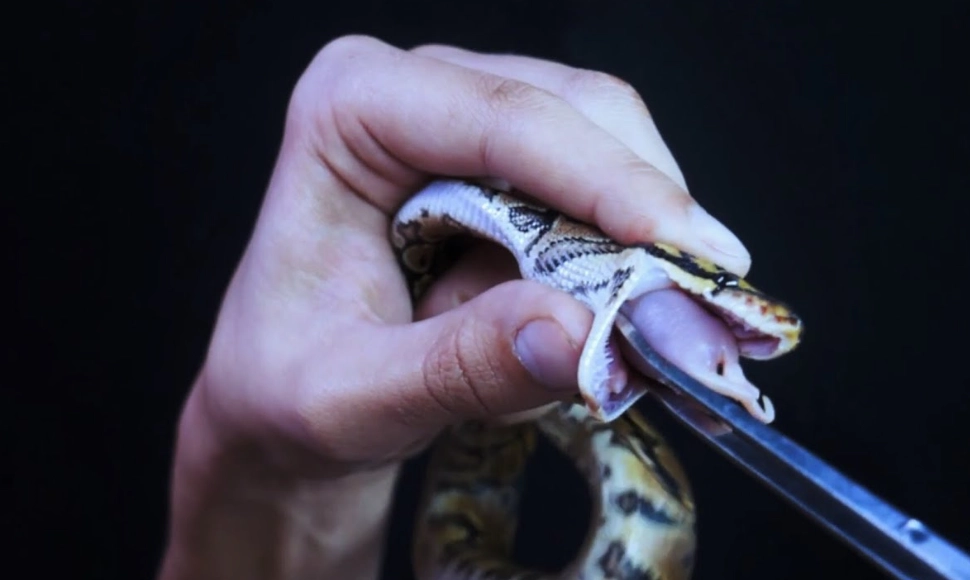 Should I feed my snake live or frozen prey?
Feeding your snake enough boils down to observation and adaptation. Trust the signs—body condition, behavior, and species needs—over rigid schedules. When in doubt, consult a reptile-savvy vet. Remember, a healthy snake is a happy snake, and getting feeding right is a big part of that. Keep learning, stay patient, and enjoy the journey with your scaly friend.





Join the Conversation