You’re staring at a fresh puddle behind the couch, or maybe a little "present" in the corner of the bedroom. Your cat is not a kitten anymore—she’s five, eight, maybe even twelve years old. And the thought hits you: is it too late to litter train a cat? Did I miss some crucial window?
Let’s cut right to the chase. No, it is not too late. Not even close.
The idea that you can only train a kitten is one of the most persistent and unhelpful myths in cat care. It leads people to give up, to assume their cat is just "spiteful" or "dumb," and to live with a frustrating, smelly problem. The truth is, adult and senior cats are perfectly capable of learning. The process isn’t about teaching them what a litter box is—they already know. It’s about detective work, patience, and fixing what’s broken in their environment or health.
What You'll Find in This Guide
The Truth About Age and Litter Training
Kittens have a developmental period where they learn quickly from their mother and environment. That’s a fact. But an adult cat’s brain isn’t some locked vault. They learn new things all the time—where the sunbeam hits at 2 PM, that the fridge opening might mean treats, that a certain meow gets your attention.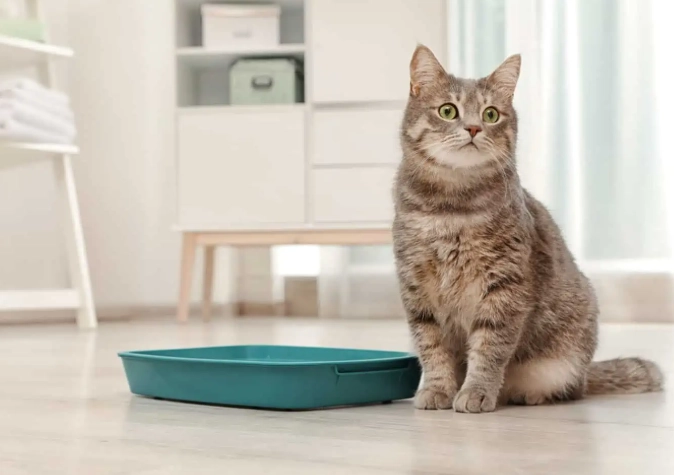
Training an older cat is less about initial training and more about re-training or behavioral modification. The foundation is there. Your job is to remove the obstacles that made them choose the floor over the box.
I once worked with a 14-year-old cat named Barnaby who started urinating on his owner’s bed. The owner was convinced it was a protest because she’d started a new job. After a vet visit, we discovered early-stage kidney disease and significant arthritis. The high-sided litter box was painful to climb into, and the kidney issue made him need to go more urgently. He wasn’t being bad; he was struggling to comply.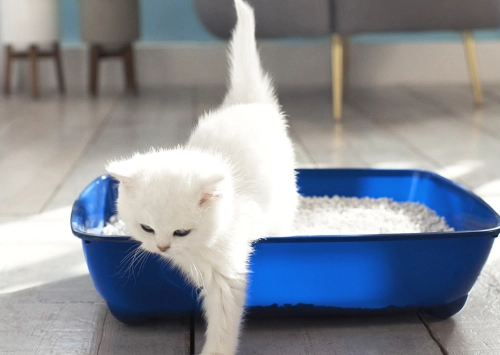
Why Adult Cats Stop Using the Litter Box
If your cat knows how to use the box but chooses not to, they are sending you a message. Your job is to decode it. The reasons almost always fall into one of these categories:
Medical Issues (The Non-Negotiable First Step)
This cannot be stressed enough. Before you try a new litter or buy a fancy box, go to the vet. Conditions like urinary tract infections (UTIs), bladder stones, diabetes, kidney disease, hyperthyroidism, and arthritis are common culprits. They cause pain, increased urgency, or mobility issues that make the litter box an unpleasant or inaccessible place.
Litter Box Aversion
The cat has developed a negative association with the box itself. Think about it from their perspective:
- The Box is Dirty: Cats are fastidious. A scooped-once-a-day box might as well be a porta-potty to them.
- The Litter Hurts: Perfumed, dusty, or certain crystal litters can be irritating to sensitive paws. A cat that had a painful UTI might associate that pain with the litter they were using at the time.
- Location Anxiety: Is the box next to a loud washing machine? In a dark basement? In a high-traffic hallway where the dog or kids can ambush them?
- The Box is Wrong: High sides are hard for seniors or kittens to climb. Hooded boxes trap smells and make a cat feel vulnerable. A box that’s too small is just uncomfortable.
Substrate or Location Preference
Sometimes, they just develop a liking for something else. The soft pile of the bathroom rug feels better than gravelly litter. The quiet, secluded space under your desk seems safer. This is a preference, not a rebellion.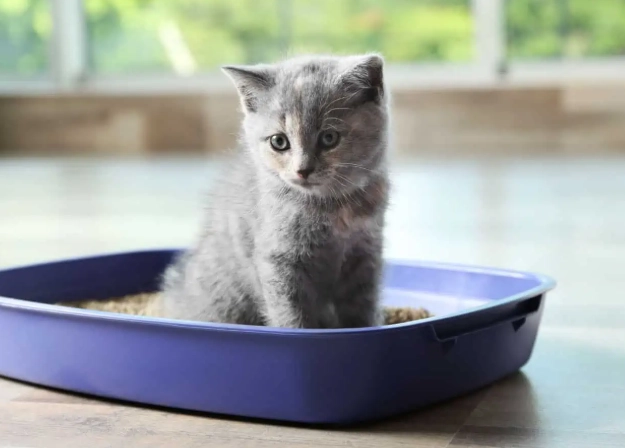
Stress and Anxiety
Cats are creatures of habit. A new pet, a new baby, construction noise, a change in your work schedule, even rearranged furniture can trigger stress-induced elimination outside the box. According to resources from the American Society for the Prevention of Cruelty to Animals (ASPCA), inappropriate elimination is a primary sign of stress in cats.
A Step-by-Step Plan for the ‘Untrainable’ Cat
Here’s a practical, no-nonsense plan. Don’t skip steps.
Step 1: The Veterinary Investigation
Schedule a full check-up. Be specific: "My cat is urinating/defecating outside the litter box." Expect a urinalysis and possibly blood work. This isn’t an expense; it’s the most important investment in solving the problem. If pain is managed or a condition treated, the behavior often resolves on its own.
Step 2: The Litter Box Audit
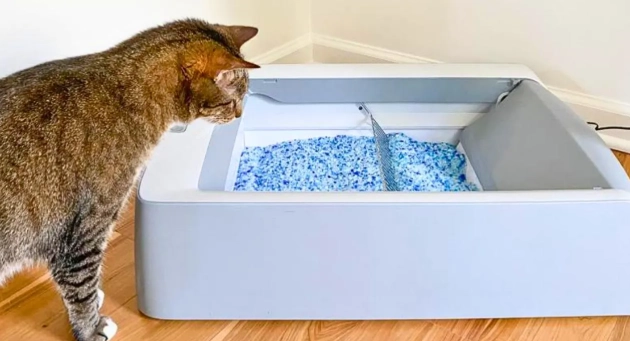
You need to make the litter box the most appealing option in the house. Follow the "N+1" rule: one box per cat, plus one extra. Place them in quiet, low-traffic, escape-route-friendly locations.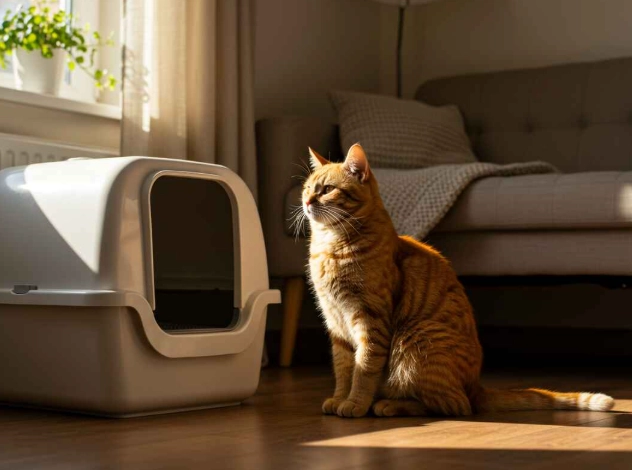
| Box Feature | Common Mistake | Better Solution |
|---|---|---|
| Size | Too small; cat can't turn around. | Get a large, shallow storage tote. Cut a low entryway. |
| Type | Hooded box (traps smell, feels like a trap). | Open box, or a covered one with the door removed. |
| Litter | Heavily scented, dusty crystals. | Unscented, fine-grain clumping litter. Offer a second box with a different type (like pine) as a test. |
| Cleanliness | Scooping once a day. | Scoop at least twice daily. Deep-clean boxes monthly with mild soap, no harsh chemicals. |
Step 3: The Environmental Reset
Thoroughly clean all accident spots with an enzymatic cleaner. Regular cleaners don't break down the urine proteins; your cat will still smell the spot and be drawn back to it. Block access to preferred accident zones if possible. Make those areas less appealing—place a feeding station there, or use a vinyl carpet runner (nub-side up).
Step 4: Positive Reinforcement & Confinement (If Needed)
Never punish. It creates fear, not understanding. When you see your cat use the box, offer calm praise or a treat. For severe cases, a temporary "retraining camp" can work. Confine the cat to a small, comfortable room (like a bathroom) with all essentials: a pristine litter box, water, food, and a bed. This resets their habits. After a week of consistent box use, gradually give them more space.
This isn’t cruel. It’s a structured way to help them succeed.
Common Mistakes and How to Avoid Them
I see these all the time. Avoiding them can cut your troubleshooting time in half.
Punishing the cat. Yelling, rubbing their nose in it, or using spray bottles. This guarantees your cat will only eliminate when you’re not around, and will associate you and the litter area with fear. It solves nothing.
Not enough boxes. Two cats sharing one box is a recipe for trouble. One cat may guard it, or the fastidious one may refuse to use a soiled box.
Ignoring the location. If the only box is in the scary basement next to the furnace, you’re asking for failure. Place boxes where your cat spends time.
Giving up too soon. You changed the litter yesterday and the cat still went on the rug today. That doesn’t mean it failed. It means the negative association or habit is strong. Consistency over days and weeks is key.
Your Questions, Answered
How long does it take to litter train an older cat?
My cat uses the box for pee but poops right next to it. Why?
Are there cats that just can't be litter trained?
Should I just switch to puppy pads?
So, is it too late to litter train your cat? Absolutely not. It might require more patience than with a kitten. It demands that you become a detective, looking for clues in their health and your home. But the payoff—a clean house and a less stressed, healthier cat—is worth every bit of effort.
Start with the vet. Then, look at your litter boxes with a critical eye. Change one variable at a time and watch closely. Your cat isn't trying to make your life difficult; they're trying to tell you something is difficult for them. Listen, and you can fix this together.




Join the Conversation