Quick Guide to Snake Care
- The Truth About ‘Easy’ – It’s Relative
- Top Snakes for Beginners: The ‘Easiest’ Contenders
- The Real Cost of a Pet Snake (It's Not Just the $30 Pet Store Price Tag)
- Setting Up for Success: The Habitat is Everything
- The Daily, Weekly, and Monthly Routine
- Handling and Interaction: What to Really Expect
- Common Health Issues: Knowing When It's Not Easy
- The Ethical Considerations & Long-Term Commitment
- Frequently Asked Questions (The Stuff You're Actually Searching For)
- Final Verdict: So, Are Snakes Easy Pets to Have?
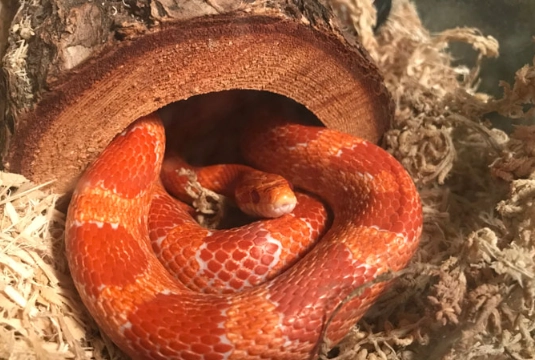
So, you're thinking about getting a snake. Maybe you saw a gorgeous corn snake at a friend's house, or you're fascinated by their quiet, sleek presence. The big question on your mind, the one that brought you here, is probably this: are snakes easy pets to have? Let's cut to the chase. The short, overly simplistic answer is "yes, compared to a dog." But the real, honest answer—the one that actually matters before you bring a living creature into your home—is a resounding "it depends, and here's what that really means."
I've kept snakes for over a decade. My first was a corn snake I bought on a whim, believing the pet store clerk who said it was "the easiest pet ever." I made mistakes. I learned the hard way that "easy" is a relative term in the reptile world. This guide is everything I wish I'd known back then. We're not just going to skim the surface. We're diving deep into the reality of snake ownership, from the genuine perks to the hidden chores, the costs they don't tell you about at the store, and the emotional commitment that's different from a furry friend but just as real.
Key Takeaway Right Off the Bat: Snakes can be low-maintenance but are rarely no-maintenance. Their ease is heavily dependent on three things: you choosing the RIGHT species for a beginner, you setting up the PERFECT environment from day one, and you being comfortable with their unique brand of pet care (which involves frozen rodents). If any of those three pillars wobbles, the experience stops being "easy" real fast.
The Truth About ‘Easy’ – It’s Relative
When people ask, "Are snakes easy pets to have?", they're usually comparing them to a dog or a cat. On that scale, sure, they score high. No daily walks. No constant begging for food. No midnight barking. They're clean, odorless if cared for properly, and incredibly space-efficient. You can leave for a weekend without arranging a petsitter (as long as heating is stable). That's the allure.
But here's the flip side, the part that gets glossed over. Snake care is a science of consistency. Their entire world is a glass or plastic box. Their health, happiness, and longevity are 100% dependent on you recreating a sliver of their native habitat with pinpoint accuracy. Temperature gradients, humidity levels, secure hides, appropriate substrate—get these wrong, and your snake will stop eating, get sick, or worse. It's not like a dog that will just be unhappy if its bed is a bit lumpy; a snake's environment is its physiology.
And then there's the feeding. This is the biggest make-or-break point for potential owners. Snakes eat whole prey. For most common pet species, that means frozen-thawed mice or rats. You need to be okay with buying frozen rodents in bulk, thawing them in warm water, and offering them with tongs. Some people find this fascinating. Others are utterly repulsed. There's no judgment either way, but you have to be brutally honest with yourself. If the thought of handling a frozen mouse makes you squeamish, then snakes are not easy pets for you to have, regardless of any other factor.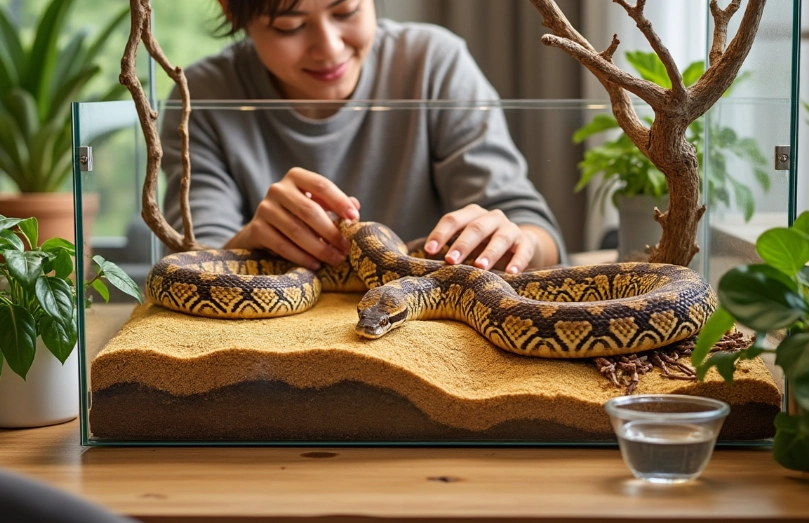
A Quick Reality Check: I've seen too many "easy" pet snakes end up in rescues because the owner couldn't handle the feeding or was freaked out when their 4-foot ball python constricted around their arm (a natural behavior, not aggression). Easy doesn't mean effortless or without moments that challenge a beginner's comfort zone.
Top Snakes for Beginners: The ‘Easiest’ Contenders
Not all snakes are created equal. If you're determined to find out if snakes are easy pets to have, start with one of these species. They're generally hardy, have manageable size, and predictable temperaments. I've ranked them based on a combination of hardiness, feeding reliability, and handling ease.
| Species | Adult Size | Temperament | Key Care Need | Why It's "Easy" |
|---|---|---|---|---|
| Corn Snake | 4-5.5 feet | Typically very docile, curious, active. | Secure enclosure (they are escape artists!). | Incredibly hardy, almost always a great eater, countless color morphs. My top pick for a first snake. |
| Ball Python | 3-5 feet | Very gentle, tends to "ball" up when nervous. | Higher humidity (60-70%) for shedding. | Slow-moving, thick-bodied (easy to handle), famous for being calm. Can be picky eaters, though. |
| California Kingsnake | 3-4 feet | Active and bold, can be food-responsive. | Solitary housing (they are cannibalistic). | Iron-clad immune system, voracious and reliable feeder. More "zippy" than a corn snake. |
| Rosy Boa | 2-3.5 feet | Placid, slow-moving, tolerant. | Lower humidity, needs a thermal gradient. | Small size, minimal feeding issues, very simple husbandry requirements. A true "low-maintenance" gem. |
| Gopher Snake | 4-6 feet | Can be defensive initially but tame well. | Good space for exploration. | Extremely hardy, great eaters, and fascinating to watch as active foragers. |
See that note about ball pythons and picky eating? That's a classic example. A ball python might be physically easy to handle, but if it goes on a 6-month hunger strike (which they are notorious for), the stress for a new owner is immense. Is that "easy"? For some, the handling ease outweighs the feeding worry. For others, a corn snake's bulletproof appetite makes it the easier choice. It's personal.
My personal journey? I started with the corn snake. I loved its activity level. But a friend started with a ball python and was in tears every week it refused food. She eventually got the hang of it, but it was a rocky start. That's why the "best beginner snake" debate rages on—it depends on what you value more: handling or feeding reliability.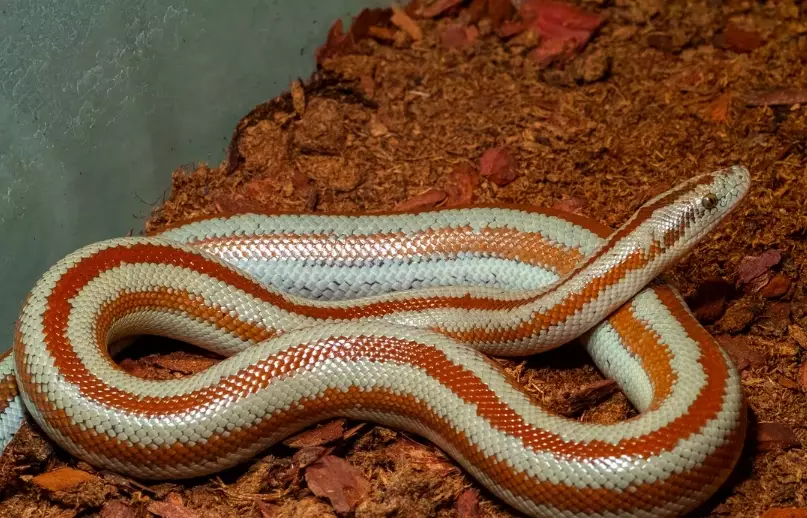
The Real Cost of a Pet Snake (It's Not Just the $30 Pet Store Price Tag)
This is where many blogs fail. They'll tell you snakes are cheap. Compared to a purebred dog's upfront cost, yes. But the initial setup is where the investment lies. Buying a snake on a whim with a flimsy tank and a cheap heat pad is a recipe for vet bills and a dead pet. Let's break down the real, non-negotiable costs.
The Initial Investment (One-Time & Major Upgrades): This is the big hurdle. You can't skip this.
- Enclosure: A proper PVC or well-secured glass/wood terrarium. For an adult corn snake, a 40-gallon breeder is the minimum, but 75-gallon is better. ($150 - $400+)
- Heating: Overhead ceramic heat emitter or deep heat projector with a protective guard + a high-quality thermostat. Heat mats are often insufficient as a sole heat source. ($80 - $150)
- Lighting/Thermostat: A simple LED for a day/night cycle. The thermostat is NON-NEGOTIABLE to prevent burns. ($50 - $100)
- Hides & Decor: At least two snug hides (one warm, one cool), a water bowl big enough for soaking, branches, fake plants. ($50 - $100)
- Substrate: Aspen shavings, coconut husk, cypress mulch depending on species. ($20 - $30)
- The Snake Itself: From a reputable breeder, not a pet mill. ($50 - $200 for a common morph).
Total Realistic Startup Cost: $400 - $1,000. Yes, you can piece together cheaper used gear, but the thermostat and proper heating should never be compromised on.
Then there are the running costs:
- Food: Frozen rodents. A juvenile might eat a pinky mouse every 5 days ($1 each), an adult rat snake might eat a large rat every 2 weeks ($4-$6 each). Bulk buying saves money. (~$5 - $25/month)
- Electricity: That heat lamp runs 24/7/365. It adds up, maybe $5-$15 to your monthly bill.
- Substrate Replacement: Spot cleaning daily, full changes monthly. ($10 - $20/month)
- Vet Fund: Exotic vets are specialist and expensive. A simple check-up can be $80, treatment for a respiratory infection can run $300+. You must have a vet fund.
So, are snakes easy pets to have financially? The monthly costs are low, but the barrier to entry is significant. It's a classic "pay more now, pay less later" scenario. Skimping on the setup is the #1 reason people end up thinking snake care is hard—they're constantly fighting incorrect temperatures and a stressed, sick animal.
Setting Up for Success: The Habitat is Everything
Alright, let's say you've picked your species and budgeted for the setup. Now, the fun (and crucial) part: building the world. This is where you directly control how "easy" or "hard" your snake ownership will be. A perfect setup runs on autopilot; a bad one is a daily crisis.
The Non-Negotiables: Heat, Humidity, Hides
Heat Gradient: This is the most critical concept. One end of the tank (the "warm side") needs to be at the species-specific perfect temperature (e.g., 88-92°F for a corn snake's warm spot). The other end (the "cool side") needs to be about 10-15 degrees cooler (75-80°F). The snake moves between them to regulate its body temperature. You achieve this with an overhead heat source on one side, controlled by a thermostat probe placed at the level the snake rests. A heat mat under the tank often fails to affect the air temperature the snake actually lives in.
Humidity: This isn't just about shedding. Chronic low humidity causes life-threatening respiratory infections. A ball python needs 60-70%, a corn snake needs 40-60%. You measure this with a digital hygrometer (not the cheap analog stick-ons). You raise humidity by using a moisture-holding substrate (like coconut fiber), having a large water bowl, and occasionally misting. Too high is also bad—it causes scale rot. It's a balance.
Hides & Security: Snakes are prey animals. They need to feel invisible. Two identical, snug hides (one on the warm side, one on the cool side) are mandatory. If the hide is too big, they don't feel secure. I use simple, opaque plastic boxes with an entrance hole sanded smooth. Fancy half-log hides look nice but are too open on both ends—they stress the snake out. Clutter (fake plants, branches) in the middle makes them feel covered while moving.
Choosing the Right Enclosure
The old-school screen-top glass aquarium is okay, but it's terrible at holding heat and humidity. You'll be fighting it constantly. Front-opening PVC enclosures are the modern gold standard. They're lightweight, insulate heat perfectly, hold humidity, and open from the front (less threatening than a hand coming from above). They look sleek, too. Brands like Animal Plastics or DIY cages from companies like Zen Habitats are popular. This is the single best upgrade you can make for long-term ease of care.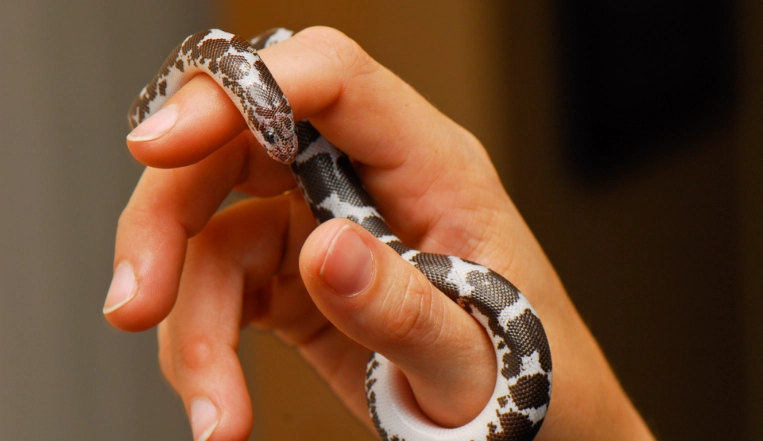
The Daily, Weekly, and Monthly Routine
So what does "easy" look like on a day-to-day basis? Let's walk through it.
Daily (5 minutes): Check temperatures on the digital thermometers. Make sure the lights/heating are on. Spot clean any urates or feces. Check the water bowl, refill if needed. That's it. Most days, it's just a glance.
Weekly (10-15 minutes): Change the water completely and scrub the bowl to prevent bacterial slime. Do a more thorough check for waste in the substrate. For growing juveniles, this is usually feeding day. Thaw the frozen rodent in a sealed bag in warm water, offer with tongs, then leave the snake completely alone for 48 hours to digest.
Monthly (30-60 minutes): Full enclosure breakdown. Remove all decor and the snake (into a secure temporary tub). Dispose of all substrate. Scrub the entire enclosure, hides, and decor with a reptile-safe disinfectant (like F10SC or diluted chlorhexidine), rinse thoroughly. Dry, add new substrate, put everything back. This prevents mite infestations and keeps things sanitary.
Honestly, the routine is simple. The complexity isn't in the chores; it's in the vigilance. You're not walking a dog, but you are constantly monitoring numbers on a screen (temp/humidity) and observing animal behavior. Is the snake spending all its time in the water bowl? Humidity might be too low. Is it constantly pressed against the glass near the heat? The thermostat might have failed. This observational skill is what separates an easy experience from a fraught one.
Handling and Interaction: What to Really Expect
This is a big one. Snakes are not cuddly. They do not love you. They tolerate you, and at best, they learn you are not a threat. The interaction is one-sided, but for many keepers, it's deeply rewarding in its own quiet way. Handling is for your benefit, not theirs. Always wait 48 hours after feeding. Approach calmly from the side, not from above like a predator. Support their body fully. Keep sessions short (10-15 minutes) a few times a week for a well-established pet.
Will it bite? Any animal with a mouth can bite. Defensive bites from a non-venomous constrictor are startling but not medically significant—like a pinprick and maybe a bit of bleeding. Most bites are due to feeding error (smelling like food) or startling the snake. I've been bitten a handful of times in ten years, always my fault (reaching into a cage smelling like mouse, mostly). It's part of the hobby. If the idea of a possible bite terrifies you, this might not be for you.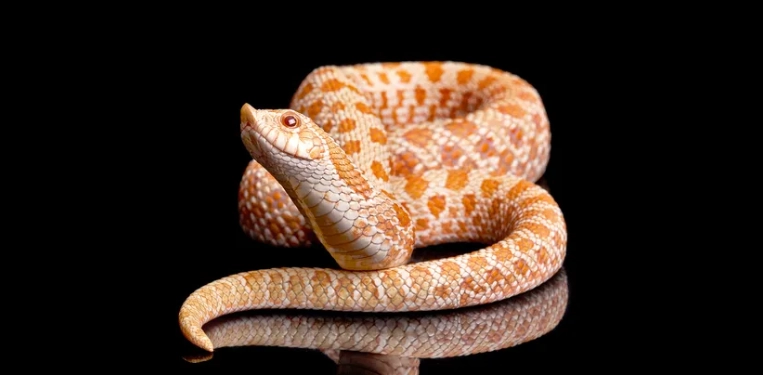
Pro-Tip for Confidence: When you first get your snake, don't handle it for a full week. Let it settle in, take its first meal successfully. Then start with very short, calm sessions. This builds trust and makes the snake much easier to handle long-term.
Common Health Issues: Knowing When It's Not Easy
A healthy snake in a perfect setup is incredibly easy. A sick snake is a nightmare of stress, expense, and heartache. Most health problems are directly caused by incorrect husbandry. Here’s what to watch for:
- Respiratory Infection (RI): Wheezing, bubbles in mouth/nose, mucus, holding head up oddly. Caused by low temperatures or chronic incorrect humidity. Requires an exotic vet immediately.
- Mites: Tiny black/red parasites moving on the snake or in the water bowl. They look like pepper. A huge pain to eradicate. Requires treating the snake and nuking the entire enclosure. Quarantine new snakes for 3 months to prevent this!
- Stuck Shed (Dysecdysis): Incomplete sheds, especially eye caps left on. Caused by low humidity. Can lead to blindness if eye caps aren't removed. A good exotic vet or experienced keeper can help, but prevention via proper humidity is key.
- Scale Rot: Blister-like lesions or discolored scales on the belly. Caused by chronically wet, filthy substrate.
- Regurgitation: The snake vomits its meal. This is serious. Causes include handling too soon after feeding, temperatures too low for digestion, illness, or a prey item too large. If it happens, skip the next feeding cycle and consult a vet if it repeats.
Having a relationship with an exotic vet before you have an emergency is part of responsible ownership. The Association of Reptilian and Amphibian Veterinarians (ARAV) has a find-a-vet tool. Use it.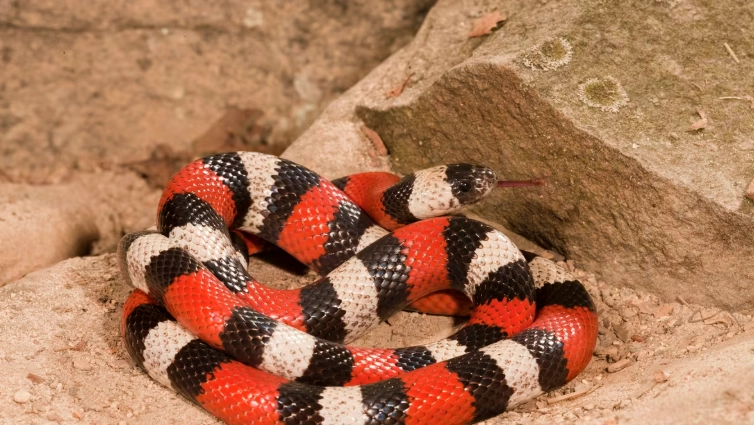
The Ethical Considerations & Long-Term Commitment
Snakes live a long time. Corn snakes regularly live 15-20 years. Ball pythons can live 30+ years. You are making a decades-long commitment to a creature that will never show affection in a mammalian way. Are you ready for that? What happens if you go to college, get a new job, have a baby? The reptile rescue networks are full of "easy" pet snakes that became inconvenient.
Also, always buy captive-bred. Wild-caught snakes are often riddled with parasites, incredibly stressed, and their capture damages wild populations. A reputable breeder will provide hatch dates, feeding records, and lineage. They are invested in you succeeding. Support them.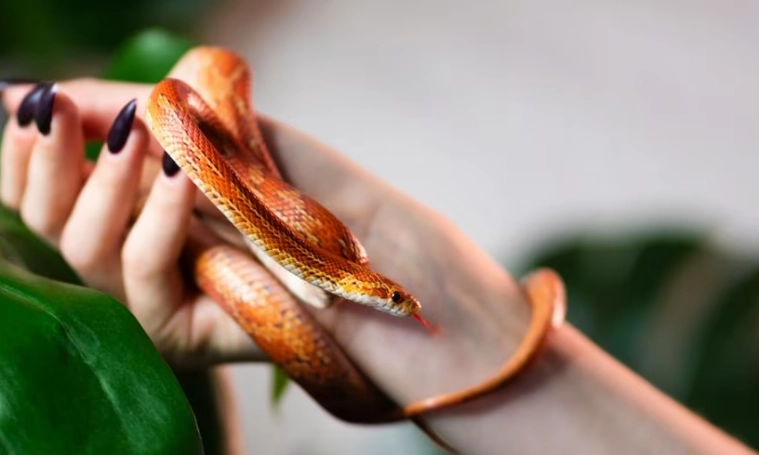
Frequently Asked Questions (The Stuff You're Actually Searching For)
Let's tackle the specific questions swirling in your head right now.
Are snakes easy pets to have for a child?
As a family pet supervised by a dedicated, knowledgeable adult, yes, certain species are great. The adult is responsible for the habitat, feeding, and health. The child can learn about responsibility, biology, and gentle handling under close supervision. Never make a child solely responsible for a snake's life. The snake will suffer.
What is the absolute easiest snake to take care of?
Based on a balance of hardiness, feeding response, and simple needs, my vote goes to the Corn Snake. The Rosy Boa is a very close second due to its smaller size. The Corn Snake just has a slightly more forgiving margin for error in humidity and is an even more enthusiastic eater.
Do snakes recognize their owners?
Not in the way a dog does. They lack the brain structures for complex emotion or bonding. However, they can absolutely learn to recognize your scent as non-threatening. A well-handled snake will be calm and exploratory with you, and defensive or hiding with a stranger. It's habituation, not affection, but the result is a pleasant, trusting animal.
How often do you actually handle a pet snake?
2-3 times a week for 10-20 minutes is plenty for most species. Always skip handling for 48 hours after a meal, during a shed cycle (when their eyes go blue), or if they seem stressed. Listen to the animal.
Is it cruel to keep a snake in a tank?
This is a vital ethical question. A snake's primary needs are thermal regulation, security, and food. In the wild, they spend 90% of their time hiding in a burrow or under a log. A well-designed enclosure that provides the correct heat gradient, multiple secure hides, and enrichment (things to climb on, explore) satisfies all their instinctual needs. A barren, incorrectly heated tank is cruel. A thoughtfully crafted habitat is not. The quality of the space matters infinitely more than its raw size.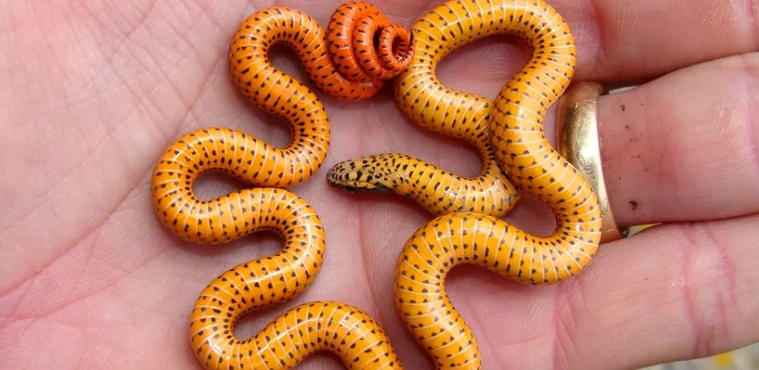
Final Verdict: So, Are Snakes Easy Pets to Have?
Let's wrap this up. After all this detail, what's the final answer?
For the right person, snakes can be wonderfully low-maintenance, fascinating, and deeply rewarding pets. The "right person" is someone who:
- Is a detail-oriented planner (setting up the habitat correctly).
- Is comfortable with the feeding process.
- Appreciates observing natural behaviors over receiving affection.
- Has the financial means for a proper setup and vet care.
- Is prepared for a commitment measured in decades.
If that sounds like you, then yes, exploring whether snakes are easy pets to have is a worthwhile journey. Start with a captive-bred corn snake or ball python from a good breeder. Invest heavily in the enclosure and heating/thermostat system upfront. Join online communities like those on Reptile Forums or the United States Association of Reptile Keepers (USARK) for support. Do your homework.
If you want a pet to cuddle on the couch, show excitement when you come home, or interact with you playfully, get a mammal. A snake will disappoint you. But if you want a living piece of wilderness in your home, a lesson in ecosystem management, and a serene, beautiful creature to care for, then a snake might just be your perfect "easy" pet.
My corn snake, Ember, is over ten years old now. Her care is automatic. I spend maybe an hour a month actively tending to her. She's healthy, curious, and a constant source of quiet fascination. For me, that's the definition of easy. But it took work, research, and upfront investment to get here. That's the trade-off. The ease is earned.
I hope this honest, detailed guide helps you make the right decision. It's a big one. Good luck.




Join the Conversation