You're searching for a small pet, but you don't just want something to look at. You want a friend. A companion that actually enjoys your company, that settles into your lap, that seems happy when you pick them up. The good news is, they exist. The better news is, choosing the right one isn't just about picking the cutest face—it's about matching their needs and personality with your lifestyle. I've kept small animals for over a decade, and the biggest mistake I see is people getting a pet based on a viral video, only to find out it hates being touched. Let's fix that.
What You'll Find in This Guide
The Top 5 Small Animals That Thrive on Human Contact
Not all small pets are created equal when it comes to handling. Some tolerate it, some fear it, and a special few genuinely seek it out. This list is based on species-wide temperament, but remember, individual personality always plays a huge role.
| Animal | Why They Like Being Held | Key Care & Handling Notes | Best For |
|---|---|---|---|
| Guinea Pig | Incredibly social "herd" animals. They communicate with constant chirps, purrs, and wheeks, and often fall asleep on a trusted human. Their calm nature makes them perfect lap pets. | NEVER house alone—they need a guinea pig friend. Require large space (C&C cages), daily vitamin C, and gentle, full-body support when held. Start with lap time on the floor. | Families with gentle children, first-time owners seeking a vocal, interactive friend. |
| Rat | Shockingly intelligent and empathetic. They form deep bonds, learn their names, and will actively seek you out for play and cuddles. Many enjoy curling up in a hoodie pocket or on a shoulder. | Must be kept in same-sex pairs/groups. Need a tall, stimulating cage. Prone to respiratory issues, so bedding choice is critical. Handle daily from a young age. | Experienced owners or dedicated beginners who want a smart, dog-like companion in a small package. |
| Chinchilla | While not traditionally "cuddly," they show affection through closeness and gentle nibbles. A bonded chinchilla will hop onto you, sit on your head, and enjoy long, calm petting sessions. | Extremely delicate bones—never squeeze. Dust baths, not water baths. Cool temperature required. Their trust is earned slowly but is incredibly rewarding. | Patient owners with a quiet home, who enjoy observing unique behaviors as much as physical cuddling. |
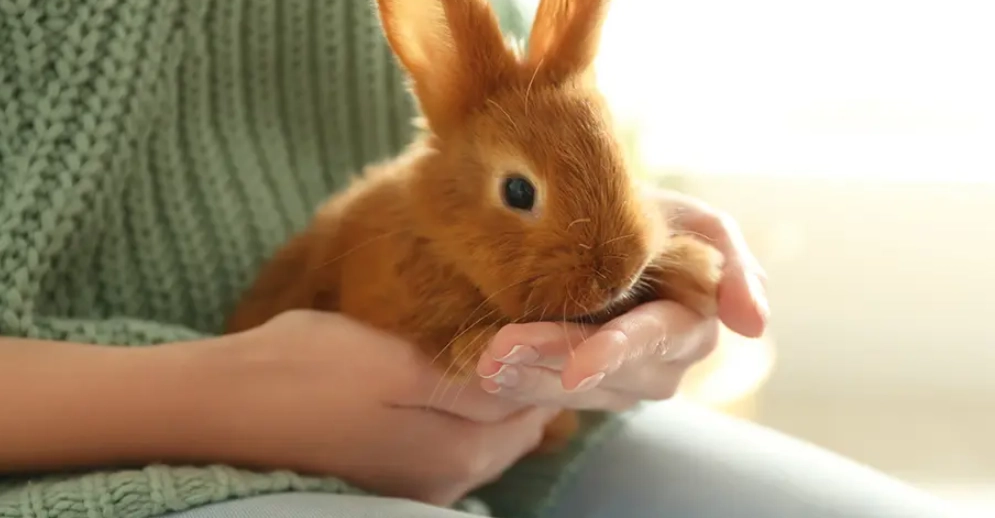
| Rabbit | A well-bonded, spayed/neutered rabbit is the ultimate cuddle bug. They will nudge you for pets, flop beside you, and some even enjoy being held like a baby (on their back, fully supported). | Not cage animals—need free-roam or large pen space. Require litter training and lots of hay. Must be spayed/neutered for good temperament. Picking up can be stressful; bonding is often done at floor level. | Commitment-ready owners who treat them like a cat or dog, not a cage pet. |
| Certain Mouse & Rat-Tail Dwarf Hamsters | Selectively bred for docility. With immense patience and daily, positive interaction from a very young age, some can become hand-tame and will sit calmly for short periods. | This is the exception, not the rule for hamsters. Most Syrian and common dwarf hamsters are solitary and nocturnal, disliking daytime handling. Success depends heavily on breed, individual, and relentless, gentle taming. | The ultra-patient enthusiast who understands this is a project and respects the animal's independent nature. |
See that last entry? That's a crucial, often-missed point. The pet industry sells the idea of the "cuddly hamster," but for most species, it's a fantasy. You'll save yourself and the animal a lot of stress by picking a species whose natural instincts align with your desire for snuggles.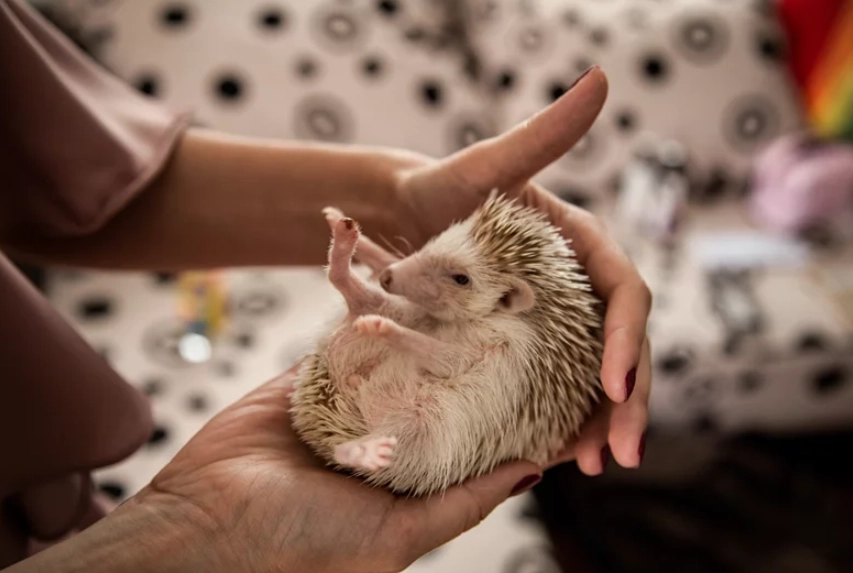
How to Choose Your Cuddly Companion
This isn't just about what you want. It's a two-way street. Think of these questions as a compatibility quiz.
Ask Yourself: How much time do I have daily for direct interaction (not just cleaning)? What's my budget for a proper setup (which is always more than the pet store starter kit)? Am I home during the day or evening (considering nocturnal animals)? Do I have other pets? How gentle are the kids in my house, if any?
Let me give you a real example. A friend wanted a "cuddly" pet for her apartment. She worked long hours and loved the idea of a rabbit. I warned her about their need for space and company. She got one anyway, kept it in a small cage, and wondered why it was destructive and skittish. She rehomed it to a family with a garden and got two guinea pigs instead. Their vocal greetings when she came home and their contentment during evening TV time on her lap were the perfect match. The species was wrong initially; the lifestyle fit was off.
Your local small animal rescue is a goldmine for this. You can meet adults whose personalities are already established. Want a guinea pig that's already a proven lap potato? A rabbit that's litter-trained and seeks affection? Rescues know this. Pet store babies are a gamble.
The Setup Matters More Than You Think
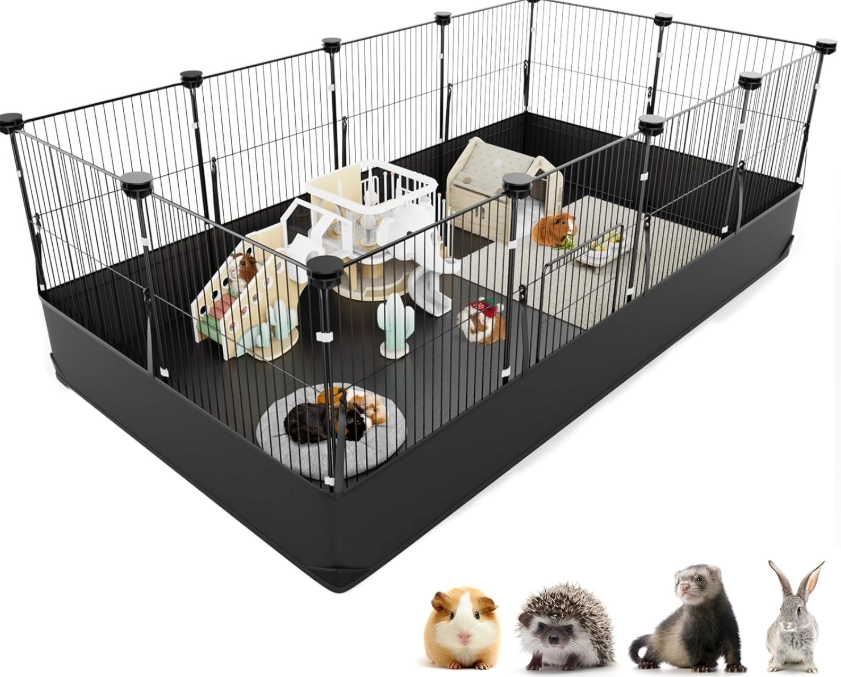
A scared animal will never want to be held. Their habitat is their security. A proper cage isn't a prison; it's their safe base camp. For guinea pigs, that means a minimum of 8 square feet for two, but 10-12 is better. For rats, a tall, multi-level cage with hammocks and hiding spots. Skimp here, and you're building your bond on a foundation of stress. The American Society for the Prevention of Cruelty to Animals (ASPCA) and House Rabbit Society have excellent, updated guidelines on space requirements that dwarf what most commercial cages offer.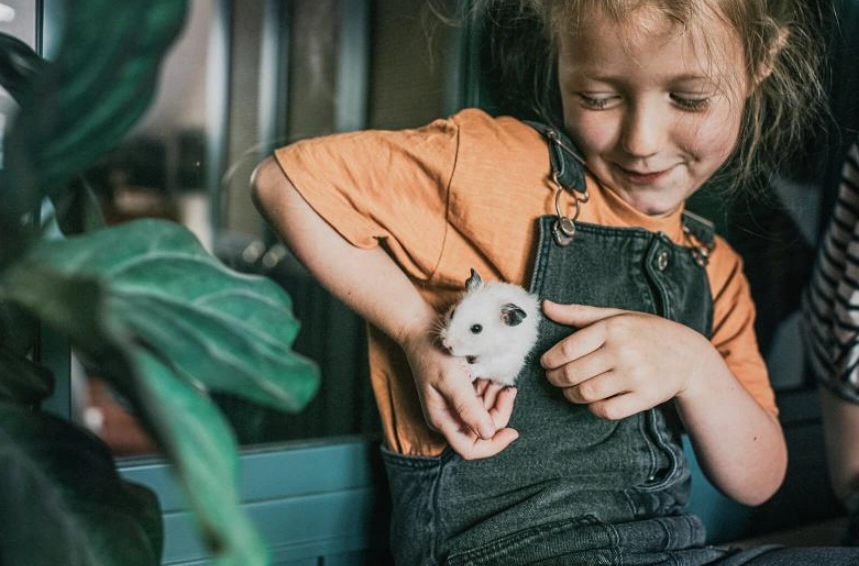
Building a Bond: It's Not Just About Holding
This is where the magic happens, and where most guides stop. Holding is the result of trust, not the first step.
Forget grabbing. Start with presence. Sit by their open enclosure and read a book. Let them come investigate you. Offer high-value treats from your open palm: a bit of cilantro for a guinea pig, a pea for a rat, a tiny piece of oat for a chinchilla. Move slowly. Talk softly. I spend the first week with any new pet just being a boring, predictable, treat-dispensing piece of furniture.
The first "hold" should barely be a lift. For a guinea pig or rabbit, lure them onto a towel on your lap while you're on the floor. For a rat, let them walk from the cage door onto your arm. The goal is to make the experience so neutral or positive that they choose to stay. If they scramble, the session is over—no drama. You've just learned their threshold.
One subtle mistake? Holding them facing outward, away from your body. For prey animals like guinea pigs and rabbits, this feels exposing and terrifying. Always support their full weight and let them tuck their face into the crook of your elbow or against your chest. You're a hiding spot, not a observation platform.
Consistency beats duration. Five calm, positive minutes every day is worth more than a forced thirty-minute session once a week.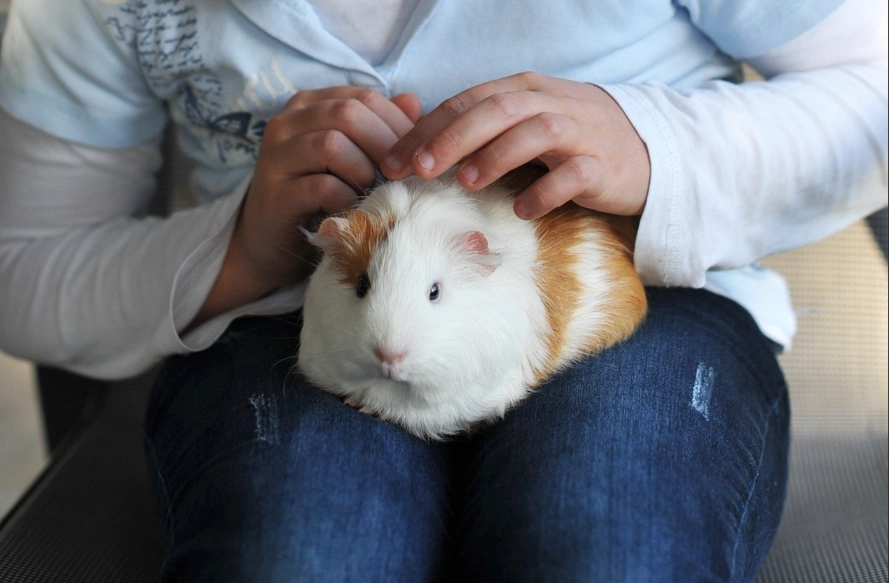
Your Questions, Answered
I live in a small apartment and work 9-5. What's the best "cuddly" pet that won't be lonely?
Look at rats or guinea pigs, but with a non-negotiable condition: you must get at least two. They keep each other company. For your schedule, focus on quality morning and evening interaction. Set up their cage in your living area so they're part of the household vibe. A solo animal in this scenario will likely develop behavioral issues from loneliness, no matter how much you love them.
My child wants a pet to hold, but I'm worried about small animals being fragile or biting.
This is a parent-and-pet partnership. An adult guinea pig from a rescue can be a great choice—they're sturdier than a baby and their temperament is known. The key is supervision and teaching proper handling: sitting on the floor, petting first, and only picking up with two hands, fully supported. The bite risk plummets when the animal isn't frightened. The parent must be the primary caregiver; the child helps with feeding and supervised lap time.
 I got a hamster hoping to cuddle it, but it sleeps all day and runs away at night. Did I get a defective one?
No, you got a normal hamster. Most are strictly nocturnal and solitary. Trying to interact during the day is like someone waking you up at 3 AM for a hug. You can try adjusting your schedule for brief, gentle evening interactions during their active time, but you must drastically lower your expectations. Their world is scent, tunnels, and wheels, not cuddles. Consider if you can appreciate them as a fascinating observer pet, or if rehoming and choosing a more social, diurnal species is kinder for both of you.
How can I tell if my pet actually likes being held or is just tolerating it?
Watch their body language. Signs of enjoyment: relaxed posture, closed or half-closed eyes, gentle teeth grinding (purring in guinea pigs), nuzzling into you, or falling asleep. Signs of stress: frozen stillness, wide eyes, rapid breathing, frantic scrambling, or aggressive grooming right after you put them down. If you only see stress signs, go back a step. More floor time, more treats, less lifting.
 Are there any small animals that should absolutely never be held regularly?
Yes, and this is critical. Most reptiles (like leopard geckos or bearded dragons) tolerate handling but don't seek social comfort from it—it's purely stress management. Small birds can bond strongly, but many species dislike being enclosed in hands. Animals like hedgehogs, sugar gliders, or degus have highly specialized needs and social structures; they are not beginner pets and often do not interpret holding as affection. Always, always research the specific ethology of the species before assuming it wants a cuddle.

Join the Conversation