Figuring out what to feed your rabbit every single day feels like a big responsibility, doesn't it? One wrong move and you're worried about their sensitive stomach. Let's cut through the confusion. A proper daily diet isn't about fancy recipes; it's about getting four simple pillars right: unlimited hay, measured pellets, fresh veggies, and clean water. Get this foundation wrong, and you'll face vet bills and an unhappy bunny. Get it right, and you're on the path to a thriving, energetic companion for years.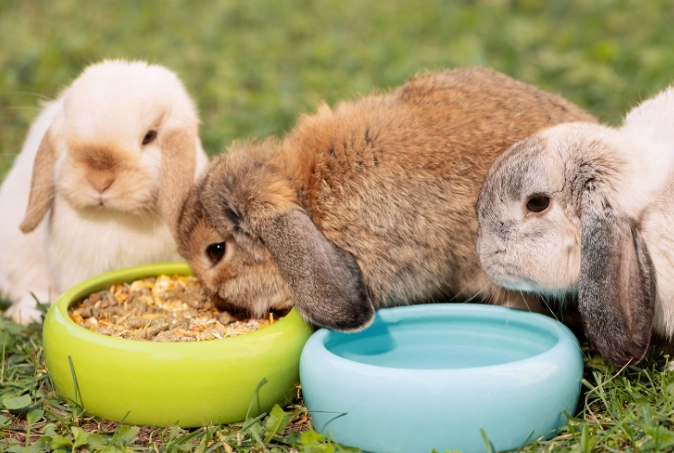
Your Quick Guide to Rabbit Nutrition
Why a Rabbit's Diet is So Critical (It's All About the Gut)
Rabbits are hindgut fermenters. That's a fancy way of saying their digestive system is a delicate, continuous conveyor belt. Food needs to keep moving to prevent deadly conditions like GI stasis. The wrong food—or not enough of the right food—slows this system down. The cornerstone of this system is fiber, specifically the long-strand fiber found in grass hay. It's not just food; it's the essential roughage that grinds their constantly growing teeth down and keeps their gut muscles active.
Think of their diet as preventative medicine. A diet high in simple carbohydrates (like too many pellets or sugary treats) disrupts the delicate bacterial balance in their cecum. This can lead to an overgrowth of harmful bacteria, diarrhea, and a painful, bloated belly. The House Rabbit Society, a leading authority, states that diet-related issues are among the top reasons rabbits see veterinarians.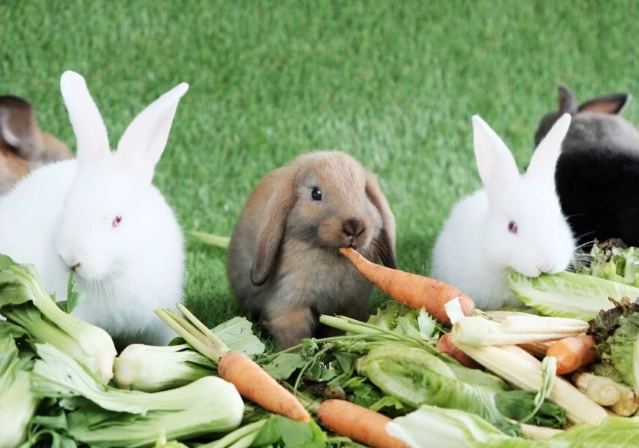
The Four Pillars of a Daily Rabbit Diet
Every meal, every day, revolves around these four components. Ignoring one or getting the proportions wrong is where most problems start.
1. Hay: The 80% Foundation (Not a Suggestion, a Rule)
Fresh, high-quality grass hay should be available 24/7. Your rabbit should be eating a pile of hay roughly the size of its own body every day. Timothy hay is the gold standard for adult rabbits. Orchard grass or meadow hay are excellent alternatives or mixes. Alfalfa hay is for babies, pregnant, or nursing rabbits only—it's too rich in calcium and protein for adults and leads to obesity and urinary sludge.
A common mistake I see? Owners provide a small handful and think it's enough. It's not. Stuff it in racks, pile it in boxes, make it more accessible than their water. The smell should be sweet and grassy, not dusty or musty.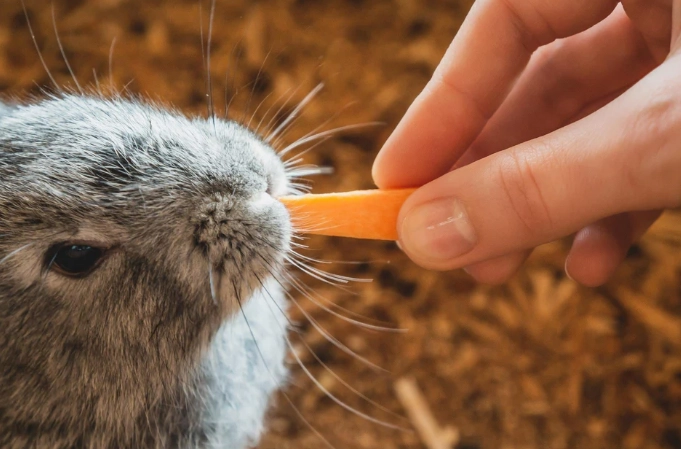
2. Pellets: The Concentrated Supplement (Less is More)
Pellets are not the main course. They are a vitamin-fortified supplement. For an average 5-6 lb adult rabbit, you're looking at 1/4 cup of plain timothy-based pellets per day, max. Yes, that's all. The high-quality ones look boring—just compressed hay and nutrients, no colorful bits, seeds, or dried fruit mixed in. Those "gourmet mixes" are like rabbit junk food, leading to selective feeding where they pick out the sugary bits and leave the healthy stuff.
3. Fresh Vegetables: The Daily Greens
This is where variety comes in. Aim for about 1 packed cup of leafy greens per 2 lbs of body weight daily. Introduce new veggies one at a time and in small amounts to monitor for soft stools.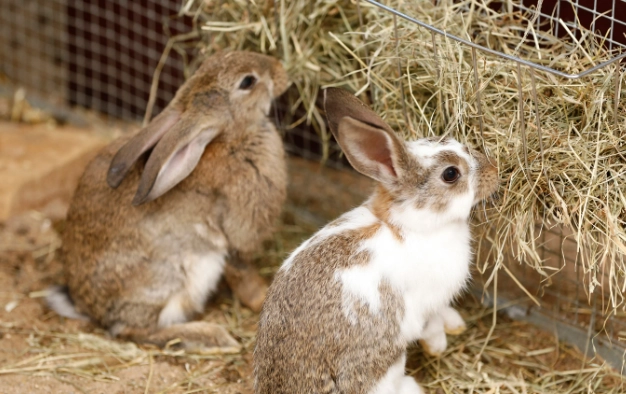
Daily Staples (rotate 2-3 types): Romaine lettuce, green leaf lettuce, red leaf lettuce, cilantro, parsley, bok choy, carrot tops (not the carrot!), endive, radicchio.
Occasional Treat Veggies (1-2 tbsp a few times a week): Carrot (yes, it's a treat!), bell pepper, broccoli florets (tiny amount to avoid gas), zucchini.
Wash everything thoroughly. I remove uneaten veggies after a few hours to prevent spoilage.
4. Fresh Water: The Lifeline
Always available, always clean. Change it daily. A heavy ceramic bowl is best as it mimics a natural drinking position. Some rabbits prefer water bottles; if you use one, check the spout daily to ensure it's not clogged. Dehydration is a fast track to GI stasis.
| Food Type | What It Is | Daily Amount (for 5lb rabbit) | Key Purpose |
|---|---|---|---|
| Grass Hay (Timothy, Orchard) | Unlimited, free-choice | Body-sized pile | Fiber for digestion, dental wear, mental stimulation |
| Timothy-Based Pellets | Measured supplement | 1/4 cup | Provides concentrated vitamins & minerals |
| Fresh Leafy Greens | Variety of vegetables | ~2 packed cups | Hydration, vitamins, enrichment |
| Fresh Water | Clean, changed daily | Unlimited | Essential for all bodily functions |
How to Build Your Rabbit's Daily Feeding Schedule
Rabbits are crepuscular, most active at dawn and dusk. Aligning feeding times with this natural rhythm makes sense. Consistency reduces stress.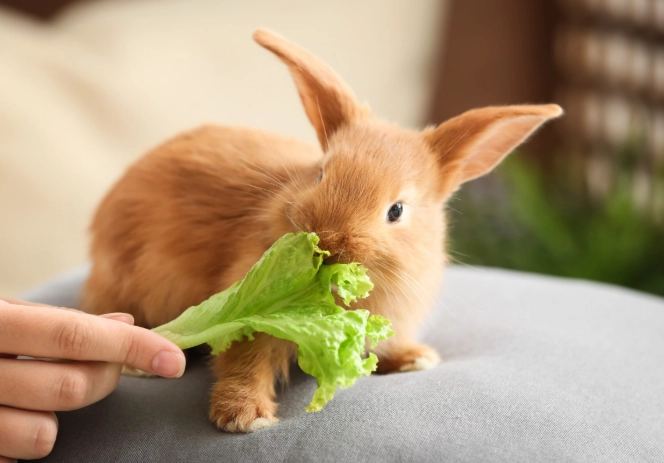
Here’s a sample schedule for a typical adult house rabbit:
Morning (7-8 AM):
1. Refresh the unlimited hay supply. Shake the rack, fluff it up, add a big new handful.
2. Give half of the daily pellet ration (about 2 tablespoons).
3. Provide half of the daily veggies (about 1 cup).
4. Scrub and refill the water bowl.
Evening (6-7 PM):
1. Another hay refresh. This is crucial for overnight munching.
2. Give the second half of the pellets.
3. Provide the second half of the veggies.
4. Check water levels.
This isn't just about feeding; it's enrichment. Scatter pellets in a digging box or hide veggies in a paper bag stuffed with hay to encourage foraging behavior.
Common Feeding Mistakes You're Probably Making
Even with good intentions, it's easy to slip up. Here are the subtle errors that have big consequences.
Mistake 1: Treating pellets like kibble. This is the big one. Filling a bowl with pellets and letting them graze all day destroys their appetite for hay and packs on calories. Measure those pellets strictly.
Mistake 2: Introducing new vegetables too fast or in large quantities. A sudden large serving of kale or broccoli can cause major gas and gut discomfort. Always go slow.
Mistake 3: Feeding the wrong treats. Yogurt drops, seed sticks, bread, crackers—these are all terrible. Safe treats are a tiny piece of fruit (like a blueberry or a slice of apple, no seeds), a small sprig of fresh herbs like mint or basil, or a commercial treat that is literally just dried hay or a single ingredient.
Mistake 4: Not accounting for weight. A Netherland Dwarf and a Flemish Giant have vastly different needs. Adjust pellet and veggie amounts based on your rabbit's ideal weight, not their current one if they're overweight. Your vet can help determine this.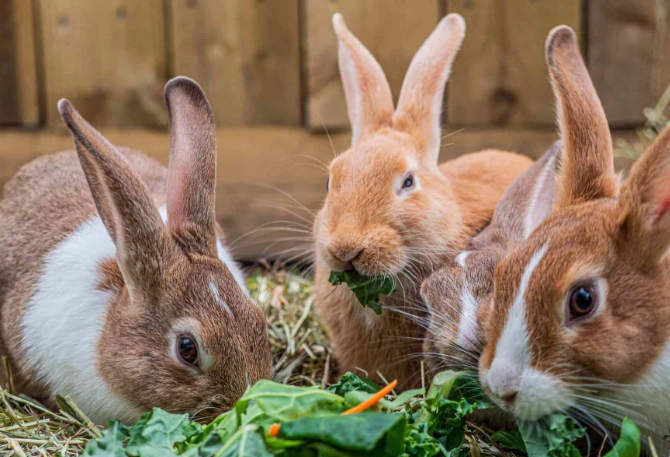
Pro Tips & Advanced Considerations
After years of keeping rabbits and talking to exotic vets, you pick up nuances.
Hay Quality is Everything. Bad hay is worse than no hay. If it's brown, dusty, or smells off, don't feed it. Store hay in a cool, dry place in a breathable container. I buy in bulk from a local farm for freshness and cost savings.
The Transition Game. Need to switch pellets or hay type? Do it over 7-10 days. Mix 25% new with 75% old for a few days, then 50/50, then 75% new. A sudden switch can shut down their digestion.
Senior Rabbits (7+ years) may need adjustments. They might struggle to maintain weight, so a slight increase in pellets or offering some alfalfa hay as a supplement might be needed, but only under veterinary guidance. Dental issues are more common, so ensuring hay is soft and leafy (second-cut timothy) helps.
Research from the University of Edinburgh's Royal (Dick) School of Veterinary Studies emphasizes the link between high-fiber diets and long-term gastrointestinal health in rabbits, supporting this hay-first approach.
Your Rabbit Feeding Questions Answered
Feeding your rabbit isn't complicated once you understand the logic behind it. It's a daily commitment to mimicking what they'd eat in the wild: mostly fibrous grass, supplemented with foraged leaves and the occasional root or berry. Stick to the four pillars—unlimited hay, measured pellets, fresh greens, and clean water—follow a consistent schedule, and you'll have a happy, healthy bunny whose digestive system hums along smoothly. The proof will be in the perfect, round poops in the litter box every morning.




Join the Conversation