Quick Guide
So you've brought home an adult cat, maybe a dignified rescue or a friend's former pet, and you've hit a snag. The litter box is pristine, untouched, while a corner of your favorite rug has become... something else. Frustrating, right? I've been there. A few years back, a gorgeous gray tabby named Gus came into my life. He was sweet, affectionate, and utterly confused by the concept of a litter box. I thought it was instinct! Turns out, litter training an adult cat isn't always automatic.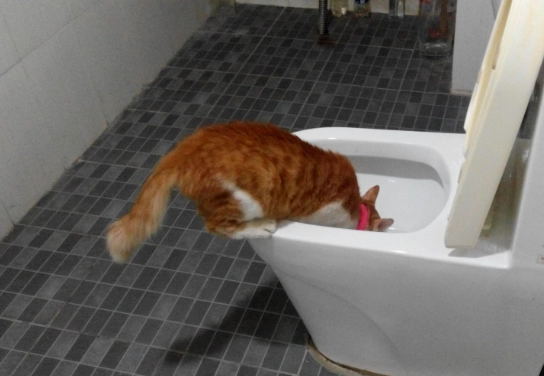
The truth is, while kittens often pick it up from their mothers, older cats can have established preferences, past traumas, or just plain old bad habits. The internet is full of quick tips, but what you really need is a deep understanding of why your cat is avoiding the box and a realistic, step-by-step plan to guide them. That's what this guide is for. We're not just talking about placing a box and hoping for the best. We're digging into the feline mind, setting up for success, and troubleshooting the messy problems. Let's get your cat using the litter box reliably.
First Things First: Why Isn't My Adult Cat Using the Litter Box?
Jumping straight to training without figuring out the "why" is like trying to fix a leaky faucet without turning off the water. You'll just make a bigger mess. When an adult cat avoids the litter box, it's rarely out of spite (despite how it feels). It's communication. Here are the big reasons:
- Medical Issues: This is rule number one, two, and three. A urinary tract infection, bladder stones, arthritis, or diabetes can make using the box painful or create urgency. A sudden change in litter box habits always warrants a vet visit first. No amount of litter training an adult cat will work if pain is the barrier.
- Bad Past Experiences: Was the box kept near a loud appliance? Was it rarely cleaned? Did another cat ambush them there? Cats have long memories for negative associations.
- The Litter Box Itself: It might be too small, too tall (hard for older cats to climb into), have a hood they dislike, or be in a location that feels unsafe or inconvenient.
- The Litter: The texture, scent, or depth might be unpleasant. A cat used to soft, fine-grained litter might reject large, pellet-type litter.
- Stress or Anxiety: Changes in the home, new pets or people, or even rearranged furniture can trigger avoidance. It's a stress signal.
- They Never Properly Learned: Some cats, especially former strays or those kept in poor conditions, simply never had consistent access to a proper litter box.
Setting the Stage for Success: The Pre-Training Checklist
Before you even start the active litter box training for adult cats, get your environment right. Think of this as creating a five-star bathroom that no cat could resist.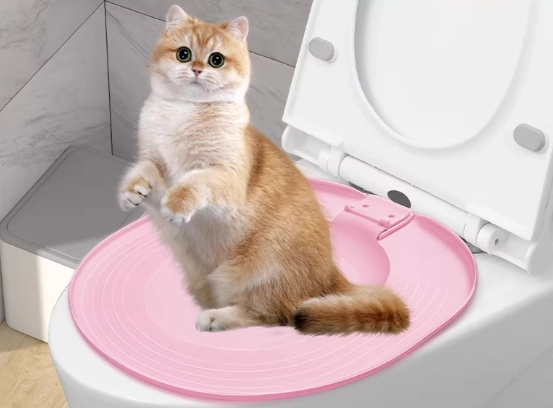
The Golden Rules of Litter Box Setup
You've probably heard "one box per cat, plus one extra." That's a good start, but let's get specific. For an adult cat you're training, especially at the beginning, err on the side of more options.
Location, Location, Location: Place boxes in quiet, low-traffic, but easily accessible areas. Not next to the blaring washing machine. Not in a dark, scary basement. A quiet corner of a spare room or bathroom is ideal. Ensure there's more than one escape route so your cat doesn't feel trapped. Avoid placing food and water bowls right next to the litter box—would you want to eat in your bathroom?
The Box Matters: For larger adult cats, get a big box. I mean, bigger than you think. The standard ones are often too cramped. A low-entry box is crucial for seniors or cats with mobility issues. Hooded boxes can trap odors and make some cats feel vulnerable, so start with an open one. You can find great, detailed guidance on box selection from experts like those at International Cat Care.
The Great Litter Debate: Choosing the Right Substrate
This is where personal preference (your cat's, not yours) reigns supreme. Unscented, clumping litter is a safe bet for most cats. It's soft, easy to dig, and controls odor well. But some cats have strong preferences. Here's a quick comparison:
| Litter Type | Pros | Cons | Best For... |
|---|---|---|---|
| Unscented Clumping Clay | Familiar, easy to scoop, controls odor well. | Dusty, heavy, not eco-friendly. | Most cats; a reliable default choice. |
| Silica Gel Crystals | Superior odor control, long-lasting, low dust. | Texture can be off-putting, noisy, expensive. | Owners seeking low-maintenance; not for picky paws. |
| Recycled Paper Pellets | Very low dust, highly absorbent, eco-friendly. | Doesn't clump, less odor control, texture is unique. | Cats with respiratory issues or post-surgery. |
| Natural Wood or Pine Pellets | Natural scent, affordable, low tracking. | Expands when wet, doesn't clump, pine scent can deter some cats. | Budget-conscious owners; cats who like the feel. |
| Fine-Grain Wheat or Corn | Soft texture, clumps well, flushable (some brands). | Can attract bugs if not stored well, some cats may try to eat it. | Cats who prefer a very soft, sand-like feel. |
My advice? If you don't know your cat's history, start with a plain, unscented clumping litter in a large, open box. You can always experiment later. The ASPCA's guide to litter box problems strongly emphasizes starting simple and avoiding perfumed products, which can be overwhelming to a cat's sensitive nose.
The Step-by-Step Litter Training Process for Your Adult Cat
Okay, the vet gave the all-clear, and you've got the perfect box setup. Now, the actual litter training adult cat routine. Patience is not just a virtue here; it's the main ingredient.
Step 1: Introduction and Confinement
Start small, especially for a new or anxious cat. Confine them to a single, comfortable room (like a bathroom or spare bedroom) with their litter box, food, water, and bed. This isn't punishment—it's reducing variables and making the box the obvious choice. Place the cat gently in the box after meals and naps. Let them sniff and explore it without pressure. Don't hold them there; just let them hop out if they want. The goal is positive association.
Step 2: The Power of Positive Reinforcement
Catch them in the act of using the box correctly? This is a golden moment. Immediately after they finish and are still in or near the box, offer a high-value treat, gentle praise, or a favorite petting session. The timing is crucial—the reward must be linked to the behavior. Never punish accidents. Scolding or rubbing their nose in it only creates fear and anxiety, making the problem worse. You're building trust, not discipline.
Step 3: Gradual Freedom and Box Placement
Once your cat is reliably using the box in their "base camp" for a few days, you can slowly give them access to more of the house. A good strategy is to add a second litter box in the new area they'll explore first. This prevents them from having to trek all the way back to the original room and risking an accident. Continue to praise and reward for successful use.
Step 4: Maintaining the Habit (The Cleanliness Factor)
This is non-negotiable. Cats are fastidiously clean. A dirty box is a major turn-off. Scoop solid waste and urine clumps at least once a day, preferably twice. Completely empty, wash with mild soap (no harsh chemicals like ammonia or strong citrus scents), and refill with fresh litter weekly. If you're using non-clumping litter, you might need to change it even more frequently. A clean box is the single best way to ensure your adult cat litter training success sticks for the long haul.
Solving Common Litter Training Problems and Setbacks
Even with the best plan, you might hit roadblocks. Here's how to handle the most frequent issues.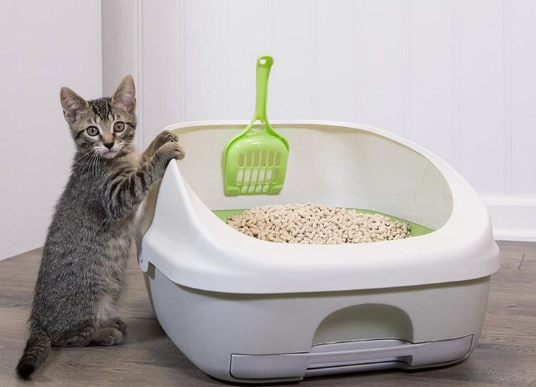
Problem: The Cat Goes RIGHT NEXT to the Box.
This is actually a hopeful sign! It means they connect the general area with elimination but have an issue with the box itself. Is it clean enough? Is the litter type wrong? Is the box too small or covered? Try a larger, open box with a different litter. You can also temporarily place a second box right on the spot where they had the accident.
Problem: The Cat Chooses a Specific Undesirable Spot (like your bed or a rug).
This often signals stress or a territorial marking behavior (especially if it's spraying urine on vertical surfaces). Thoroughly clean the accident area with an enzymatic cleaner designed specifically for pet urine. Regular cleaners don't break down the proteins, and the smell will draw them back. Make the spot unattractive: place a double-sided tape, aluminum foil, or a plastic carpet runner (nub-side up) there. Alternatively, make it a feeding station or play area—cats don't like to soil where they eat. Most importantly, address the stress. Use pheromone diffusers (like Feliway), ensure they have high perches and hiding spots, and maintain a predictable routine.
Problem: The Cat Used the Box Fine, Then Suddenly Stopped.
Backtrack. Rule out medical issues first with a vet visit. Then, think about what changed. New litter? New cleaning product? A visitor's dog? A loud noise near the box? Revert to the basics: confinement, positive reinforcement, and a pristine box. Sometimes, you need to restart the litter training adult cat process from step one, and that's okay.
Advanced Considerations and Your Questions Answered
Once the basics are down, a few extra things can make life smoother.
For Multi-Cat Households
This adds complexity. Ensure you have enough boxes (n+1 rule, in separate locations). Some cats won't use a box another cat has claimed. Provide options. Watch for bullying or blocking access to boxes. Sometimes, one cat's stress can trigger litter box issues in another.
For Senior Cats or Cats with Disabilities
Arthritis is a huge, often overlooked, factor. Provide low-entry boxes (or make a ramp). Place boxes on every floor of your home so they don't have to navigate stairs. Consider softer, dust-free litter that's gentle on old paws. The Humane Society has excellent resources on caring for arthritic pets, and their comfort needs directly impact litter box use.
Your Top Questions on Litter Training Adult Cats
Look, litter training an adult cat can feel like a daunting task. It requires observation, empathy, and a lot of scooping. But when you see that cat finally, consistently, use the box they once ignored, it's incredibly rewarding. You've solved a communication breakdown and built a stronger bond with your pet.
Start with the vet. Set up the ideal box. Be patient and positive. Clean, clean, clean. You've got this. And so does your cat.



Join the Conversation