Let's get straight to the point. The "best" cat litter doesn't exist. Not as a single product you can just buy off the shelf. Anyone telling you that is selling you something. The truth is, the best litter is a three-way match between your cat's preferences, your needs as an owner, and your specific living situation. Get one part wrong, and you'll have a cat who avoids the box or a home that smells like a poorly managed zoo.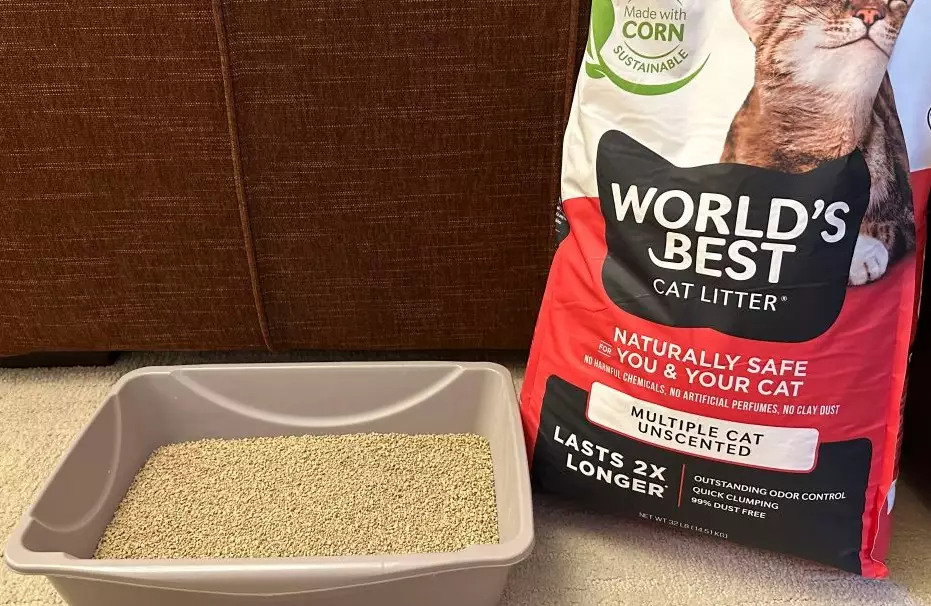
I've been through it all. The clay dust clouds, the tracking of little crystals all over my apartment, the sudden refusal to use the box after a brand change. It took me years and a lot of trial and error (and some expensive mistakes) to figure out that choosing litter is a strategic decision, not an impulsive one.
Your Quick Guide to Cat Litter
The Main Contenders: A Breakdown of Every Litter Type
Think of this as your menu. Each option has its own flavor profile, price point, and potential side effects.
Clumping Clay Litter
The old reliable. Most cats are familiar with it because it's what they used in shelters or breeders' homes. It's made from sodium bentonite clay, which forms a tight, scoopable clump around urine. This is its biggest selling point—easy daily maintenance. You scoop the clumps and poop, and the rest stays clean.
But here's the catch everyone whispers about: dust. Cheap clumping litters can create a fine, white film on everything nearby. If your cat has asthma or you're sensitive to dust, this is a non-starter. It's also heavy, not biodegradable, and the clay is strip-mined. The tracking can be moderate to high, depending on the granule size.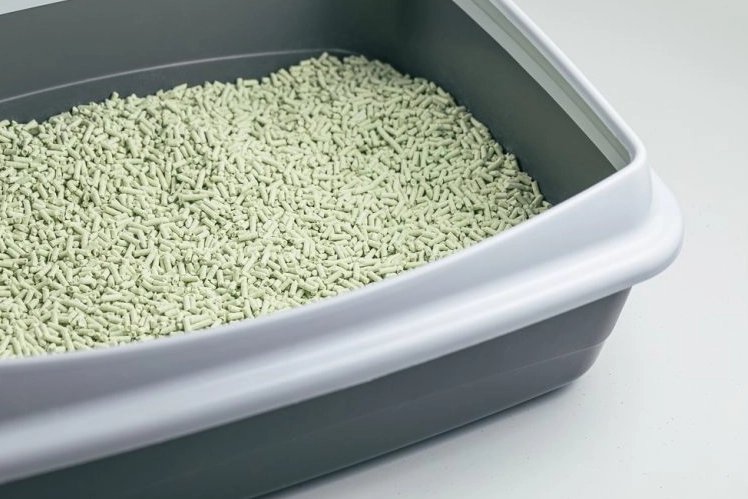
Non-Clumping Clay Litter
The classic. This is the sandy, old-school litter. It absorbs urine but doesn't clump. The whole box needs to be dumped and replaced frequently, often weekly. It's usually cheaper per bag than clumping, but you use more of it faster, so the cost evens out.
Why would anyone use this? Some cats genuinely prefer the softer texture. It can also be lower in dust than some clumping varieties. But the odor control is a constant battle. Once urine saturates the bottom of the pan, the whole box smells until you change it. For single-cat households with diligent owners, it can work. For anyone else, it's a recipe for odor issues.
Silica Gel Crystals
Those clear or white pearls you see. They're made from sodium silicate sand and oxygen. Their superpower is absorption. Silica litter can absorb its weight in liquid and locks urine odor deep inside the crystals. The surface stays dry and clean-looking for a surprisingly long time—sometimes up to a month for one cat. You only need to scoop solid waste.
The downsides? The texture is unusual. Some cats hate the feel under their paws. The crystals are also lightweight and get tracked everywhere, rolling into corners like tiny beads. They can be noisy when scratched. And while low-dust, the fine silica powder that develops as crystals break down isn't something you want to breathe in heavily. It's also one of the more expensive options.
Plant-Based & Biodegradable Litters
This is the fastest-growing category, and for good reason. It includes litters made from corn, wheat, pine, walnut shells, recycled paper, and even grass seed.
- Corn & Wheat: These often clump well, are fairly low-dust, and are flushable (check the brand!). They have a natural, slightly sweet smell. The big warning? If you live in a warm, humid area or don't scoop daily, they can grow mold or attract pantry moths. I learned this the hard way.
- Pine Pellets: Inexpensive and incredibly effective at odor control (they smell like a woodshop). The pellets disintegrate into sawdust when wet. You sift out the sawdust daily. The texture is very different, so some cats refuse it. It tracks very little and is virtually dust-free.
- Walnut Shells: Soft, sandy, clumps decently, and has a natural earthy scent. A solid all-around performer in this category.
The main draw is eco-friendliness and often better natural odor control. The main risk is your cat's acceptance of the novel texture and smell.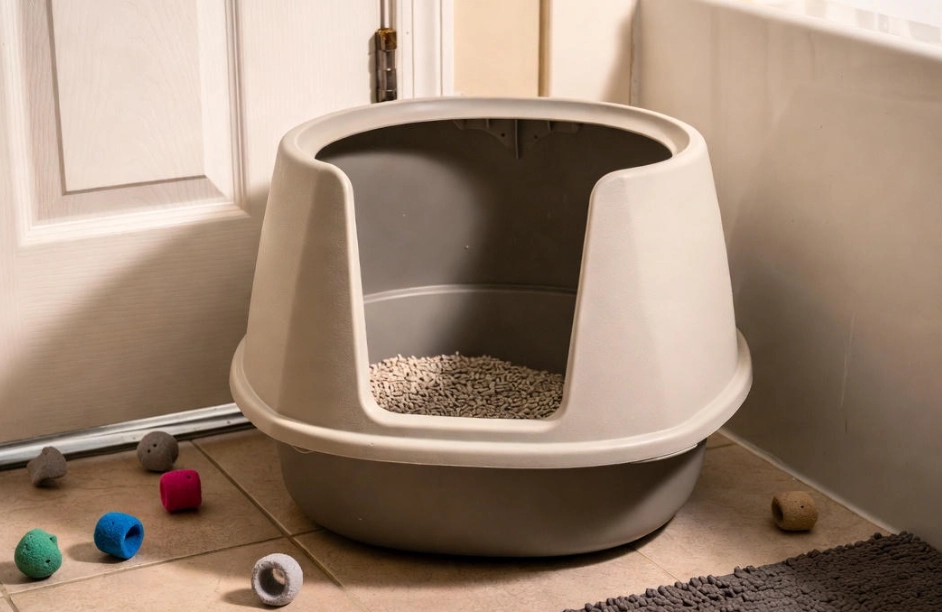
Clay vs. Clumping vs. Everything Else: The Real-World Comparison
Let's put this in a table so you can see the trade-offs at a glance. This is based on my experience and general consensus, but your mileage may vary.
| Litter Type | Clumping Ability | Dust Level | Odor Control | Tracking | Price Point | Best For |
|---|---|---|---|---|---|---|
| Clumping Clay | Excellent | Medium-High | Good (with daily scooping) | Medium | $$ | Most households, multi-cat homes |
| Non-Clumping Clay | None | Low-Medium | Fair (requires frequent full changes) | Low | $ | Budget-conscious owners, cats who prefer fine texture |
| Silica Gel Crystals | None | Very Low | Excellent (for liquids) | High (rolling beads) | $$$ | Small spaces, owners wanting low-maintenance, odor-sensitive people |
| Corn/Wheat | Good | Low | Good | Low-Medium | $$ | Eco-conscious owners, flushable convenience |
| Pine Pellets | N/A (turns to dust) | Very Low | Excellent (natural pine scent) | Very Low | $ | Extreme odor control on a budget, dust-free needs |
See? No perfect column. You're always giving up something to get something else.
How to Choose the Best Litter for YOUR Cat (A Simple Framework)
Stop thinking about what's "best." Start asking these three questions.
1. What does your CAT prefer? This is non-negotiable. A cat's preference is usually about texture and smell. If you adopt an adult cat, try to find out what they used before. Switching cold turkey can cause strikes. Most cats prefer a soft, sand-like consistency (fine clay, corn, walnut). Some don't mind pellets or crystals. If you're unsure, offer two boxes side-by-side with different litters for a week. The cat will vote with its paws.
2. What do YOU need? Be honest about your lifestyle. Are you super busy? A low-maintenance option like silica or a premium clumping litter might be worth the extra cost. Do you have allergies or asthma? Prioritize low-dust or dust-free options like pine, paper, or some crystals. Is odor your biggest nightmare? Look for litters with a proven track record (pun intended): silica, pine, or clumping litters with good carbon additives. On a tight budget? Non-clumping clay or pine pellets are incredibly cost-effective.
3. What's your ENVIRONMENT like? Small apartment? Tracking and odor control become top priorities. You might sacrifice a bit on price. Multiple cats? You need superior odor control and clumping power. Clay or high-quality plant-based clumpers are the go-to. Have a senior cat or a kitten? Avoid harsh perfumes and very deep litter. Kittens sometimes ingest litter, so a natural, non-toxic option like paper or corn is safer.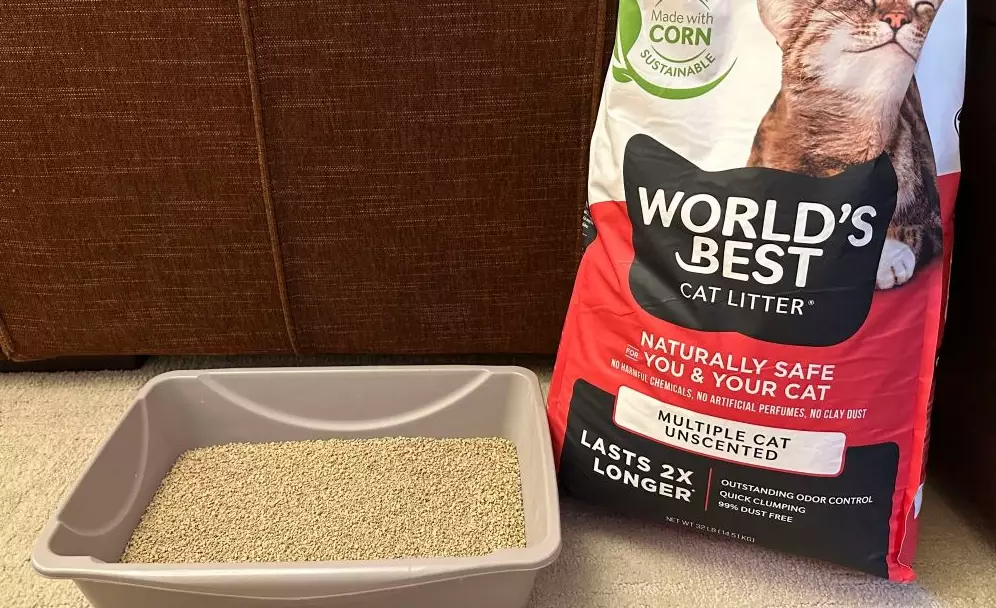
Common Mistakes Even Experienced Owners Make
We all do them.
Changing brands too suddenly. Cats are creatures of habit. Mix the new litter with the old in increasing amounts over 7-10 days.
Choosing scent over function. Heavy floral or "clean linen" perfumes are for you, not your cat. Their sense of smell is 14 times stronger. These scents can be overwhelming and deter use. Unscented or naturally scented (like pine) is almost always better.
Not scooping enough, regardless of litter type. Even the best litter fails if you let waste pile up. Scoop solids daily, at a minimum. For non-clumping, stir the litter daily to distribute moisture.
Ignoring the dust factor. That cloud when you pour isn't just annoying. It settles in your cat's lungs and yours. If you see a visible plume, consider it a deal-breaker.
Your Cat Litter Questions, Answered
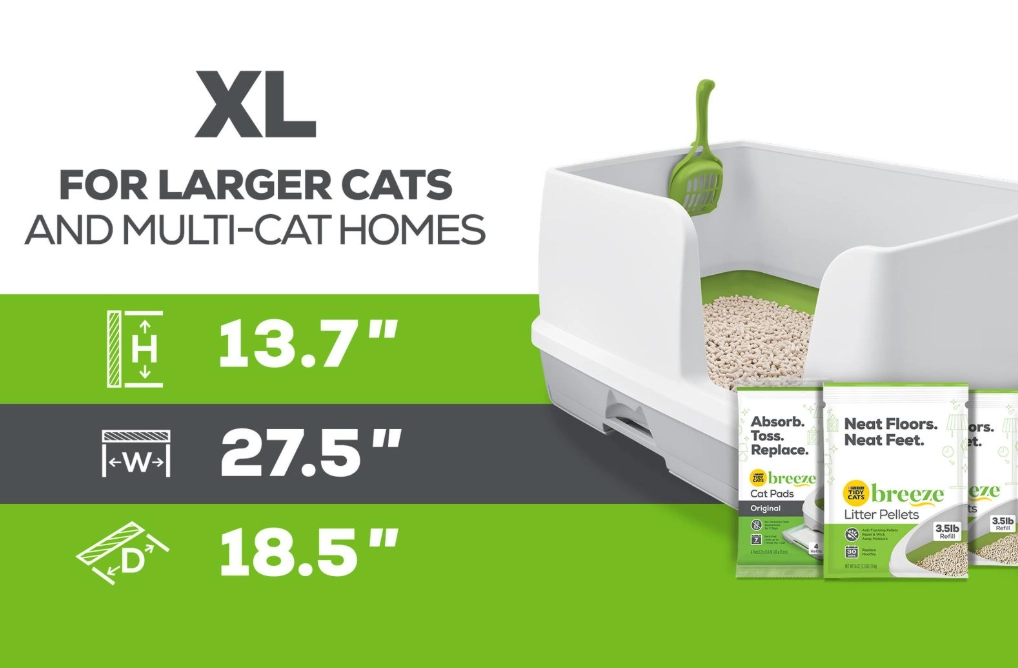 I have multiple cats. Is there one litter type that works best to control the smell?
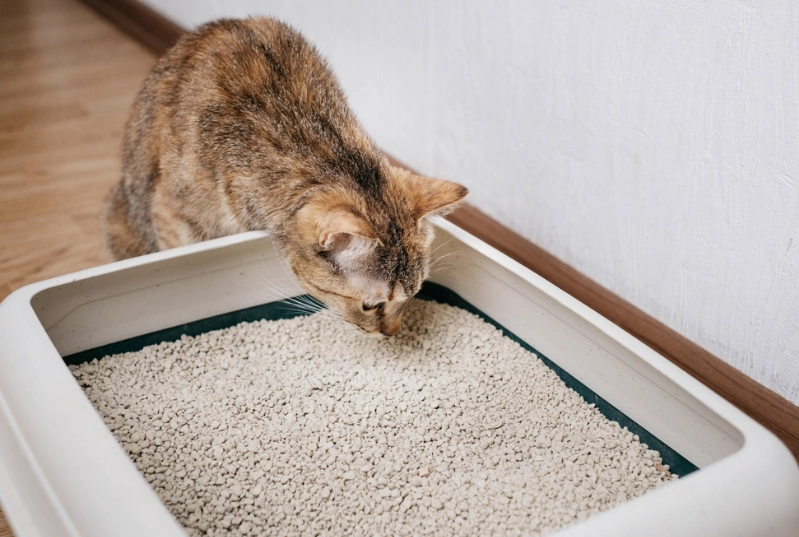 So, what's the best cat litter? It's the one your cat uses consistently, that you can maintain without hassle, and that keeps your home fresh. It might be the pine pellets from the farm store, the mid-range clumping clay, or the fancy silica crystals. Start with your cat's known preference, factor in your non-negotiables (dust, price, smell), and be prepared to experiment a little. When you find the match, you'll know. The box will be used, and your nose will be happy.




Join the Conversation