Feeding your rabbit the correct amount each day isn't just about filling a bowl—it's the difference between a thriving, energetic bunny and one plagued by health issues. After years of rabbit rescue work, I've seen too many pets suffer from simple feeding errors. Let's cut to the chase: an adult rabbit needs unlimited hay, a small portion of pellets, and about a cup of fresh vegetables daily. But that's just the start. The specifics depend on age, weight, and activity level, and getting it wrong can lead to obesity, dental problems, or GI stasis.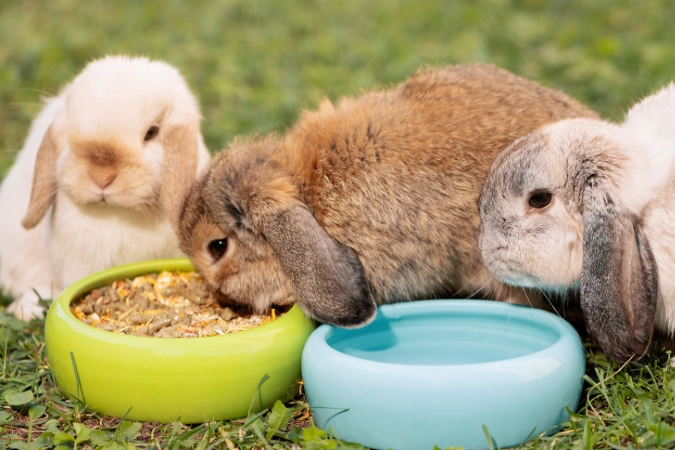
Jump to What Matters
Rabbit Diet Basics: What Makes a Healthy Meal
Rabbits are hindgut fermenters, meaning their digestive system relies on a constant flow of high-fiber food. Think of it like an engine that stalls if you don't keep it running. The House Rabbit Society, a leading authority on rabbit care, stresses that hay should form the bulk of their diet—around 80-90%. Why? Hay wears down their ever-growing teeth, promotes gut motility, and prevents hairballs.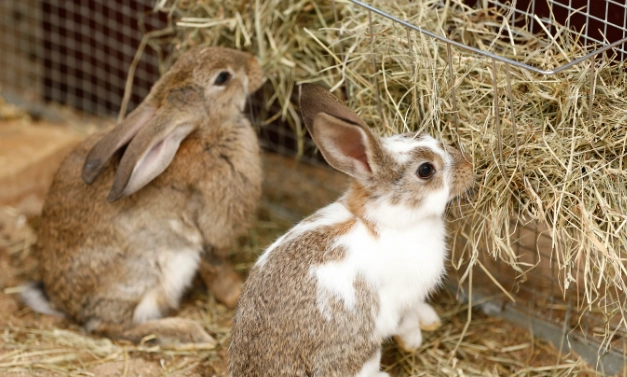
Pellets are often overused. They're concentrated nutrition, not a main course. I recall a case where a rabbit named Thumper gained excessive weight because his owner fed pellets liberally, thinking "more is better." That's a dangerous myth. Vegetables add vitamins and moisture, but some, like iceberg lettuce, offer little nutritional value and can cause diarrhea.
Why Unlimited Hay Isn't Optional
Hay isn't just filler; it's essential. Timothy hay is ideal for adults, while alfalfa hay suits young kits due to higher protein and calcium. If your rabbit ignores hay, try mixing types or placing it in toys. A common oversight: not refreshing hay daily. Stale hay loses appeal, and rabbits might eat less, risking digestive slowdown.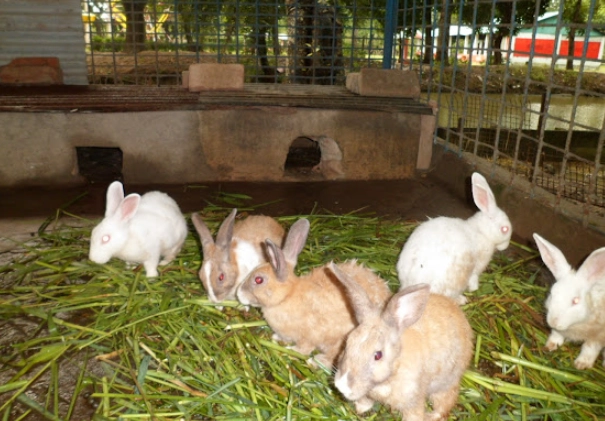
Daily Portion Guide: Exact Amounts by Age
Here's where numbers matter. I've compiled a table based on veterinary guidelines and personal experience. Adjust for your rabbit's metabolism—some are couch potatoes, others zoom around constantly.
| Rabbit Age | Weight Range | Hay (Daily) | Pellets (Daily) | Fresh Vegetables (Daily) |
|---|---|---|---|---|
| Kits (0-6 months) | Under 1 kg | Unlimited alfalfa hay | Unlimited (high-protein) | Introduce slowly after 12 weeks |
| Juniors (7-12 months) | 1-2 kg | Transition to timothy hay | 1/4 to 1/2 cup | 1/2 cup, gradually increasing |
| Adults (1-5 years) | 2-5 kg | Unlimited timothy hay | 1/4 cup per 2 kg body weight | 1 cup per 2 kg body weight |
| Seniors (6+ years) | Varies, often lighter | Unlimited soft hay (orchard grass) | Reduce to 1/8 cup if less active | 1 cup, focus on leafy greens |
Let's break this down with a scenario. Say you have a 3-year-old rabbit weighing 2.5 kg. Each day, provide a pile of timothy hay roughly the size of their body—they should always have access. For pellets, measure out a scant 1/4 cup (about 30 grams). Vegetables? A heaping cup of mixed greens like romaine, cilantro, and bell peppers. Treats like fruit should be tiny, maybe a teaspoon once a week.
What if your rabbit is overweight? Cut pellets first, not hay or veggies. I helped a rabbit named BunBun lose 0.5 kg over three months by reducing pellets by half and increasing exercise. Hay intake stayed high to keep her digestive system moving.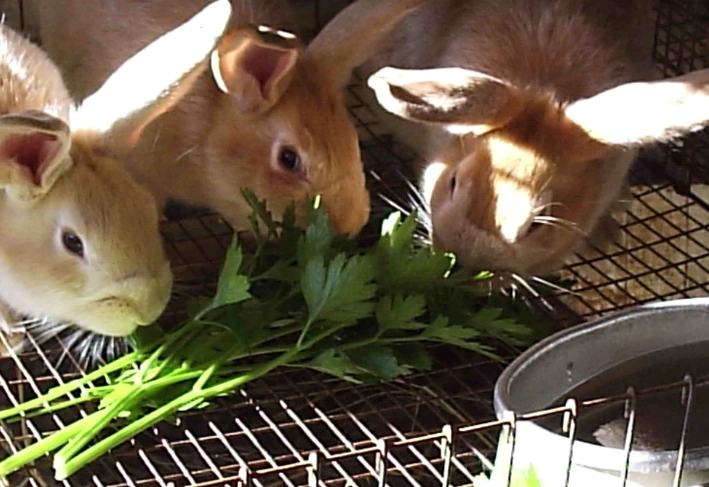
How to Monitor Weight and Adjust Portions
Weigh your rabbit monthly using a kitchen scale. A sudden drop might signal illness, while gradual gain calls for portion tweaks. Feel their ribs—you should detect them easily without pressing hard. If not, they're likely overweight. Adjust pellets downward by 10% and see over two weeks.
Top Feeding Mistakes Even Experienced Owners Make
Many owners think they're doing right but slip up on nuances. Here are three big ones I've encountered repeatedly.
Overfeeding Pellets: Pellets are dense in calories. That "small handful" might be double the recommended amount. Stick to measured portions, and choose plain pellets without colorful bits or seeds—those are junk food for rabbits.
Ignoring Water Intake: Rabbits need fresh water daily, preferably from a bowl rather than a bottle for easier drinking. Dehydration slows digestion, leading to stasis. Check water levels twice a day.
Feeding Inappropriate Vegetables: Not all veggies are safe. Avoid starchy ones like potatoes and limit high-oxalate greens like spinach. A mix of leafy greens is best. I've seen rabbits develop bladder sludge from too much calcium-rich kale.
Your Burning Questions Answered
Feeding a rabbit isn't rocket science, but it demands attention to detail. Start with the basics: unlimited hay, measured pellets, fresh veggies. Watch your rabbit's response—they'll tell you if it's working through their energy and droppings. When in doubt, lean toward more hay, less pellets. And always have a rabbit-savvy vet on call for emergencies.



Join the Conversation