Quick Navigation
Let's cut to the chase. You've got a new furry friend, maybe a fluffy kitten tumbling around your feet or a dignified adult cat you just adopted. The box is set up, the litter is poured, and the big question hangs in the air: how long until this becomes a habit? How long does it take to train a cat to use a litter box, anyway?
The internet is full of quick answers, but the truth is, it's rarely a one-size-fits-all timeline. I remember bringing home my first cat, Mochi, as a kitten. I was braced for weeks of accidents. To my shock, she used the box perfectly on day one. Then I got my second cat, Sushi, and let's just say... the experience was different. It took patience, some detective work, and about ten days. That's the reality of cats – they're individuals.
The short, honest answer is this: for most kittens, the process can be almost instantaneous to a few days. For adult cats new to your home or with past issues, it can take from a few days to several weeks. But that "how long" depends on a whole bunch of factors we're going to dig into.
What Actually Affects the Training Timeline?
Asking "how long does it take to train a cat to use a litter box" is like asking how long it takes to bake a cake. It depends on the recipe, the oven, and the ingredients. Here are the big variables:
Age and Background of the Cat
This is the biggest factor, hands down.
Kittens (8 weeks to 6 months): They're primed to learn. A kitten raised with its mother and littermates usually learns by observation by 4-5 weeks. When you bring one home at 8-12 weeks, they often just know. The "training" is just showing them where the box is. Seriously, sometimes it's that fast. If they miss the box, it's usually because they're tiny, clumsy, or got distracted mid-business.
Adult Cats with Prior Home Experience: These are usually the easiest. They know what a litter box is. Your job is to make sure they know where yours is. This can take a few hours to a couple of days as they settle in and map out their new territory.
Former Strays or Ferals: This is where the timeline stretches. An adult cat that has never lived indoors has only known dirt, sand, or soft soil. A plastic box with gravelly stuff inside is a foreign concept. Training here requires more patience, often using soil or sand to start and slowly transitioning to litter. This can take weeks.
Health and Stress Levels
A cat with a urinary tract infection (UTI), arthritis, or other pain won't use the box reliably, no matter how well you've "trained" them. It's not defiance; it's pain. The American Veterinary Medical Association (AVMA) stresses that sudden changes in litter box habits are a top reason to visit the vet. So, if you're struggling with timelines, a health check is step zero.
Stress is a massive disruptor. Moving to a new home, a new pet, a new baby, even rearranged furniture can make a cat avoid the box. Their world is built on scent and routine. Mess with it, and the litter box is often the first casualty.
The Litter Box Setup Itself (You Might Be Getting This Wrong)
We humans have ideas about what's nice – covered boxes for privacy, scented litter for freshness, cute little boxes tucked away in a dark corner. Cats often disagree, violently.
A box that's too small, has a hood they dislike, contains litter that feels nasty on their paws, or is placed next to a scary washing machine will be rejected. It's that simple. A poor setup can turn a naturally clean animal into one that pees on your rug, dragging out the training process indefinitely.
A Realistic Timeline: What to Expect Week by Week
Let's break down the general process of how long it takes to train a cat to use a litter box into a more practical timeline. This table sums up the common scenarios.
| Cat Type | Typical "Got It" Timeline | What's Happening | Key Actions for Success |
|---|---|---|---|
| Kitten (from a breeder/shelter) | 1 hour to 3 days | Instinct kicks in quickly. Accidents are usually due to distance or playfulness. | Confine to small room with box at first. Place kitten in box after naps/meals. |
| Adult Cat (previous indoor life) | 1 to 7 days | Re-learning location in new environment. Establishing scent markers. | Show cat box location immediately. Keep it immaculately clean. |
| Shy/Stressed Adult Cat | 1 to 4 weeks | Overcoming anxiety before attending to basic needs. May hide then have accidents. | Use calming pheromones (like Feliway). Ensure multiple, very private box locations. |
| Former Outdoor-Only Cat | 2 weeks to 2+ months | Learning the concept of an indoor bathroom. Texture and location aversion. | Start with dirt/sand in box. Use uncovered boxes in quiet, accessible spots. |
See that range? That's why a single-number answer is misleading. Your cat's history is the story.
The Step-by-Step Guide to Actually Do It
Okay, so how do you actually make this happen? Let's talk action, not just theory.
Starting Right: The First 24 Hours are Key
When you first bring the cat home, don't give them free run of the mansion. Confine them to a small, quiet room (like a bathroom or spare bedroom) with their litter box, food, water, and a bed. This reduces overwhelm and makes the box impossible to miss.
The moment you set them down in the room, gently place them in the litter box. Let them sniff and explore. Don't force it. Just make the introduction. Do this again after they eat, drink, or wake up from a nap. Repetition builds the association.
Choosing and Setting Up the Box for Success
Get this wrong, and you're fighting an uphill battle. Follow these rules, which are widely recommended by cat behaviorists and organizations like the International Cat Association:
- Size Matters: The box should be at least 1.5 times the length of your cat from nose to tail base. Bigger is almost always better. Those tiny corner boxes? Most adult cats hate them.
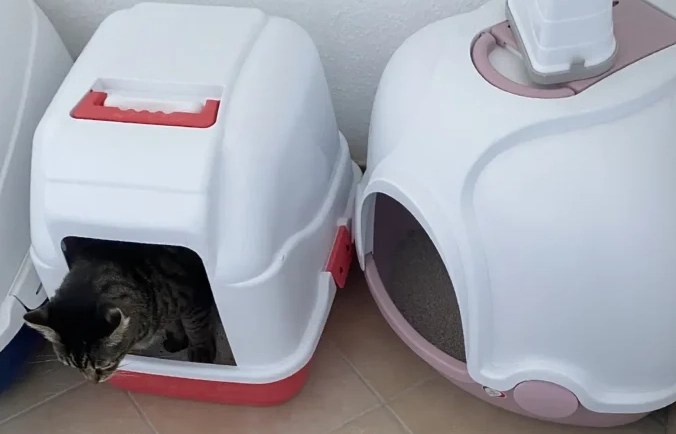
- The Great Cover Debate: Most experts, including many vets, recommend uncovered boxes. Covers trap odors inside (gross for the cat), and can make a cat feel trapped. If you must have a cover for splash reasons, get a very large, high-sided one.
- Litter Choice: Unscented, clumping litter is the safest bet. The perfumes in scented litter are for you, not them, and can irritate their super-sensitive noses. Some cats have texture preferences – a few like fine sand, others like pellets. You might need to experiment.
- The Golden Rule of Quantity: One box per cat, plus one extra. So, one cat needs two boxes, two cats need three. This isn't luxury; it prevents territory issues and gives options.
- Location, Location, Location: Quiet, low-traffic, but easily accessible. Not next to the loud appliance. Not right next to their food bowl (would you eat in your bathroom?). A couple of different spots around the house is ideal.
The Maintenance Non-Negotiables
A dirty box is a box that gets boycotted. Scoop at least once a day, ideally twice. Completely dump, wash with mild soap (no harsh chemicals!), and refill with fresh litter every 1-2 weeks. A clean box is the single biggest incentive for a cat to use it consistently.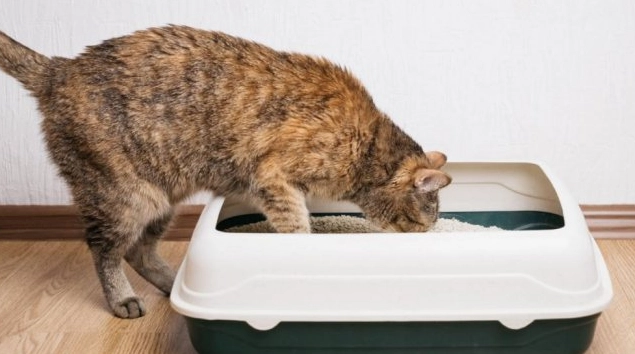
When Things Go Wrong: Solving Common Litter Box Problems
Sometimes, despite your best efforts, the cat chooses your favorite rug. Here’s what might be happening and how to course-correct.
They're Going NEXT TO the Box
This is frustrating but tells you they understand the general area. The problem is likely the box itself. Is it clean enough? Is it too small? Does it have a hood they feel cramped in? Try a larger, uncovered box in the same spot. This often fixes it quickly.
They're Avoiding It Altogether
Time to play detective. Rule out medical issues first – a vet visit is mandatory. If health is clear, think stress. Any changes in the home? New pet? New person? Construction noise? Also, consider if the litter type changed recently. Cats are creatures of habit.
For stress, create safe spaces and consider pheromone diffusers. For location issues, add an additional box in a completely different, very appealing spot (quiet, private).
The Cat Was Trained, Then Suddenly Stops
This is almost always a signal. Medical issue (like the UTI mentioned earlier) or a major stressor. Go back to basics: vet check, assess environment, ensure pristine box cleanliness. Never punish a cat for an accident. It doesn't work and only creates fear, making the problem worse. Clean accidents with an enzymatic cleaner made for pet urine to completely remove the scent, or they'll be drawn back to that spot.
Answering Your Burning Questions (FAQs)
Let's tackle some of the specific things people worry about when figuring out how long it takes to train a cat to use a litter box.
Wrapping It Up: Patience is Your Best Tool
So, circling back to the big question: how long does it take to train a cat to use a litter box?
You've seen it's a spectrum. It can be a few hours for a lucky kitten owner, or a months-long project of patience for a rescued former stray. The timeline isn't just about time; it's about understanding.
Focus less on the clock and more on creating an environment where using the box is the easiest, most natural choice for your cat. Get the setup right from day one. Be a diligent cleaner. Watch for signs of stress or illness. Most cats have a powerful instinct to bury their waste. Your job is simply to provide the right digging spot.
Don't get discouraged if it takes longer than a blog post said it would. Every cat is an individual. The investment in getting it right—understanding their preferences, solving little puzzles—pays off a thousand times over in a clean home and a happy, settled feline companion. That’s the real goal, far more important than just marking a day on the calendar.




Join the Conversation