Quick Navigation
- What Actually Affects the Litter Box Learning Timeline?
- The Step-by-Step Training Plan (For Kittens & Clueless Cats)
- Common Problems and How to Fix Them (The “Why Is This Not Working?” Section)
- Special Cases and Older Cats
- Answers to the Questions You're Probably Searching For
- Wrapping It Up: Patience and Observation Are Key
Let's cut to the chase. If you're standing there with a new kitten or a confused adult cat, staring at a pristine litter box and wondering when the magic will happen, you're not alone. I've been there too. The short, hopeful answer is that many kittens seem to grasp the concept almost instinctively, sometimes within a single day. But the real, honest answer is a bit more nuanced. The complete process of reliable, consistent, and stress-free litter box use can take anywhere from a few days to several weeks, and in some cases, you might be fine-tuning things for months.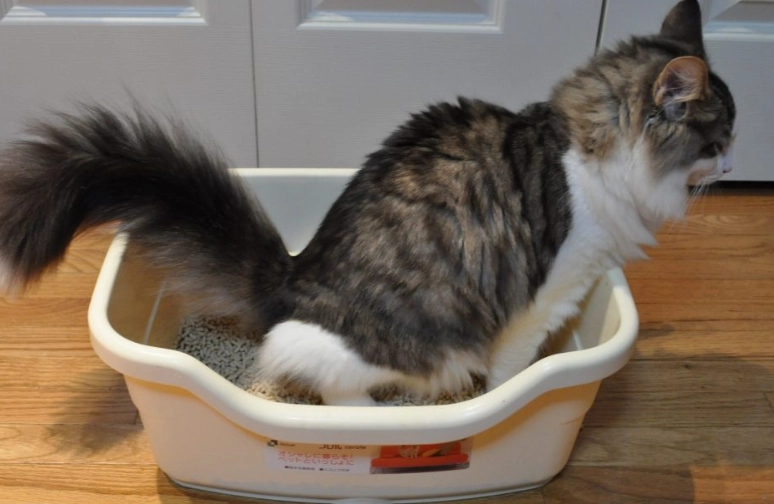
Why such a wide range? Well, it's like asking how long it takes a child to learn to ride a bike. Some hop on and go, others need more practice and encouragement. For cats, it depends on a whole bunch of factors we'll dig into. The core question, how long does it take for a cat to learn how to use a litter box, doesn't have a one-size-fits-all answer, but I can give you a clear framework so you know what to expect and, more importantly, how to help them succeed.
The Quick Takeaway: Most healthy kittens with a good start from their mother will show you they understand the litter box within 1-3 days. True reliability (no accidents, using it confidently every time) often solidifies over 2-4 weeks. Adult cats transitioning to a new home or a new type of litter might need 1-2 weeks to adjust fully.
What Actually Affects the Litter Box Learning Timeline?
This is where things get interesting. The time it takes isn't random. It's influenced by a few key things. Getting these right can significantly speed up the process. Getting them wrong can lead to frustrating setbacks.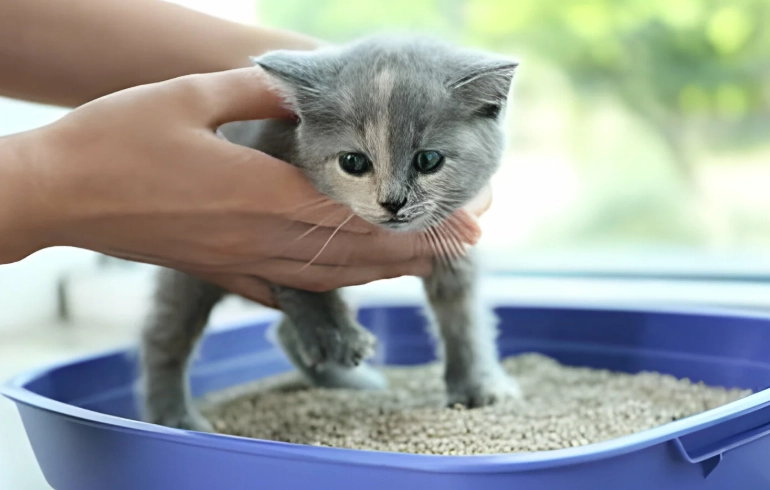
1. Age and Early Experience (The Biggest Factor)
Kittens learn a massive amount from their mother between 3 and 8 weeks old. This includes grooming, social skills, and yes, eliminating in loose substrate. A kitten who stayed with its mom until at least 8 weeks often just knows what to do when you place them in a box of litter. It's a lightbulb moment. For them, how long does it take for a cat to learn how to use a litter box might be measured in hours.
Kittens separated too early (before 6-7 weeks) miss this critical lesson. They're not being stubborn; they're literally uneducated. You become the teacher, which means more hands-on guidance and a longer training period—think weeks instead of days.
Adult cats generally know the drill. The issue is rarely how to use a box, but whether they want to use your specific box. Their timeline is about acceptance, not learning from scratch.
2. The Litter Box Setup Itself
You wouldn't like using a dirty, cramped, hard-to-find bathroom. Neither does your cat. The setup can make or break training speed.
- Size and Style: The box must be big enough for an adult cat to turn around and dig comfortably. A common mistake is using a tiny kitten box for too long. Covered boxes can trap odors and feel threatening to some cats, potentially slowing adoption. I'm not a huge fan of most covered boxes for that reason—they often cause more problems than they solve.
- Number of Boxes: The golden rule is one box per cat, plus one extra. In a single-cat home, you should have at least two boxes, especially in a multi-story house. More boxes mean more convenient options, reducing the chance of an “I couldn't hold it” accident.
- Location, Location, Location: Quiet, low-traffic, easily accessible. Not next to a loud appliance (like a washing machine), not in the middle of a hallway, and definitely not right next to their food and water. Cats are clean creatures and don't want to eat where they eliminate.
3. The Type of Litter
Cats have preferences. Strong ones. The unscented, fine-grained, clumping clay litter is the safe bet, the “default setting” most cats accept. But some cats hate the feeling on their paws. Others might have been raised on non-clumping clay, recycled paper, or even silica crystals.
Switching litters on an adult cat can cause a boycott. If you're bringing home an adult cat, try to find out what litter they used before. A sudden change can make you wonder why how long does it take for a cat to learn how to use a litter box is taking forever, when the real issue is they're protesting the new “flooring.”
4. Health and Stress Levels
This is non-negotiable. A cat with a urinary tract infection (UTI), arthritis, or intestinal parasites will associate the litter box with pain. They'll start avoiding it, and you'll think it's a training issue. It's not. Any sudden change in litter box habits, especially in a previously reliable cat, warrants a vet visit. Full stop.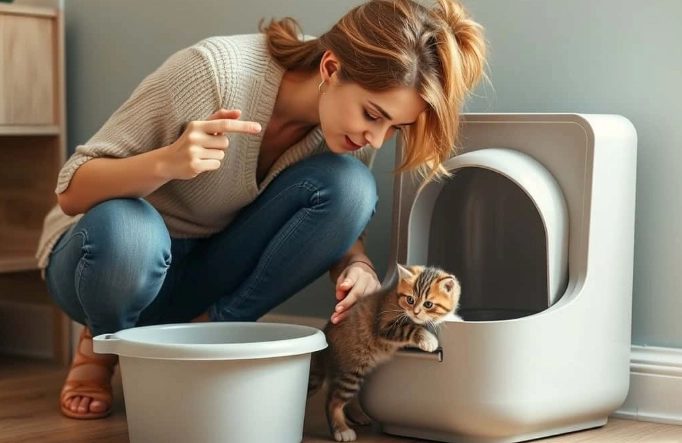
Stress is a massive factor. Moving to a new home, a new pet or baby in the house, construction noise, even a rearranged living room can cause enough anxiety to lead to accidents. A stressed cat isn't thinking clearly about their bathroom habits.
| Factor | Effect on Learning Speed | What You Can Do |
|---|---|---|
| Kitten (8+ weeks with mom) | Fast (Days) | Provide easy access, keep it clean. |
| Kitten (Separated early) | Moderate (Weeks) | Frequent guided sessions, patience. |
| Adult Cat (New home) | Variable (Days to Weeks) | Use familiar litter, reduce stress. |
| Poor Box Setup | Slows Down / Causes Failure | Follow size/location rules, add more boxes. |
| Litter Dislike | Slows Down / Causes Boycott | Start with unscented clumping clay. |
| Health Issue (UTI, etc.) | Stops Progress | See a veterinarian immediately. |
The Step-by-Step Training Plan (For Kittens & Clueless Cats)
Okay, so you have a fuzzy student who needs lessons. Here's a practical, no-nonsense plan. This is what I've done with every foster kitten and it rarely fails.
Step 1: The Introduction (First 24 Hours)
Confine your new cat or kitten to a small, safe room (like a bathroom or spare bedroom) for the first few days. This isn't punishment. It reduces overwhelm and makes the litter box the most obvious bathroom option. Place the box on one side of the room, and food/water and bed on the opposite side.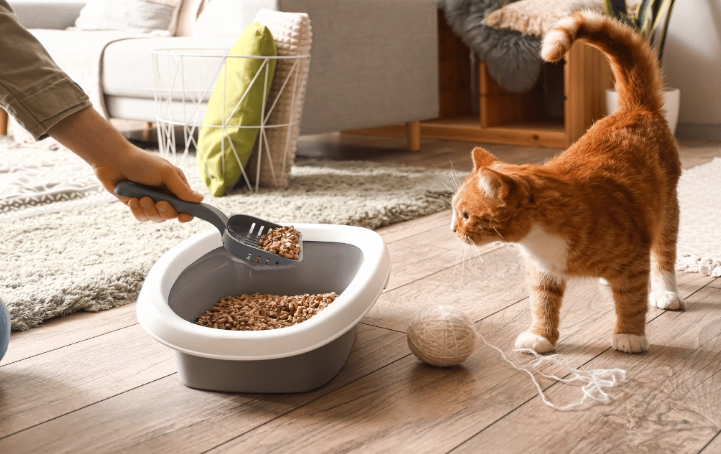
After they eat, drink, or wake up from a nap—times when the urge to go is high—gently place them in the litter box. Don't force them. Just set them down. Let them sniff and explore. You might even take their front paw and make a gentle scratching motion in the litter to give them the idea. It often clicks right then.
Step 2: The Power of Observation and Timing
Watch for signs they need to go: sniffing the ground, circling, crouching, or meowing restlessly. Scoop them up and pop them in the box. When they use it successfully, don't go overboard with loud praise (it can startle them). A quiet, happy “good kitty” and maybe a tiny treat after they've left the box is perfect.
Never, ever punish for an accident. Rubbing their nose in it is cruel and completely ineffective. It only teaches them to be afraid of you. If you catch them in the act, make a soft noise (a gentle “oops” or a clap) to interrupt, then quickly but calmly carry them to the litter box. If they finish there, great. If not, clean the accident thoroughly and move on.
Pro Cleaning Tip: Use an enzymatic cleaner (like Nature's Miracle) for accidents. Regular cleaners remove the smell for you, but cats can still smell their scent, which invites them to use the same spot again. Enzymatic cleaners break down the organic compounds, removing the “bathroom here” signal.
Step 3: Building the Habit and Expanding Territory
Once they're reliably using the box in their safe room for a few days, you can start giving them access to more of the house. Do this gradually. When you open up a new area, make sure there's an accessible litter box nearby. This is where having multiple boxes pays off.
Keep the boxes impeccably clean. Scoop at least once, ideally twice, a day. Cats are fastidious. A dirty box is a major turn-off and can reverse all your progress. Think about it—would you keep using a toilet that's never flushed?
This consistent routine is what truly answers how long does it take for a cat to learn how to use a litter box. It's not a single lesson; it's building a dependable habit.
Common Problems and How to Fix Them (The “Why Is This Not Working?” Section)
Sometimes, despite your best efforts, things go sideways. Here are the usual suspects.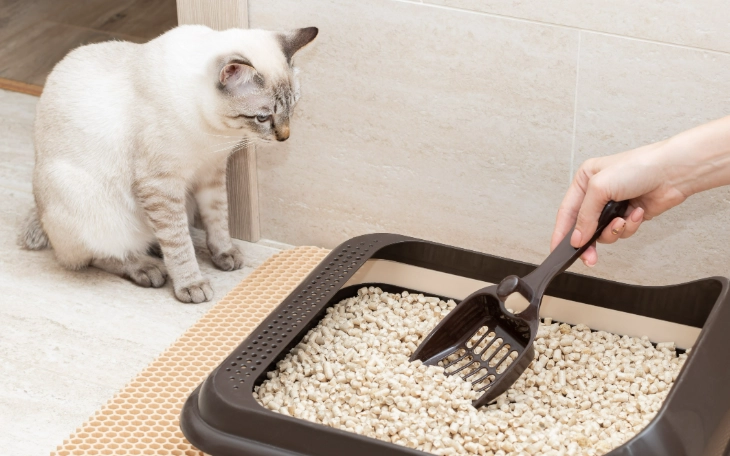
Problem: The Cat Completely Ignores the Litter Box
They're going on the floor, the carpet, the bathmat—anywhere but the box.
- Fix: Go back to square one. Confine them to a smaller space with the box. Ensure the box is large, uncovered, and filled with 2-3 inches of an unscented, clumping litter. Rule out health issues with a vet.
- Question to ask: Is the litter box liner crinkly and scary? Is the box too deep for a small kitten to climb into? (Try a low-sided cardboard box as a temporary litter tray).
Problem: The Cat Uses the Box Sometimes, But Has Frequent Accidents
This is often a location or cleanliness issue, or a “not enough boxes” issue.
- Fix: Add more litter boxes in different, quiet locations. Scoop more frequently. If you have a multi-story home, you must have a box on each floor. A cat won't trek down two flights of stairs if the urge strikes.
- Question to ask: Did something scary happen near the box? (A loud noise, a dog ambush, a falling object?). They might now associate the location with fear.
Problem: The Cat Pees in the Box but Poops Outside It
This weird, specific problem is usually about box cleanliness or type.
- Fix: They might be okay with a slightly used box for pee, but demand a perfectly clean one for poop. Scoop immediately after every use. It could also be that the box is too small for them to position themselves comfortably for both functions. Get a much larger box.
Red Flag Alert: If a cat is straining to urinate, crying in the box, or only producing tiny drops, this is a VETERINARY EMERGENCY, especially in male cats. It could be a life-threatening urinary blockage. Do not wait. This is not a training problem.
Special Cases and Older Cats
What if your cat isn't a kitten? The principles are similar, but the context changes.
Bringing an Adult Cat Home: They know what a litter box is. Your job is to make yours acceptable. Ask the previous owner or shelter what litter they used and replicate it. Show them where the box is immediately upon arrival. Keep their environment calm. The timeline for an adult cat is usually about adjusting and de-stressing, which can take a week or two.
Re-training an Older Cat Who Has Stopped Using the Box: First, vet visit. Always. Assuming health is cleared, think like a detective. What changed? New litter? New box? New pet? A dirty box? Address the change. You may need to re-train using the confinement method. For senior cats, arthritis might be the culprit. Provide a large, low-entry box (they make senior-specific ones) and place it closer to their favorite resting spots.
The question of how long does it take for a cat to learn how to use a litter box applies here too, but the “learning” is often re-learning trust and comfort.
Answers to the Questions You're Probably Searching For
Yes and no. The instinct to dig and bury waste is hardwired. It's a survival instinct to hide their scent from predators and prey. So, the urge to dig in a loose, granular material is innate. However, the specific connection that “this particular box filled with this specific sand is the designated digging/burying spot” is what they learn—often from their mother. So, they have the instinctual software, but you or their mom provides the specific map. Resources like the Cornell Feline Health Center explain this instinctual behavior in detail.
Absolutely, but it requires understanding their preference. An outdoor cat is used to dirt, soil, or sand. They will likely reject heavily perfumed, crystal, or pellet litters. Your best bet is to use a fine-grained, unscented clumping litter that feels most like dirt. Some people even mix in a little sterilized topsoil or sand at first. The process is the same: confinement, easy access, and patience. It might take a bit longer as they adapt to the new “substrate.”
Sudden changes in a well-established habit are almost never behavioral spite (despite how it feels). The hierarchy of causes is: 1) Medical Problem (UTI, diabetes, kidney disease, arthritis), 2) Environmental Stress (new pet, baby, visitor, moved furniture, new litter), 3) Litter Box Management (box got dirtier, you changed litter brands, you added a lid). Start with the vet, then play detective.
A study published in the Journal of Feline Medicine and Surgery often cites litter box aversion due to substrate or box type as a primary cause of house soiling, underscoring that the problem is usually with the setup, not the cat.
More than you think. The “# of cats + 1” rule is the gold standard for a reason. It prevents resource guarding, provides options, and ensures cleanliness. For one cat, have two boxes. For two cats, have three. Place them in different, distinct locations. It's the single most effective thing you can do to prevent problems, hands down.
Wrapping It Up: Patience and Observation Are Key
So, after all this, what's the final word on how long does it take for a cat to learn how to use a litter box?
For a well-started kitten, you'll see progress in days and solid reliability in a few weeks. For an adult cat or a kitten who missed early lessons, give it a solid month of consistent, positive training and setup optimization. The timeline isn't just about waiting; it's about actively creating the conditions for success.
Focus on the fundamentals: a clean, large, accessible box (or better yet, boxes) with a cat-approved litter, in a peaceful location. Address health first, then behavior. Watch your cat, learn their rhythms, and be their guide, not their warden.
The goal isn't just to get them using the box. It's to create a lifelong habit that's so seamless and comfortable for them that you never have to worry about it again. And trust me, that's a goal worth the initial effort. Now, go give your cat a chin scratch (after you wash your hands from scooping, of course).


Join the Conversation